The Market Game: A Masterpiece of 17th Century Dutch Art
Frans Snyders: The Visionary Behind The Market Game
Biographical Insights into Frans Snyders
Frans Snyders, born in 1579 in Antwerp, was a prominent Flemish painter known for his vibrant still lifes and dynamic genre scenes. He trained under the renowned artist Pieter Paul Rubens, which greatly influenced his artistic style. Snyders became a master of capturing the essence of daily life, particularly in bustling market settings. His works often reflect a deep appreciation for
nature and the abundance of food, showcasing his love for the rich agricultural landscape of Flanders.
Influences of Flemish Baroque on Snyders' Work
Snyders' art embodies the essence of Flemish
Baroque, characterized by dramatic compositions and rich color palettes. The movement emphasized
realism and emotional depth, which Snyders skillfully integrated into his paintings. His ability to depict lively market scenes filled with people,
animals, and bountiful produce highlights the cultural vibrancy of 17th-century Flanders. This artistic approach not only showcases his technical prowess but also his keen observation of human interactions and social dynamics.
Unpacking The Market Game: A Detailed Analysis
Composition and Layout: The Intricate Arrangement of Figures
In The Market Game, Snyders expertly arranges a multitude of figures, creating a lively and engaging scene. The composition draws the viewer's eye across the canvas, inviting them to explore the interactions between buyers and sellers. Each character is meticulously placed, contributing to the overall narrative of commerce and community. This intricate layout reflects Snyders' mastery in balancing chaos and order, a hallmark of his genre paintings.
Color Palette: The Vibrant Hues and Their Symbolism
The color palette of The Market Game bursts with life, featuring rich reds, deep greens, and golden yellows. These vibrant hues symbolize abundance and prosperity, reflecting the wealth of the market. Snyders' use of color not only enhances the visual appeal but also evokes a sense of warmth and community. The interplay of light and shadow further accentuates the textures of the
fruits,
vegetables, and fabrics, making the scene feel almost tangible.
Textures and Techniques: Brushwork that Captivates
Snyders' brushwork in The Market Game is both detailed and expressive. He employs a technique known as layering, where multiple thin layers of oil paint create depth and richness. This method allows for a stunning representation of textures, from the smoothness of ripe fruits to the roughness of market stalls. The artist's skillful application of glazing techniques adds luminosity, making the colors appear vibrant and alive.
Thematic Exploration: Commerce and Community in The Market Game
Depiction of Daily Life: A Glimpse into 17th Century Market Culture
The Market Game offers a fascinating glimpse into the daily life of 17th-century Flanders. It captures the hustle and bustle of a market, where people gather to buy and sell goods. This scene reflects the importance of commerce in society, showcasing the variety of products available, from fresh produce to handmade crafts. Snyders' portrayal of market life emphasizes the interconnectedness of community members and their reliance on one another.
Symbolism of Abundance: Food, Trade, and Prosperity
Food plays a central role in The Market Game, symbolizing abundance and prosperity. The overflowing baskets of fruits and vegetables represent the agricultural richness of the region. This abundance not only highlights the economic vitality of Flanders but also serves as a reminder of the importance of trade in sustaining communities. Snyders' focus on food reflects the cultural values of the time, where sharing and community gatherings revolved around meals.
Social Interactions: The Dynamics of Buyers and Sellers
The interactions between buyers and sellers in The Market Game reveal the social dynamics of the time. Snyders captures the expressions and gestures of the figures, conveying a sense of negotiation and camaraderie. The painting illustrates the relationships formed in the marketplace, where trust and communication are essential. This depiction of social interaction adds depth to the artwork, making it not just a visual feast but a narrative of human connection.
Historical Context: The Significance of The Market Game
Economic Landscape of 17th Century Flanders
The 17th century was a period of economic growth in Flanders, marked by flourishing trade and agriculture. The Market Game reflects this vibrant economic landscape, showcasing the importance of markets in daily life. As
cities expanded, markets became central hubs for commerce, where people from various backgrounds came together. Snyders' painting captures this essence, highlighting the role of markets in fostering community and economic exchange.
Artistic Trends: The Rise of Genre Painting
During Snyders' time,
genre painting gained popularity, focusing on everyday life and ordinary people. The Market Game exemplifies this trend, as it portrays a lively market scene filled with relatable characters. This shift in artistic focus allowed artists to explore themes of social interaction and community, moving away from solely
religious or historical subjects. Snyders' work stands out as a prime example of this genre, blending realism with vibrant storytelling.
Patronage and Collecting: Who Bought Snyders' Works?
Frans Snyders enjoyed patronage from wealthy collectors and nobility, who appreciated his ability to capture the essence of daily life. His works were sought after for their vibrant colors and intricate details. Many of his paintings adorned the homes of affluent merchants and aristocrats, reflecting their status and appreciation for fine art. This demand for Snyders' work contributed to the flourishing art market in Flanders during the 17th century.
Artistic Techniques: The Craftsmanship of The Market Game
Oil Painting Techniques: Layering and Glazing Explained
Snyders employed advanced oil painting techniques in The Market Game, particularly layering and glazing. Layering involves applying multiple thin coats of paint to build depth and richness. Glazing, on the other hand, adds transparency and luminosity to the colors. These techniques allow Snyders to create a vibrant and dynamic composition that draws the viewer in, showcasing his mastery of the medium.
Use of Light and Shadow: Chiaroscuro in Snyders' Art
Chiaroscuro, the technique of using strong contrasts between light and dark, is evident in The Market Game. Snyders skillfully manipulates light to highlight certain elements, creating a sense of depth and dimension. This use of light not only enhances the realism of the scene but also guides the viewer's eye to focal points, such as the vibrant produce and engaged figures. The interplay of light and shadow adds drama and intrigue to the composition.
Animal and Still Life Representation: A Signature Style
Snyders is renowned for his exceptional representation of animals and
still life. In The Market Game, he includes various animals, such as chickens and
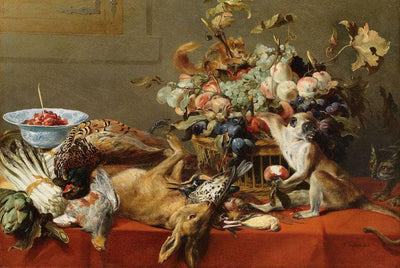
rabbits, which add life to the market scene. His ability to depict these creatures with accuracy and detail showcases his deep understanding of nature. The still life elements, featuring bountiful fruits and vegetables, highlight the abundance of the market, reinforcing the themes of prosperity and community.
Legacy and Influence: The Lasting Impact of The Market Game
Reception in the Art World: Critical Acclaim and Historical Significance
The Market Game received critical acclaim upon its completion, celebrated for its vibrant colors and intricate details. Art critics and collectors praised Snyders for his ability to capture the essence of market life. The painting's historical significance lies in its representation of 17th-century Flanders, providing valuable insights into the culture and economy of the time. Today, it remains a cherished piece in the art world, admired for its beauty and depth.
Influence on Future Artists: Snyders' Role in Art History
Frans Snyders' influence extends beyond his lifetime, inspiring future generations of artists. His mastery of genre painting and ability to depict everyday life set a standard for realism in art. Many artists looked to Snyders for inspiration, adopting his techniques and themes in their own works. His legacy continues to shape the art world, as contemporary artists draw from his rich visual storytelling and vibrant compositions.
Modern Interpretations: How The Market Game Inspires Today’s Artists
Today, The Market Game continues to inspire artists across various mediums. Its themes of community, commerce, and abundance resonate in modern society. Contemporary artists often reference Snyders' work, exploring similar subjects through a modern lens. The painting serves as a reminder of the importance of connection and the beauty of everyday life, encouraging artists to celebrate the world around them.
FAQs About The Market Game
What is the historical significance of The Market Game?
The Market Game is significant for its vivid portrayal of 17th-century market life in Flanders, reflecting the economic and social dynamics of the time. It captures the essence of community and commerce, making it a valuable historical document.
What themes are explored in The Market Game?
The Market Game explores themes of abundance, trade, and social interaction. It highlights the importance of markets in daily life and the relationships formed between buyers and sellers.
How does The Market Game reflect 17th-century Dutch society?
The painting reflects 17th-century Dutch society by showcasing the vibrant market culture, where commerce and community intersected. It illustrates the economic prosperity of the time and the significance of food and trade in everyday life.
What techniques did Frans Snyders use in The Market Game?
Frans Snyders used oil painting techniques such as layering and glazing to create depth and vibrancy. He also employed chiaroscuro to enhance the realism of the scene, skillfully manipulating light and shadow.
Where can I see The Market Game today?
The Market Game is housed in a prominent art collection, where it can be viewed by the public. Check local museum listings or art galleries for current exhibitions featuring this masterpiece.
FAQs About The Painting Reproduction
How can I ensure the quality of a reproduction of The Market Game?
To ensure quality, look for reproductions created using high-quality materials and techniques. A reputable seller will provide details about the painting process, ensuring it captures the vibrancy and detail of the original.
What should I look for in a reputable seller of art reproductions?
When seeking a reputable seller, check for customer reviews, return policies, and examples of previous work. A good seller will offer detailed information about their reproduction techniques and guarantee satisfaction with the final product.
 4.9/5
4.9/5