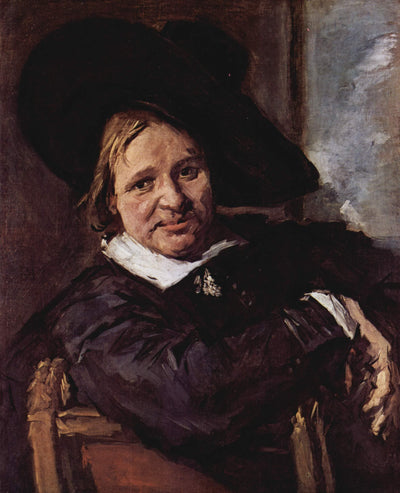
The Historical Significance of The Regentesses of the Old Men's Almhouse
Understanding the Context of 17th Century Haarlem
In the 17th century, Haarlem was a vibrant center of trade and culture in the Dutch Republic. This period, known as the Dutch Golden Age, saw a flourishing of the arts, particularly painting. The
city was home to many influential artists and intellectuals.
Frans Hals, a leading figure of this era, captured the essence of Haarlem's society through his
portraits. His work reflects the values and complexities of a time marked by economic prosperity and social responsibility.
The Role of Almshouses in Dutch Society
Almshouses played a crucial role in the social fabric of Dutch society. They provided shelter and care for the elderly and impoverished, reflecting the community's commitment to charity and social welfare. The Old Men's Almhouse in Haarlem was established in the 16th century, serving as a sanctuary for men who had fallen on hard times. The regentesses, or female governors, of the almshouse were responsible for its management and the well-being of its residents, showcasing the important role women played in social care during this period.
Frans Hals: A Pioneer of Portraiture in the Golden Age
Frans Hals is celebrated as a pioneer of portraiture, known for his lively and spontaneous style. His ability to capture the personality and character of his subjects set him apart from his contemporaries. Hals' innovative techniques and use of light brought a sense of
realism and vitality to his paintings. The Regentesses of the Old Men's Almhouse exemplifies his mastery, showcasing the dignity and grace of the women who dedicated their lives to serving others.
Artistic Elements of The Regentesses of the Old Men's Almhouse
Composition and Arrangement: A Study in Balance
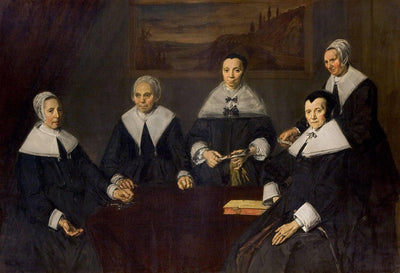
The composition of The Regentesses of the Old Men's Almhouse is meticulously arranged. The figures are positioned in a way that creates a harmonious balance, drawing the viewer's eye across the canvas. Each regentess occupies a distinct space, yet they are united in purpose. This thoughtful arrangement enhances the sense of community and collaboration among the women.
Color Palette: The Use of Warm Tones and Shadows
Hals employs a rich color palette filled with warm tones, such as deep reds and soft golds. These colors evoke a sense of warmth and comfort, reflecting the nurturing environment of the almshouse. The strategic use of shadows adds depth and dimension, creating a three-dimensional effect that brings the figures to life. This mastery of color enhances the emotional impact of the painting.
Facial Expressions: Capturing Emotion and Character
The facial expressions of the regentesses are strikingly expressive. Each woman displays a unique emotion, from serene confidence to gentle compassion. Hals captures the individuality of each figure, allowing viewers to connect with their personalities. This focus on emotion adds a layer of intimacy to the painting, inviting viewers to reflect on the lives and contributions of these remarkable women.
Textural Details: The Fabric and Finery of the Regentesses
The attention to detail in the fabric and attire of the regentesses is remarkable. Hals skillfully depicts the textures of their garments, from the luxurious silk to the intricate lace. These details not only highlight the wealth and status of the women but also serve to emphasize their roles as caretakers. The finery of their clothing contrasts with the humble setting of the almshouse, illustrating the balance between privilege and service.
The Regentesses: Who Were They?
Profiles of the Key Figures in the Painting
The regentesses depicted in the painting were influential women in Haarlem. They were responsible for overseeing the operations of the almshouse and ensuring the welfare of its residents. Each woman brought her unique background and skills to the role, contributing to the community's well-being. Their portraits serve as a testament to their dedication and leadership.
Their Contributions to the Almshouse and Society
These women played a vital role in the social structure of Haarlem. They organized fundraising events, managed resources, and provided direct care to the residents. Their contributions extended beyond the walls of the almshouse, influencing societal attitudes towards charity and care for the less fortunate. The regentesses exemplified the spirit of philanthropy that characterized Dutch society during this period.
Symbolism of the Attire and Accessories
The attire and accessories of the regentesses are rich in
symbolism. Their elegant clothing signifies their social status, while the use of specific colors and styles reflects their roles within the almshouse. For instance, the use of white lace symbolizes purity and dedication to service. Each detail in their attire tells a story of their commitment to the community and their responsibilities as caretakers.
Frans Hals' Unique Techniques and Style
Brushwork: The Signature Style of Frans Hals
Frans Hals is renowned for his dynamic brushwork. He employed a loose, fluid technique that allowed him to capture movement and life in his portraits. This signature style is evident in The Regentesses of the Old Men's Almhouse, where the brushstrokes create a sense of immediacy and realism. Hals' ability to convey texture and form through his brushwork sets him apart as a master of portraiture.
Light and Shadow: Creating Depth and Dimension
Hals expertly manipulates light and shadow to create depth in his paintings. In The Regentesses of the Old Men's Almhouse, the interplay of light highlights the faces and garments of the women, drawing attention to their expressions and attire. This technique not only enhances the three-dimensional quality of the painting but also adds emotional resonance to the scene.
Innovative Portrait Techniques: A Departure from Tradition
Hals' approach to portraiture was innovative for his time. He moved away from the stiff, formal poses typical of earlier portraits, opting instead for more relaxed and natural postures. This departure from tradition allows the regentesses to appear more approachable and relatable. Hals' ability to capture the essence of his subjects revolutionized portrait painting and influenced generations of artists.
The Cultural Impact of The Regentesses of the Old Men's Almhouse
Influence on Contemporary Artists and Portraiture
The Regentesses of the Old Men's Almhouse has had a lasting impact on the art world. Contemporary artists continue to draw inspiration from Hals' techniques and themes. His focus on character and emotion resonates with modern portraiture, encouraging artists to explore the human experience in their work. The painting remains a significant reference point in the study of portrait art.
Reception and Critique Through the Ages
Since its creation, The Regentesses of the Old Men's Almhouse has received acclaim for its artistic merit and social commentary. Critics have praised Hals for his ability to blend technical skill with emotional depth. Over the centuries, the painting has been analyzed and celebrated in various art movements, solidifying its place in art history.
Preservation and Restoration Efforts of the Original Painting
The original painting has undergone several restoration efforts to preserve its integrity. Experts have worked diligently to maintain the vibrant colors and intricate details that make Hals' work so captivating. These preservation efforts ensure that future generations can appreciate the beauty and significance of The Regentesses of the Old Men's Almhouse.
Exploring the Legacy of The Regentesses of the Old Men's Almhouse
Exhibitions and Displays: Where to See the Original
The original painting is housed in the Frans Hals Museum in Haarlem, where it is a highlight of the collection. Visitors can view this masterpiece in person, experiencing the scale and detail that cannot be replicated in prints. The museum often features exhibitions that explore the context and significance of Hals' work, providing deeper insights into his artistic legacy.
Art Historical Significance: A Case Study in Dutch Art
The Regentesses of the Old Men's Almhouse serves as a case study in Dutch art history. It encapsulates the values of the Golden Age, including community, charity, and the role of women in society. Art historians often reference this painting when discussing the evolution of portraiture and the social dynamics of 17th-century Holland.
Modern Interpretations and References in Popular Culture
The influence of The Regentesses of the Old Men's Almhouse extends beyond the art world. The painting has inspired modern interpretations in literature, film, and visual arts. Its themes of community service and female empowerment resonate with contemporary audiences, making it a relevant work even today.
FAQs About The Regentesses of the Old Men's Almhouse
What is the story behind The Regentesses of the Old Men's Almhouse?
The painting depicts the regentesses of the Old Men's Almhouse in Haarlem, showcasing their dedication to caring for the elderly. It reflects the social values of 17th-century Dutch society, emphasizing charity and community service.
How does The Regentesses of the Old Men's Almhouse reflect the values of its time?
The painting highlights the importance of social responsibility and the role of women in philanthropy during the Dutch Golden Age. It serves as a visual representation of the community's commitment to caring for its vulnerable members.
What techniques did Frans Hals use in this painting?
Hals employed dynamic brushwork, innovative use of light and shadow, and a focus on naturalistic poses. These techniques contribute to the painting's emotional depth and realism.
Who are the women depicted in The Regentesses of the Old Men's Almhouse?
The women in the painting are the regentesses who managed the Old Men's Almhouse. Each figure represents a unique aspect of leadership and care within the community.
What is the significance of the setting in the painting?
The setting of the almshouse symbolizes charity and community support. It reflects the social values of the time, emphasizing the importance of caring for the less fortunate.
How can I appreciate the details in The Regentesses of the Old Men's Almhouse?
To appreciate the details, take time to observe the facial expressions, clothing textures, and the interplay of light and shadow. Each element contributes to the overall narrative of the painting.
What should I know about reproductions of this painting?
Art reproductions of The Regentesses of the Old Men's Almhouse offer a superior alternative to prints. They capture the intricate details and vibrant colors of the original, allowing art lovers to enjoy the beauty of Hals' work in their own homes.
Are there any notable exhibitions featuring The Regentesses of the Old Men's Almhouse?
The painting is prominently displayed at the Frans Hals Museum in Haarlem. The museum frequently hosts exhibitions that explore the life and work of Frans Hals, providing context and appreciation for this iconic piece.
 4.8/5
4.8/5