 4.9/5
4.9/5






SAMPLES OF QUALITY
Recent Hand-Painted Reproductions
Discover some of our latest oil paintings, each one carefully hand-painted on canvas.

AS SEEN IN





Handmade Oil Painting on Canvas Art Reproduction, Museum-quality

The six dominant colors measured from the painting, with the share of canvas each one covers. Click a swatch to copy its hex code.
Processing & Shipping Time
Your delivery time includes two parts:
Shipping Methods
We ship with trusted couriers like FedEx, UPS, and DHL. Every shipment includes a tracking code.
Our goal is to deliver your order safely and quickly.
Shipment Safety Measures
We handle your products with care so they arrive in perfect condition:
Every product is insured and delivered right to your door, so you can feel confident buying from us.
Every Art & See painting is created by artists with 15+ years of experience using professional-grade oil paints and premium linen canvas with UV-resistant protective coating, the same museum-grade materials used in galleries worldwide. Each piece goes through quality review before your approval photos are taken. If after delivery you have any concerns about your painting, contact us at [email protected] and our team will work with you on the best path forward.
Full Warranty
Every painting is protected against physical damage during shipping. If your painting arrives damaged, we repair or replace it, free of charge.
Coverage Details
Transit damage (crushed, torn, water damage): we repair or replace at no cost. Please note that damages resulting from accidents or inappropriate use are not covered under this warranty.
Repair or Replace
Depending on the extent of damage, the affected painting will either be repaired or replaced at no additional cost to you.
Free Service
All warranty services are provided absolutely free of charge.
We want you to absolutely love your handmade artwork. Here's how it works:
In the rare case you approve the photos and the artwork has been shipped and delivered to you, and you still want additional modification requests, we can handle it as a courtesy at our discretion. If accepted, you cover the return shipping cost.
| Type | Hand-Painted Oil Painting Reproduction |
| Original Artist | Erasmus Quellinus the Younger |
| Price Range | $350 to $1,150 |
| Shipping | Free Worldwide |
| Quality | Preview & Approve Before Shipping |
| Medium | Oil on Canvas |
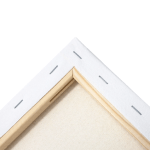
| Canvas | Museum-Grade Linen Canvas |
| Technique | Hand-painted brushstroke-by-brushstroke |
| Art Style | Baroque |
| Artist Nationality | Flemish |
| Orientation | Vertical |
| Subject | Cultural heritage religious, Still life flower |
| Available Sizes | 7 (16'' W × 20'' H to 48'' W × 72'' H, including the original size), plus custom sizes |
| Framing Options | Unframed, Stretched Canvas, Classic & Modern Frames |
| Delivery | 14–28 business days |
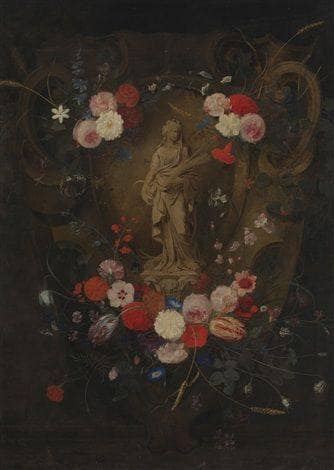
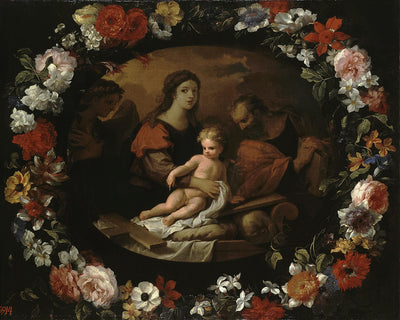
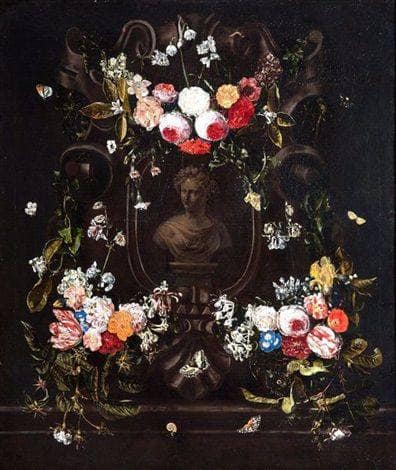
Ceres, the Roman goddess of agriculture, grain, and fertility, holds a significant place in mythology. She is often associated with the cycle of life and death, reflecting the changing seasons. Ceres is the counterpart to the Greek goddess Demeter, embodying the nurturing aspects of nature. Her myths often explore themes of loss and renewal, making her a powerful symbol in art.
In art, Ceres symbolizes abundance and fertility, often depicted with sheaves of wheat and a cornucopia. These elements represent the earth's bounty and the sustenance it provides. Artists use Ceres to convey messages of prosperity and the importance of agriculture in society. Her presence in paintings often evokes feelings of gratitude and reverence for nature's gifts.
The Renaissance period saw a resurgence of interest in classical themes, including the figure of Ceres. Artists like Erasmus Quellinus the Younger drew inspiration from ancient mythology, integrating Ceres into their works to highlight human connection to nature. This influence is evident in the detailed representations of flora and fauna surrounding her, emphasizing the harmony between humanity and the natural world.
Erasmus Quellinus the Younger masterfully employed oil painting techniques, utilizing layering and glazing to create depth and luminosity. This method allows for rich textures and vibrant colors, enhancing the visual impact of the painting. The careful application of paint creates a sense of realism, drawing viewers into the scene.
The color palette in "The Goddess Ceres" is a celebration of nature's vibrancy. Quellinus used lush greens, warm earth tones, and bright floral colors to evoke a sense of life and vitality. These hues not only capture the essence of the natural world but also reflect the emotional depth of Ceres as a nurturing figure.
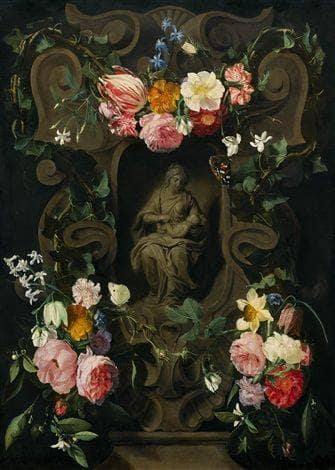
Quellinus skillfully arranged the figures in the painting to create a balanced composition. Ceres is centrally positioned, drawing the viewer's eye. The surrounding flowers and foliage frame her, enhancing her importance. This thoughtful arrangement reflects the harmony between the goddess and her environment, inviting viewers to appreciate the interconnectedness of all elements.
The garland of flowers encircling Ceres is rich with symbolism. Each flower carries its own meaning, contributing to the overall message of the painting. For instance, roses symbolize love, while lilies represent purity. This floral diversity enhances the themes of fertility and beauty, reinforcing Ceres' role as a life-giver.
In Baroque art, floral arrangements often symbolize the transience of life and the beauty of nature. Quellinus' use of flowers in "The Goddess Ceres" reflects this tradition, emphasizing the fleeting nature of beauty and the importance of cherishing life's moments. The intricate details of the flowers invite viewers to explore their meanings further.
The connection between nature and divinity is a central theme in Quellinus' work. Ceres, surrounded by a lush garland, embodies the divine aspect of nature. This portrayal invites viewers to reflect on the spiritual significance of the natural world and its role in human existence. The painting serves as a reminder of the sacredness of life and the earth's resources.
Erasmus Quellinus the Younger was a prominent Flemish painter born in 1607. He was known for his exquisite oil paintings that often featured mythological and religious themes. Quellinus trained under his father and later became a master in his own right, gaining recognition for his detailed and vibrant works. His career flourished during the Baroque period, a time marked by dramatic expression and rich ornamentation.
Flemish art significantly influenced Quellinus' style, characterized by meticulous detail and vibrant color. He drew inspiration from artists like Peter Paul Rubens, incorporating dynamic compositions and emotional depth into his works. This influence is evident in "The Goddess Ceres," where the lush details and expressive figures reflect the richness of Flemish painting traditions.
During Quellinus' time, the market for Baroque art thrived, supported by wealthy patrons who commissioned elaborate works. Artists like Quellinus catered to this demand, creating pieces that showcased their skill and appealed to the tastes of the elite. This environment allowed for artistic innovation and the exploration of new themes, such as the celebration of nature and mythology.
Ceres has been depicted in various artistic styles throughout history. Unlike more austere representations, Quellinus' portrayal emphasizes her nurturing qualities and connection to nature. This contrast highlights the evolution of Ceres' image in art, reflecting changing cultural values and artistic trends.
Quellinus' depiction of Ceres influenced later artists, who drew on his vibrant color palette and dynamic compositions. His work inspired a renewed interest in mythological themes, encouraging artists to explore the relationship between humanity and nature. This legacy continues to resonate in contemporary art, where Ceres remains a symbol of fertility and abundance.
The iconography of Ceres extends beyond Roman mythology. In various cultures, she is associated with agricultural deities, reflecting the universal importance of fertility and harvest. This cross-cultural representation underscores the timeless relevance of Ceres as a symbol of sustenance and life, making her a compelling subject for artists across generations.
When viewing "The Goddess Ceres," take time to appreciate the subtle details in her expression. Notice the gentle smile and the warmth in her eyes, which convey her nurturing spirit. These nuances invite viewers to connect emotionally with the goddess, enhancing the overall experience of the painting.
Consider the historical context in which Quellinus created this painting. Understanding the Baroque period's emphasis on drama and emotion can deepen your appreciation of the artwork. Reflect on how the themes of nature and divinity resonate with contemporary issues, making the painting relevant today.
As you engage with "The Goddess Ceres," ask yourself questions about its themes and symbolism. What emotions does Ceres evoke in you? How do the flowers enhance the painting's message? Reflecting on these questions can enrich your viewing experience and foster a deeper connection to the artwork.
The painting is significant for its rich symbolism and representation of Ceres, highlighting themes of abundance and fertility in the context of Baroque art.
Quellinus used oil painting techniques, including layering and glazing, to create depth and vibrant colors that enhance the painting's emotional impact.
The garland features various flowers, each symbolizing different meanings, such as love, purity, and beauty, contributing to the overall theme of fertility.
The painting reflects these themes through the depiction of Ceres surrounded by lush flowers and agricultural symbols, emphasizing her role as a life-giver.
Ceres has been depicted in various styles, often emphasizing her nurturing qualities, but Quellinus' portrayal stands out for its vibrant color and emotional depth.
Reproductions of "The Goddess Ceres" are superior to prints, capturing the intricate details and vibrant colors of the original painting, making them a valuable addition to any art collection.
To appreciate a reproduction, focus on the textures, colors, and expressions. Take your time to explore the details, allowing the artwork to resonate with you on a personal level.

Discover some of our latest oil paintings, each one carefully hand-painted on canvas.
At Art & See, we're committed to delivering the highest quality art reproductions. Our team of expert artists and state-of-the-art processes ensure that each piece is a masterpiece in its own right.

Experience your masterpiece's creation through daily photos from our expert artists, each with 15+ years of experience.

Your artwork travels first class via UPS, FedEx, or DHL, protected by museum-grade packaging for safe delivery.

Review unedited photos of your finished painting and request unlimited free revisions before it ships. We only ship when you say it's perfect.

Every piece is crafted with archival materials, UV-resistant finishes, and premium British paints to last generations.
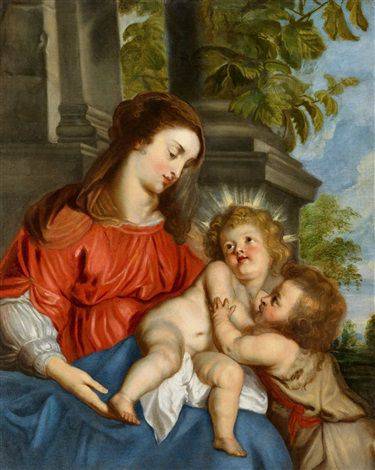
Yes, 100% hand-painted with oil on canvas by artists with 15+ years of experience. No prints, no digital shortcuts. You'll see and feel real brushstrokes, just like the original Erasmus Quellinus the Younger masterpiece.
Your The Goddess Ceres set in a Garland of Flowers reproduction takes 2–5 weeks to hand-paint depending on size and detail. Once approved, shipping takes 5–8 days via FedEx, UPS, or DHL with full tracking. Free worldwide shipping included.
Absolutely. Once your The Goddess Ceres set in a Garland of Flowers is complete, we send you unedited photos, a full view and close-up details. Request unlimited free revisions until you're 100% satisfied. We don't ship until you say "yes."
Every painting goes through our Preview & Approve process: you receive unedited photos of your finished Erasmus Quellinus the Younger reproduction and can request unlimited free revisions before it ships. We only ship when you say it's perfect. If after delivery you have any concerns, contact us at [email protected] and our team will work with you on the best path forward.
Professional-grade oil paints (Windsor & Newton) on premium linen canvas with UV-resistant protective coating. Museum-grade materials built to last generations, the same quality used in galleries worldwide.
Our artists specialize in Erasmus Quellinus the Younger's technique: color accuracy, brushwork, and composition are matched to the original. Every reproduction goes through quality review before your approval photos are taken.
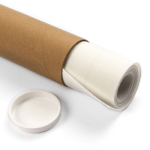
Every painting is insured and delivered door-to-door. Unframed paintings ship in protective hard tubes. Framed paintings are bubble-wrapped in sturdy boxes. If anything arrives damaged, we repair or replace it free.
Dive into the vibrant world of Historic Art. Discover your next painting today.
