4.9/5
4.9/5





SAMPLES OF QUALITY
Recent Hand-Painted Reproductions
Discover some of our latest oil paintings, each one carefully hand-painted on canvas.

AS SEEN IN





Handmade Oil Painting on Canvas Art Reproduction, Museum-quality

The six dominant colors measured from the painting, with the share of canvas each one covers. Click a swatch to copy its hex code.
Processing & Shipping Time
Your delivery time includes two parts:
Shipping Methods
We ship with trusted couriers like FedEx, UPS, and DHL. Every shipment includes a tracking code.
Our goal is to deliver your order safely and quickly.
Shipment Safety Measures
We handle your products with care so they arrive in perfect condition:
Every product is insured and delivered right to your door, so you can feel confident buying from us.
Every Art & See painting is created by artists with 15+ years of experience using professional-grade oil paints and premium linen canvas with UV-resistant protective coating, the same museum-grade materials used in galleries worldwide. Each piece goes through quality review before your approval photos are taken. If after delivery you have any concerns about your painting, contact us at [email protected] and our team will work with you on the best path forward.
Full Warranty
Every painting is protected against physical damage during shipping. If your painting arrives damaged, we repair or replace it, free of charge.
Coverage Details
Transit damage (crushed, torn, water damage): we repair or replace at no cost. Please note that damages resulting from accidents or inappropriate use are not covered under this warranty.
Repair or Replace
Depending on the extent of damage, the affected painting will either be repaired or replaced at no additional cost to you.
Free Service
All warranty services are provided absolutely free of charge.
We want you to absolutely love your handmade artwork. Here's how it works:
In the rare case you approve the photos and the artwork has been shipped and delivered to you, and you still want additional modification requests, we can handle it as a courtesy at our discretion. If accepted, you cover the return shipping cost.
| Type | Hand-Painted Oil Painting Reproduction |
| Original Artist | Edward Burne-Jones |
| Price Range | $350 to $1,150 |
| Shipping | Free Worldwide |
| Quality | Preview & Approve Before Shipping |
| Medium | Oil on Canvas |
| Canvas | Museum-Grade Linen Canvas |
| Technique | Hand-painted brushstroke-by-brushstroke |
| Art Style | Romanticism |
| Period | 19th Century |
| Artist Nationality | British |
| Orientation | Vertical |
| Subject | Portraits, Portraits female |
| Available Sizes | 7 (15'' W × 22'' H to 49'' W × 70'' H, including the original size), plus custom sizes |
| Framing Options | Unframed, Stretched Canvas, Classic & Modern Frames |
| Delivery | 14–28 business days |
| Size | 53 × 76 cm (21 × 30 in) |
| Year | 1883 |
Edward Burne-Jones stands as a towering figure in the Pre-Raphaelite movement, a group that sought to revive the rich detail and vibrant colors of medieval art. His works are characterized by their ethereal beauty and deep emotional resonance, making them timeless treasures in the world of fine art. Burne-Jones' paintings often reflect a blend of mythology, romance, and spirituality, inviting viewers into a dreamlike realm.
The Pre-Raphaelite Brotherhood, founded in 1848, aimed to challenge the conventions of academic art. They drew inspiration from nature, literature, and medieval themes, creating a unique style that emphasized intricate detail and vivid colors. This movement was a reaction against the industrialization of society, seeking to capture the beauty of the natural world and human emotion.
Burne-Jones was influenced by the works of Dante Gabriel Rossetti and William Morris, both key figures in the Pre-Raphaelite movement. His fascination with mythology and literature, particularly the tales of Arthurian legend, shaped his artistic vision. The themes of love, loss, and beauty permeate his work, making it resonate with audiences across generations.
Pre-Raphaelite art is known for its vibrant color palettes, meticulous detail, and symbolic content. Artists often used natural light to enhance the emotional impact of their subjects. The incorporation of literary and historical themes adds layers of meaning, inviting viewers to explore deeper narratives within the artwork.
Georgiana Burne-Jones, the artist's wife, served as his primary muse and inspiration. Her presence in his works symbolizes the ideal of Victorian femininity, embodying grace, beauty, and maternal love. Through her, Burne-Jones captured the essence of the woman he adored, creating a lasting legacy in the art world.
Born in 1840, Georgiana was not only a muse but also an artist in her own right. She played a significant role in the artistic community of her time, hosting gatherings that brought together influential figures in the arts. Her life story intertwines with the evolution of the Pre-Raphaelite movement, showcasing the vital role women played in shaping artistic expression.
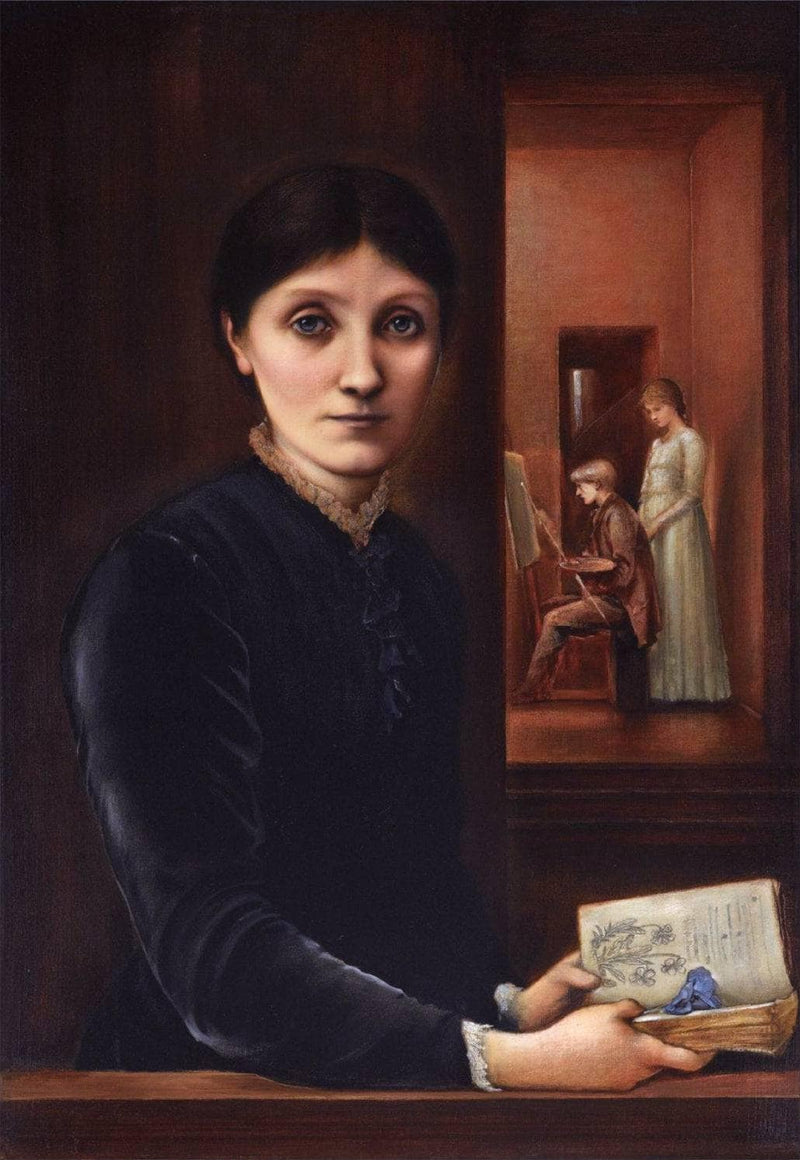
Georgiana's influence on Edward's work is profound. She inspired many of his most celebrated pieces, including "Georgiana Burne-Jones, their children Margaret and Philip in the background." Her presence in his art reflects the deep emotional connection they shared, highlighting the importance of family in his life and work.
As a prominent figure in Victorian society, Georgiana embodied the ideals of motherhood and domesticity. Her role extended beyond the canvas; she influenced social norms and expectations of women during the 19th century. Her legacy continues to inspire discussions about women's roles in art and society.
In "Georgiana Burne-Jones," the presence of Margaret and Philip adds layers of meaning to the composition. Their innocent expressions and playful demeanor symbolize the joys of childhood and the importance of family bonds. Burne-Jones masterfully captures the essence of familial love through their portrayal.
Childhood in Burne-Jones' art often represents purity and the fleeting nature of innocence. The children serve as a reminder of the joys and challenges of parenthood, reflecting the artist's own experiences as a father. Their inclusion in the painting enriches the narrative, inviting viewers to contemplate the complexities of family life.
The themes of innocence and family are central to Burne-Jones' work. He often depicted children as symbols of hope and renewal, emphasizing the importance of nurturing relationships. In this painting, Margaret and Philip embody the ideal of a loving family, showcasing the emotional depth of the artist's vision.
Margaret and Philip's presence in the background serves to enhance the focus on Georgiana while simultaneously grounding the composition in familial love. Their playful interaction adds a sense of warmth and joy, making the painting a celebration of motherhood and the bonds that unite families.
Burne-Jones employed a variety of artistic techniques to create the enchanting atmosphere of "Georgiana Burne-Jones." His mastery of oil painting allows for rich textures and vibrant colors that bring the scene to life. The careful attention to detail showcases his dedication to craftsmanship and artistic integrity.
In this artwork, Burne-Jones utilized traditional oil painting techniques, layering colors to achieve depth and luminosity. His ability to blend hues creates a soft, ethereal quality that draws viewers into the scene. The use of glazes enhances the richness of the colors, making the painting visually captivating.
The color palette in "Georgiana Burne-Jones" features soft pastels and warm earth tones, evoking a sense of tranquility and harmony. The composition is carefully balanced, with Georgiana as the focal point, surrounded by her children. This arrangement emphasizes the theme of maternal love and the nurturing aspect of family life.
Burne-Jones' brushwork is both delicate and expressive. He employs fine, detailed strokes to capture the intricate patterns of Georgiana's dress and the softness of her children's features. The textural elements in the painting add depth, inviting viewers to explore the nuances of the scene.
The emotional depth of "Georgiana Burne-Jones" is palpable. The expressions and gestures of the figures convey a profound sense of love and connection. Burne-Jones captures the essence of family life, inviting viewers to reflect on their own experiences of motherhood and childhood.
Georgiana's gentle smile and the playful gestures of her children create a narrative of warmth and affection. The subtle interactions between the figures evoke feelings of nostalgia and longing, making the painting resonate on a personal level. Burne-Jones' ability to convey emotion through facial expressions is a hallmark of his artistic style.
The bond between Georgiana and her children is central to the painting's emotional impact. Their closeness reflects the nurturing aspect of motherhood, highlighting the importance of family connections. This intimate portrayal invites viewers to appreciate the beauty of familial love.
Burne-Jones masterfully employs visual storytelling to evoke sentiments of love, nostalgia, and joy. The painting serves as a reminder of the fleeting moments of childhood and the enduring nature of maternal love. Through his art, he captures the essence of human experience, making it relatable to all.
The Victorian era was marked by significant social change and cultural evolution. Art during this time often reflected the values and norms of society, with a focus on family, morality, and domestic life. Burne-Jones' work embodies these themes, making it a vital part of the artistic landscape of the 19th century.
Victorian society placed a strong emphasis on family values and the ideal of domesticity. Women were often seen as the moral guardians of the home, and their roles as mothers were celebrated in art and literature. Burne-Jones' portrayal of Georgiana and their children aligns with these societal expectations, highlighting the importance of family in Victorian culture.
Art during the Victorian era served as a reflection of societal values, often idealizing family life and moral integrity. Burne-Jones' work captures the essence of these ideals, showcasing the beauty of domestic life and the emotional depth of familial relationships. His paintings invite viewers to explore the complexities of love and family dynamics.
Edward Burne-Jones occupies a significant place in the cultural landscape of the Victorian era. His contributions to the Pre-Raphaelite movement and his exploration of themes related to love, beauty, and family have left a lasting impact on the art world. His works continue to inspire and resonate with audiences today.
When comparing Burne-Jones to his contemporaries, one can see both similarities and differences in style and themes. While many Pre-Raphaelite artists focused on historical and mythological subjects, Burne-Jones often infused his work with personal narratives and emotional depth.
Burne-Jones' style is characterized by its dreamlike quality and emphasis on narrative. Unlike some of his contemporaries, who favored more dramatic compositions, Burne-Jones often created serene and intimate scenes. This unique approach sets him apart within the Pre-Raphaelite movement.
While Burne-Jones shared thematic interests with other Pre-Raphaelites, such as love and beauty, his focus on family dynamics adds a distinct layer to his work. His techniques, particularly in oil painting, showcase a mastery of color and texture that enhances the emotional impact of his subjects.
Burne-Jones was influenced by the works of Rossetti and Millais, yet he developed his own unique style. His ability to blend literary themes with personal narratives creates a rich tapestry of meaning in his art. This fusion of influences contributes to the timeless appeal of his work.
The painting "Georgiana Burne-Jones" captures a tender moment between the artist's wife and their children, reflecting the deep emotional bonds of family life. It showcases Burne-Jones' ability to blend personal narrative with artistic expression.
This painting embodies Victorian ideals of motherhood, family, and domesticity. It highlights the importance of familial relationships and the nurturing role of women in society.
Burne-Jones employed traditional oil painting techniques, utilizing layering and glazing to achieve depth and luminosity. His meticulous attention to detail enhances the emotional impact of the scene.
The expressions of Georgiana and her children convey warmth, love, and joy. Their interactions evoke feelings of nostalgia and highlight the beauty of familial bonds.
This painting stands out for its intimate portrayal of family life, showcasing Burne-Jones' unique ability to blend personal narrative with artistic beauty. It reflects his deep emotional connection to his subjects.
Art reproductions of "Georgiana Burne-Jones" offer a superior alternative to prints. They capture the rich textures and colors of the original oil painting, allowing you to experience the artwork's beauty in your own home.
Incorporating "Georgiana Burne-Jones" into your home decor can create a warm and inviting atmosphere. Consider placing a high-quality reproduction in a living room or nursery to celebrate the themes of love and family.

Discover some of our latest oil paintings, each one carefully hand-painted on canvas.
At Art & See, we're committed to delivering the highest quality art reproductions. Our team of expert artists and state-of-the-art processes ensure that each piece is a masterpiece in its own right.

Experience your masterpiece's creation through daily photos from our expert artists, each with 15+ years of experience.

Your artwork travels first class via UPS, FedEx, or DHL, protected by museum-grade packaging for safe delivery.

Review unedited photos of your finished painting and request unlimited free revisions before it ships. We only ship when you say it's perfect.

Every piece is crafted with archival materials, UV-resistant finishes, and premium British paints to last generations.
Yes, 100% hand-painted with oil on canvas by artists with 15+ years of experience. No prints, no digital shortcuts. You'll see and feel real brushstrokes, just like the original Edward Burne-Jones masterpiece.
Your Georgiana Burne Jones, their children Margaret and Philip in the background reproduction takes 2–5 weeks to hand-paint depending on size and detail. Once approved, shipping takes 5–8 days via FedEx, UPS, or DHL with full tracking. Free worldwide shipping included.
Absolutely. Once your Georgiana Burne Jones, their children Margaret and Philip in the background is complete, we send you unedited photos, a full view and close-up details. Request unlimited free revisions until you're 100% satisfied. We don't ship until you say "yes."
Every painting goes through our Preview & Approve process: you receive unedited photos of your finished Edward Burne-Jones reproduction and can request unlimited free revisions before it ships. We only ship when you say it's perfect. If after delivery you have any concerns, contact us at [email protected] and our team will work with you on the best path forward.
Professional-grade oil paints (Windsor & Newton) on premium linen canvas with UV-resistant protective coating. Museum-grade materials built to last generations, the same quality used in galleries worldwide.
Our artists specialize in Edward Burne-Jones's technique: color accuracy, brushwork, and composition are matched to the original. Every reproduction goes through quality review before your approval photos are taken.
Every painting is insured and delivered door-to-door. Unframed paintings ship in protective hard tubes. Framed paintings are bubble-wrapped in sturdy boxes. If anything arrives damaged, we repair or replace it free.
Dive into the vibrant world of Historic Art. Discover your next painting today.