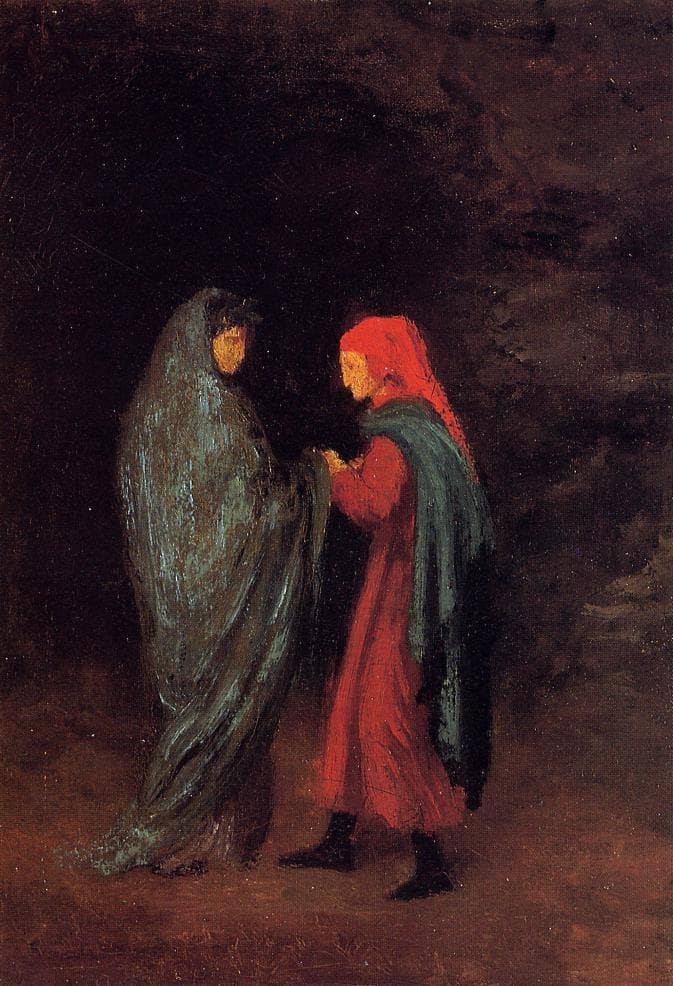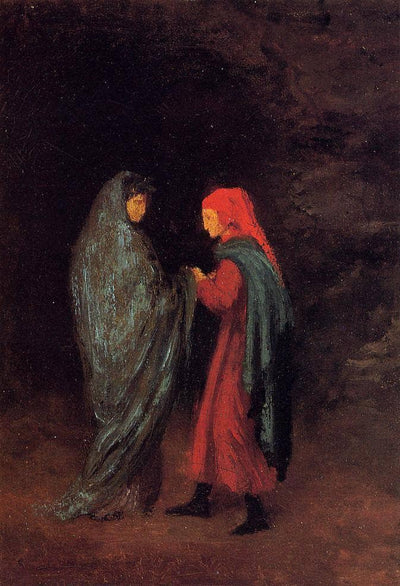


Dante and Virgil at the Entrance to Hell by Edgar Degas | Oil Painting Reproduction

Dante and Virgil at the Entrance to Hell by Edgar Degas — Oil Painting Reproduction
Frame Specifications
Frame details Unframed
Information The canvas arrives unframed and rolled up in a sturdy tube, so you can have it framed locally exactly how you like.

AS SEEN IN

Royal Heritage Badge
4.7
4.7 out of 5

41 global ratings

5 star
82%
4 star
12%
3 star
4%
2 star
1%
1 star
1%
41 ratings

by Edgar Degas

Handmade Oil Painting on Canvas Art Reproduction —— Museum-quality

100% HAND-PAINTED
  • Real brushstrokes you can see & feel
  • Painting approval before shipping
  • Unlimited revisions
Select Size *
How should it arrive?
Select a Frame (optional)
Hand-Painted Oil Painting $299.95
Unframed — Shipped rolled in a protective tube Included
Shipping Free
Total
$299.95
$350.95Save 14%
90 Days Returns Free Shipping Secure Checkout
We accept
Visa Mastercard American Express Discover PayPal Apple Pay Google Pay Venmo
Support
Need help? Talk with Joey!

Processing & Shipping Time

Your delivery time includes two parts:

  1. Processing Time — From painting and drying to packaging and dispatch, usually 2–5 weeks depending on the painting complexity.
  2. Shipping Time — From when your order leaves the workshop to when it arrives at your address. You'll be able to track it with the tracking number we email you.

Shipping Methods

We ship with trusted couriers like FedEx, UPS, and DHL. Every shipment includes a tracking code.

  • Standard orders: Arrive in 5–8 days once shipped.
  • Framed, stretched, and oversized paintings: May take a few extra days.

Our goal is to deliver your order safely and quickly.

Shipment Safety Measures

We handle your products with care so they arrive in perfect condition:

  • Framed paintings — Bubble-wrapped and packed in a sturdy box.
  • Unframed paintings — Shipped in a protective hard plastic tube.

Every product is insured and delivered right to your door, so you can feel confident buying from us.

Every Art & See painting is created by artists with 15+ years of experience using professional-grade oil paints and premium linen canvas with UV-resistant protective coating — the same museum-grade materials used in galleries worldwide. Each piece goes through quality review before your approval photos are taken. If after delivery you have any concerns about your painting, contact us at [email protected] — our team will work with you on the best path forward.

Full Warranty

Every painting is protected against physical damage during shipping. If your painting arrives damaged, we repair or replace it — free.

Coverage Details

Transit damage (crushed, torn, water damage) — We repair or replace at no cost. Please note that damages resulting from accidents or inappropriate use are not covered under this warranty.

Repair or Replace

Depending on the extent of damage, the affected painting will either be repaired or replaced at no additional cost to you.

Free Service

All warranty services are provided absolutely free of charge.

We want you to absolutely love your handmade artwork. Here's how it works:

  1. Once your oil painting is complete, we'll send you unedited photos — a full view and close-up details.
  2. Review the photos and let us know if any changes are needed. We'll happily revise the painting for free.
  3. If you approve the painting, we'll ship it right away.

In the rare case you approve the photos and the artwork has been shipped and delivered to you, and you still want additional modification requests — we can handle it as a courtesy at our discretion. If accepted, you cover the return shipping cost.

Product Specifications
TypeHand-Painted Oil Painting Reproduction
Original ArtistEdgar Degas
Price Range$299.95 — $1,299.95
ShippingFree Worldwide
Returns90-Day Returns
MediumOil on Canvas
CanvasMuseum-Grade Linen Canvas
TechniqueHand-painted brushstroke-by-brushstroke
Art StyleImpressionism
Period19th Century
Artist NationalityFrench
OrientationVertical
SubjectCultural heritage religious, Portraits female
Available Sizes7 (16'' W × 20'' H to 48'' W × 72'' H)
Framing OptionsUnframed, Stretched Canvas, Classic & Modern Frames
Delivery14–28 business days
About This Painting
Exploring the Symbolism of Dante and Virgil at the Entrance to Hell Understanding the Artistic Context of Degas' Masterpiece The Influence of Romanticism on Degas' Work Edgar Degas, a prominent fig...

Exploring the Symbolism of Dante and Virgil at the Entrance to Hell

Understanding the Artistic Context of Degas' Masterpiece

The Influence of Romanticism on Degas' Work

Edgar Degas, a prominent figure in the Impressionist movement, drew inspiration from the Romantic era. This period emphasized emotion and individualism, which is evident in his painting "Dante and Virgil at the Entrance to Hell." The artwork reflects the intense feelings associated with Dante Alighieri's epic poem, "The Divine Comedy." Degas captures the essence of despair and hope, showcasing the emotional depth that characterizes Romantic art.

Degas' Unique Approach to Historical Themes

Degas was known for his innovative interpretations of historical subjects. In "Dante and Virgil at the Entrance to Hell," he reimagines a pivotal moment from Dante's journey. Unlike traditional depictions, Degas focuses on the psychological aspects of the characters. His portrayal of Dante and Virgil emphasizes their emotional struggle, making the viewer ponder the complexities of their relationship and the weight of their journey into the unknown.

Visual Analysis of the Composition: A Journey into the Inferno

Color Palette and Its Emotional Impact

Shades of Darkness: The Use of Black and Red

Degas employs a striking color palette dominated by deep blacks and fiery reds. These colors evoke a sense of foreboding and urgency. The black represents the abyss of Hell, while the red symbolizes the passion and suffering inherent in Dante's journey. This combination creates a dramatic atmosphere that draws viewers into the emotional turmoil of the scene.

Light and Shadow: Creating Depth and Drama

The interplay of light and shadow in Degas' painting adds a three-dimensional quality. The strategic use of chiaroscuro enhances the figures of Dante and Virgil, making them stand out against the dark background. This technique not only highlights their expressions but also emphasizes the ominous nature of their surroundings, inviting viewers to explore the depths of despair alongside the characters.

Figures and Postures: The Dynamics of Dante and Virgil

Contrasting Expressions: Fear and Resolve

Dante's expression reveals a mix of fear and uncertainty, while Virgil exudes calm determination. This contrast illustrates the dynamic between the two characters. Virgil, as Dante's guide, embodies wisdom and strength, providing a counterbalance to Dante's trepidation. This relationship is central to the narrative, showcasing the importance of companionship in facing life's challenges.

Body Language: A Study in Movement and Emotion

The body language of Dante and Virgil conveys a powerful narrative. Dante leans slightly forward, indicating his apprehension, while Virgil stands firm, ready to lead. This physicality enhances the emotional weight of the scene, allowing viewers to feel the tension and urgency of their journey. Degas masterfully captures this moment, making it resonate with anyone who has faced fear in the face of the unknown.

Thematic Exploration: Friendship and Guidance in the Face of Despair

Dante and Virgil: A Symbol of Companionship

The Role of Virgil as a Mentor

Virgil serves as a crucial mentor to Dante throughout their journey. His presence symbolizes guidance and wisdom, essential for navigating the complexities of life and the afterlife. This relationship highlights the importance of mentorship and support in overcoming obstacles, a theme that resonates deeply with audiences across generations.

Friendship Amidst Suffering: A Timeless Message

The bond between Dante and Virgil transcends the narrative of "The Divine Comedy." Their friendship serves as a reminder that even in the darkest times, companionship can provide strength and solace. This timeless message of solidarity and support is relevant today, encouraging individuals to seek and offer help in times of despair.

Hell as a Metaphor: The Human Condition

Exploring Themes of Sin and Redemption

Degas' painting delves into profound themes of sin and redemption. The entrance to Hell represents the consequences of human actions and the moral dilemmas faced by individuals. This exploration invites viewers to reflect on their own lives, encouraging a deeper understanding of morality and the potential for redemption.

The Relevance of Dante's Journey Today

Dante's journey through Hell remains relevant in contemporary society. It serves as a metaphor for personal struggles and the quest for meaning. As individuals navigate their own challenges, the themes of despair, hope, and redemption resonate, making Degas' interpretation a powerful reflection of the human experience.

Edgar Degas: The Artist Behind the Canvas

A Brief Biography of Edgar Degas

Edgar Degas was born in Paris in 1834. He became one of the leading figures of the Impressionist movement, known for his innovative techniques and unique perspectives. His works often focused on ballet dancers, everyday life, and historical themes, showcasing his versatility as an artist.

Degas' Artistic Evolution and Influences

Throughout his career, Degas evolved as an artist, influenced by various styles and movements. His exposure to classical art and the works of masters like Ingres shaped his approach. Degas' ability to blend realism with impressionistic techniques set him apart, allowing him to create compelling narratives in his paintings.

His Legacy in the World of Impressionism

Degas' contributions to Impressionism are significant. He challenged traditional artistic conventions, focusing on movement and the human form. His legacy continues to inspire artists today, as his works remain celebrated for their emotional depth and technical mastery.

Degas' Techniques: Brushwork and Texture

Innovative Use of Oil Paints

Degas was known for his innovative use of oil paints, which allowed him to achieve rich textures and vibrant colors. His technique involved layering and blending, creating a sense of depth and realism. This mastery of oil painting is evident in "Dante and Virgil at the Entrance to Hell," where the textures enhance the emotional impact of the scene.

Capturing Movement: A Signature Style

Degas had a unique ability to capture movement, a hallmark of his style. In this painting, the dynamic poses of Dante and Virgil convey a sense of urgency and action. This focus on movement adds to the overall drama of the composition, making it a captivating piece of art.

Historical Significance of Dante and Virgil at the Entrance to Hell

The Painting's Reception and Impact

Critical Acclaim and Controversies

"Dante and Virgil at the Entrance to Hell" received mixed reviews upon its release. Some critics praised Degas for his bold interpretation, while others found it controversial. Despite the debates, the painting solidified Degas' reputation as a pioneering artist, influencing future generations to explore complex themes in their work.

Influence on Future Generations of Artists

Degas' innovative approach to historical themes inspired many artists who followed. His ability to blend emotion with narrative encouraged others to explore similar subjects. The impact of "Dante and Virgil at the Entrance to Hell" can be seen in the works of modern artists who continue to grapple with themes of morality and the human experience.

Connections to Dante Alighieri's Divine Comedy

Literary Inspirations Behind the Artwork

Degas' painting draws directly from Dante Alighieri's "The Divine Comedy," particularly the first part, "Inferno." This literary masterpiece explores the journey of the soul through Hell, guided by Virgil. Degas captures this pivotal moment, bringing the text to life through his artistic vision.

Interpreting the Visuals through Literary Lenses

Viewing Degas' painting through the lens of literature enriches the experience. The visual elements reflect the themes of Dante's work, allowing audiences to engage with the narrative on multiple levels. This interplay between literature and art enhances the understanding of both mediums, creating a deeper appreciation for the story being told.

Frequently Asked Questions about Dante and Virgil at the Entrance to Hell

What is the story behind Dante and Virgil at the Entrance to Hell?

The painting depicts a moment from Dante's "The Divine Comedy," where Dante and Virgil approach the gates of Hell. It symbolizes the beginning of Dante's journey through the afterlife, exploring themes of sin and redemption.

How does Degas' painting reflect the themes of Dante's Divine Comedy?

Degas captures the emotional weight of Dante's journey, emphasizing the struggle between fear and hope. The painting reflects the moral complexities and the importance of guidance in navigating life's challenges.

What artistic techniques did Degas use in this painting?

Degas employed oil paints to create rich textures and a dramatic color palette. His use of chiaroscuro enhances the depth of the figures, while his focus on movement adds urgency to the scene.

What emotions are conveyed through the expressions of Dante and Virgil?

Dante's expression reveals fear and uncertainty, while Virgil's calm demeanor conveys strength and resolve. This contrast highlights their dynamic relationship and the emotional stakes of their journey.

How has this painting influenced modern interpretations of Dante's work?

Degas' interpretation has inspired contemporary artists to explore similar themes of morality and the human condition. His unique approach encourages a deeper understanding of Dante's narrative in modern contexts.

What should I know about the reproduction of this painting?

Art reproductions of "Dante and Virgil at the Entrance to Hell" offer a superior alternative to prints. They capture the intricate details and textures of the original artwork, allowing viewers to appreciate Degas' masterful techniques.

How can I appreciate the details in Degas' artwork when viewing a reproduction?

When viewing a reproduction, take time to observe the brushwork and color variations. Focus on the emotional expressions and body language of the figures, as these elements convey the depth of the narrative and enhance your appreciation of Degas' artistry.
Dante and Virgil at the Entrance to Hell
Dante and Virgil at the Entrance to Hell by Edgar Degas Hand-Painted Oil Painting Reproduction 16'' W × 20'' H · Unframed
20” x 16” in Unframed - Arrives Rolled on a Tube
$299.95 $350.95
30% Off Today Ends soon!
OUR GUARANTEES

Why Choose Our Art Reproductions

At Art & See, we're committed to delivering the highest quality art reproductions. Our team of expert artists and state-of-the-art processes ensure that each piece is a masterpiece in its own right.

Artist working on canvas

Real Artists Only

Experience your masterpiece's creation through daily photos from our expert artists, each with 15+ years of experience.

We'll send you photos before shipping
Secure packaging

Worry-Free Shipping

Your artwork travels first class via UPS, FedEx, or DHL, protected by museum-grade packaging for safe delivery.

Safe protective packaging
Preview and approve

Preview & Approve

Review unedited photos of your finished painting and request unlimited free revisions before it ships. We only ship when you say it's perfect.

You approve before we ship
Art materials

Built to Last

Every piece is crafted with archival materials, UV-resistant finishes, and premium British paints to last generations.

Museum-grade quality

You May Also Like

Frequently Asked Questions About Edgar Degas Oil Painting Reproductions

Everything you need to know before ordering your hand-painted Dante and Virgil at the Entrance to Hell reproduction.
Is "Dante and Virgil at the Entrance to Hell" by Edgar Degas a real hand-painted oil painting?

Yes — 100% hand-painted with oil on canvas by artists with 15+ years of experience. No prints, no digital shortcuts. You'll see and feel real brushstrokes, just like the original Edgar Degas masterpiece.

How long does it take to receive my Edgar Degas painting?

Your Dante and Virgil at the Entrance to Hell reproduction takes 2–5 weeks to hand-paint depending on size and detail. Once approved, shipping takes 5–8 days via FedEx, UPS, or DHL with full tracking. Free worldwide shipping included.

Can I see my painting before it ships?

Absolutely. Once your Dante and Virgil at the Entrance to Hell is complete, we send you unedited photos — a full view and close-up details. Request unlimited free revisions until you're 100% satisfied. We don't ship until you say "yes."

How do I know I'll love it?

Every painting goes through our Preview & Approve process — you receive unedited photos of your finished Edgar Degas reproduction and can request unlimited free revisions before it ships. We only ship when you say it's perfect. If after delivery you have any concerns, contact us at [email protected] and our team will work with you on the best path forward.

What materials do you use?

Professional-grade oil paints (Windsor & Newton) on premium linen canvas with UV-resistant protective coating. Museum-grade materials built to last generations — the same quality used in galleries worldwide.

Will my painting look exactly like the original Dante and Virgil at the Entrance to Hell?

Our artists specialize in Edgar Degas's technique — color accuracy, brushwork, and composition are matched to the original. Every reproduction goes through quality review before your approval photos are taken.

Is my painting shipped safely?

Every painting is insured and delivered door-to-door. Unframed paintings ship in protective hard tubes. Framed paintings are bubble-wrapped in sturdy boxes. If anything arrives damaged, we repair or replace it free.

Bring a Masterpiece to Your Décor Today

Dive into the vibrant world of Historic Art. Discover your next painting today.

Custom oil painting