4.9/5
4.9/5





SAMPLES OF QUALITY
Recent Hand-Painted Reproductions
Discover some of our latest oil paintings, each one carefully hand-painted on canvas.

AS SEEN IN





Handmade Oil Painting on Canvas Art Reproduction, Museum-quality

The six dominant colors measured from the painting, with the share of canvas each one covers. Click a swatch to copy its hex code.
Processing & Shipping Time
Your delivery time includes two parts:
Shipping Methods
We ship with trusted couriers like FedEx, UPS, and DHL. Every shipment includes a tracking code.
Our goal is to deliver your order safely and quickly.
Shipment Safety Measures
We handle your products with care so they arrive in perfect condition:
Every product is insured and delivered right to your door, so you can feel confident buying from us.
Every Art & See painting is created by artists with 15+ years of experience using professional-grade oil paints and premium linen canvas with UV-resistant protective coating, the same museum-grade materials used in galleries worldwide. Each piece goes through quality review before your approval photos are taken. If after delivery you have any concerns about your painting, contact us at [email protected] and our team will work with you on the best path forward.
Full Warranty
Every painting is protected against physical damage during shipping. If your painting arrives damaged, we repair or replace it, free of charge.
Coverage Details
Transit damage (crushed, torn, water damage): we repair or replace at no cost. Please note that damages resulting from accidents or inappropriate use are not covered under this warranty.
Repair or Replace
Depending on the extent of damage, the affected painting will either be repaired or replaced at no additional cost to you.
Free Service
All warranty services are provided absolutely free of charge.
We want you to absolutely love your handmade artwork. Here's how it works:
In the rare case you approve the photos and the artwork has been shipped and delivered to you, and you still want additional modification requests, we can handle it as a courtesy at our discretion. If accepted, you cover the return shipping cost.
| Type | Hand-Painted Oil Painting Reproduction |
| Original Artist | David Teniers the Younger |
| Price Range | $350 to $1,150 |
| Shipping | Free Worldwide |
| Quality | Preview & Approve Before Shipping |
| Medium | Oil on Canvas |
| Canvas | Museum-Grade Linen Canvas |
| Technique | Hand-painted brushstroke-by-brushstroke |
| Art Style | Baroque |
| Period | 17th Century |
| Artist Nationality | Flemish |
| Orientation | Horizontal |
| Subject | Still life |
| Available Sizes | 7 (21'' W × 15'' H to 69'' W × 50'' H, including the original size), plus custom sizes |
| Framing Options | Unframed, Stretched Canvas, Classic & Modern Frames |
| Delivery | 14–28 business days |
| Size | 237 × 171 cm (93.5 × 67.5 in) |
| Year | 1646 |
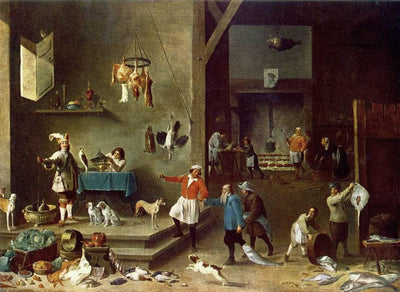
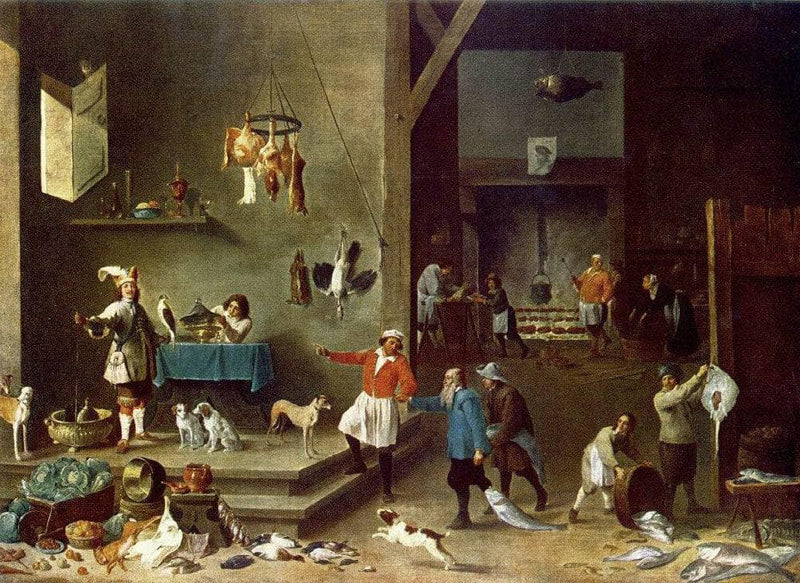
David Teniers the Younger created "The Kitchen" during the vibrant 17th century, a period marked by the flourishing of Flemish art. This era saw a rise in genre painting, where artists depicted everyday life with remarkable detail. Teniers, influenced by the Baroque style, captured the essence of domesticity, showcasing the warmth and bustle of kitchen life. His work reflects the cultural richness of Flanders, a region known for its artistic innovation and craftsmanship.
Born in 1610 in Antwerp, Teniers was a prominent figure in the art world. He became known for his ability to blend realism with a touch of idealism. His father, a painter, greatly influenced his early artistic development. Teniers traveled extensively, which enriched his understanding of various artistic styles. He eventually became the court painter to the Archduke Leopold Wilhelm of Austria, further solidifying his reputation.
Domestic scenes like "The Kitchen" hold significant cultural value. They provide a window into the daily lives of ordinary people in 17th century Flanders. Teniers' portrayal of domesticity highlights the importance of family and community. These scenes often reflect social hierarchies and gender roles, making them essential for understanding the historical context of the time.
Teniers masterfully employed chiaroscuro, the contrast of light and shadow, to create depth in "The Kitchen." The warm glow of the fire illuminates the figures, enhancing the sense of warmth and activity. This technique draws the viewer's eye to the central action, making the kitchen feel alive and inviting.
The color palette in "The Kitchen" is rich and earthy, featuring warm browns, deep reds, and soft yellows. These colors symbolize comfort and abundance, reflecting the nurturing aspect of the kitchen. Teniers' choice of colors evokes a sense of homeliness, inviting viewers to appreciate the simple joys of daily life.
The figures in "The Kitchen" are animated and expressive. Teniers captures their gestures and facial expressions with remarkable skill. The woman stirring the pot exudes concentration, while the children play nearby, embodying the lively spirit of family life. These details add a narrative quality to the painting, engaging viewers in the scene.
"The Kitchen" offers a fascinating glimpse into culinary practices of the time. Teniers illustrates the preparation of food, showcasing the importance of cooking in family life. The kitchen serves as a hub of activity, where meals are prepared and shared, emphasizing the role of food in fostering community and connection.
The painting reflects traditional gender roles, with women primarily depicted in domestic spaces. Teniers highlights the woman's role as the caregiver and nurturer. However, the presence of children and men in the scene suggests a collaborative family dynamic, showcasing the interconnectedness of domestic life.
Food in "The Kitchen" symbolizes abundance and prosperity. Teniers uses food items, such as fruits and vegetables, to convey a sense of wealth and nourishment. This symbolism resonates with the viewer, reminding them of the importance of sustenance and the joy of sharing meals with loved ones.
Teniers' style blends realism with idealism, creating a captivating visual experience. His attention to detail brings the kitchen to life, while his idealized figures embody the virtues of domesticity. This balance allows viewers to appreciate both the beauty and the authenticity of the scene.
The textural details in "The Kitchen" are striking. Teniers skillfully contrasts the rough surfaces of the kitchen with the softness of fabrics. The interplay of textures adds depth to the painting, inviting viewers to explore the tactile qualities of the scene.
Teniers employed glazing and layering techniques to achieve luminosity in "The Kitchen." These methods enhance the richness of colors and create a sense of depth. The careful application of paint allows light to interact with the surface, giving the scene a vibrant, dynamic quality.
When compared to other works by Teniers, "The Kitchen" stands out for its intimate portrayal of domestic life. While he often depicted larger scenes of merriment and celebration, this painting focuses on the quieter moments of everyday existence. This shift in focus highlights Teniers' versatility as an artist.
Kitchens are a recurring motif in Teniers' oeuvre. His fascination with domestic life is evident in many of his paintings. By consistently returning to this theme, Teniers emphasizes the importance of home and family in 17th century society.
Throughout his career, Teniers' style evolved significantly. Early works display a more rigid composition, while later pieces, including "The Kitchen," showcase a greater fluidity and dynamism. This evolution reflects Teniers' growing mastery of technique and his deepening understanding of human emotion.
"The Kitchen" has left a lasting impact on genre painting. Teniers' ability to capture the essence of daily life inspired countless artists. His work paved the way for future generations to explore domestic themes, making him a pivotal figure in art history.
Contemporary artists often reference Teniers' work, drawing inspiration from his depictions of domesticity. "The Kitchen" continues to resonate, reminding us of the timeless nature of family and home. Modern interpretations may explore these themes through different mediums, but Teniers' influence remains evident.
Art educators frequently use "The Kitchen" to teach students about genre painting and the significance of domestic scenes. Its rich detail and historical context provide valuable insights into 17th century life. By studying Teniers' work, students gain a deeper appreciation for the artistry and storytelling inherent in painting.
"The Kitchen" is significant for its portrayal of 17th century domestic life, reflecting social norms and cultural values of the time.
The painting captures the essence of daily routines, showcasing culinary practices and family interactions in a typical Flemish household.
Teniers employed chiaroscuro, glazing, and layering techniques to create depth, luminosity, and texture in the painting.
The themes of domesticity, gender roles, and the symbolism of food and abundance are central to the narrative of "The Kitchen."
Unlike Teniers' more celebratory works, "The Kitchen" focuses on intimate, everyday moments, showcasing his versatility as an artist.
Reproductions of "The Kitchen" offer a superior alternative to prints, capturing the intricate details and vibrant colors of the original painting. They provide a more authentic experience, allowing art lovers to appreciate Teniers' craftsmanship in their own homes.
"The Kitchen" has been featured in various exhibitions highlighting Flemish art and genre painting. These exhibitions often explore Teniers' influence and the cultural context of his work.

Discover some of our latest oil paintings, each one carefully hand-painted on canvas.
At Art & See, we're committed to delivering the highest quality art reproductions. Our team of expert artists and state-of-the-art processes ensure that each piece is a masterpiece in its own right.

Experience your masterpiece's creation through daily photos from our expert artists, each with 15+ years of experience.

Your artwork travels first class via UPS, FedEx, or DHL, protected by museum-grade packaging for safe delivery.

Review unedited photos of your finished painting and request unlimited free revisions before it ships. We only ship when you say it's perfect.

Every piece is crafted with archival materials, UV-resistant finishes, and premium British paints to last generations.
Yes, 100% hand-painted with oil on canvas by artists with 15+ years of experience. No prints, no digital shortcuts. You'll see and feel real brushstrokes, just like the original David Teniers the Younger masterpiece.
Your The Kitchen reproduction takes 2–5 weeks to hand-paint depending on size and detail. Once approved, shipping takes 5–8 days via FedEx, UPS, or DHL with full tracking. Free worldwide shipping included.
Absolutely. Once your The Kitchen is complete, we send you unedited photos, a full view and close-up details. Request unlimited free revisions until you're 100% satisfied. We don't ship until you say "yes."
Every painting goes through our Preview & Approve process: you receive unedited photos of your finished David Teniers the Younger reproduction and can request unlimited free revisions before it ships. We only ship when you say it's perfect. If after delivery you have any concerns, contact us at [email protected] and our team will work with you on the best path forward.
Professional-grade oil paints (Windsor & Newton) on premium linen canvas with UV-resistant protective coating. Museum-grade materials built to last generations, the same quality used in galleries worldwide.
Our artists specialize in David Teniers the Younger's technique: color accuracy, brushwork, and composition are matched to the original. Every reproduction goes through quality review before your approval photos are taken.
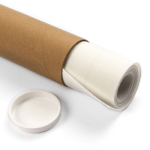
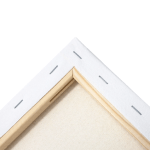
Every painting is insured and delivered door-to-door. Unframed paintings ship in protective hard tubes. Framed paintings are bubble-wrapped in sturdy boxes. If anything arrives damaged, we repair or replace it free.
Dive into the vibrant world of Historic Art. Discover your next painting today.