The Enigmatic Charm of "The Sunday Hunting" by Carl Spitzweg
Exploring the Artistic Context of Carl Spitzweg
The Life and Times of Carl Spitzweg: A Glimpse into the 19th Century
Carl Spitzweg, born in 1808 in Munich, was a prominent figure in 19th-century German art. He lived during a time of great social and political change, marked by the rise of
Romanticism. This movement celebrated emotion,
nature, and individualism, all of which influenced Spitzweg's artistic vision. He began his career as a pharmacist but soon turned to painting, where he found his true passion. His works often reflect the idyllic life of the middle class, showcasing their leisure activities and aspirations.
Romanticism and Its Influence on Spitzweg's Work
Romanticism played a crucial role in shaping Spitzweg's artistic style. This movement emphasized the beauty of nature and the importance of personal experience. Spitzweg's paintings often depict serene landscapes and charming characters, inviting viewers to escape into a world of tranquility. His ability to blend humor with sentimentality makes his work relatable and timeless, allowing audiences to connect with the emotions portrayed in his art.
Spitzweg's Unique Style: A Blend of Humor and Sentimentality
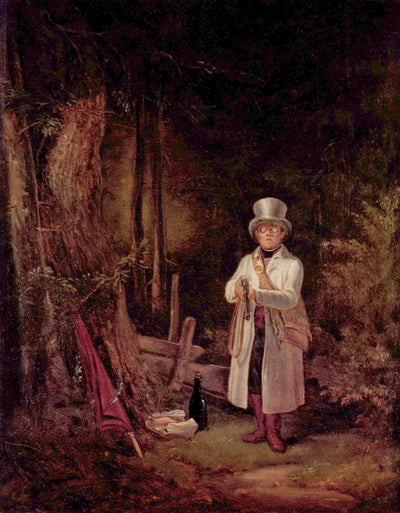
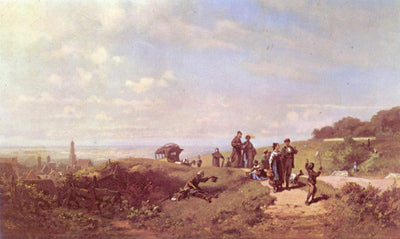
Spitzweg's style is characterized by a delightful mix of whimsy and warmth. He often infused his paintings with a sense of humor, capturing the quirks of everyday life. In "The Sunday Hunting," he portrays hunters in a light-hearted manner, emphasizing the joy of leisure rather than the seriousness of the hunt. This unique approach sets Spitzweg apart from his contemporaries, making his work both engaging and thought-provoking.
Unpacking the Visual Elements of "The Sunday Hunting"
Composition and Color Palette: A Study in Harmony
"The Sunday Hunting" features a harmonious composition that draws the viewer's eye across the canvas. The warm, earthy color palette evokes a sense of nostalgia and comfort. Spitzweg skillfully uses light and shadow to create depth, enhancing the overall atmosphere of the scene. The arrangement of figures and landscape elements invites viewers to immerse themselves in the tranquil setting.
Character Analysis: The Hunters and Their Expressions
The hunters in "The Sunday Hunting" are depicted with expressive faces that convey a range of emotions. Their relaxed postures and cheerful expressions reflect the joy of their outing. Spitzweg captures the camaraderie among the hunters, showcasing their shared experience in nature. This focus on human emotion adds a layer of relatability to the painting, inviting viewers to reflect on their own experiences of leisure and friendship.
Symbolism in the Landscape: Nature as a Silent Witness
The lush landscape in "The Sunday Hunting" serves as a silent witness to the hunters' activities. The
trees,
fields, and distant hills symbolize the beauty of the natural world, which plays a vital role in human enjoyment. Spitzweg's portrayal of nature emphasizes its importance in providing a backdrop for leisure and reflection. This connection between humanity and nature resonates deeply, reminding viewers of the simple pleasures found in the outdoors.
Thematic Exploration: Leisure and the Human Experience
Hunting as a Metaphor: The Pursuit of Happiness
In "The Sunday Hunting," hunting transcends its literal meaning to become a metaphor for the pursuit of happiness. The act of hunting represents the joy of leisure and the importance of taking time for oneself. Spitzweg encourages viewers to appreciate the moments of joy found in everyday life, highlighting the significance of leisure in achieving personal fulfillment.
Social Commentary: Class and Leisure in 19th Century Germany
Spitzweg's work often reflects the social dynamics of 19th-century Germany. "The Sunday Hunting" subtly comments on the leisure activities of the middle class, showcasing their desire for relaxation and enjoyment. The painting captures a moment of escape from the pressures of daily life, illustrating the importance of leisure in a rapidly changing society. This social commentary adds depth to the artwork, inviting viewers to consider the broader implications of their own leisure pursuits.
The Role of Nature in Human Enjoyment and Reflection
Nature plays a central role in "The Sunday Hunting," serving as a source of inspiration and reflection. The serene landscape invites viewers to pause and appreciate the beauty around them. Spitzweg's depiction of nature encourages a sense of mindfulness, reminding us of the importance of connecting with the natural world. This theme resonates with audiences today, as many seek solace and joy in outdoor experiences.
Historical Significance of "The Sunday Hunting"
Art Movements and Their Impact on Spitzweg's Work
"The Sunday Hunting" is a prime example of how art movements influenced Spitzweg's work. The Romantic movement's focus on emotion and nature is evident in this painting. Spitzweg's ability to capture the essence of leisure and the human experience reflects the broader artistic trends of his time. His work continues to inspire artists and art lovers alike, showcasing the enduring impact of Romanticism.
Reception and Legacy: How the Painting Influenced Future Artists
Upon its release, "The Sunday Hunting" received acclaim for its charming portrayal of leisure. Spitzweg's unique style and thematic focus influenced many artists who followed. His ability to blend humor with sentimentality paved the way for future generations to explore similar themes in their work. The painting remains a beloved piece in the art world, celebrated for its timeless appeal and emotional resonance.
Exhibitions and Collections: Where to Experience the Original
Art enthusiasts can experience the original "The Sunday Hunting" at the Neue Pinakothek in Munich, Germany. This museum houses an impressive collection of 19th-century art, showcasing Spitzweg's work alongside other notable artists of the era. Visiting the museum offers a unique opportunity to appreciate the painting in person, allowing viewers to connect with its beauty and historical significance.
Comparative Analysis: "The Sunday Hunting" and Other Works by Spitzweg
Contrasting Themes: Hunting vs. Other Leisure Activities in Spitzweg's Art
While "The Sunday Hunting" focuses on the theme of hunting, Spitzweg's portfolio includes various leisure activities. His other works, such as "The Bookworm," explore different aspects of human enjoyment. This contrast highlights Spitzweg's versatility as an artist, showcasing his ability to capture the essence of leisure in multiple forms.
Visual Techniques: Similarities and Differences with "The Bookworm"
Spitzweg employs similar visual techniques in both "The Sunday Hunting" and "The Bookworm." Both paintings feature detailed backgrounds and expressive characters. However, "The Sunday Hunting" emphasizes outdoor leisure, while "The Bookworm" focuses on indoor pursuits. This distinction showcases Spitzweg's range and his ability to convey different moods and settings through his art.
Character Depictions: A Look at Human Emotion Across Spitzweg's Portfolio
Spitzweg's character depictions consistently reflect human emotion, whether in "The Sunday Hunting" or other works. His ability to capture joy, contemplation, and camaraderie resonates with viewers. Each character tells a story, inviting audiences to connect with their experiences. This focus on emotion is a hallmark of Spitzweg's style, making his work relatable and timeless.
Understanding the Reproduction of "The Sunday Hunting"
The Importance of Art Reproductions in Cultural Preservation
Art reproductions play a vital role in preserving
cultural heritage. They allow art lovers to experience iconic works like "The Sunday Hunting" in their own homes. High-quality reproductions capture the essence of the original painting, making art accessible to a broader audience. This accessibility fosters appreciation for the arts and encourages a deeper understanding of historical works.
How Reproductions Enhance Art Appreciation and Accessibility
Reproductions of "The Sunday Hunting" enhance art appreciation by providing a tangible connection to the original. Unlike prints, which can lack detail and vibrancy, art reproductions offer a superior experience. They allow viewers to appreciate the nuances of color and texture, bringing the painting to life. This enhanced experience fosters a greater understanding of Spitzweg's artistic vision.
Choosing the Right Reproduction: What to Look For
When selecting a reproduction of "The Sunday Hunting," consider factors such as quality, detail, and authenticity. Look for reproductions that use high-quality materials and techniques to ensure longevity. A well-crafted reproduction will capture the spirit of the original painting, allowing you to enjoy its beauty for years to come. Investing in a superior reproduction is a wonderful way to celebrate Spitzweg's legacy.
FAQs About "The Sunday Hunting" by Carl Spitzweg
What is the story behind "The Sunday Hunting"?
"The Sunday Hunting" depicts a group of hunters enjoying a leisurely day in nature. The painting captures the joy of leisure and the camaraderie among friends, reflecting Spitzweg's appreciation for the simple pleasures of life.
What techniques did Carl Spitzweg use in this painting?
Spitzweg employed oil painting techniques, using a warm color palette and detailed brushwork to create depth and emotion. His skillful use of light enhances the overall atmosphere of the scene.
How does "The Sunday Hunting" reflect the social norms of its time?
The painting reflects the leisure activities of the middle class in 19th-century Germany. It highlights the importance of leisure and the desire for relaxation amidst the social changes of the era.
What emotions does the painting evoke in viewers?
Viewers often feel a sense of joy and nostalgia when looking at "The Sunday Hunting." The cheerful expressions of the hunters and the serene landscape create a feeling of warmth and contentment.
Where can I see the original "The Sunday Hunting" painting?
The original painting is housed at the Neue Pinakothek in Munich, Germany, where visitors can appreciate its beauty and historical significance.
What should I know about reproductions of "The Sunday Hunting"?
Reproductions offer a way to enjoy the beauty of "The Sunday Hunting" in your own space. They provide a more authentic experience than prints, capturing the details and colors of the original painting.
Are there different styles of reproductions available for this painting?
Yes, there are various styles of reproductions available, including canvas and framed options. Each style offers a unique way to display the artwork, allowing you to choose one that fits your aesthetic preferences.
 4.9/5
4.9/5