 4.9/5
4.9/5






SAMPLES OF QUALITY
Recent Hand-Painted Reproductions
Discover some of our latest oil paintings, each one carefully hand-painted on canvas.

AS SEEN IN





Handmade Oil Painting on Canvas Art Reproduction, Museum-quality

The six dominant colors measured from the painting, with the share of canvas each one covers. Click a swatch to copy its hex code.
Processing & Shipping Time
Your delivery time includes two parts:
Shipping Methods
We ship with trusted couriers like FedEx, UPS, and DHL. Every shipment includes a tracking code.
Our goal is to deliver your order safely and quickly.
Shipment Safety Measures
We handle your products with care so they arrive in perfect condition:
Every product is insured and delivered right to your door, so you can feel confident buying from us.
Every Art & See painting is created by artists with 15+ years of experience using professional-grade oil paints and premium linen canvas with UV-resistant protective coating, the same museum-grade materials used in galleries worldwide. Each piece goes through quality review before your approval photos are taken. If after delivery you have any concerns about your painting, contact us at [email protected] and our team will work with you on the best path forward.
Full Warranty
Every painting is protected against physical damage during shipping. If your painting arrives damaged, we repair or replace it, free of charge.
Coverage Details
Transit damage (crushed, torn, water damage): we repair or replace at no cost. Please note that damages resulting from accidents or inappropriate use are not covered under this warranty.
Repair or Replace
Depending on the extent of damage, the affected painting will either be repaired or replaced at no additional cost to you.
Free Service
All warranty services are provided absolutely free of charge.
We want you to absolutely love your handmade artwork. Here's how it works:
In the rare case you approve the photos and the artwork has been shipped and delivered to you, and you still want additional modification requests, we can handle it as a courtesy at our discretion. If accepted, you cover the return shipping cost.
| Type | Hand-Painted Oil Painting Reproduction |
| Original Artist | Antoine Pesne |
| Price Range | $350 to $1,150 |
| Shipping | Free Worldwide |
| Quality | Preview & Approve Before Shipping |
| Medium | Oil on Canvas |
| Canvas | Museum-Grade Linen Canvas |
| Technique | Hand-painted brushstroke-by-brushstroke |
| Art Style | Rococo |
| Period | 18th Century |
| Artist Nationality | German |
| Orientation | Vertical |
| Subject | Portraits, Portraits female, Portraits male |
| Available Sizes | 7 (14'' W × 22'' H to 47'' W × 74'' H, including the original size), plus custom sizes |
| Framing Options | Unframed, Stretched Canvas, Classic & Modern Frames |
| Delivery | 14–28 business days |
| Size | 140 × 221 cm (55 × 87 in) |
| Year | 1745 |
The Rococo movement emerged in the early 18th century, characterized by its ornate style, playful themes, and light-hearted elegance. This artistic period celebrated beauty, grace, and the pleasures of life, often depicted through intricate details and soft colors. Rococo artists sought to capture the fleeting moments of joy, making it a perfect backdrop for portraiture that highlighted the charm and sophistication of their subjects.
Antoine Pesne, a prominent French painter, played a crucial role in the Rococo movement. Born in 1683 in Berlin, he became known for his exquisite portraits that combined realism with a touch of fantasy. His ability to convey personality and emotion through brushwork set him apart from his contemporaries. Pesne's works often featured the elite of society, showcasing their status and grace, making him a sought-after artist in the courts of Europe.
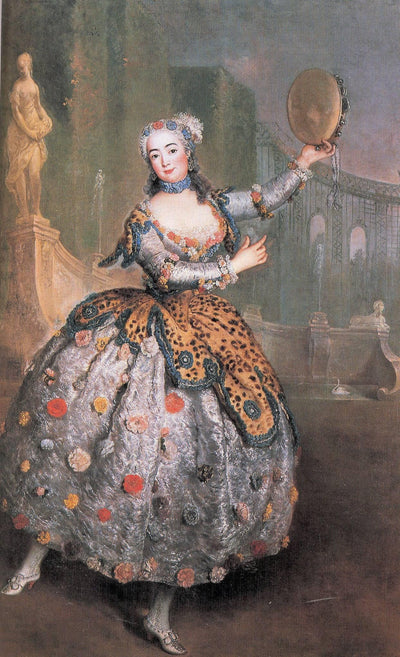
Barbara Campanini, famously known as La Barbarina, was a celebrated dancer of the 18th century. Her performances mesmerized audiences across Europe, particularly in France, where she became a sensation at the court of Louis XV. La Barbarina's unique style blended Italian ballet with French dance, creating a captivating fusion that left a lasting impact on the performing arts. Her charisma and talent made her an iconic figure, inspiring countless artists and dancers.
Born in 1719 in Italy, Barbara Campanini's journey to fame began at a young age. She trained rigorously in dance, honing her skills and developing a distinctive style. Her move to France marked a turning point in her career, as she quickly gained recognition for her extraordinary talent. La Barbarina's performances at the Paris Opera captivated audiences, solidifying her status as a leading dancer of her time.
La Barbarina's influence extended beyond her performances. She played a pivotal role in shaping the evolution of ballet, inspiring future generations of dancers. Her innovative choreography and expressive movements contributed to the development of theatrical dance, making her a key figure in the history of performance art. The legacy of La Barbarina continues to resonate in contemporary dance, where her techniques and style are still celebrated.
Despite her fame, La Barbarina maintained an air of mystery. Her personal life was often shrouded in intrigue, with rumors and speculation surrounding her relationships and lifestyle. This enigmatic persona only added to her allure, making her a subject of fascination for both the public and artists alike. Her ability to blend her personal narrative with her artistic expression created a compelling image that transcended her time.
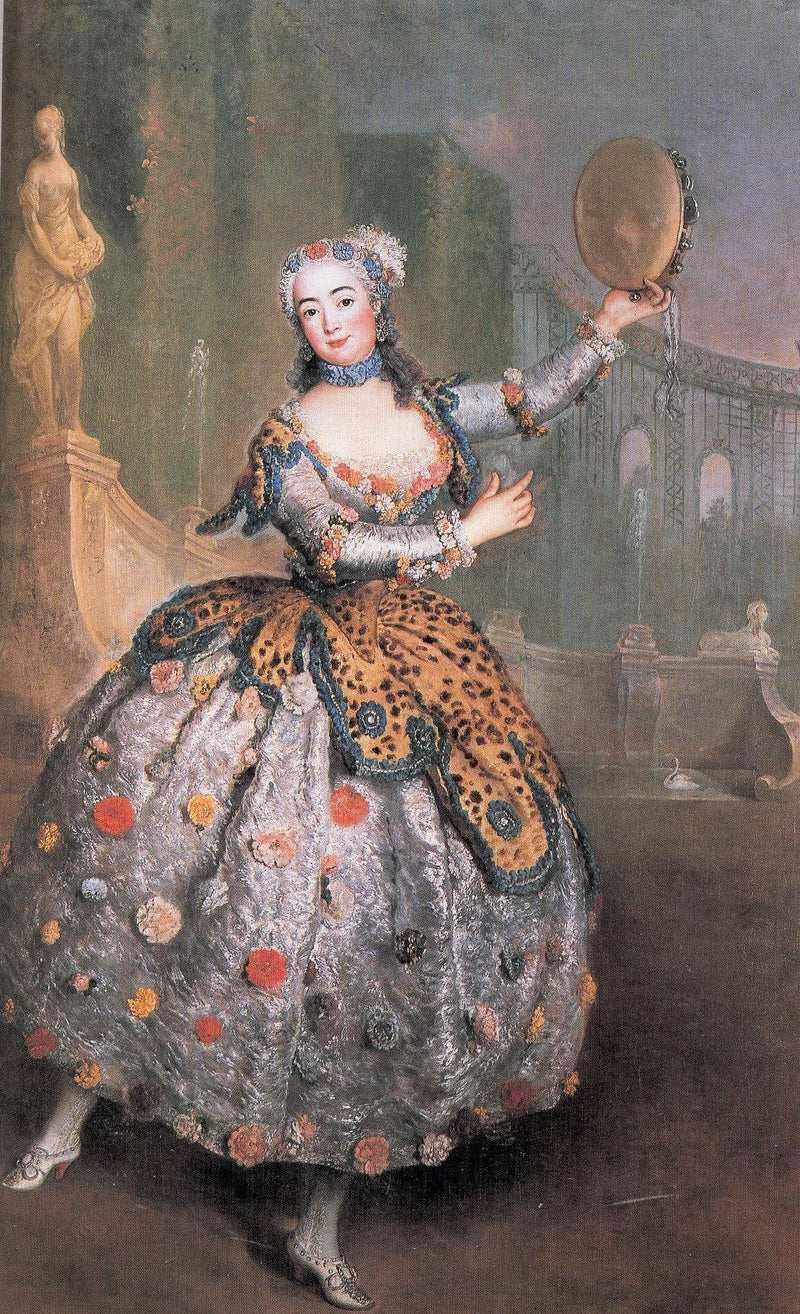
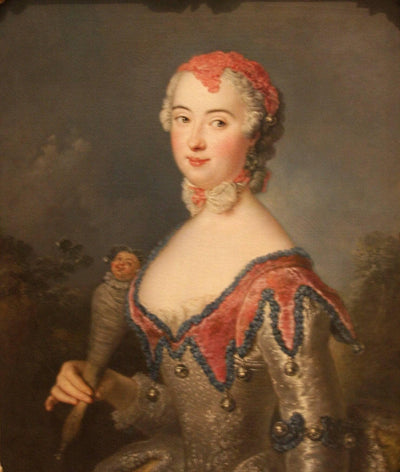
Antoine Pesne's mastery of oil painting is evident in his portrayal of La Barbarina. His brushwork is fluid and dynamic, capturing the essence of movement and grace. The vibrant color palette he employed enhances the liveliness of the portrait, with rich reds, soft pastels, and deep greens that evoke the opulence of the Rococo era. Each stroke contributes to the overall harmony of the composition, inviting viewers to appreciate the beauty of the subject.
The composition of La Barbarina's portrait is striking. Pesne captures her in a dynamic pose, suggesting movement and energy. This choice reflects the dancer's profession and adds a sense of life to the painting. The careful arrangement of elements within the frame draws the viewer's eye to La Barbarina, emphasizing her elegance and poise. The balance between the subject and the background creates a captivating visual experience.
Pesne's portrait is rich in symbolism, reflecting themes of beauty, grace, and the ephemeral nature of performance. The dancer's pose symbolizes freedom and expression, while the flowing fabric of her costume suggests motion. This interplay of elements captures the essence of dance, inviting viewers to appreciate the artistry involved in both the painting and the performance. The portrait serves as a timeless reminder of the beauty of artistic expression.
La Barbarina's facial expression is one of joy and confidence. Her serene smile and bright eyes convey the passion she felt for her art. This emotional depth adds a layer of connection between the viewer and the subject, making the portrait more than just a representation; it becomes a glimpse into the dancer's soul. Pesne's ability to capture this emotion is a testament to his skill as a portrait artist.
The costume worn by La Barbarina is a stunning example of 18th-century fashion. The intricate details, from the delicate lace to the vibrant colors, reflect the opulence of the Rococo period. Pesne's attention to these details not only highlights the dancer's status but also immerses the viewer in the cultural context of the time. The costume serves as a visual narrative, telling a story of elegance and artistry.
The background of the portrait complements La Barbarina's figure, providing context to her performance. Soft, muted tones create a serene atmosphere, allowing the dancer to stand out as the focal point. This thoughtful setting enhances the overall composition, inviting viewers to imagine the world in which La Barbarina thrived. The background serves as a canvas that supports the narrative of the dancer's life and artistry.
La Barbarina's portrait has left an indelible mark on both artists and dancers. Contemporary painters often draw inspiration from Pesne's work, emulating his techniques and themes in their own creations. Dancers, too, look to La Barbarina as a symbol of grace and innovation, embodying the spirit of artistic expression. Her legacy continues to inspire new generations, bridging the gap between past and present.
Upon its unveiling, La Barbarina's portrait received acclaim for its beauty and technical prowess. Critics praised Pesne's ability to capture the essence of the dancer, noting the emotional depth and vibrancy of the work. The portrait became a celebrated piece within the Rococo movement, admired for its elegance and charm. This positive reception solidified both Pesne's and La Barbarina's places in art history.
Today, La Barbarina's legacy endures in various forms of art and culture. Her image continues to inspire ballet performances, fashion designs, and visual art. The portrait serves as a historical reference, reminding us of the rich tapestry of dance and its impact on society. La Barbarina's story is woven into the fabric of art history, celebrated for her contributions to dance and performance.
When comparing Pesne's work to other Rococo artists, his unique style stands out. While many artists focused on elaborate settings and intricate details, Pesne emphasized the subject's personality and emotion. This approach creates a more intimate connection between the viewer and the subject, setting his portraits apart in the Rococo canon. His ability to blend realism with the fantastical is a hallmark of his artistry.
La Barbarina's portrait shares similarities with other dance portraits from the Rococo period, particularly in its celebration of movement and grace. Artists like Jean-Baptiste-Siméon Chardin and François Boucher also captured dancers, highlighting the elegance and beauty of the art form. However, Pesne's focus on emotional expression and dynamic composition gives La Barbarina's portrait a distinctive edge, making it a standout piece.
The evolution of dance portraiture can be traced from Pesne's time to the present day. His innovative approach laid the groundwork for future artists to explore the intersection of dance and visual art. Today, contemporary artists continue to draw inspiration from La Barbarina's legacy, experimenting with new techniques and themes that reflect the ongoing dialogue between movement and artistry. This evolution showcases the enduring impact of Pesne's work.
The pose in La Barbarina's portrait signifies movement and grace, reflecting her identity as a dancer. It captures the essence of her art, inviting viewers to appreciate the beauty of dance.
Barbara Campanini, or La Barbarina, influenced the art of dance by blending Italian and French styles, creating a unique performance that inspired future generations of dancers.
Antoine Pesne used oil paints on canvas for this portrait, allowing for rich colors and detailed textures that enhance the vibrancy of the artwork.
The original Portrait of La Barbarina is housed in a prestigious museum, where it is part of the collection showcasing 18th-century art and Rococo masterpieces.
Pesne's depiction of La Barbarina explores themes of beauty, grace, and the ephemeral nature of performance, capturing the emotional depth of the dancer's art.
This painting reflects the Rococo style through its ornate details, vibrant colors, and emphasis on elegance and charm, characteristic of the artistic movement.
When reproducing this artwork, it's important to note that painting reproductions offer a superior quality compared to prints. They capture the texture and depth of the original, providing a more authentic experience.

Discover some of our latest oil paintings, each one carefully hand-painted on canvas.
At Art & See, we're committed to delivering the highest quality art reproductions. Our team of expert artists and state-of-the-art processes ensure that each piece is a masterpiece in its own right.

Experience your masterpiece's creation through daily photos from our expert artists, each with 15+ years of experience.

Your artwork travels first class via UPS, FedEx, or DHL, protected by museum-grade packaging for safe delivery.

Review unedited photos of your finished painting and request unlimited free revisions before it ships. We only ship when you say it's perfect.

Every piece is crafted with archival materials, UV-resistant finishes, and premium British paints to last generations.

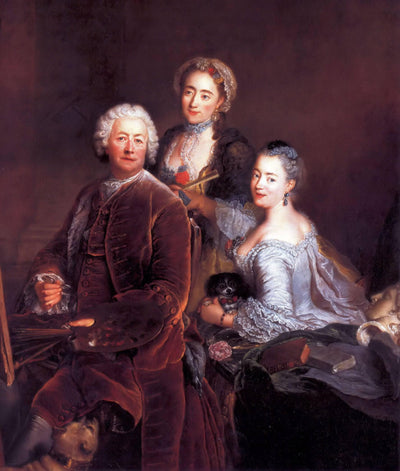


Yes, 100% hand-painted with oil on canvas by artists with 15+ years of experience. No prints, no digital shortcuts. You'll see and feel real brushstrokes, just like the original Antoine Pesne masterpiece.
Your Portrait of the dancer Barbara Campanini aka La Barbarina reproduction takes 2–5 weeks to hand-paint depending on size and detail. Once approved, shipping takes 5–8 days via FedEx, UPS, or DHL with full tracking. Free worldwide shipping included.
Absolutely. Once your Portrait of the dancer Barbara Campanini aka La Barbarina is complete, we send you unedited photos, a full view and close-up details. Request unlimited free revisions until you're 100% satisfied. We don't ship until you say "yes."
Every painting goes through our Preview & Approve process: you receive unedited photos of your finished Antoine Pesne reproduction and can request unlimited free revisions before it ships. We only ship when you say it's perfect. If after delivery you have any concerns, contact us at [email protected] and our team will work with you on the best path forward.
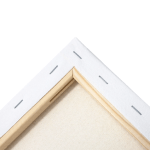
Professional-grade oil paints (Windsor & Newton) on premium linen canvas with UV-resistant protective coating. Museum-grade materials built to last generations, the same quality used in galleries worldwide.
Our artists specialize in Antoine Pesne's technique: color accuracy, brushwork, and composition are matched to the original. Every reproduction goes through quality review before your approval photos are taken.
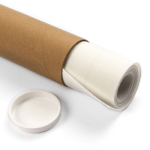
Every painting is insured and delivered door-to-door. Unframed paintings ship in protective hard tubes. Framed paintings are bubble-wrapped in sturdy boxes. If anything arrives damaged, we repair or replace it free.
Dive into the vibrant world of Historic Art. Discover your next painting today.
