4.9/5
4.9/5








SAMPLES OF QUALITY
Recent Hand-Painted Reproductions
Discover some of our latest oil paintings, each one carefully hand-painted on canvas.

AS SEEN IN





Handmade Oil Painting on Canvas Art Reproduction, Museum-quality

The six dominant colors measured from the painting, with the share of canvas each one covers. Click a swatch to copy its hex code.
Processing & Shipping Time
Your delivery time includes two parts:
Shipping Methods
We ship with trusted couriers like FedEx, UPS, and DHL. Every shipment includes a tracking code.
Our goal is to deliver your order safely and quickly.
Shipment Safety Measures
We handle your products with care so they arrive in perfect condition:
Every product is insured and delivered right to your door, so you can feel confident buying from us.
Every Art & See painting is created by artists with 15+ years of experience using professional-grade oil paints and premium linen canvas with UV-resistant protective coating, the same museum-grade materials used in galleries worldwide. Each piece goes through quality review before your approval photos are taken. If after delivery you have any concerns about your painting, contact us at [email protected] and our team will work with you on the best path forward.
Full Warranty
Every painting is protected against physical damage during shipping. If your painting arrives damaged, we repair or replace it, free of charge.
Coverage Details
Transit damage (crushed, torn, water damage): we repair or replace at no cost. Please note that damages resulting from accidents or inappropriate use are not covered under this warranty.
Repair or Replace
Depending on the extent of damage, the affected painting will either be repaired or replaced at no additional cost to you.
Free Service
All warranty services are provided absolutely free of charge.
We want you to absolutely love your handmade artwork. Here's how it works:
In the rare case you approve the photos and the artwork has been shipped and delivered to you, and you still want additional modification requests, we can handle it as a courtesy at our discretion. If accepted, you cover the return shipping cost.
| Type | Hand-Painted Oil Painting Reproduction |
| Original Artist | Anthony van Dyck |
| Price Range | $249.95 to $1,149.95 |
| Shipping | Free Worldwide |
| Returns | 90-Day Returns |
| Medium | Oil on Canvas |
| Canvas | Museum-Grade Linen Canvas |
| Technique | Hand-painted brushstroke-by-brushstroke |
| Art Style | Baroque |
| Period | 17th Century |
| Artist Nationality | Flemish |
| Orientation | Square |
| Subject | Portraits, Portraits group |
| Available Sizes | 7 (16'' W × 16'' H to 60'' W × 60'' H) |
| Framing Options | Unframed, Stretched Canvas, Classic & Modern Frames |
| Delivery | 14–28 business days |
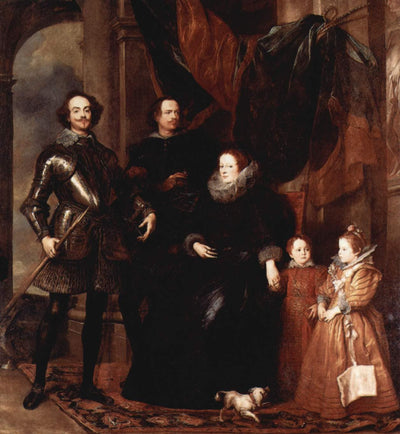
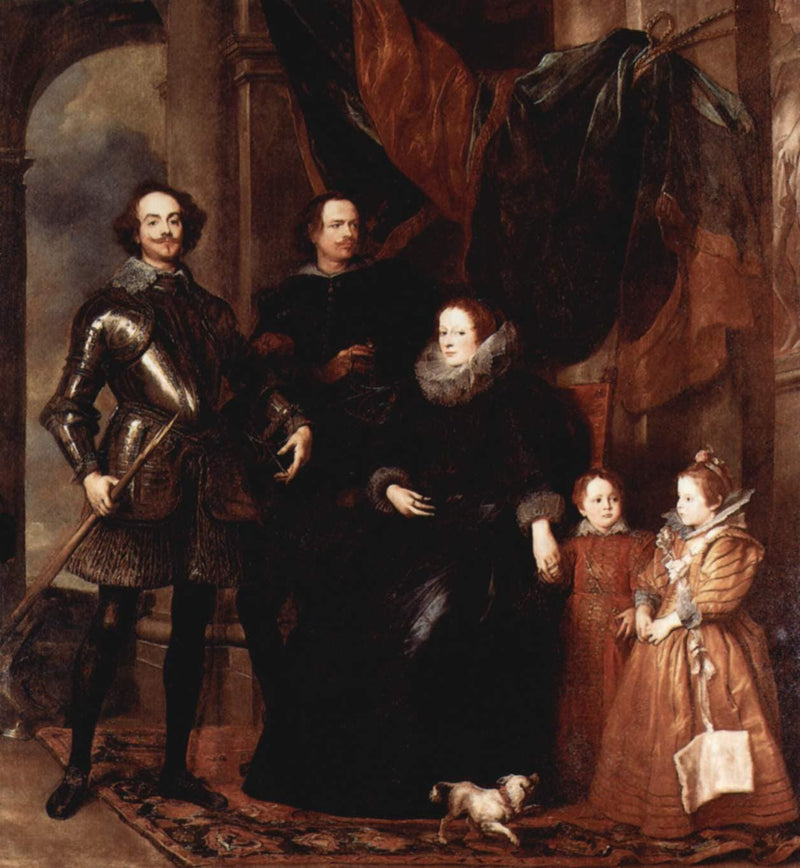
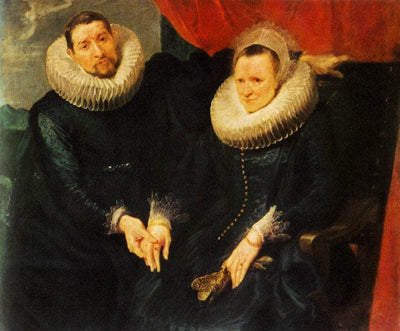
The Lomellini Family portrait, painted by the renowned Flemish artist Anthony van Dyck in the early 17th century, captures a pivotal moment in art history. This period, known as the Baroque era, was characterized by dramatic expressions, rich colors, and intricate details. Artists like Van Dyck revolutionized portraiture, moving away from rigid forms to more dynamic and engaging compositions. The painting reflects the opulence and social structures of the time, showcasing the wealth and status of the Lomellini family in Genoa, Italy.
Anthony van Dyck was a master of portraiture, known for his ability to convey personality and emotion through his subjects. His innovative techniques set new standards in the art world. Van Dyck's portraits often featured a blend of realism and idealism, allowing viewers to connect with the figures on a personal level. His work influenced countless artists, establishing a legacy that continues to resonate in contemporary portrait painting.
Family portraits were significant in Baroque art, serving as a means to display lineage, wealth, and social standing. The Lomellini Family portrait exemplifies this tradition, highlighting the importance of familial bonds and heritage. In an era where family lineage was paramount, such artworks became a visual testament to the family's status and legacy.
The composition of The Lomellini Family is meticulously arranged, with each figure positioned to create a sense of harmony and balance. The central placement of the family members draws the viewer's eye, emphasizing their unity. The careful arrangement reflects the family's social hierarchy, with the patriarch and matriarch prominently displayed, flanked by their children.
The clothing in The Lomellini Family is rich in symbolism, showcasing the family's wealth and status. The luxurious fabrics, intricate lace, and ornate jewelry speak to their high social standing. Each garment is carefully chosen to reflect the personality and role of the individual within the family unit, adding depth to the narrative of the painting.
Van Dyck's use of color in The Lomellini Family is striking. He employs a warm palette, with deep reds, rich golds, and soft creams that create a sense of intimacy. The interplay of light and shadow enhances the three-dimensionality of the figures, drawing attention to their expressions and gestures. This masterful use of chiaroscuro adds drama and depth to the composition.
The Lomellini Family consists of several key figures, each with distinct characteristics. The patriarch, Giovanni Lomellini, exudes authority and pride, while his wife, the matriarch, radiates grace and warmth. Their children, depicted with youthful exuberance, represent the future of the family, each showcasing unique traits that contribute to the overall narrative of the painting.
The expressions and gestures of the figures in The Lomellini Family reveal much about their relationships and personalities. The subtle smiles and confident postures suggest a close-knit family dynamic. Van Dyck captures fleeting moments of interaction, allowing viewers to glimpse the affection and camaraderie shared among family members.
The interpersonal dynamics within The Lomellini Family are palpable. The way the figures lean towards one another and the gentle touches convey a sense of intimacy and connection. This portrayal of familial love and support is a hallmark of Van Dyck's work, making the painting resonate with viewers on an emotional level.
Van Dyck's brushwork in The Lomellini Family is both delicate and bold. He skillfully blends fine details with broader strokes, creating a rich texture that brings the painting to life. The meticulous rendering of fabrics and skin tones showcases his technical prowess, inviting viewers to appreciate the craftsmanship behind the artwork.
The use of chiaroscuro in The Lomellini Family is a defining feature of Van Dyck's style. He expertly manipulates light and shadow to create depth and dimension. This technique not only enhances the realism of the figures but also adds a dramatic flair that captivates the viewer's attention.
Van Dyck employs innovative composition techniques in The Lomellini Family, such as diagonal lines and asymmetry, to create a dynamic visual experience. This approach draws the viewer's eye across the canvas, encouraging exploration of each figure and their interactions. The result is a lively and engaging portrait that feels both intimate and grand.
The Lomellini Family portrait holds significant cultural importance in Italian art history. It reflects the values and aspirations of the Genoese elite during the Baroque period. The painting not only serves as a historical document but also as a celebration of family and social status, influencing how families commissioned portraits in the years to come.
The legacy of the Lomellini Family extends beyond this single painting. Their prominence in Genoese society and their connection to Van Dyck's artistry have cemented their place in art history. The portrait continues to be studied and admired, offering insights into the social fabric of 17th-century Italy.
Van Dyck's innovative approach to family portraits, as seen in The Lomellini Family, set a new standard for future artists. His ability to capture the essence of familial relationships and individual personalities influenced generations of portrait painters. The techniques he developed continue to inspire artists today, making his work timeless.
The Lomellini Family shares similarities with other family portraits by Van Dyck, such as the portraits of the Rubens family. Both works exhibit a strong sense of unity and familial pride, showcasing the artist's ability to convey complex relationships through composition and expression. The attention to detail in clothing and setting further enhances these connections.
In contrast to Van Dyck's royal portraits, The Lomellini Family presents a more intimate and personal view of family life. While royal portraits often emphasize power and grandeur, this painting focuses on the warmth and connection within a family unit. This distinction highlights Van Dyck's versatility as an artist.
The impact of The Lomellini Family on future generations of artists cannot be overstated. Van Dyck's techniques and compositional choices have inspired countless painters, from the Rococo period to modern portraitists. His ability to blend realism with emotional depth continues to resonate in contemporary art.
The original painting of The Lomellini Family is housed in the prestigious Palazzo Rosso in Genoa, Italy. This historic museum is easily accessible to art lovers and tourists alike, offering a chance to view Van Dyck's masterpiece in person. The museum's collection includes other significant works, making it a must-visit destination for art enthusiasts.
Van Dyck's works, including The Lomellini Family, are often featured in exhibitions around the world. These exhibitions provide a unique opportunity to explore his artistry and the context of his work. Keep an eye out for traveling exhibitions that showcase his contributions to portraiture and Baroque art.
When visiting the Palazzo Rosso, take your time to appreciate the details in The Lomellini Family. Consider joining a guided tour to gain deeper insights into the painting's history and significance. Don't forget to explore the surrounding galleries, as they house other remarkable works that complement Van Dyck's legacy.
The Lomellini Family painting tells the story of a prominent Genoese family during the Baroque period. It captures their wealth, status, and familial bonds, reflecting the social dynamics of 17th-century Italy.
The figures in The Lomellini Family include Giovanni Lomellini, his wife, and their children. Each member is portrayed with distinct characteristics that highlight their roles within the family.
Van Dyck employed techniques such as chiaroscuro, innovative composition, and masterful brushwork to create depth and emotion in The Lomellini Family. His use of color and texture adds to the painting's richness.
The Lomellini Family reflects Baroque art principles through its dramatic use of light and shadow, emotional expressions, and emphasis on family and social status. The painting embodies the grandeur and intimacy characteristic of the era.
The clothing in The Lomellini Family is significant as it symbolizes the family's wealth and social standing. The luxurious fabrics and intricate details convey their high status in society.
Yes, The Lomellini Family has been featured in various notable exhibitions, showcasing Van Dyck's contributions to portraiture. Art enthusiasts should look for upcoming exhibitions that include this masterpiece.
To purchase a reproduction of The Lomellini Family, consider high-quality art reproduction services that specialize in oil painting reproductions. These reproductions offer a superior alternative to prints, capturing the essence and detail of Van Dyck's original work.

Discover some of our latest oil paintings, each one carefully hand-painted on canvas.
At Art & See, we're committed to delivering the highest quality art reproductions. Our team of expert artists and state-of-the-art processes ensure that each piece is a masterpiece in its own right.

Experience your masterpiece's creation through daily photos from our expert artists, each with 15+ years of experience.

Your artwork travels first class via UPS, FedEx, or DHL, protected by museum-grade packaging for safe delivery.

Review unedited photos of your finished painting and request unlimited free revisions before it ships. We only ship when you say it's perfect.

Every piece is crafted with archival materials, UV-resistant finishes, and premium British paints to last generations.




Yes, 100% hand-painted with oil on canvas by artists with 15+ years of experience. No prints, no digital shortcuts. You'll see and feel real brushstrokes, just like the original Anthony van Dyck masterpiece.
Your The Lomellini Family reproduction takes 2–5 weeks to hand-paint depending on size and detail. Once approved, shipping takes 5–8 days via FedEx, UPS, or DHL with full tracking. Free worldwide shipping included.
Absolutely. Once your The Lomellini Family is complete, we send you unedited photos, a full view and close-up details. Request unlimited free revisions until you're 100% satisfied. We don't ship until you say "yes."
Every painting goes through our Preview & Approve process: you receive unedited photos of your finished Anthony van Dyck reproduction and can request unlimited free revisions before it ships. We only ship when you say it's perfect. If after delivery you have any concerns, contact us at [email protected] and our team will work with you on the best path forward.
Professional-grade oil paints (Windsor & Newton) on premium linen canvas with UV-resistant protective coating. Museum-grade materials built to last generations, the same quality used in galleries worldwide.
Our artists specialize in Anthony van Dyck's technique: color accuracy, brushwork, and composition are matched to the original. Every reproduction goes through quality review before your approval photos are taken.
Every painting is insured and delivered door-to-door. Unframed paintings ship in protective hard tubes. Framed paintings are bubble-wrapped in sturdy boxes. If anything arrives damaged, we repair or replace it free.
Dive into the vibrant world of Historic Art. Discover your next painting today.