Exploring the Cultural Significance of Algerian Women in Art
The Role of Women in 19th Century Algerian Society
Traditions and Daily Life Reflected in Art
In the 19th century, Algerian women played a vital role in their communities. They were the backbone of family life, managing households and preserving cultural traditions. Art from this period often showcases their daily activities, from weaving intricate textiles to preparing traditional meals. These depictions highlight the rich tapestry of Algerian culture, emphasizing the importance of women in maintaining social cohesion.
Women as Symbols of Resilience and Strength
Algerian women are often portrayed as symbols of resilience and strength. Their ability to adapt to changing circumstances, especially during colonial times, is a recurring theme in art. This strength is not just physical; it encompasses emotional and spiritual endurance. Artists like
Alfred Dehodencq captured this essence, portraying women who embody grace and fortitude amidst adversity.
Alfred Dehodencq: A Glimpse into the Artist's Life and Vision
Biographical Insights into Alfred Dehodencq
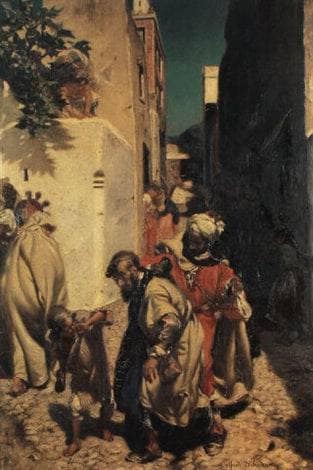
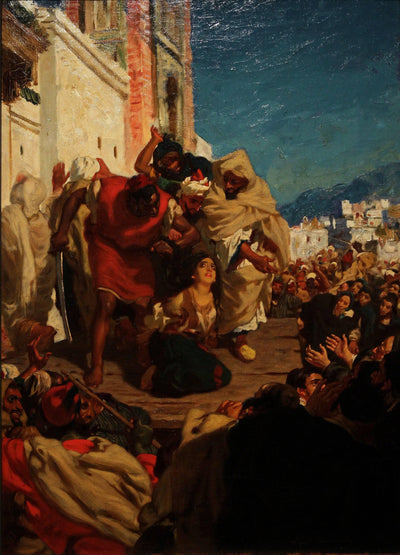
Alfred Dehodencq was a French painter born in 1822. His artistic journey took him to North Africa, where he became fascinated by the vibrant cultures and landscapes. Dehodencq's works reflect his deep appreciation for the people and traditions he encountered, particularly the women of Algeria. His paintings often blend
realism with
romanticism, creating a unique visual narrative.
Influences of French Romanticism on Dehodencq's Work
Dehodencq was influenced by the French Romantic movement, which emphasized emotion and individualism. This influence is evident in his use of color and composition. He sought to evoke feelings of nostalgia and admiration for the subjects he painted. His romanticized portrayals of Algerian women highlight their beauty and strength, inviting viewers to connect with their stories.
Dehodencq's Artistic Journey in North Africa
Dehodencq's time in North Africa profoundly impacted his artistic style. He immersed himself in the local culture, learning from the people and their traditions. This immersion allowed him to create authentic representations of Algerian life. His paintings, including "Algerian Women," serve as a visual diary of his experiences and observations.
Analyzing the Composition of "Algerian Women"
Color Palette and Its Emotional Impact
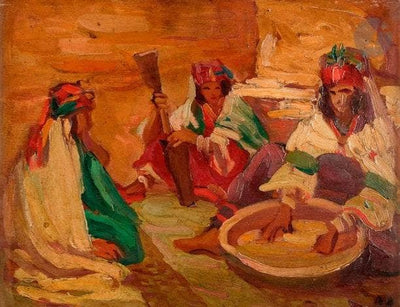
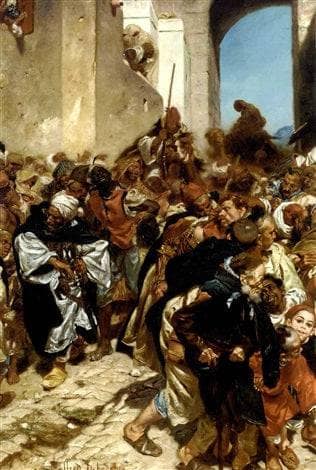
The color palette in "Algerian Women" is rich and vibrant, filled with warm earth tones and deep blues. These colors evoke a sense of warmth and intimacy, drawing viewers into the scene. The use of color not only enhances the aesthetic appeal but also conveys the emotional depth of the subjects.
Symbolism of Colors in Algerian Culture
In Algerian culture, colors hold significant meanings. For instance, red symbolizes strength and courage, while blue represents tranquility and protection. Dehodencq's choice of colors reflects these cultural associations, adding layers of meaning to the painting. This thoughtful use of color invites viewers to explore the cultural context behind the artwork.
Figures and Postures: A Study of Movement and Emotion
The figures in "Algerian Women" are depicted with grace and fluidity. Their postures convey a sense of movement, as if they are engaged in conversation or daily activities. This dynamic representation captures the essence of life in Algeria, making the viewer feel as though they are part of the scene.
Facial Expressions and Their Interpretations
The facial expressions of the women in the painting are poignant and expressive. Each face tells a story, reflecting emotions ranging from joy to contemplation. Dehodencq's ability to capture these subtle nuances allows viewers to connect with the subjects on a personal level, fostering empathy and understanding.
The Historical Context of "Algerian Women" Painting
Colonial Influences on Art and Representation
The painting "Algerian Women" was created during a time of significant colonial influence in Algeria. This context shaped how artists represented their subjects. Dehodencq's work reflects both admiration for the beauty of Algerian culture and the complexities of colonial relationships. His portrayal of women serves as a counter-narrative to the often stereotypical depictions of colonized peoples.
How Colonialism Shaped Artistic Narratives
Colonialism impacted artistic narratives by introducing new themes and perspectives. Artists like Dehodencq navigated these complexities, often portraying their subjects with dignity and respect. This approach challenged prevailing stereotypes and offered a more nuanced view of Algerian society, particularly the role of women.
Art as a Reflection of Social Change in Algeria
"Algerian Women" also reflects the social changes occurring in Algeria during the 19th century. As colonial influences grew, women's roles began to evolve. The painting captures this transition, showcasing women who are both traditional and modern. This duality highlights the resilience of Algerian women as they adapted to new realities.
Women's Evolving Roles in Post-Colonial Society
In post-colonial Algeria, women's roles continued to evolve. They became more active in public life, advocating for rights and education. Dehodencq's portrayal of women in his painting resonates with this ongoing journey, symbolizing the strength and determination of Algerian women throughout history.
Artistic Techniques and Styles in "Algerian Women"
Brushwork and Texture: Creating Depth and Realism
Dehodencq's brushwork in "Algerian Women" is meticulous and expressive. He employs a variety of techniques to create texture and depth, making the figures appear lifelike. This attention to detail enhances the overall realism of the painting, inviting viewers to appreciate the craftsmanship involved.
Comparative Analysis with Other Contemporary Artists
When compared to other contemporary artists, Dehodencq's style stands out for its emotional depth and cultural sensitivity. While many artists focused on landscapes or
still life, Dehodencq chose to highlight the human experience, particularly the lives of women. This focus sets his work apart and contributes to its lasting impact.
Light and Shadow: Enhancing the Mood of the Painting
The interplay of light and shadow in "Algerian Women" adds a dramatic quality to the scene. Dehodencq skillfully uses natural light to illuminate the figures, creating a sense of warmth and intimacy. This technique enhances the emotional resonance of the painting, drawing viewers into the moment.
Use of Natural Light in Depicting Everyday Life
Natural light plays a crucial role in depicting everyday life in Algeria. Dehodencq captures the essence of daily activities, from communal gatherings to quiet moments of reflection. This use of light not only enhances the visual appeal but also connects the viewer to the cultural context of the painting.
Emotional Resonance: What "Algerian Women" Evokes
Viewer Interpretations and Personal Connections
"Algerian Women" evokes a range of emotions in viewers. Many find themselves drawn to the strength and beauty of the women depicted. The painting invites personal interpretations, allowing individuals to connect with the subjects on a deeper level. This emotional engagement is a testament to Dehodencq's skill as an artist.
How the Painting Speaks to Modern Audiences
Modern audiences resonate with the themes of resilience and identity portrayed in "Algerian Women." The painting speaks to contemporary issues of gender and cultural representation, making it relevant even today. Viewers often reflect on their own experiences, finding parallels between the past and present.
Reflections on Identity and Heritage
The painting serves as a powerful reflection on identity and heritage. It encourages viewers to consider their own cultural backgrounds and the stories that shape them. Dehodencq's portrayal of Algerian women invites a dialogue about the importance of preserving cultural narratives in a rapidly changing world.
Connecting Past and Present Through Art
Art has the unique ability to connect past and present. "Algerian Women"
bridges historical and contemporary experiences, allowing viewers to explore the evolution of women's roles in society. This connection fosters a greater appreciation for the cultural significance of the painting and its subjects.
Frequently Asked Questions about "Algerian Women"
What is the story behind the painting "Algerian Women"?
The painting "Algerian Women" tells the story of the daily lives and cultural significance of women in 19th century Algeria. It reflects their strength, resilience, and the rich traditions they uphold.
How does "Algerian Women" reflect the culture of Algeria?
"Algerian Women" captures the essence of Algerian culture through its depiction of traditional clothing, daily activities, and the roles women play in society. It serves as a visual representation of the country's heritage.
What techniques did Alfred Dehodencq use in this painting?
Dehodencq employed techniques such as expressive brushwork, a vibrant color palette, and the interplay of light and shadow to create depth and realism in "Algerian Women."
What emotions does "Algerian Women" convey to its viewers?
The painting evokes emotions of admiration, empathy, and reflection. Viewers often feel a connection to the strength and beauty of the women depicted.
How has "Algerian Women" influenced modern art?
"Algerian Women" has influenced
modern art by challenging stereotypes and offering a nuanced portrayal of women in a colonial context. It encourages contemporary artists to explore themes of identity and cultural representation.
What are the key themes depicted in "Algerian Women"?
Key themes in "Algerian Women" include resilience, cultural identity, and the evolving roles of women in society. The painting highlights the strength and beauty of Algerian women.
How can I appreciate the nuances of this painting?
To appreciate the nuances of "Algerian Women," take time to observe the details in the figures, the use of color, and the emotional expressions. Consider the historical context and the cultural significance of the subjects.
Understanding the Reproduction of "Algerian Women"
What should I know about the quality of art reproductions?
Art reproductions, especially oil painting reproductions, offer a superior alternative to prints. They capture the texture, depth, and vibrancy of the original artwork, providing a more authentic experience.
How do reproductions capture the essence of the original painting?
Reproductions use high-quality materials and techniques to replicate the original painting's details. This ensures that the essence of the artwork, including color and texture, is preserved.
What are the benefits of owning a reproduction of "Algerian Women"?
Owning a reproduction of "Algerian Women" allows you to enjoy the beauty and cultural significance of the artwork in your own space. It serves as a conversation starter and a reminder of the strength and resilience of Algerian women.
 4.9/5
4.9/5