4.9/5
4.9/5


Famous Abstract Oil Painting Reproductions
Famous abstract art is the shortest route to a modern wall, and this page holds 1,549 hand-painted reproductions of abstract and near-abstract paintings in oil. You can order Composition VI, The Blue Rider and Color Study. Squares with Concentric Circles by Wassily Kandinsky, Elasticity and The Street Enters the House by Umberto Boccioni, Abstract portrait by Theo van Doesburg, The Tower of Blue Horses and Blue Horse I by Franz Marc, The Scream by Edvard Munch, The Kiss by Gustav Klimt and Feast of Kings by Pavel Filonov. Every piece on this page is hand-painted in oil on canvas by a studio artist, and never printed.
-
Mercury and the Graces


 Vendor:Tintoretto
Mercury and the Graces
- Regular price
- From $249.95
- Sale price
- From $249.95
- Regular price
-
$292.45
-
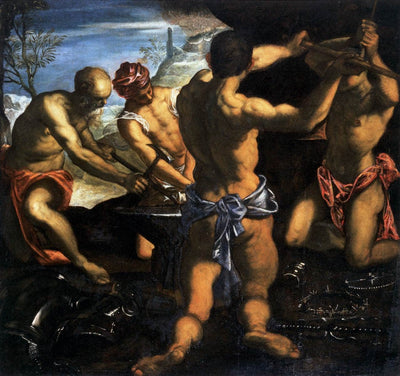
Vulcan's Forge


 Vendor:Tintoretto
Vulcan's Forge
- Regular price
- From $249.95
- Sale price
- From $249.95
- Regular price
-
$292.45
-
The Apotheosis of St Roch

 Vendor:Tintoretto
The Apotheosis of St Roch
- Regular price
- From $249.95
- Sale price
- From $249.95
- Regular price
-
$292.45
-
Deucalion and Pyrrha Praying before the Statue of the Goddess Themis


 Vendor:Tintoretto
Deucalion and Pyrrha Praying before the Statue of the Goddess Themis
- Regular price
- From $249.95
- Sale price
- From $249.95
- Regular price
-
$292.45
-
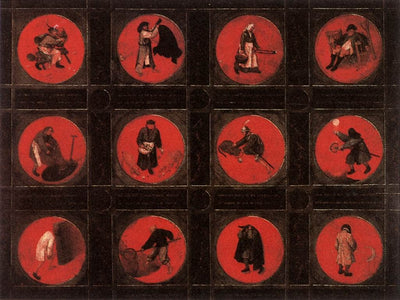
Twelve Proverbs


 Vendor:Pieter Bruegel the Elder
Twelve Proverbs
- Regular price
- From $299.95
- Sale price
- From $299.95
- Regular price
-
$350.95
-
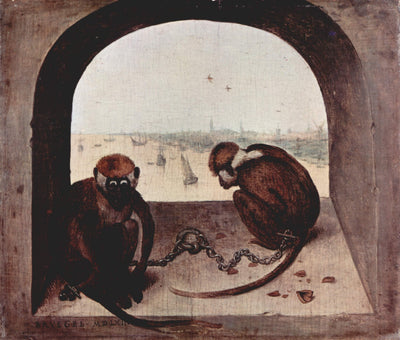
Two Monkeys

 Vendor:Pieter Bruegel the Elder
Two Monkeys
- Regular price
- From $249.95
- Sale price
- From $249.95
- Regular price
-
$292.45
-
St Francis in Ecstasy

 Vendor:Paolo Veronese
St Francis in Ecstasy
- Regular price
- From $299.95
- Sale price
- From $299.95
- Regular price
-
$350.95
-
Venice, Hercules, and Ceres


 Vendor:Paolo Veronese
Venice, Hercules, and Ceres
- Regular price
- From $249.95
- Sale price
- From $249.95
- Regular price
-
$292.45
-
Conversión De San Pablo


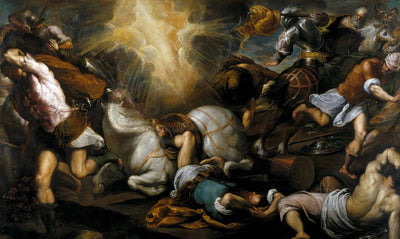 Vendor:Palma il Giovane
Conversión De San Pablo
- Regular price
- From $299.95
- Sale price
- From $299.95
- Regular price
-
$350.95
-
The Dead Christ Supported by An Angel with Two Putti Each Supporting a Cero

 Vendor:Palma il Giovane
The Dead Christ Supported by An Angel with Two Putti Each Supporting a Cero
- Regular price
- From $299.95
- Sale price
- From $299.95
- Regular price
-
$350.95
-
Studies for Four Figures


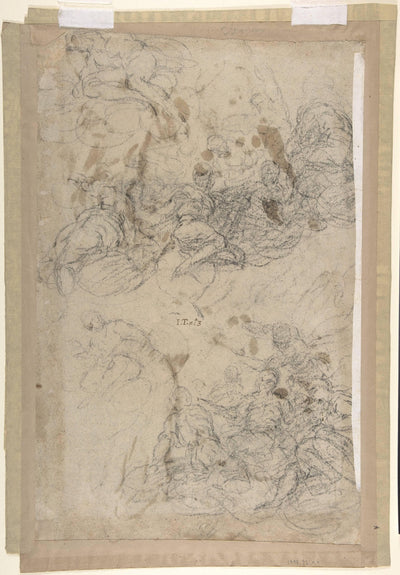 Vendor:Palma il Giovane
Studies for Four Figures
- Regular price
- From $299.95
- Sale price
- From $299.95
- Regular price
-
$350.95
-
Composition Sketches for Groupings of Figures on Clouds


 Vendor:Palma il Giovane
Composition Sketches for Groupings of Figures on Clouds
- Regular price
- From $299.95
- Sale price
- From $299.95
- Regular price
-
$350.95
-
The Devil Attacking the Window (detail from St. Anthony the Hermit from the Isenheim Altarpiece)

 Vendor:Matthias Grünewald
The Devil Attacking the Window (detail from St. Anthony the Hermit from the Isenheim Altarpiece)
- Regular price
- From $299.95
- Sale price
- From $299.95
- Regular price
-
$350.95
-
The Golden Age


 Vendor:Lucas Cranach the Elder
The Golden Age
- Regular price
- From $299.95
- Sale price
- From $299.95
- Regular price
-
$350.95
-
St Thomas Before the Cross

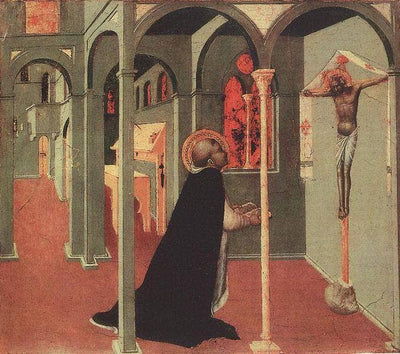 Vendor:Il Sassetta (Stefano di Giovanni)
St Thomas Before the Cross
- Regular price
- From $249.95
- Sale price
- From $249.95
- Regular price
-
$292.45
-
Calvary Triptych


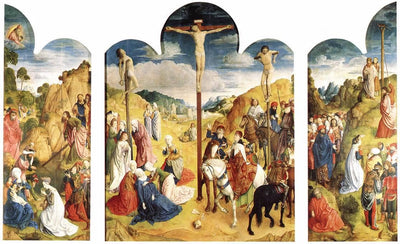 Vendor:Hugo van der Goes
Calvary Triptych
- Regular price
- From $299.95
- Sale price
- From $299.95
- Regular price
-
$350.95
-
Creation of Eve

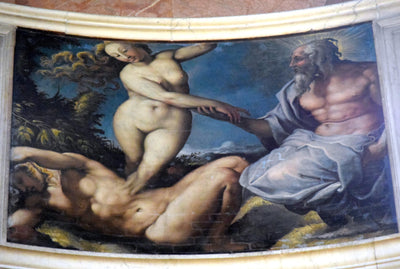 Vendor:Francesco de' Rossi (Francesco Salviati), "Cecchino"
Creation of Eve
- Regular price
- From $299.95
- Sale price
- From $299.95
- Regular price
-
$350.95
-
Expulsion from Paradise

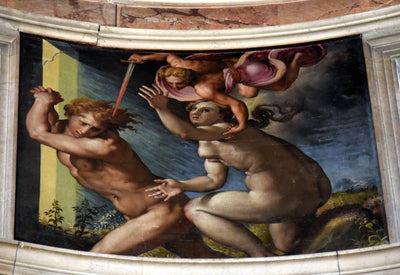 Vendor:Francesco de' Rossi (Francesco Salviati), "Cecchino"
Expulsion from Paradise
- Regular price
- From $299.95
- Sale price
- From $299.95
- Regular price
-
$350.95
-
Christ on the cross

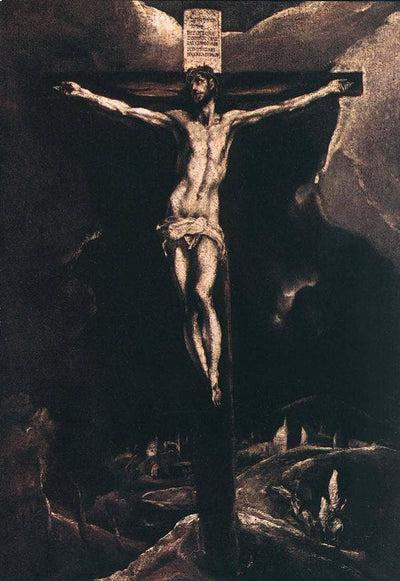 Vendor:El Greco
Christ on the cross
- Regular price
- From $299.95
- Sale price
- From $299.95
- Regular price
-
$350.95
-
Trompe-l'oeil with painting of the Man of Sorrows

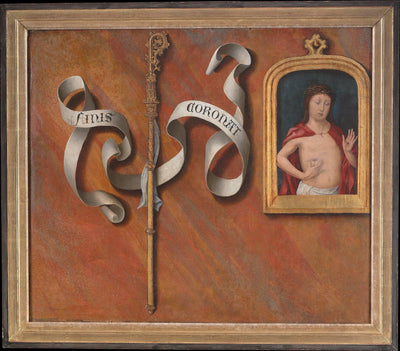 Vendor:Bernard Van Orley
Trompe-l'oeil with painting of the Man of Sorrows
- Regular price
- From $249.95
- Sale price
- From $249.95
- Regular price
-
$292.45
-
Hercules and Anteus

 Vendor:Antonio del Pollaiolo
Hercules and Anteus
- Regular price
- From $299.95
- Sale price
- From $299.95
- Regular price
-
$350.95
-
Calvary, central predella panel from the St. Zeno of Verona altarpiece

 Vendor:Andrea Mantegna
Calvary, central predella panel from the St. Zeno of Verona altarpiece
- Regular price
- From $299.95
- Sale price
- From $299.95
- Regular price
-
$350.95
-
Crucifixion

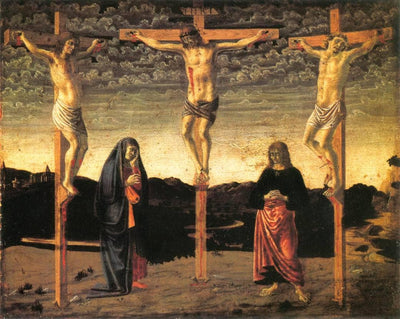 Vendor:Andrea del Castagno
Crucifixion
- Regular price
- From $299.95
- Sale price
- From $299.95
- Regular price
-
$350.95
-
Hercules kills the Symphalic Bird


 Vendor:Albrecht Durer
Hercules kills the Symphalic Bird
- Regular price
- From $299.95
- Sale price
- From $299.95
- Regular price
-
$350.95
-
Combined Coat of Arms of the Tucher and Rieter Families

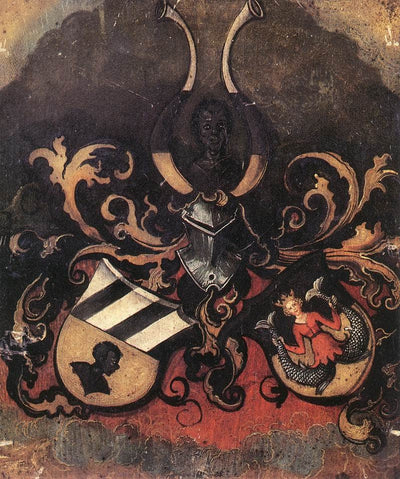 Vendor:Albrecht Durer
Combined Coat of Arms of the Tucher and Rieter Families
- Regular price
- From $249.95
- Sale price
- From $249.95
- Regular price
-
$292.45
-
Alliance Coat of Arms

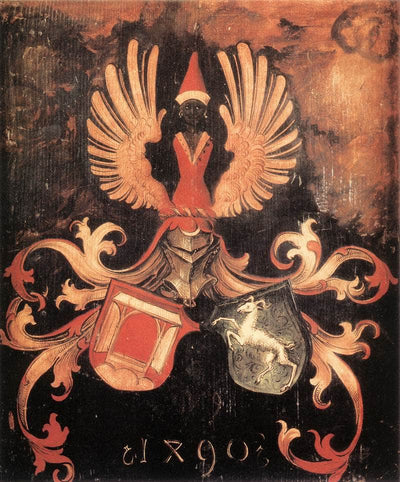 Vendor:Albrecht Durer
Alliance Coat of Arms
- Regular price
- From $299.95
- Sale price
- From $299.95
- Regular price
-
$350.95
-
Allegory of Happiness

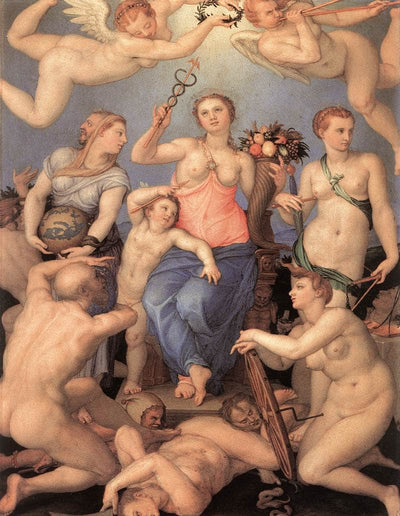 Vendor:Agnolo Bronzino
Allegory of Happiness
- Regular price
- From $299.95
- Sale price
- From $299.95
- Regular price
-
$350.95
-
Christand Robber

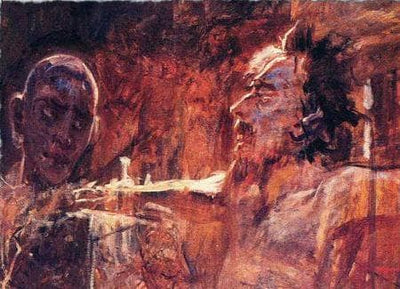 Vendor:Nikolai Ge
Christand Robber
- Regular price
- From $299.95
- Sale price
- From $299.95
- Regular price
-
$350.95
-
St. George and the dragon

 Vendor:Wassily Kandinsky
St. George and the dragon
- Regular price
- From $299.95
- Sale price
- From $299.95
- Regular price
-
$350.95
-
All Saints day I

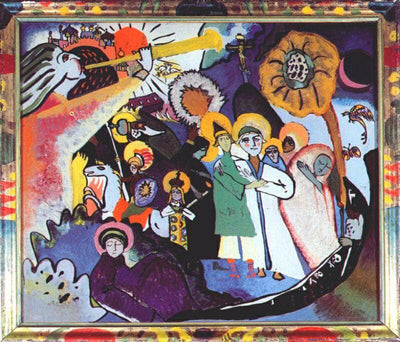 Vendor:Wassily Kandinsky
All Saints day I
- Regular price
- From $249.95
- Sale price
- From $249.95
- Regular price
-
$292.45
-
Moscow I

 Vendor:Wassily Kandinsky
Moscow I
- Regular price
- From $249.95
- Sale price
- From $249.95
- Regular price
-
$292.45
-
Angel of the Last Judgment

 Vendor:Wassily Kandinsky
Angel of the Last Judgment
- Regular price
- From $299.95
- Sale price
- From $299.95
- Regular price
-
$350.95
-
Picture with archer

 Vendor:Wassily Kandinsky
Picture with archer
- Regular price
- From $249.95
- Sale price
- From $249.95
- Regular price
-
$292.45
-
The cow

 Vendor:Wassily Kandinsky
The cow
- Regular price
- From $249.95
- Sale price
- From $249.95
- Regular price
-
$292.45
-
Improvisation 7

 Vendor:Wassily Kandinsky
Improvisation 7
- Regular price
- From $299.95
- Sale price
- From $299.95
- Regular price
-
$350.95
-
Murnau view with railway and castle

 Vendor:Wassily Kandinsky
Murnau view with railway and castle
- Regular price
- From $299.95
- Sale price
- From $299.95
- Regular price
-
$350.95
-
Murnau Garden

 Vendor:Wassily Kandinsky
Murnau Garden
- Regular price
- From $299.95
- Sale price
- From $299.95
- Regular price
-
$350.95
-
Improvisation 6 (African)

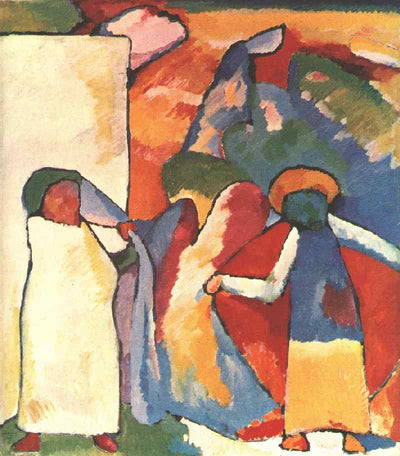 Vendor:Wassily Kandinsky
Improvisation 6 (African)
- Regular price
- From $249.95
- Sale price
- From $249.95
- Regular price
-
$292.45
-
Crinolines

 Vendor:Wassily Kandinsky
Crinolines
- Regular price
- From $299.95
- Sale price
- From $299.95
- Regular price
-
$350.95
-
Encounter

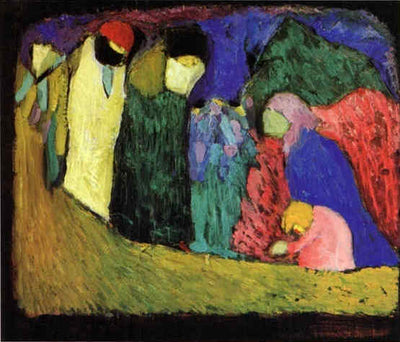 Vendor:Wassily Kandinsky
Encounter
- Regular price
- From $249.95
- Sale price
- From $249.95
- Regular price
-
$292.45
-
The Ludwigskirche in Munich

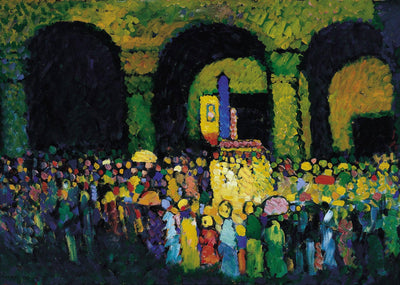 Vendor:Wassily Kandinsky
The Ludwigskirche in Munich
- Regular price
- From $299.95
- Sale price
- From $299.95
- Regular price
-
$350.95
-
Group in Crinolines

 Vendor:Wassily Kandinsky
Group in Crinolines
- Regular price
- From $299.95
- Sale price
- From $299.95
- Regular price
-
$350.95
-
Red Wall destiny

 Vendor:Wassily Kandinsky
Red Wall destiny
- Regular price
- From $299.95
- Sale price
- From $299.95
- Regular price
-
$350.95
-
Arabs I (Cemetery)

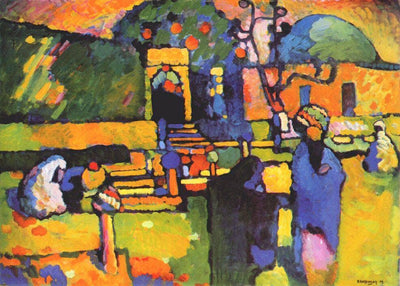 Vendor:Wassily Kandinsky
Arabs I (Cemetery)
- Regular price
- From $299.95
- Sale price
- From $299.95
- Regular price
-
$350.95
-
Blue mountain

 Vendor:Wassily Kandinsky
Blue mountain
- Regular price
- From $249.95
- Sale price
- From $249.95
- Regular price
-
$292.45


Frequently Asked Questions
How much do Abstract Art oil painting reproductions cost?
Our Abstract Art oil painting reproductions start at $249.95. Prices vary by size: larger canvases and custom dimensions cost more. Every painting includes free worldwide shipping and a 90-day satisfaction guarantee.
What Abstract Art paintings can I buy?
Browse 1450+ Abstract Art oil painting reproductions from masters of the movement. Popular choices include Mercury and the Graces, Vulcan's Forge, The Apotheosis of St Roch, Deucalion and Pyrrha Praying before the Statue of the Goddess Themis, Twelve Proverbs. All hand-painted on canvas.
Are these Abstract Art prints or hand-painted reproductions?
Every Abstract Art reproduction is 100% hand-painted by professional artists using premium oil paints on gallery-grade canvas. These are not prints, giclées, or digital reproductions. Each piece captures the original brushwork, texture, and color depth of the masterpiece.
What sizes are available for Abstract Art painting reproductions?
Each Abstract Art painting is available in multiple standard sizes, from small (16" × 20") to large museum-scale formats. Custom dimensions are available upon request. Contact us with your preferred size for a quote.
How long does it take to receive my painting?
Each painting is made to order. Production takes 2–3 weeks, plus 5–10 business days for worldwide shipping. Total delivery time is typically 3–5 weeks depending on your location. Shipping is free worldwide.
What is your return policy?
We offer a 90-day satisfaction guarantee. If you're not completely happy with your painting, contact us for a full refund or replacement, no questions asked.
What abstract art is
Abstract art uses the visual language of shape, form, color and line to create a composition which may exist with a degree of independence from visual references in the world. Abstract art, non-figurative art, non-objective art and non-representational art are all closely related terms; they have similar, but perhaps not identical, meanings. That definition matters when you shop, because full and partial abstraction sit side by side on this page. Some of these paintings drop the subject entirely and leave only color and geometry. Others keep a horse, a street or a face and push it so far that the shapes take over. Both belong to the story of abstract painting, and both hang well.
Famous abstract paintings
These are the abstract paintings buyers ask for by name, and each one can be ordered as a hand-painted reproduction.
- Composition VI by Wassily Kandinsky. During his life Kandinsky was associated with Der Blaue Reiter, Expressionism and abstract painting, and he is generally credited as the pioneer of abstract art.
- Color Study. Squares with Concentric Circles, the grid of color squares that most people meet first. A circle is a shape consisting of all points in a plane at a given distance from a given point, the centre, and this artwork turns that plain geometric fact into a grid of small experiments in tone.
- The Blue Rider, the early picture that gave its name to the Blaue Reiter circle.
- The Tower of Blue Horses and Blue Horse I by Franz Marc, where an animal becomes a stack of flat planes.
- Elasticity, Dynamism of a Soccer Player, States of Mind I: The Farewells, The Street Enters the House and The Strengths of a Street by Umberto Boccioni, five Futurist works about speed rather than things.
- Abstract portrait by Theo van Doesburg, a face reduced to flat shapes and straight lines.
- The Scream, created by the Norwegian artist Edvard Munch in 1893. The Norwegian name of the piece is Skrik, and the German title under which it was first exhibited is Der Schrei der Natur. The agonized face has become one of the most iconic images in art, seen as representing a profound experience of existential dread related to the human condition, and Munch's work had a formative influence on Expressionism.
- The Kiss, a canvas with added gold leaf, silver and platinum by the Austrian Symbolist Gustav Klimt, painted at some point in 1907 and 1908 during the height of what scholars call his Golden Period. It was exhibited in 1908 under the title Liebespaar, and the couple's entwined robes are decorated in a style influenced by Art Nouveau and by the organic forms of the earlier Arts and Crafts movement.
- Feast of Kings by Pavel Filonov, from the Russian avant-garde.
- The Blue Room by Suzanne Valadon and The Beach at Ambleteuse at Low Tide by Theo van Rysselberghe, two pictures where pattern and surface do the work.
- The Genius and the Crowd by Yeghishe Tadevosyan, a symbolic composition rather than a scene.
Kandinsky, Malevich and the start of abstraction
It did not arrive by accident. Kandinsky, a Russian artist who lived from 1866 to 1944, is generally credited as the pioneer of abstract art, and during his life he was associated with Der Blaue Reiter, with Expressionism and with abstract painting itself. His Composition series is where the pictures stop describing anything outside the frame.
The other pole of the story is Kazimir Malevich. Black Square is a 1915 work on linen by the Russian avant-garde artist and theorist; there are four versions, the first completed in 1915, which the artist described as his breakthrough work and the inception of his Suprematism, dated 1915 to 1919. Suprematist Composition: White on White of 1918 is an abstract canvas painted the year after the October Revolution, and it is one of the more well known examples of Russian Suprematism. The white square is one of Malevich's three suprematist squares, the other two being black and red. Between Kandinsky's palette and Malevich's geometry sits most of what people mean by the word today.
Neither man worked alone. Theo van Doesburg carried flat geometric shapes into the Netherlands, Umberto Boccioni and the Italian Futurists broke the street into lines of force, and Franz Marc kept the animal and threw away the natural colors. One label covers all of it.
Movements on this page
- Post-Impressionism developed roughly between 1886 and 1905, from the last Impressionist exhibition to the birth of Fauvism, as a reaction against the Impressionists' concern for the naturalistic depiction of light and color. Its broad emphasis on abstract qualities or symbolic content takes in Les Nabis, Neo-Impressionism, Symbolism, Cloisonnism, the Pont-Aven School and Synthetism.
- Fauvism emerged in France at the beginning of the 20th century. It was the style of les Fauves, a group of modern artists whose works emphasized painterly qualities and strong hues over the representational or realistic values retained by Impressionism. As a style it began around 1904 and continued beyond 1910, though the group itself lasted only a few years, from 1905 to 1908, and had three exhibitions.
- Expressionism is a modernist movement, initially in poetry and painting, that originated in Northern Europe around the beginning of the 20th century. Its typical trait is to present the world solely from a subjective perspective, distorted radically for emotional effect in order to evoke moods or ideas, and its artists sought to express the meaning of emotional experience rather than physical reality.
- Symbolism works by putting a concrete element, an object, a character, an image, a situation or an action, in place of an abstract or deeper meaning. The artistic use of symbols is symbolism, and it is inspired by the same wish that drives abstraction, to say a thing without naming it.
- Surrealism grew in Europe in the aftermath of the First World War, when artists aimed to allow the unconscious mind to express itself, often resulting in illogical or dreamlike scenes. Its intention, according to its leader Andre Breton, was to resolve the contradictory conditions of dream and reality into an absolute reality, a super-reality.
- Art Nouveau was an international style of art, architecture and applied art, often inspired by natural forms such as the sinuous curves of plants and flowers, with a sense of dynamism given by asymmetry or whiplash curves. It was popular between 1890 and 1910 during the Belle Epoque.
Vienna, Japan and the pattern road to abstraction
One path into non-representational painting ran through decoration rather than geometry, and Vienna is where it is easiest to see. Gustav Klimt was an Austrian symbolist and a founding member of the Vienna Secession, and his work helped define the Art Nouveau style in Europe. Among the artists of the Secession he was the most influenced by Japanese art and its methods, which is why his surfaces behave like textiles: flat gold, repeated motifs, a figure pressed into a field of ornament. His primary subject was the female body and his work is marked by a frank eroticism, but the thing a modern eye notices first is that the ornament has stopped serving the figure and started competing with it.
Art Nouveau itself was an international style of art, architecture and applied art, often inspired by natural forms such as the sinuous curves of plants and flowers, and it was a reaction against the academicism, eclecticism and historicism of 19th-century decorative art. Push that flattening one step further and the motif no longer needs a body to decorate. That is one of the paths into it, and it explains why a Klimt reproduction sits so comfortably in a room that also holds a Malevich square: both of them are about surface, and both of them stopped pretending there is a window in the wall.
Color, shape and line
Abstract painting gives you three tools and nothing to hide behind: color, shape and line. That is why the good ones are so easy to live with and so hard to make.
Color first. A warm red advances and a cool blue retreats, so a red shape on a cold ground reads as closer even when both are flat. Yellow is the loudest pigment in the box at full strength, which is why a small yellow area will hold a large canvas on its own, and why a broad yellow field needs something dark to sit against. Black and white are not neutral here: black gives weight and white gives air, and Malevich built an entire movement on three squares, one black, one red and one white. When people say a picture works they usually mean the parts are doing different jobs rather than shouting the same note.
Shape next. Geometric forms, the square, the circle, the triangle, read as deliberate and calm. Irregular ones read as motion. A circle is all the points at a given distance from a centre, which is exactly why it feels stable in a composition and why Kandinsky set concentric circles against each other to test relationships one square at a time.
Then line. Straight lines organize, diagonals accelerate, and a broken edge creates noise. The Futurists drew force lines to drag a street into a room. Van Doesburg relied on straight edges to hold a face together. Once you notice which of the three tools a canvas leans on, choosing between two abstract works for the same wall gets much easier.
There is also the paint itself, which is easy to forget when you look at a flat photograph of a flat picture. Paint can be laid on thin as a stain or thick enough to hold a ridge, and the two behave differently under a lamp. A thin, even field goes quiet and lets the pigment do everything. Thick paint catches light on one edge and throws a shadow on the other, so the form shifts slightly as you walk past. Early abstract painters worked both ways, sometimes in the same canvas, and any studio artist copying that work has to match thickness as well as color. When you look at the approval photo, that is the thing worth checking: not whether the tone is exact, but whether the paint sits on the canvas the way it sits in the museum.
Abstract art in the 20th century museum
Non-objective work and the modern museum grew up together. The Museum of Modern Art in New York opened its doors in the same years that abstract painting was settling its arguments, and the art world that formed around New York City in those decades treated a non-representational canvas as normal rather than scandalous, and non-figurative work acquired an address. The Starry Night has been in the permanent collection of the Museum of Modern Art since 1941, acquired through the Lillie P. Bliss Bequest, and Henri Rousseau's The Sleeping Gypsy was donated to the same museum by Olga Guggenheim in 1939; in the museum it hangs next to the van Gogh. That pairing tells you how quickly the American institution absorbed European experiment.
Famous abstract paintings, decade by decade
It helps to see the famous abstract paintings in order, because the arguments moved fast. In the years around 1910 the question was whether a picture needed a subject at all. Kandinsky answered no and is generally credited as the pioneer of abstract art. By 1915 Malevich had gone further with Black Square, a 1915 canvas that he described as his breakthrough work, and by 1918 he had painted White on White, one of the more well known examples of Russian Suprematism, made the year after the October Revolution.
In Italy the same decade produced Futurism, and the famous abstract paintings from that side of the argument keep a subject but dissolve it. Boccioni's street pictures put a building, a crowd and a tram into the same set of shapes so that none of the three wins. In Germany the Blaue Reiter circle kept animals and landscape and threw away natural colors, which is how you get a tower of horses in flat planes.
Look at the same years in Vienna and Oslo and you find the other road into abstraction, the one through feeling rather than geometry. The Scream of 1893 is not an abstract picture, but the agonized face has become one of the most iconic images in art and Munch's work had a formative influence on Expressionism, whose typical trait is to present the world solely from a subjective perspective, distorting it radically for emotional effect. Klimt's Golden Period pictures of 1907 and 1908 do the same thing with pattern: the robes in The Kiss are decorated in a style influenced by Art Nouveau and by the organic forms of the earlier Arts and Crafts movement, and the pattern is what you remember.
Those three paths, geometry, speed and feeling, cover almost all the famous abstract paintings people search for, and all three are represented on this page as hand-painted oil reproductions.
Full abstraction and partial abstraction
Abstract art, non-figurative art, non-objective art and non-representational art are closely related terms with similar but perhaps not identical meanings, and the practical difference for a buyer is simple. With nothing held back there is nothing to name. A square is a square. In partial abstraction something survives: a rider, a horse, a beach, a face, a street. Most of the abstract artists here worked in the second mode for at least part of their careers, which is good news if you want a modern image that still gives the eye somewhere to land.
If you are furnishing a quiet room, the half-abstract picture is usually the easier guest. It carries the color and the flatness of modern painting without asking the room to be a gallery. If you want the wall to be the event, go for flat geometry and give it space on both sides. Either way, these are paintings rather than posters, and the surface will change with the light through the day in a way no printed image does.
Abstract artists to know
- Kandinsky, 1866 to 1944, was a Russian artist associated during his life with Der Blaue Reiter, Expressionism and abstract painting, and he is generally credited as the pioneer of abstract art. His Compositions are the paintings that made the case.
- Kazimir Malevich was a Russian avant-garde artist and theorist. He launched Suprematism with Black Square in 1915 and dated the movement from 1915 to 1919; the white square of 1918 is one of his three suprematist squares, the other two being black and red.
- Gustav Klimt was an Austrian symbolist painter and a founding member of the Vienna Secession, and his work helped define the Art Nouveau style in Europe. His primary subject was the female body, his work is marked by a frank eroticism, and among the artists of the Secession he was the most influenced by Japanese art and its methods. He is best known for The Kiss.
- Edvard Munch was a Norwegian painter whose Frieze of Life includes Anxiety, an 1894 canvas showing a group of people walking towards the viewer under a blood-red sky. It is a synthesis of the earlier motifs Evening on Karl Johan of 1892 and The Scream of 1893, and in 1896 Munch created a lithograph and a woodcut based on the motif.
- Umberto Boccioni is the Futurist name on this page, and his subject is not an object but what happens to an object when everything around it is moving.
- Theo van Doesburg reduced the human head to flat planes and straight edges, which is about as far as a portrait can travel and still be one.
- Franz Marc kept the animal and changed everything else, and his horses in cobalt are the most quoted images of the Blaue Reiter circle.
Choosing an abstract painting for a room
Many buyers arrive at this page with a wall and no plan, which is the right way round. Start with the two or three colors already in the room, then look for a picture that repeats one of them and argues with another. A picture that matches everything disappears; a painting that fights everything exhausts you. One shared color and one clash is the ratio to aim for.
Scale is the next decision, and abstract work is less forgiving than a landscape. A flat yellow field at the smallest size looks like a swatch. The same yellow at a large size looks like a decision. If you are hanging above a sofa, aim for a canvas about two thirds the width of the furniture, and if you are hanging in a hall, remember that people will see it while walking, so shapes read better than fine detail.
Think about how you want the picture to behave in the evening. Warm colors, a red, an orange, a deep yellow, hold up under lamplight. Cool grays and greens go flat at night and come back in the morning. There is no wrong answer here, only a choice about which half of the day you are decorating for, and you cannot have both. Painters knew this long before interior design existed, and a good painter still sets the key of a picture as a musician sets a key.
Finally, be honest about how much pattern you like. Klimt is pattern all the way down. Malevich is the opposite. Between those two poles you will find something that suits the way you actually live, and if you are unsure, the smaller of two sizes is the one you will regret, not the larger.
Where the famous abstract paintings are kept
Almost every picture on this page has a museum address, and knowing it helps you judge a reproduction. The Museum of Modern Art in New York holds the two pictures most often used to date the arrival of modernism in America: The Starry Night, in its permanent collection since 1941 through the Lillie P. Bliss Bequest, and The Sleeping Gypsy, donated by Olga Guggenheim in 1939 and hung next to it. The Kiss belongs to Klimt's Golden Period and was exhibited in 1908 under the title Liebespaar, as recorded in the catalogue of that exhibition. The Scream was first shown under the German title Der Schrei der Natur. Black Square exists in four separate versions, so a reproduction is always a reproduction of one specific version rather than of an idea.
None of that changes what you receive, but it does change how you read the label. When a studio artist copies a museum picture, the reference is a particular object in a particular room, with the surface it carries today rather than the one it had on the day it was finished. Many artists of the period chose pigments that have shifted over a century, and a good reproduction follows the painting as it now is.
What the copyright line means here
There is a limit on what any honest workshop can offer. Paintings that remain in copyright cannot be reproduced and sold, so this page stops where the law stops. In practice the abstract artists represented here belong to the first decades of the movement and the generation just before it: the Blaue Reiter circle, the Italian Futurists, the Russian avant-garde, and the Symbolist and Art Nouveau painters whose pattern and color opened the door. Later abstraction, much of it American and much of it still protected, is not on offer.
We would rather post that limit in plain sight than let you search the grid for a name that will never appear. If a picture you want is missing, it is almost always for this reason, and while that is frustrating it is not an oversight.
Decoration or argument
Every abstract picture on this page was made as an argument about what painting is for. Most of them are now bought as decoration, and there is nothing wrong with that: one picture can hold a theory and a living room at the same time. It is worth knowing which one you want, though, because it changes what you should buy.
For decoration, follow the colors. Pick two colors that already exist in the room, find a picture that carries one of them at full strength, and stop. Pattern-heavy work like Klimt does this effortlessly, and so do the Futurist street pictures, whose colors are strong and whose surfaces are busy enough to survive a patterned rug.
If you want the argument, buy the flattest, quietest thing here and give it a wall of its own. One square of color in a room full of soft furniture is a genuinely strange object, which is what it was in 1915, and that shock is still available. Many first-time buyers go straight for the loud picture and later wish they had bought the quiet one, while a smaller number do the opposite. Either mistake is fixable, since every order carries 90-day returns.
How an abstract reproduction is made
A studio artist works from the museum image in oil, matching the sequence of layers the original used. Flat color is harder than it looks: an even field leaves nowhere to hide a bad edge, so these pictures are painted slowly and checked in raking light. No print, no transfer, no digital pass at any stage. You choose from seven sizes, add the optional frame if you want one, and approve a photo of the finished work before it ships. Free worldwide shipping and 90-day returns apply. Abstract work in particular benefits from going one size up, because a flat form at small scale reads as decoration and the same form at large scale reads as architecture.
Hanging two or three together
Abstract work is the easiest kind of painting to hang in a group, because you are matching weight and color rather than subject matter. Three rules cover most cases. Keep one measurement constant: either the same height for every piece or the same gap between them, never both varying. Keep the palette tight, so two pieces share a hue and the third breaks it. And keep the spacing tighter than feels natural, because a group reads as one object only when the gaps are smaller than the smallest piece.
A pair does nicely in a hallway, where people see the pieces in sequence rather than at once. A group of three suits a long wall above low furniture. Four or more starts to need a grid, and a grid needs the same size throughout, which is simple enough here, since every piece comes in the same seven sizes. If you are ordering more than one for the same wall, order them at the same time so the studio can keep the palettes consistent across the set, and say in your order that they belong together.
One last thing that matters more than people expect: leave the wall around the group emptier than the rest of the room. Abstract painting asks for quiet next to it, and a bare stretch of wall is the cheapest frame there is.
Living with the painting afterwards
An oil reproduction is a real object and it asks for the same care a museum gives the original, which is little enough. Keep it out of direct sun, because ultraviolet light is the one thing that damages pigment faster than time. Keep it off a wall that shares a chimney breast or a radiator, since heat cycling is harder on a stretched canvas than cold is. Dust it with a dry, soft brush rather than a cloth, and never with a household spray or a damp sponge. That is the whole routine, and if you follow it the picture will outlast the room it was bought for.
If something arrives wrong, the 90-day return window covers it, and the photo approval step before shipping is there precisely so that almost nothing ever does. Shipping is free worldwide, the optional frame is cut to fit the size you choose rather than trimmed from stock, and the seven sizes cover everything from a small study to a statement above a sofa.
Two more notes on the grid itself. The count on this page is 1,549 works, and it includes partial abstraction on purpose, so a Futurist street and a flat square both appear. If you filter by color or by shape you will move faster than if you scroll, because abstract titles rarely tell you what a picture looks like. A name like Composition VI or States of Mind I: The Farewells is a label, not a description, and the only reliable guide is the image in front of you. The filters exist because of that, and they are the fastest route through 1,549 pictures when you already know the hues you want and have no idea which artist made it. Sorting by color also surfaces the quieter Russian and Armenian names, which almost nobody searches for and which are often the strongest pictures on the page for a first abstract purchase. Filonov and Tadevosyan are both in that group, and both hold a wall as firmly as a name you already know, which is the test that matters once the picture is hanging in your own room rather than in a museum.
Browse related collections
Abstraction sits next to the movements that produced it.
- Abstract art by color for work organized around a palette.
- Abstract art by shape for geometry first.
- Expressionist reproductions for subjective distortion.
- Futurist reproductions for speed and force lines.
- Symbolist reproductions for pictures that stand for something else.
Frequently asked questions
What counts as abstract art? Work that uses shape, form, color and line to build a composition with some independence from visual references in the world. Non-figurative, non-objective and non-representational are closely related terms with similar meanings, and partial abstraction, where a recognisable subject survives on the surface, is included on this page rather than filtered out.
Who invented abstract painting? Wassily Kandinsky is generally credited as the pioneer of abstract art. Kazimir Malevich took a different road with Suprematism, which he launched with Black Square and dated 1915 to 1919.
Are these printed canvases? No. Every piece is hand-painted in oil by a studio artist, in seven available sizes, with an optional frame and a photo of the finished work for your approval before it ships.
We’ll Paint Any Image You Want
Just send us a photo or the painting name and our artists will hand-paint it for you.