4.9/5
4.9/5


Famous Animal Paintings
Famous animal paintings cover everything from a chained goldfinch to a tiger in a storm, and this page holds 1,819 hand-painted oil reproductions of them. You can order The Goldfinch by Carel Fabritius, The Sleeping Gypsy by Henri Rousseau, The Tower of Blue Horses and Blue Horse I by Franz Marc, Parkland Setting with Birds and A Monkey, a Dog and Various Birds in a Landscape by Tobias Stranover, Shearing the Rams by Tom Roberts, The Scapegoat by William Holman Hunt, Sirin and Alkonost, The Birds of Joy and Sorrow by Viktor Vasnetsov and Still Life with Three Puppies by Paul Gauguin. Every piece here is hand-painted in oil by a studio artist, and never printed.
-
Dutch genre scene


 Vendor:Gabriel Metsu
Dutch genre scene
- Regular price
- From $299.95
- Sale price
- From $299.95
- Regular price
-
$350.95
-
Dead Cock


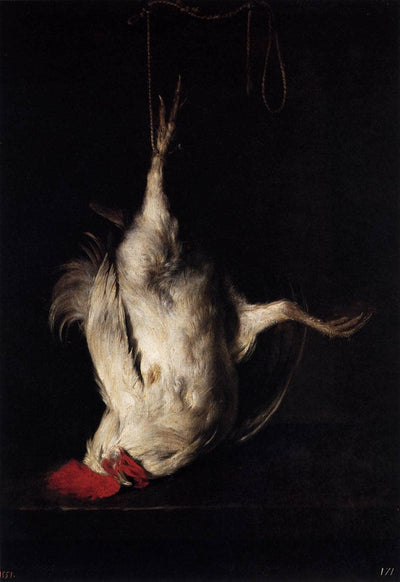 Vendor:Gabriel Metsu
Dead Cock
- Regular price
- From $299.95
- Sale price
- From $299.95
- Regular price
-
$350.95
-
Winter in the Crimea


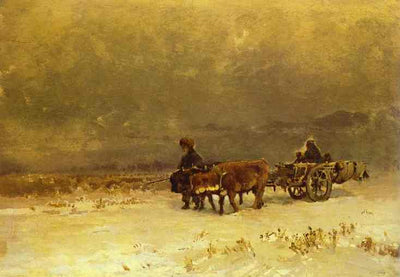 Vendor:Fyodor Vasilyev
Winter in the Crimea
- Regular price
- From $299.95
- Sale price
- From $299.95
- Regular price
-
$350.95
-
Near a Watering Place

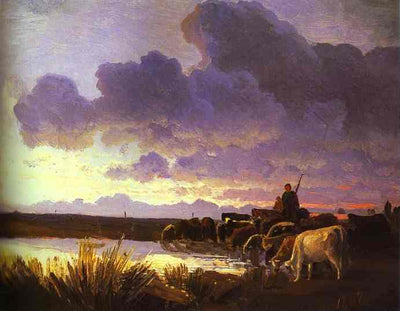 Vendor:Fyodor Vasilyev
Near a Watering Place
- Regular price
- From $299.95
- Sale price
- From $299.95
- Regular price
-
$350.95
-
Love me, love my dog


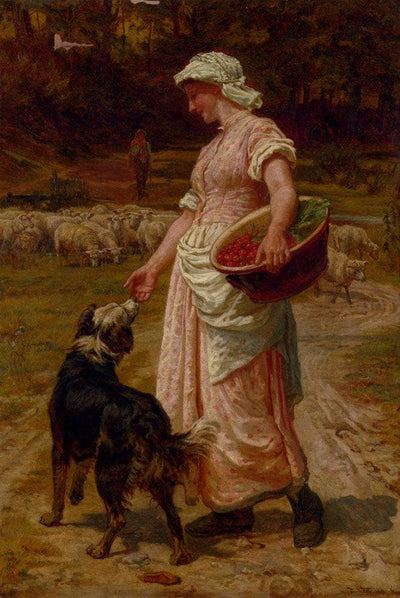 Vendor:Frederick Morgan
Love me, love my dog
- Regular price
- From $299.95
- Sale price
- From $299.95
- Regular price
-
$350.95
-
One of the Family

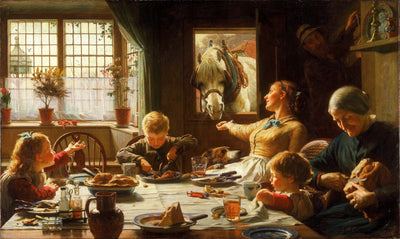 Vendor:Frederick George Cotman
One of the Family
- Regular price
- From $299.95
- Sale price
- From $299.95
- Regular price
-
$350.95
-
Ridden Down


 Vendor:Frederic Remington
Ridden Down
- Regular price
- From $299.95
- Sale price
- From $299.95
- Regular price
-
$350.95
-
The Heron


 Vendor:Frederic Bazille
The Heron
- Regular price
- From $299.95
- Sale price
- From $299.95
- Regular price
-
$350.95
-
Port of the Queen at Aigues-Mortes


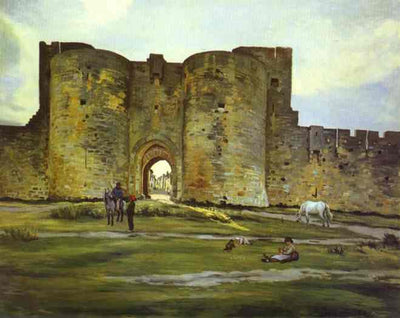 Vendor:Frederic Bazille
Port of the Queen at Aigues-Mortes
- Regular price
- From $299.95
- Sale price
- From $299.95
- Regular price
-
$350.95
-
Still Life with Fish

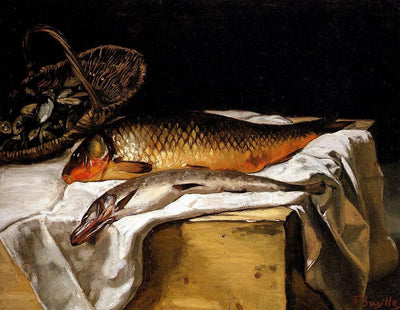 Vendor:Frederic Bazille
Still Life with Fish
- Regular price
- From $299.95
- Sale price
- From $299.95
- Regular price
-
$350.95
-
The Fate of the Animals

 Vendor:Franz Marc
The Fate of the Animals
- Regular price
- From $299.95
- Sale price
- From $299.95
- Regular price
-
$350.95
-
Horse Asleep

 Vendor:Franz Marc
Horse Asleep
- Regular price
- From $249.95
- Sale price
- From $249.95
- Regular price
-
$292.45
-
Wild Pigs (Boar and sow)


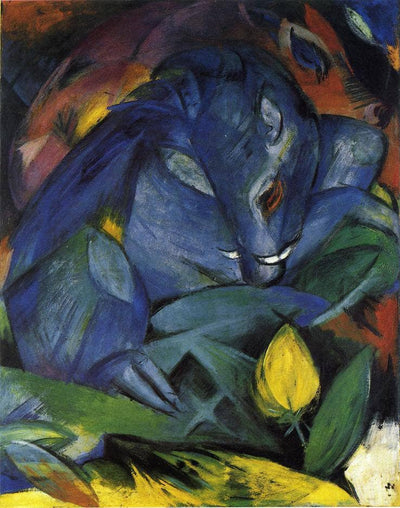 Vendor:Franz Marc
Wild Pigs (Boar and sow)
- Regular price
- From $299.95
- Sale price
- From $299.95
- Regular price
-
$350.95
-
Mandrill

 Vendor:Franz Marc
Mandrill
- Regular price
- From $299.95
- Sale price
- From $299.95
- Regular price
-
$350.95
-
Animals in a Landscape


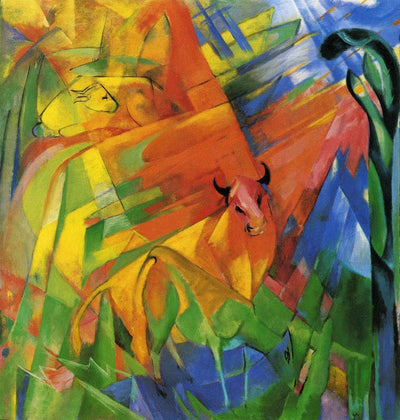 Vendor:Franz Marc
Animals in a Landscape
- Regular price
- From $249.95
- Sale price
- From $249.95
- Regular price
-
$292.45
-
Deer in the Forest

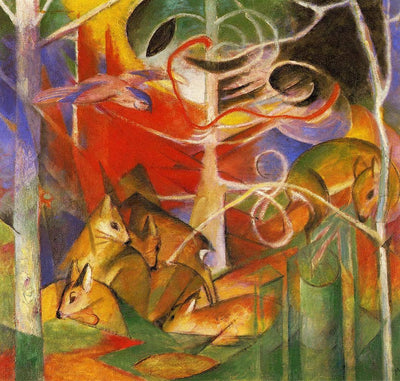 Vendor:Franz Marc
Deer in the Forest
- Regular price
- From $249.95
- Sale price
- From $249.95
- Regular price
-
$292.45
-
Nude with Cat

 Vendor:Franz Marc
Nude with Cat
- Regular price
- From $249.95
- Sale price
- From $249.95
- Regular price
-
$292.45
-
The Unfortunate Land of Tyrol


 Vendor:Franz Marc
The Unfortunate Land of Tyrol
- Regular price
- From $299.95
- Sale price
- From $299.95
- Regular price
-
$350.95
-
The Yellow Cow

 Vendor:Franz Marc
The Yellow Cow
- Regular price
- From $299.95
- Sale price
- From $299.95
- Regular price
-
$350.95
-
Two Cats, Blue and Yellow

 Vendor:Franz Marc
Two Cats, Blue and Yellow
- Regular price
- From $299.95
- Sale price
- From $299.95
- Regular price
-
$350.95
-
The Enchanted Mill

 Vendor:Franz Marc
The Enchanted Mill
- Regular price
- From $299.95
- Sale price
- From $299.95
- Regular price
-
$350.95
-
Deer in the Forest II

 Vendor:Franz Marc
Deer in the Forest II
- Regular price
- From $249.95
- Sale price
- From $249.95
- Regular price
-
$292.45
-
Shepherds

 Vendor:Franz Marc
Shepherds
- Regular price
- From $299.95
- Sale price
- From $299.95
- Regular price
-
$350.95
-
Two Horses

 Vendor:Franz Marc
Two Horses
- Regular price
- From $299.95
- Sale price
- From $299.95
- Regular price
-
$350.95
-
The Red Deer II


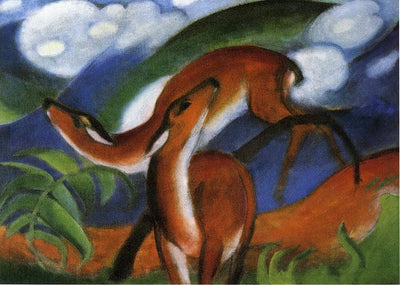 Vendor:Franz Marc
The Red Deer II
- Regular price
- From $299.95
- Sale price
- From $299.95
- Regular price
-
$350.95
-
Long Yellow Horse

 Vendor:Franz Marc
Long Yellow Horse
- Regular price
- From $299.95
- Sale price
- From $299.95
- Regular price
-
$350.95
-
Three Cats

 Vendor:Franz Marc
Three Cats
- Regular price
- From $299.95
- Sale price
- From $299.95
- Regular price
-
$350.95
-
In the Rain

 Vendor:Franz Marc
In the Rain
- Regular price
- From $299.95
- Sale price
- From $299.95
- Regular price
-
$350.95
-
Deer in a Monastery Garden

 Vendor:Franz Marc
Deer in a Monastery Garden
- Regular price
- From $299.95
- Sale price
- From $299.95
- Regular price
-
$350.95
-
The Large Blue Horses

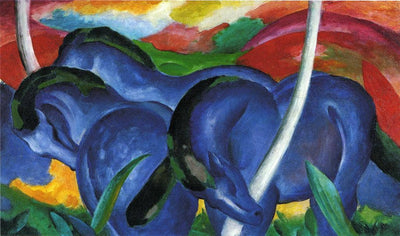 Vendor:Franz Marc
The Large Blue Horses
- Regular price
- From $299.95
- Sale price
- From $299.95
- Regular price
-
$350.95
-
The Steer (The Bull)

 Vendor:Franz Marc
The Steer (The Bull)
- Regular price
- From $299.95
- Sale price
- From $299.95
- Regular price
-
$350.95
-
The Little Blue Horses

 Vendor:Franz Marc
The Little Blue Horses
- Regular price
- From $299.95
- Sale price
- From $299.95
- Regular price
-
$350.95
-
Picture with Cattle

 Vendor:Franz Marc
Picture with Cattle
- Regular price
- From $299.95
- Sale price
- From $299.95
- Regular price
-
$350.95
-
Little Yellow Horses

 Vendor:Franz Marc
Little Yellow Horses
- Regular price
- From $299.95
- Sale price
- From $299.95
- Regular price
-
$350.95
-
Deer in the Snow

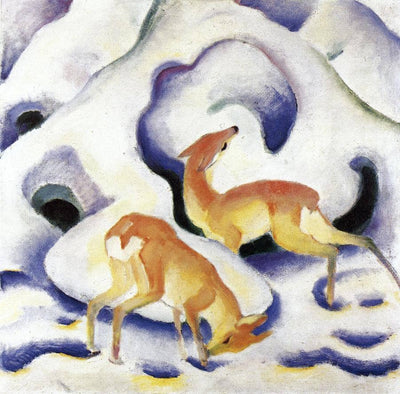 Vendor:Franz Marc
Deer in the Snow
- Regular price
- From $249.95
- Sale price
- From $249.95
- Regular price
-
$292.45
-
The Monkey

 Vendor:Franz Marc
The Monkey
- Regular price
- From $299.95
- Sale price
- From $299.95
- Regular price
-
$350.95
-
Cows, Yellow-Red-Green

 Vendor:Franz Marc
Cows, Yellow-Red-Green
- Regular price
- From $299.95
- Sale price
- From $299.95
- Regular price
-
$350.95
-
Horse in a landscape

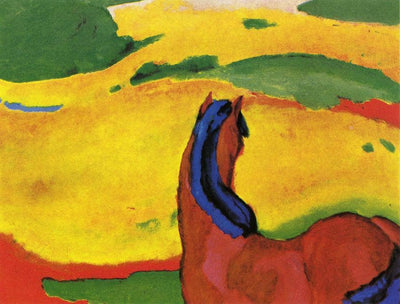 Vendor:Franz Marc
Horse in a landscape
- Regular price
- From $299.95
- Sale price
- From $299.95
- Regular price
-
$350.95
-
Young Boy with a Lamb

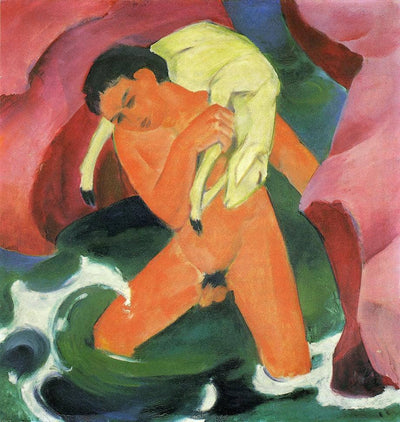 Vendor:Franz Marc
Young Boy with a Lamb
- Regular price
- From $249.95
- Sale price
- From $249.95
- Regular price
-
$292.45
-
Deer at Dusk

 Vendor:Franz Marc
Deer at Dusk
- Regular price
- From $299.95
- Sale price
- From $299.95
- Regular price
-
$350.95
-
Little Blue Horse

 Vendor:Franz Marc
Little Blue Horse
- Regular price
- From $299.95
- Sale price
- From $299.95
- Regular price
-
$350.95




Frequently Asked Questions
How much do Animal Art oil painting reproductions cost?
Our Animal Art oil painting reproductions start at $299.95. Prices vary by size: larger canvases and custom dimensions cost more. Every painting includes free worldwide shipping and a 90-day satisfaction guarantee.
What Animal Art paintings are available?
We carry 1678+ Animal Art oil painting reproductions. Highlights include Dutch genre scene, Dead Cock, Winter in the Crimea, Near a Watering Place, Love me, love my dog. Every piece is hand-painted by professional artists on premium canvas.
Are these Animal Art prints or hand-painted reproductions?
Every Animal Art reproduction is 100% hand-painted by professional artists using premium oil paints on gallery-grade canvas. These are not prints, giclées, or digital reproductions. Each piece captures the original brushwork, texture, and color depth of the masterpiece.
What sizes are available for Animal Art painting reproductions?
Each Animal Art painting is available in multiple standard sizes, from small (16" × 20") to large museum-scale formats. Custom dimensions are available upon request. Contact us with your preferred size for a quote.
How long does it take to receive my painting?
Each painting is made to order. Production takes 2–3 weeks, plus 5–10 business days for worldwide shipping. Total delivery time is typically 3–5 weeks depending on your location. Shipping is free worldwide.
What is your return policy?
We offer a 90-day satisfaction guarantee. If you're not completely happy with your painting, contact us for a full refund or replacement, no questions asked.
What animal painting is
An animal painter is an artist who specializes in the portrayal of animals. That is the whole definition, and it is narrower than this page, because most of the great animal pictures in European art were made by artists who did other things as well. A table piece with a hare on it is animal art. A portrait with a hound at the sitter's knee is animal art. A landscape with a flock crossing it is animal art. The subject cuts across every other genre, which is why 1,819 works end up in one group here.
It helps to divide them by what the creature is doing. Sometimes it is the subject, alone and studied: a finch on a perch, a tiger in the jungle, a ram under the shears. Sometimes it is a companion, a status symbol or a piece of furniture in somebody else's picture. Sometimes it is a symbol, and the whole meaning of the work depends on knowing which creature is which. All three kinds are here.
Famous animal paintings
These are the famous animal paintings people ask for by name, and each can be ordered as a hand-painted reproduction.
- The Goldfinch by Carel Fabritius, a Dutch Golden Age artist. The picture shows a life-sized chained European goldfinch, signed and dated 1654, and it has been in the Mauritshuis in The Hague since 1896. It is a trompe l'oeil on panel measuring 33.5 by 22.8 centimeters that was once part of a larger structure, perhaps a window jamb or a protective cover, and it may have been in the artist's workshop in Delft at the time of the gunpowder explosion that killed him and destroyed much of the city.
- The Sleeping Gypsy by Henri Rousseau, a canvas of 1897 showing a lion musing over a sleeping woman on a moonlit night. It is held by the Museum of Modern Art in New York, donated by Olga Guggenheim in 1939, and in the museum it hangs next to The Starry Night.
- The Tower of Blue Horses and Blue Horse I by Franz Marc, the two best known pictures of the Blaue Reiter circle.
- Shearing the Rams by Tom Roberts, sheep and shearers in an Australian shed.
- Parkland Setting with Birds and A Monkey, a Dog and Various Birds in a Landscape by Tobias Stranover, two menagerie scenes in which nothing is the main subject.
- The Scapegoat by William Holman Hunt, a single creature carrying the entire meaning of the work.
- Sirin and Alkonost, The Birds of Joy and Sorrow by Viktor Vasnetsov, two mythological creatures from Russian legend.
- Still Life with Three Puppies by Paul Gauguin, one of the four principal artists of Post-Impressionism along with Paul Cezanne, Vincent van Gogh and Georges Seurat.
- Study for Composition VIII, The Cow by Theo van Doesburg, an animal reduced to flat geometry.
- Two Rats by Vincent van Gogh, an early study of two unglamorous creatures.
- Portrait of Federico II Gonzaga by Titian and William Poyntz of Midgham and his Dog Amber by Thomas Gainsborough, two sitters with dogs.
- Officer of the Chasseurs Charging on Horseback by Theodore Gericault and The Blue Rider by Wassily Kandinsky, two horses a century apart.
Animal artists in the store, by name
If you would rather browse by artist than by species, these are the groups worth opening. The counts come from the store catalog.
- the Stubbs catalog, 52 pieces. George Stubbs is the name most searched for animal art in the English gallery tradition, and he worked from the skeleton outwards.
- Landseer's beasts, 43 pieces, the nineteenth century specialist for the creature as the whole subject.
- Oudry's game pieces, 49 pieces, and Snyders in the larder, 38 pieces, for hunting, kitchens and dead game.
- the Rousseau jungles, 100 pieces. Henri Rousseau was a French post-Impressionist painter in the Naive or Primitive manner, also known as Le Douanier, a humorous description of his job as a toll and tax collector. He started painting seriously in his early forties and retired at 49 to work full-time.
- Marc's colored animals, 70 pieces, and Friese in the wild, 14 pieces.
The hardest small subject
A bird is the test case for this whole genre. They are small, they are covered in a structure no brush can literally copy, and they do not stay still, so such a picture is always a memory or a dead specimen rather than a sitting. That is what makes The Goldfinch so remarkable: a life-sized creature on a panel 33.5 by 22.8 centimeters, painted as trompe l'oeil so it reads as a real creature chained to a real wall.
The rest of these pictures split into three groups. There are the decorative menageries, like the two Stranover works, where exotic species are arranged in a park for the pleasure of the arrangement. There are the game scenes, where the creature is dead and hanging in a kitchen, which belong to the still life genre. And there are the mythological ones, like Vasnetsov's Sirin and Alkonost, which are not really birds at all.
If you want one of these on your wall, go small and go close. These pictures were painted at life size to be seen at arm's length, and blowing one up to the largest size available works against the illusion the artist built.
Wild animals, jungles and the imagined beast
The wild animal arrives late in European painting, because until the nineteenth century almost nobody had seen one. Henri Rousseau is the great example of what that produces. His Tiger in a Tropical Storm, also titled Surprised, is an 1891 oil on canvas, the first of the jungle scenes for which he is chiefly known, and it shows a tiger lit by a flash of lightning preparing to pounce on its prey in the middle of a raging gale. Rousseau never saw a jungle. He worked from a botanical garden, a menagerie and his own head, and the result is more convincing than most pictures made from life.
The Sleeping Gypsy works the same way: a lion musing over a sleeping woman on a moonlit night, finished in 1897 and given to the Museum of Modern Art in New York by Olga Guggenheim in 1939. If you like this strand, the Rousseau group in the catalog is the deepest place to look, and it is the one part of this page where the imagined creature beats the observed one.
Working animals, farms and flocks
Most animals in art are at work. Sheep are being sheared, oxen are pulling, dogs are hunting, horses are carrying somebody who matters. Tom Roberts's Shearing the Rams is the clearest example on this page, and pictures like it were painted as records of a trade rather than as celebrations of a species.
These are the easiest animal pictures to live with, and the most underrated. They are horizontal, they are full of human activity, and they carry a landscape as well as a creature, so they work in a kitchen or a dining room where a lion would be absurd. Frans Snyders and Jean-Baptiste Oudry are the two names to follow if you want the working and hunting world rather than the wild one, and both groups are well stocked here.
The companion animal in somebody else's picture
The biggest single category on this page is not a species at all. It is the animal that appears inside a portrait, a genre scene or a history painting because it belongs to the human being in the frame. The Arnolfini Portrait, an oil on oak panel dated 1434 and now in the National Gallery in London, is the founding example: a full-length double portrait believed to show the Italian merchant Giovanni di Nicolao Arnolfini and his wife in their residence in Bruges, with a small dog in the front of the room that has been argued over ever since.
Portrait painting is a genre in which the intent is to represent a specific human subject, and portraits serve as important state and family records as well as remembrances. Once you know that, the animal in the corner becomes readable: it is part of the record. A hound says land. A horse says rank. A lap animal says leisure. A Stroll in the Park by William James Glackens is a modern version of exactly the same idea, and so is Portrait of Count Feliks Feliksovich Sumarokov-Yelstov by Valentin Serov.
Even the Italian Renaissance worked this way. Eight major works are universally attributed to Leonardo da Vinci, and not one of them is an animal picture; the closest thing in his accepted output is the Lady with an Ermine, which is a portrait of Cecilia Gallerani holding a creature, not a study of the creature itself. Leonardo da Vinci drew animals constantly and put them on panel almost never, which tells you how the hierarchy of subjects worked in his century.
Game, fish and the kitchen table
A still life is a work of art depicting mostly inanimate subject matter, typically commonplace objects that are either natural or human-made, and a dead hare on a table qualifies. That is the other half of the subject and it is a large half. Hunting produced game, game produced kitchens, and kitchens produced some of the best painting of the seventeenth century.
The Silver Tureen by Jean-Baptiste-Simeon Chardin is the refined end of that tradition, where a cat or a dog reaches into a still life and turns it into a story. Frans Snyders, whose group here runs to 38 pieces, is the loud end: larders piled with fur and feather. These pictures are not for everyone, and they were never meant to be gentle. They are about abundance, and about the fact that abundance involves killing things.
If that subject appeals, it is worth knowing that these are among the most technically impressive works in the whole catalog. Getting fur and feather right on a table, under a single hard light, with the eye of a dead creature catching a highlight, is harder than almost anything in a portrait.
Fish, insects and the smallest creatures
At the very small end of the scale there are the fish pictures and the insect pictures, and both reward a close look. Fish appear in kitchen scenes and market scenes, usually silver, usually wet, and always worked with a loaded brush over dry paint so the scales catch the light. The Dutch and Flemish artists were the masters of it.
Insects are stranger. They appear as tiny accents in flower pieces, a cricket in a niche, a butterfly on a marble ledge, and their real job is to prove the painter's eye. A viewer in 1700 looking at a picture with a fly on the frame understood it as a joke and a boast at the same time. Jan van Kessel the Elder, with 23 pieces in the catalog, is the specialist worth opening if this is your taste.
The smallest creatures are also where the best value hides on this page. Almost nobody searches for a painting of an insect, so those works sit quietly in the grid while the tigers and horses take the attention.
Which animal pictures are popular, and why
It is worth being honest about what sells here, because popular taste on this subject is very stable. The horse is the most popular animal in the whole of European art and the most popular in this catalog, with 700 works. Dogs come second at 444. Then the feathered group at 232, then cats at 147. That ranking has barely moved in three hundred years.
The reasons are not aesthetic. A horse was expensive, so it got its picture made. A dog belonged to a household, so it got the same. A cat belonged to nobody, so it arrived later and less often, and the cat paintings in this collection are the smallest household group as a result. A wild species reached the easel when somebody could afford to keep an exotic one, or when somebody shot an edible one. The popularity of a species in art history is really a record of its place in human economics, and this page is that record with frames on it.
Something else worth knowing: the most popular artworks on this page are not the ones with the most famous names attached. A menagerie scene by an artist nobody has heard of will often outsell a minor picture by a household name, because buyers on this subject choose the creature first and the signature second. That is unusual in an art catalog and it makes this a good page to browse with your eyes rather than with a shopping list.
British and continental traditions
Two traditions dominate animal art, and they behave differently on a wall. The British tradition, which runs from Stubbs through Landseer, treats the creature as an individual with a name and a character. Those pictures are pale, outdoor, full of sky, and they suit daylight. J.M.W. Turner, an English Romantic painter considered one of the greatest and most influential British artists of any period, and a fixture of every London gallery, sits at the edge of this world, and his weather is the same weather these animals stand in.
The continental tradition, which runs through Snyders, Oudry and the Dutch specialists, treats the creature as part of an arrangement. Those pictures are dark, indoor, densely packed, and they need a warm lamp. Neither is better. But if you have picked a British picture and a Dutch picture for the same wall and they are fighting, this difference is why.
Choosing an animal painting for a room
Start with the creature. Many collections reward a study of periods; this is the one subject where the creature matters more than the period, the artist or the style, because you will be looking at it every day and either you like the face or you do not. Nobody regrets buying a picture of a creature they love; plenty of people regret buying a good picture of a creature they are indifferent to.
Then think about scale. A single life-sized creature at a middle size is the safest choice in the catalog. A menagerie or a game scene needs width and distance, and many buyers underestimate that. A tiny bird study needs to be hung low, close and in good light.
Then think about company. Animal pictures work well in groups of two or three, and the easiest grouping is by habitat rather than by species: three woodland pictures, or three domestic interiors, hold together better than three unrelated creatures. If you are unsure, two pieces of the same size with a narrow gap will look deliberate whatever is in them.
Animals as symbols
A great many of these pictures are not about the creature at all. The Scapegoat is a goat and also an argument about sin. Sirin and Alkonost are birds and also joy and sorrow. The Goldfinch is a bird and also, because it is chained, a small statement about captivity. Christian art in particular loaded animals with meaning: the lamb, the dove, the fish, the lion of Saint Mark.
None of that needs explaining for the picture to work on a wall, but it changes what you are living with. A symbolic animal picture stays interesting for years, because there is something to think about, while a purely decorative one can go quiet after a month. If you want a picture that keeps talking, look for the ones where the creature is clearly standing in for something else.
How an animal reproduction is made
A studio artist works from the museum reference in oil, building fur, feather or fleece in the order the original was built, with the finest marks last. Nothing is printed and nothing is transferred. Seven sizes are available with an optional frame, and you approve a photo of the finished work before it ships. Free worldwide shipping and 90-day returns apply. On this subject the approval photo matters most at the eye and the edge of the coat: those two carry the life of the creature, and everything else is landscape.
Two last practical notes. The collection is easiest to search by species rather than by artist, because the titles in this field are unusually literal: a picture called A Monkey, a Dog and Various Birds in a Landscape contains exactly that. And the oil paintings in the smaller species groups tend to be the surprising ones, since nobody has picked them over. See what is in the bull, wolf, elephant and rabbit groups before you settle on a horse, even if a horse is where you started.
If you are buying a gift, an animal picture is among the safest choices in the whole catalog. It does not require the recipient to know anything about art history, it does not date, and it does not commit them to a decorating scheme. The only real risk is choosing a creature they dislike, which is easy enough to avoid by asking one question.
A final word on the artist collections. Many of the best animal pictures in this catalog are by hands nobody outside the field recognizes, and the artist groups are the fastest way to find them. Tobias Stranover, Richard Friese and Jean-Baptiste Oudry are all worth an hour, and the Stubbs collection repays a second visit; George Stubbs is the one name in this field that every other painter had to answer, and the London and Paris gallery names that dominate the general lists do not dominate this one. Animal art has always been a specialist trade with its own hierarchy, and this page is more interesting if you approach it that way.
Browse related collections
The group divides by species, and some of the smaller groups are the most interesting.
- Horse reproductions, the largest single species group.
- Dogs on canvas for the companion animal.
- Cat reproductions for the household rival.
- Feathered subjects for goldfinches, hawks and game.
- Table pieces in oil for dead game and the kitchen.
Frequently asked questions
What is an animal painter? An artist who specializes in the portrayal of animals. The description fits a minority of the artists on this page, because most animal pictures in European art were made by painters who also did portraits, landscapes and still life.
Which animals appear most often? In this catalog the horse leads by a wide margin, with 700 works, followed by dogs at 444 and the feathered group at 232. Cats are the smallest of the household groups at 147.
Are these prints? No. Each is an original oil on canvas painted by hand by a studio artist, in seven sizes, with an optional frame and a photo of the finished work for your approval before it ships.
We’ll Paint Any Image You Want
Just send us a photo or the painting name and our artists will hand-paint it for you.