
The Old Mill: A Masterpiece of Post-Impressionism by Vincent van Gogh
Exploring the Historical Context of The Old Mill
The Influence of Dutch Landscape on Van Gogh's Work
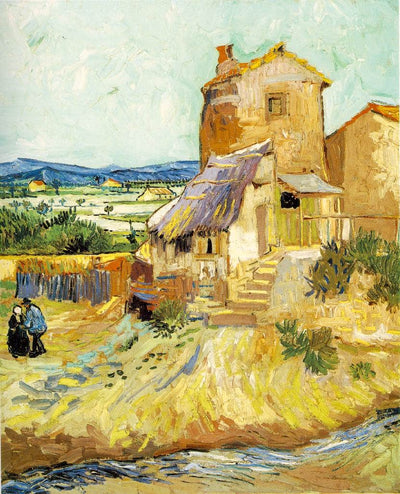
Vincent van Gogh's "The Old Mill" captures the essence of the Dutch
countryside. The painting reflects the serene beauty of
rural life, showcasing the iconic windmills that dot the landscape. These structures symbolize the harmony between
nature and human ingenuity. Van Gogh's deep connection to the Netherlands is evident in his choice of subjects, as he often painted the landscapes that surrounded him, including
fields, farms, and
waterways.
Artistic Movements: From Impressionism to Post-Impressionism
"The Old Mill" is a prime example of the transition from
Impressionism to
Post-Impressionism. While Impressionists focused on capturing fleeting moments, Van Gogh infused his work with emotional depth and personal expression. This painting showcases his unique style, characterized by bold colors and dynamic brushwork. Van Gogh's innovative approach set him apart from his contemporaries, allowing him to convey his feelings through the landscape.
Van Gogh's Life in the Netherlands: A Reflection in His Art
Van Gogh's early life in the Netherlands greatly influenced his artistic vision. He experienced the beauty and struggles of rural life, which he translated into his art. "The Old Mill" reflects his nostalgia for the Dutch countryside, where he found solace and inspiration. The painting serves as a window into his soul, revealing his longing for connection with nature and the simplicity of rural existence.
Visual Analysis of The Old Mill: Colors, Techniques, and Composition
Color Palette: The Vibrant Hues of Nature
The color palette of "The Old Mill" is rich and vibrant, featuring earthy tones of green, brown, and gold. Van Gogh's use of color evokes the warmth of the sun shining on the fields. The contrasting blues of the
sky add depth and dimension to the scene. This harmonious blend of colors creates a sense of tranquility, inviting viewers to immerse themselves in the beauty of the landscape.
Brushwork Techniques: Impasto and Expressive Strokes
Van Gogh employed impasto techniques in "The Old Mill," applying thick layers of paint to create texture and movement. His expressive strokes convey the energy of the wind and the rustling of
leaves. This tactile quality draws viewers in, allowing them to feel the atmosphere of the scene. The dynamic brushwork reflects Van Gogh's emotional state, making the painting a powerful expression of his inner world.
Composition Elements: Balance and Perspective in the Landscape
The composition of "The Old Mill" is carefully balanced, with the mill positioned prominently against the backdrop of rolling hills. Van Gogh's use of perspective guides the viewer's eye through the landscape, creating a sense of depth. The arrangement of elements, including the winding path and the surrounding
trees, enhances the feeling of movement and invites exploration. This thoughtful composition showcases Van Gogh's mastery of landscape painting.
Thematic Exploration: Nature, Industry, and Human Connection
Symbolism of the Mill: A Bridge Between Nature and Industry
The mill in "The Old Mill" symbolizes the intersection of nature and industry. It represents the harmony that can exist between human activity and the natural world. Van Gogh's portrayal of the mill reflects his appreciation for the labor that sustains rural life. This theme resonates with viewers, reminding them of the importance of balance in our relationship with the environment.
Emotional Resonance: Capturing the Essence of Rural Life
Van Gogh's "The Old Mill" captures the essence of rural life, evoking feelings of nostalgia and peace. The painting reflects the simplicity and beauty of everyday moments in the countryside. Van Gogh's emotional connection to the landscape shines through, allowing viewers to experience the tranquility he felt. This emotional resonance makes the painting a timeless representation of the human experience.
Van Gogh's Relationship with Nature: A Personal Journey
Van Gogh's relationship with nature was deeply personal. He often sought solace in the landscapes he painted, using them as a means of self-expression. "The Old Mill" serves as a testament to his love for the natural world. The painting reflects his journey of discovery and his desire to connect with the beauty around him. This personal narrative adds depth to the artwork, inviting viewers to reflect on their own connections to nature.
Comparative Analysis: The Old Mill and Other Works by Van Gogh
Contrasting Landscapes: The Old Mill vs. Starry Night
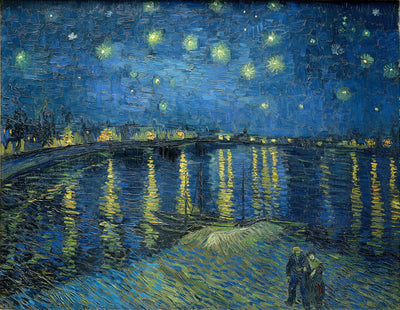
When comparing "The Old Mill" to "Starry Night," we see two distinct yet complementary visions of Van Gogh's world. "Starry Night" captures the night sky's swirling energy, while "The Old Mill" embodies the calm of the countryside. Both paintings showcase Van Gogh's mastery of color and emotion, yet they evoke different feelings. This contrast highlights the versatility of his artistic expression.
Recurring Motifs: Mills in Van Gogh's Artistic Journey
Mills appear frequently in Van Gogh's work, symbolizing his fascination with rural life. In addition to "The Old Mill," he painted other mill scenes, each reflecting his evolving style and emotional state. These recurring motifs reveal his deep appreciation for the landscapes of his homeland. They serve as a visual narrative of his artistic journey, showcasing his growth as an artist.
Influence of Other Artists: How Van Gogh Stood Out
Van Gogh was influenced by various artists, yet he developed a unique style that set him apart. His bold use of color and expressive brushwork distinguished him from his contemporaries. While Impressionists focused on light and atmosphere, Van Gogh infused his work with emotion and personal experience. This individuality allowed him to create masterpieces like "The Old Mill," which continue to resonate with audiences today.
Legacy and Impact: The Old Mill in Art History
Reception Over Time: From Criticism to Celebration
Initially, "The Old Mill" faced criticism, as many did not understand Van Gogh's innovative approach. However, over time, the painting gained recognition for its emotional depth and artistic merit. Today, it is celebrated as a significant work in the Post-
Impressionist movement. This shift in reception reflects the evolving appreciation for Van Gogh's contributions to art history.
The Old Mill's Influence on Modern Artists
"The Old Mill" has inspired countless modern artists, who draw from Van Gogh's techniques and themes. His bold colors and emotional expression continue to influence contemporary landscape painting. Artists today often reference Van Gogh's work as they explore their own connections to nature and the human experience. This enduring influence speaks to the timelessness of Van Gogh's vision.
Van Gogh's Enduring Legacy: A Cultural Icon
Vincent van Gogh's legacy as a cultural icon is firmly established. "The Old Mill" stands as a testament to his genius and emotional depth. His ability to convey complex feelings through simple subjects resonates with audiences worldwide. Van Gogh's work continues to inspire and captivate, ensuring his place in the pantheon of great artists.
First-Hand Experience: Viewing The Old Mill in Person
Visiting the Van Gogh Museum: A Personal Encounter
Experiencing "The Old Mill" in person at the Van Gogh Museum is a profound journey. The museum houses an extensive collection of Van Gogh's works, allowing visitors to immerse themselves in his artistic world. Standing before "The Old Mill," one can appreciate the intricate details and vibrant colors that bring the painting to life. This personal encounter deepens the connection to Van Gogh's vision.
Emotional Impact: What It Feels Like to Stand Before the Painting
Standing before "The Old Mill" evokes a powerful emotional response. The painting's beauty and depth resonate with viewers, inviting reflection on their own experiences with nature. The vibrant colors and dynamic brushwork create a sense of movement, making the scene feel alive. This emotional impact is a testament to Van Gogh's ability to connect with audiences across time and space.
Guided Tours: Insights from Art Historians
Guided tours of the Van Gogh Museum offer valuable insights into "The Old Mill" and Van Gogh's artistic journey. Art historians provide context and analysis, enhancing the viewing experience. These tours allow visitors to explore the themes and techniques that define Van Gogh's work. Engaging with knowledgeable guides deepens the appreciation for the painting and its significance in art history.
FAQs About The Old Mill by Vincent van Gogh
What inspired Vincent van Gogh to paint The Old Mill?
Van Gogh was inspired by the beauty of the Dutch countryside and the iconic windmills that symbolize rural life. His love for nature and the simplicity of rural existence motivated him to capture this scene.
What techniques did Van Gogh use in The Old Mill?
Van Gogh used impasto techniques, applying thick layers of paint to create texture. His expressive brushwork and vibrant color palette convey emotion and movement in the landscape.
How does The Old Mill reflect Van Gogh's emotional state?
The painting reflects Van Gogh's longing for connection with nature and the peace he found in rural life. The vibrant colors and dynamic brushwork express his emotional depth and personal journey.
What is the significance of the mill in the painting?
The mill symbolizes the harmony between nature and industry. It represents the balance that can exist between human activity and the natural world, highlighting Van Gogh's appreciation for rural life.
Where can I see The Old Mill in person?
You can see "The Old Mill" at the Van Gogh Museum in Amsterdam, which houses an extensive collection of his works. Visiting the museum offers a unique opportunity to experience the painting up close.
What are the differences between the original painting and its reproductions?
Art reproductions of "The Old Mill" capture the essence of the original but lack the texture and depth of the oil painting. Reproductions are superior to prints, as they offer a more authentic representation of Van Gogh's techniques and colors.
How can I care for a reproduction of The Old Mill?
To care for a reproduction of "The Old Mill," keep it in a cool, dry place away from direct sunlight. Use a soft cloth to dust it gently, and avoid using harsh chemicals. Proper care will help preserve the beauty of the reproduction for years to come.