4.9/5
4.9/5






SAMPLES OF QUALITY
Recent Hand-Painted Reproductions
Discover some of our latest oil paintings, each one carefully hand-painted on canvas.

AS SEEN IN






by Paul Cezanne
Handmade Oil Painting on Canvas Art Reproduction, Museum-quality

The six dominant colors measured from the painting, with the share of canvas each one covers. Click a swatch to copy its hex code.
Processing & Shipping Time
Your delivery time includes two parts:
Shipping Methods
We ship with trusted couriers like FedEx, UPS, and DHL. Every shipment includes a tracking code.
Our goal is to deliver your order safely and quickly.
Shipment Safety Measures
We handle your products with care so they arrive in perfect condition:
Every product is insured and delivered right to your door, so you can feel confident buying from us.
Every Art & See painting is created by artists with 15+ years of experience using professional-grade oil paints and premium linen canvas with UV-resistant protective coating, the same museum-grade materials used in galleries worldwide. Each piece goes through quality review before your approval photos are taken. If after delivery you have any concerns about your painting, contact us at [email protected] and our team will work with you on the best path forward.
Full Warranty
Every painting is protected against physical damage during shipping. If your painting arrives damaged, we repair or replace it, free of charge.
Coverage Details
Transit damage (crushed, torn, water damage): we repair or replace at no cost. Please note that damages resulting from accidents or inappropriate use are not covered under this warranty.
Repair or Replace
Depending on the extent of damage, the affected painting will either be repaired or replaced at no additional cost to you.
Free Service
All warranty services are provided absolutely free of charge.
We want you to absolutely love your handmade artwork. Here's how it works:
In the rare case you approve the photos and the artwork has been shipped and delivered to you, and you still want additional modification requests, we can handle it as a courtesy at our discretion. If accepted, you cover the return shipping cost.
| Type | Hand-Painted Oil Painting Reproduction |
| Original Artist | Paul Cezanne |
| Price Range | $299.95 to $1,299.95 |
| Shipping | Free Worldwide |
| Returns | 90-Day Returns |
| Medium | Oil on Canvas |
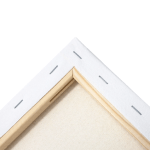
| Canvas | Museum-Grade Linen Canvas |
| Technique | Hand-painted brushstroke-by-brushstroke |
| Art Style | Impressionism |
| Period | 19th Century |
| Artist Nationality | French |
| Orientation | Vertical |
| Subject | Portraits female |
| Available Sizes | 7 (16'' W × 20'' H to 48'' W × 72'' H) |
| Framing Options | Unframed, Stretched Canvas, Classic & Modern Frames |
| Delivery | 14–28 business days |
Paul Cézanne, born in 1839 in Aix-en-Provence, France, is often hailed as the father of modern art. His innovative approach to color, form, and perspective laid the groundwork for the transition from Impressionism to Post-Impressionism. Cézanne's unique vision transformed the way artists perceive and depict reality, making him a pivotal figure in art history.
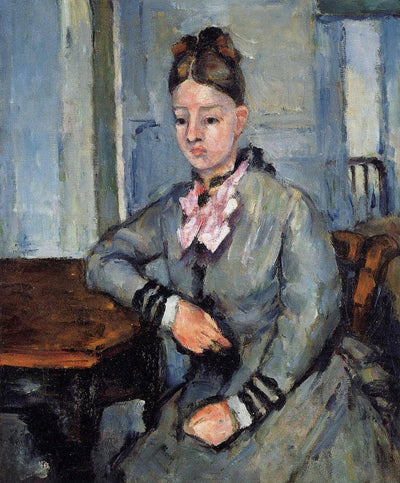
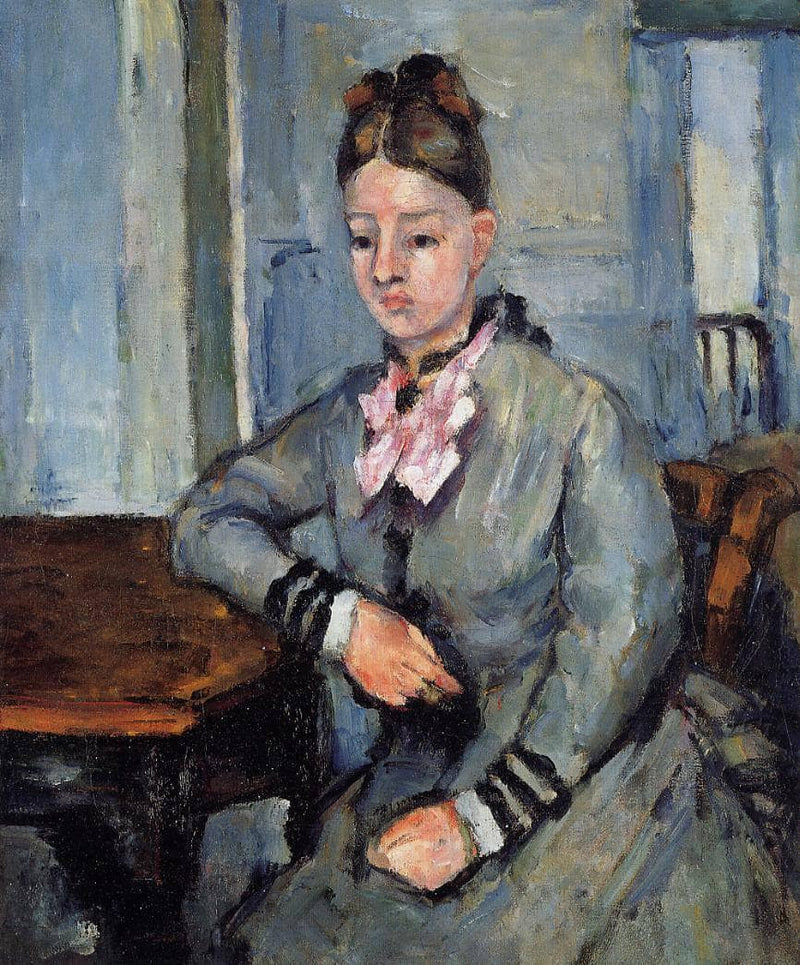
Throughout his life, Cézanne faced criticism and rejection, yet he remained dedicated to his craft. His relentless pursuit of artistic truth led him to explore the complexities of nature and human emotion. This dedication is evident in his iconic works, including "Madame Cézanne Leaning on a Table," which showcases his mastery of composition and color.
Cézanne's work marked a significant shift in the art world. He moved away from the fleeting effects of light characteristic of Impressionism, focusing instead on the underlying structure of objects. His innovative use of geometric shapes and bold brushstrokes paved the way for future movements, including Cubism and Fauvism. "Madame Cézanne Leaning on a Table" exemplifies this transition, blending traditional portraiture with modernist elements.
The subject of "Madame Cézanne Leaning on a Table" is Hortense Fiquet, Cézanne's wife and lifelong muse. Fiquet played a crucial role in Cézanne's artistic journey, providing him with inspiration and emotional support. Her presence in his works reflects their complex relationship, marked by both love and tension.
Hortense was not just a model; she was an integral part of Cézanne's life and art. Her portrayal in this painting captures her strength and vulnerability, showcasing the depth of their connection. This intimate representation invites viewers to explore the nuances of their relationship.
The bond between Cézanne and Fiquet was multifaceted. While they shared a deep emotional connection, their relationship was often strained. This tension is palpable in "Madame Cézanne Leaning on a Table," where Fiquet's pose suggests both contemplation and introspection. Cézanne's ability to convey these emotions through his brushwork adds layers of meaning to the artwork.
The arrangement of elements within the composition is deliberate. Fiquet's figure leans gracefully on the table, surrounded by everyday objects that add context to her character. This thoughtful placement emphasizes the theme of domesticity, a recurring motif in Cézanne's work.
Cézanne's distinctive brushwork is a hallmark of his style. In "Madame Cézanne Leaning on a Table," he employs impasto techniques, layering thick applications of paint to create texture and depth. This method adds a tactile quality to the artwork, making it feel alive and dynamic.
The layering of colors and brushstrokes also contributes to the painting's overall composition. Cézanne's ability to blend colors seamlessly while maintaining distinct brush marks showcases his technical prowess. This technique invites viewers to appreciate the intricacies of his artistic process.
The objects surrounding Madame Cézanne hold symbolic significance. The table, a central element, represents stability and domestic life. The inclusion of fruit and other still-life elements reflects the harmony between human existence and nature. This interplay of objects and figure creates a narrative that transcends the canvas.
Additionally, the use of light and shadow enhances the symbolism within the painting. The interplay of light on Fiquet's face and the objects around her evokes a sense of warmth and intimacy, inviting viewers to ponder the deeper meanings behind the arrangement.
Intimacy and domesticity are central themes in "Madame Cézanne Leaning on a Table." The painting captures a quiet moment in the life of the artist and his muse, reflecting the everyday experiences that shape their relationship. This focus on the ordinary elevates the subject, transforming it into a profound exploration of human connection.
Cézanne's portrayal of Fiquet in a domestic setting invites viewers to consider the significance of home and the bonds formed within it. The painting serves as a reminder of the beauty found in simple moments shared between loved ones.
"Madame Cézanne Leaning on a Table" blurs the lines between still life and portraiture. Cézanne's integration of everyday objects with the human figure creates a dialogue between the two genres. This innovative approach challenges traditional boundaries, showcasing the artist's ability to merge different artistic elements seamlessly.
The result is a rich tapestry of visual storytelling that invites viewers to engage with the artwork on multiple levels. The interplay of still life and portraiture reflects Cézanne's belief in the interconnectedness of all things, emphasizing the importance of context in understanding the human experience.
In the late 19th century, the art world was undergoing significant changes. Impressionism, with its focus on capturing fleeting moments, was giving way to Post-Impressionism, a movement that sought to explore deeper emotional and structural elements in art. Cézanne occupied a unique position within this transition, bridging the gap between the two movements.
"Madame Cézanne Leaning on a Table" exemplifies this shift. While it retains the rich color palette and light effects of Impressionism, it also delves into the underlying forms and structures that characterize Post-Impressionism. This duality makes the painting a vital piece in understanding the evolution of modern art.
Cézanne was influenced by various artistic movements and contemporaries. The works of Impressionists like Monet and Renoir inspired his exploration of color and light. However, his desire to depict the essence of objects led him to develop a unique style that set him apart from his peers.
Additionally, Cézanne's interest in the works of the Old Masters, such as Titian and Rembrandt, informed his approach to composition and form. This blend of influences is evident in "Madame Cézanne Leaning on a Table," where traditional portraiture meets modernist innovation.
"Madame Cézanne Leaning on a Table" has left a lasting impact on the art world. Its innovative composition and emotional depth have inspired countless artists, from the early 20th century to contemporary creators. The painting's exploration of intimacy and domesticity continues to resonate with artists seeking to capture the human experience.
Cézanne's influence can be seen in the works of later movements, including Cubism and Expressionism. Artists like Picasso and Matisse drew inspiration from his techniques, further solidifying his legacy as a pioneer of modern art.
The painting has also found its place in popular culture and art history. It is frequently referenced in discussions about the evolution of portraiture and the role of women in art. "Madame Cézanne Leaning on a Table" serves as a testament to the enduring power of personal relationships in the creative process.
Art enthusiasts and scholars alike celebrate this work for its emotional resonance and technical brilliance. It remains a focal point in exhibitions and art history courses, ensuring that Cézanne's contributions to the art world are recognized and appreciated.
The pose of Hortense Fiquet in the painting conveys a sense of introspection and contemplation. It reflects her emotional state and the complex relationship she shared with Cézanne, inviting viewers to explore the deeper meanings behind her expression.
This painting showcases Cézanne's signature brushwork, use of color, and innovative composition. His layering techniques and earthy palette create a sense of depth and texture, highlighting his unique approach to capturing the human experience.
Hortense's expression in the painting conveys a mix of contemplation and vulnerability. This emotional depth invites viewers to connect with her on a personal level, reflecting the complexities of their relationship.
"Madame Cézanne Leaning on a Table" influenced modern portraiture by blending elements of still life with the human figure. This innovative approach challenged traditional boundaries and inspired future artists to explore new ways of representing human emotion and experience.
The original painting is housed in the National Gallery of Art in Washington, D.C. It is part of their permanent collection and is often featured in exhibitions that celebrate Cézanne's contributions to modern art.
When purchasing a reproduction of "Madame Cézanne Leaning on a Table," consider the quality of materials used, the accuracy of color representation, and the level of detail in the brushwork. A high-quality reproduction will capture the essence of the original artwork.
To ensure the reproduction captures the essence of the original, look for reproductions created by skilled artists who specialize in oil painting techniques. These reproductions are superior to prints, as they replicate the texture and depth of the original artwork, providing a more authentic experience.

Discover some of our latest oil paintings, each one carefully hand-painted on canvas.
At Art & See, we're committed to delivering the highest quality art reproductions. Our team of expert artists and state-of-the-art processes ensure that each piece is a masterpiece in its own right.

Experience your masterpiece's creation through daily photos from our expert artists, each with 15+ years of experience.

Your artwork travels first class via UPS, FedEx, or DHL, protected by museum-grade packaging for safe delivery.

Review unedited photos of your finished painting and request unlimited free revisions before it ships. We only ship when you say it's perfect.

Every piece is crafted with archival materials, UV-resistant finishes, and premium British paints to last generations.

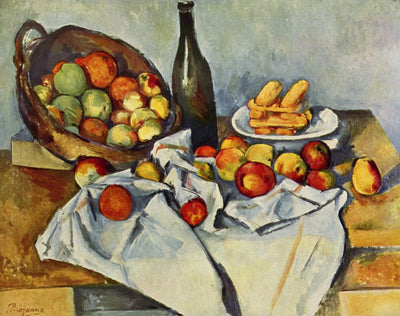
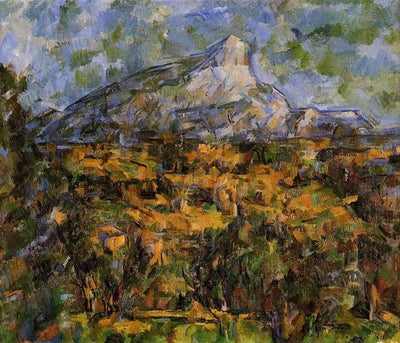

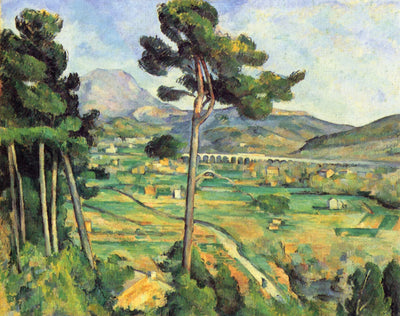
Yes, 100% hand-painted with oil on canvas by artists with 15+ years of experience. No prints, no digital shortcuts. You'll see and feel real brushstrokes, just like the original Paul Cezanne masterpiece.
Your Madame Cezanne Leaning on a Table reproduction takes 2–5 weeks to hand-paint depending on size and detail. Once approved, shipping takes 5–8 days via FedEx, UPS, or DHL with full tracking. Free worldwide shipping included.
Absolutely. Once your Madame Cezanne Leaning on a Table is complete, we send you unedited photos, a full view and close-up details. Request unlimited free revisions until you're 100% satisfied. We don't ship until you say "yes."
Every painting goes through our Preview & Approve process: you receive unedited photos of your finished Paul Cezanne reproduction and can request unlimited free revisions before it ships. We only ship when you say it's perfect. If after delivery you have any concerns, contact us at [email protected] and our team will work with you on the best path forward.
Professional-grade oil paints (Windsor & Newton) on premium linen canvas with UV-resistant protective coating. Museum-grade materials built to last generations, the same quality used in galleries worldwide.
Our artists specialize in Paul Cezanne's technique: color accuracy, brushwork, and composition are matched to the original. Every reproduction goes through quality review before your approval photos are taken.
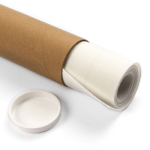
Every painting is insured and delivered door-to-door. Unframed paintings ship in protective hard tubes. Framed paintings are bubble-wrapped in sturdy boxes. If anything arrives damaged, we repair or replace it free.
Dive into the vibrant world of Historic Art. Discover your next painting today.