4.9/5
4.9/5


Famous Still Life Oil Painting Reproductions
Famous still life paintings are the quietest and most technical part of European art, and this page holds 2,329 hand-painted oil reproductions of them. You can order Still Life with Lemons on a Plate, Vase with Twelve Sunflowers, Still Life with Apples, Pears, Lemons and Grapes and Still Life with Cabbage and Clogs by Vincent van Gogh, Basket of Apples by Paul Cezanne, Still-Life with a Late Ming Ginger Jar by Willem Kalf, The Silver Tureen by Jean-Baptiste-Simeon Chardin, Still Life with Raisin Cake, Fruit and Wine by William Michael Harnett and Roses by Berthe Morisot. Every piece here is hand-painted in oil on canvas by a studio artist, never printed.
-
The Absinthe Drinker


 Vendor:Edgar Degas
The Absinthe Drinker
- Regular price
- From $299.95
- Sale price
- From $299.95
- Regular price
-
$350.95
-
The Billiard Room at Menil-Hubert


 Vendor:Edgar Degas
The Billiard Room at Menil-Hubert
- Regular price
- From $299.95
- Sale price
- From $299.95
- Regular price
-
$350.95
-
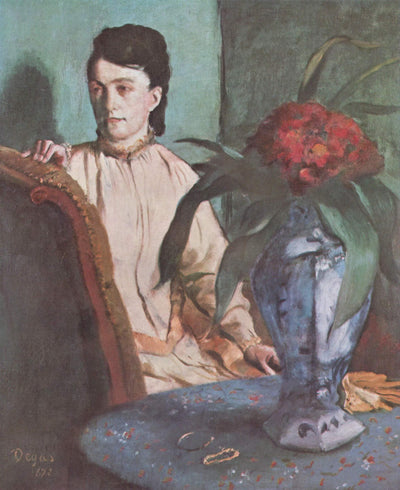
Woman with the Oriental Vase


 Vendor:Edgar Degas
Woman with the Oriental Vase
- Regular price
- From $299.95
- Sale price
- From $299.95
- Regular price
-
$350.95
-
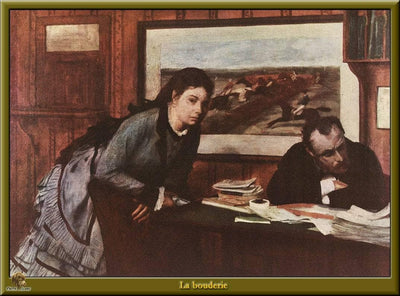
Sulking


 Vendor:Edgar Degas
Sulking
- Regular price
- From $299.95
- Sale price
- From $299.95
- Regular price
-
$350.95
-
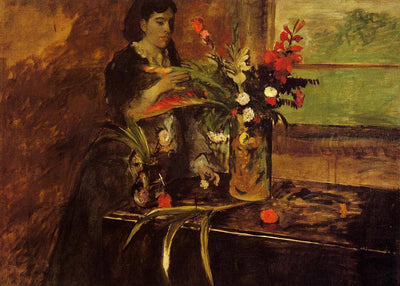
Portrait of Mme. Rene De Gas, born Estelle Musson


 Vendor:Edgar Degas
Portrait of Mme. Rene De Gas, born Estelle Musson
- Regular price
- From $299.95
- Sale price
- From $299.95
- Regular price
-
$350.95
-
A Woman Seated beside a Vase of Flowers


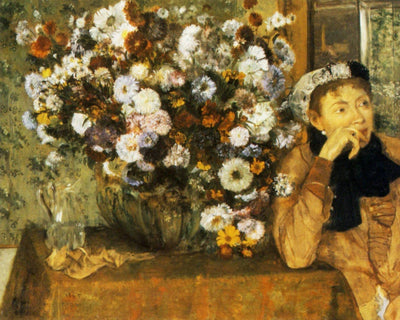 Vendor:Edgar Degas
A Woman Seated beside a Vase of Flowers
- Regular price
- From $299.95
- Sale price
- From $299.95
- Regular price
-
$350.95
-
Still Life with Lizard

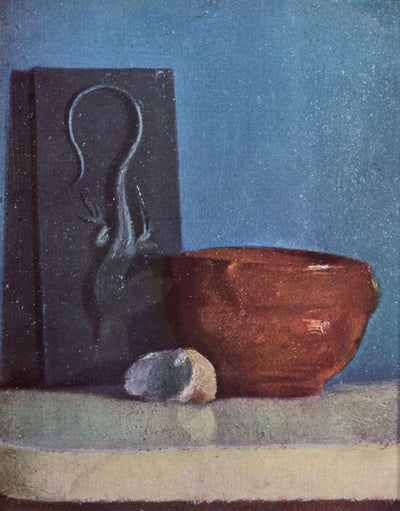 Vendor:Edgar Degas
Still Life with Lizard
- Regular price
- From $299.95
- Sale price
- From $299.95
- Regular price
-
$350.95
-
An Allegory of Fortune


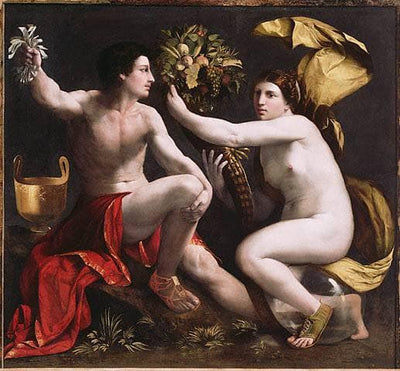 Vendor:Dosso Dossi
An Allegory of Fortune
- Regular price
- From $249.95
- Sale price
- From $249.95
- Regular price
-
$292.45
-
The hunter


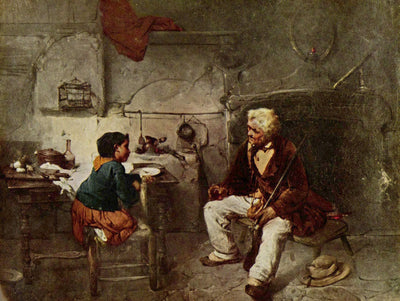 Vendor:Domenico Induno
The hunter
- Regular price
- From $299.95
- Sale price
- From $299.95
- Regular price
-
$350.95
-
The visit to the nurse

 Vendor:Domenico Induno
The visit to the nurse
- Regular price
- From $299.95
- Sale price
- From $299.95
- Regular price
-
$350.95
-
The bouquet in Delft

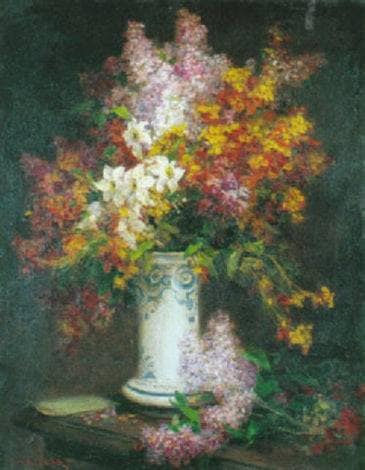 Vendor:Diogène Maillart
The bouquet in Delft
- Regular price
- From $299.95
- Sale price
- From $299.95
- Regular price
-
$350.95
-
Still Life


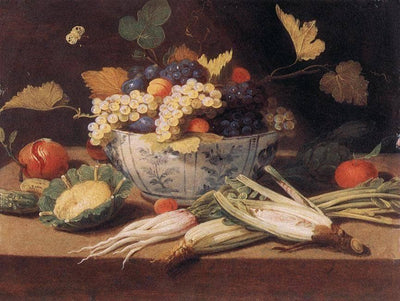 Vendor:Diego Velazquez
Still Life
- Regular price
- From $299.95
- Sale price
- From $299.95
- Regular price
-
$350.95
-
Two Young Men Eating At A Humble Table

 Vendor:Diego Velazquez
Two Young Men Eating At A Humble Table
- Regular price
- From $299.95
- Sale price
- From $299.95
- Regular price
-
$350.95
-
The Waterseller of Seville

 Vendor:Diego Velazquez
The Waterseller of Seville
- Regular price
- From $299.95
- Sale price
- From $299.95
- Regular price
-
$350.95
-
Christ in the House of Mary and Martha

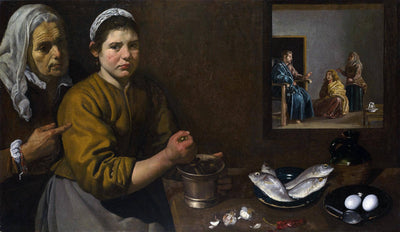 Vendor:Diego Velazquez
Christ in the House of Mary and Martha
- Regular price
- From $299.95
- Sale price
- From $299.95
- Regular price
-
$350.95
-
The Lunch

 Vendor:Diego Velazquez
The Lunch
- Regular price
- From $249.95
- Sale price
- From $249.95
- Regular price
-
$292.45
-
Breakfast


 Vendor:Diego Velazquez
Breakfast
- Regular price
- From $249.95
- Sale price
- From $249.95
- Regular price
-
$292.45
-
An Old Woman Cooking Eggs

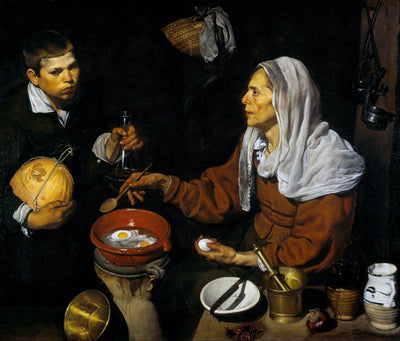 Vendor:Diego Velazquez
An Old Woman Cooking Eggs
- Regular price
- From $249.95
- Sale price
- From $249.95
- Regular price
-
$292.45
-
Smokers and Drinkers

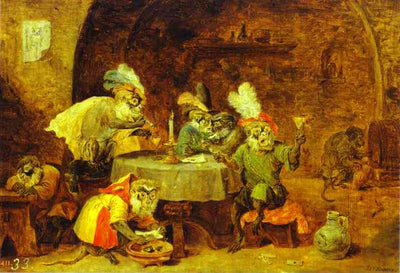 Vendor:David Teniers the Younger
Smokers and Drinkers
- Regular price
- From $299.95
- Sale price
- From $299.95
- Regular price
-
$350.95
-
Smokers in an Interior

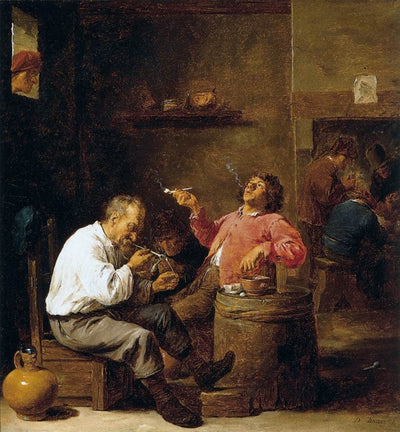 Vendor:David Teniers the Younger
Smokers in an Interior
- Regular price
- From $249.95
- Sale price
- From $249.95
- Regular price
-
$292.45
-
The Old Man and the Maid

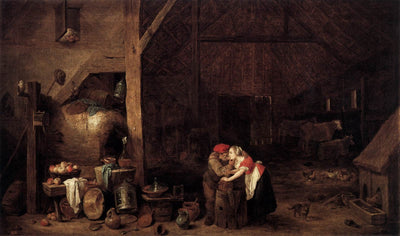 Vendor:David Teniers the Younger
The Old Man and the Maid
- Regular price
- From $299.95
- Sale price
- From $299.95
- Regular price
-
$350.95
-
The Alchemist

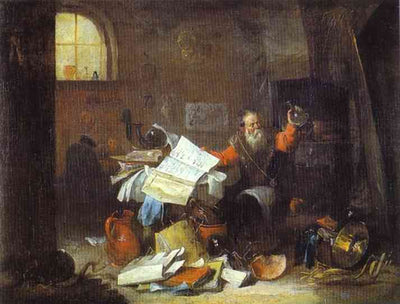 Vendor:David Teniers the Younger
The Alchemist
- Regular price
- From $299.95
- Sale price
- From $299.95
- Regular price
-
$350.95
-
Archduke Leopold Wilhelm in his Picture Gallery, with the artist and other figures

 Vendor:David Teniers the Younger
Archduke Leopold Wilhelm in his Picture Gallery, with the artist and other figures
- Regular price
- From $299.95
- Sale price
- From $299.95
- Regular price
-
$350.95
-
Archduke Leopold Wilhelm of Austria in his Gallery

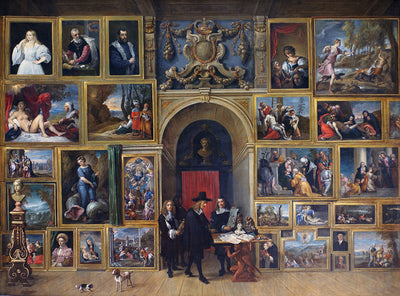 Vendor:David Teniers the Younger
Archduke Leopold Wilhelm of Austria in his Gallery
- Regular price
- From $299.95
- Sale price
- From $299.95
- Regular price
-
$350.95
-
An interior scene with pots, barrels, baskets, onions and cabbages with boors carousing in the background

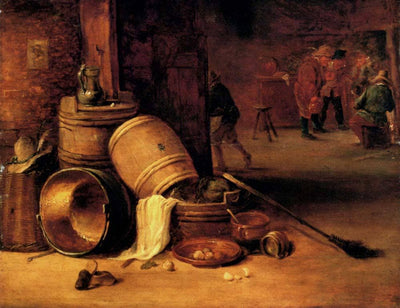 Vendor:David Teniers the Younger
An interior scene with pots, barrels, baskets, onions and cabbages with boors carousing in the background
- Regular price
- From $299.95
- Sale price
- From $299.95
- Regular price
-
$350.95
-
A man and woman smoking a pipe seated in an interior with peasants playing cards on a table

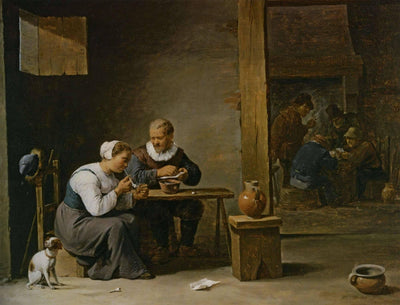 Vendor:David Teniers the Younger
A man and woman smoking a pipe seated in an interior with peasants playing cards on a table
- Regular price
- From $299.95
- Sale price
- From $299.95
- Regular price
-
$350.95
-
Carnival: 'The King Drinks'

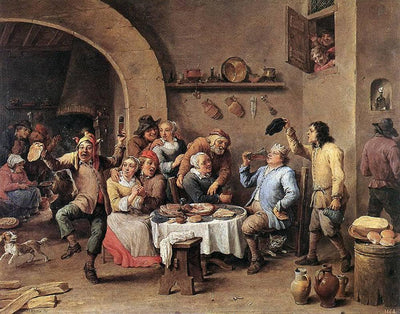 Vendor:David Teniers the Younger
Carnival: 'The King Drinks'
- Regular price
- From $299.95
- Sale price
- From $299.95
- Regular price
-
$350.95
-
Interior scene with a young woman scrubbing pots while an old man makes advances

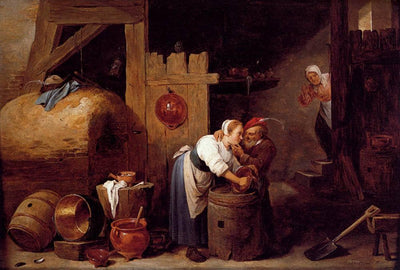 Vendor:David Teniers the Younger
Interior scene with a young woman scrubbing pots while an old man makes advances
- Regular price
- From $299.95
- Sale price
- From $299.95
- Regular price
-
$350.95
-
The Kitchen

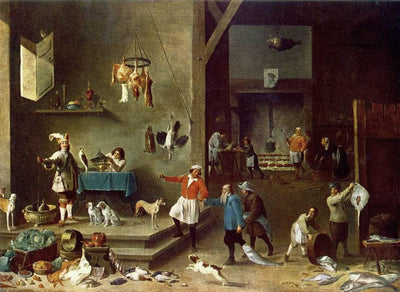 Vendor:David Teniers the Younger
The Kitchen
- Regular price
- From $299.95
- Sale price
- From $299.95
- Regular price
-
$350.95
-
The Archduke Leopold Wilhelm in his Picture Gallery in Brussels

 Vendor:David Teniers the Younger
The Archduke Leopold Wilhelm in his Picture Gallery in Brussels
- Regular price
- From $299.95
- Sale price
- From $299.95
- Regular price
-
$350.95
-
An Old Peasant Caresses a Kitchen Maid in a Stable


 Vendor:David Teniers the Younger
An Old Peasant Caresses a Kitchen Maid in a Stable
- Regular price
- From $299.95
- Sale price
- From $299.95
- Regular price
-
$350.95
-
Archduke Leopold's Gallery

 Vendor:David Teniers the Younger
Archduke Leopold's Gallery
- Regular price
- From $299.95
- Sale price
- From $299.95
- Regular price
-
$350.95
-
The Picture Gallery of Archduke Leopold Wilhelm

 Vendor:David Teniers the Younger
The Picture Gallery of Archduke Leopold Wilhelm
- Regular price
- From $299.95
- Sale price
- From $299.95
- Regular price
-
$350.95
-
Kitchen

 Vendor:David Teniers the Younger
Kitchen
- Regular price
- From $299.95
- Sale price
- From $299.95
- Regular price
-
$350.95
-
Monkeys in a Kitchen

 Vendor:David Teniers the Younger
Monkeys in a Kitchen
- Regular price
- From $299.95
- Sale price
- From $299.95
- Regular price
-
$350.95
-
Tavern Scene

 Vendor:David Teniers the Younger
Tavern Scene
- Regular price
- From $299.95
- Sale price
- From $299.95
- Regular price
-
$350.95
-
A Smoker Leaning on a Table

 Vendor:David Teniers the Younger
A Smoker Leaning on a Table
- Regular price
- From $299.95
- Sale price
- From $299.95
- Regular price
-
$350.95
-
Guardroom

 Vendor:David Teniers the Younger
Guardroom
- Regular price
- From $299.95
- Sale price
- From $299.95
- Regular price
-
$350.95
-
Imeretian still life

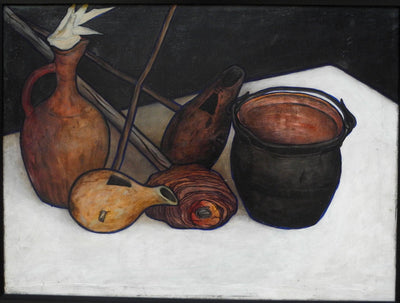 Vendor:David Kakabadze
Imeretian still life
- Regular price
- From $299.95
- Sale price
- From $299.95
- Regular price
-
$350.95
-
Cubist Composition

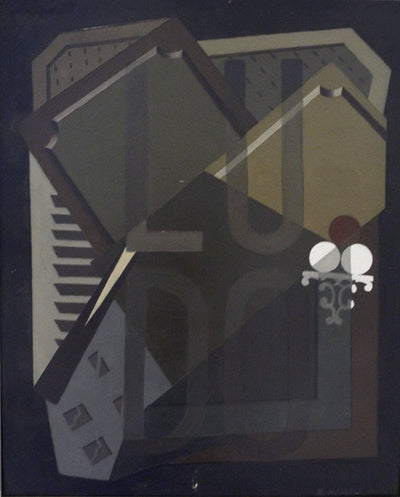 Vendor:David Kakabadze
Cubist Composition
- Regular price
- From $299.95
- Sale price
- From $299.95
- Regular price
-
$350.95
-
Self-portrait with Vanitas Symbols

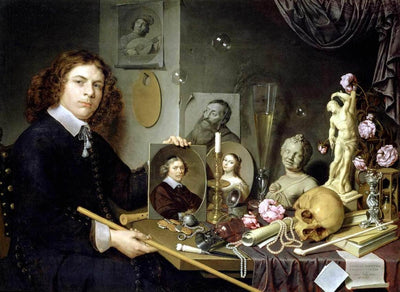 Vendor:David Bailly
Self-portrait with Vanitas Symbols
- Regular price
- From $299.95
- Sale price
- From $299.95
- Regular price
-
$350.95
-
Vanitas

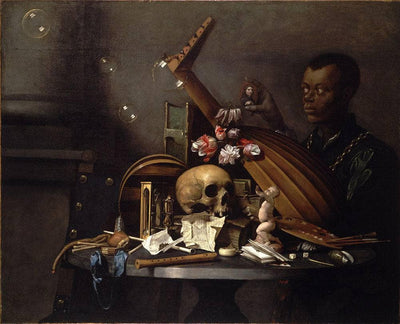 Vendor:David Bailly
Vanitas
- Regular price
- From $299.95
- Sale price
- From $299.95
- Regular price
-
$350.95
-
Monna Rosa

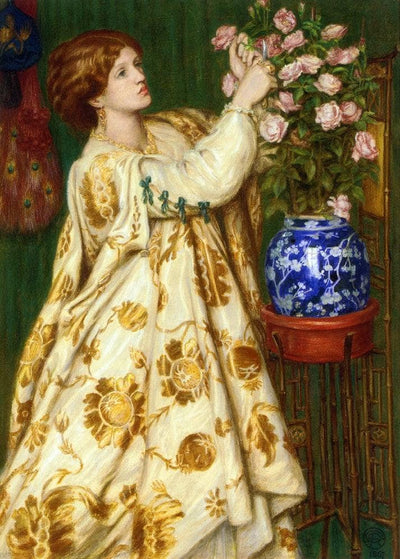 Vendor:Dante Gabriel Rossetti
Monna Rosa
- Regular price
- From $299.95
- Sale price
- From $299.95
- Regular price
-
$350.95
-
Regina Cordium: Alice Wilding

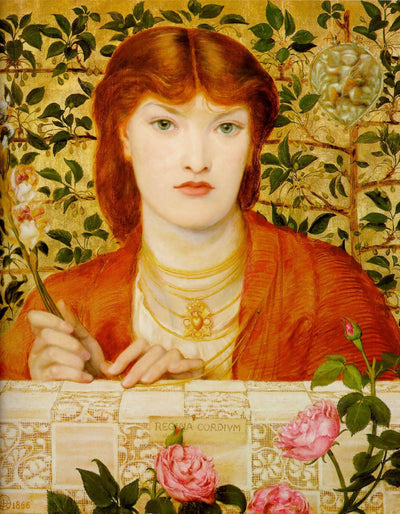 Vendor:Dante Gabriel Rossetti
Regina Cordium: Alice Wilding
- Regular price
- From $299.95
- Sale price
- From $299.95
- Regular price
-
$350.95
-
Flowers in a glass vase with a red admiral butterfly

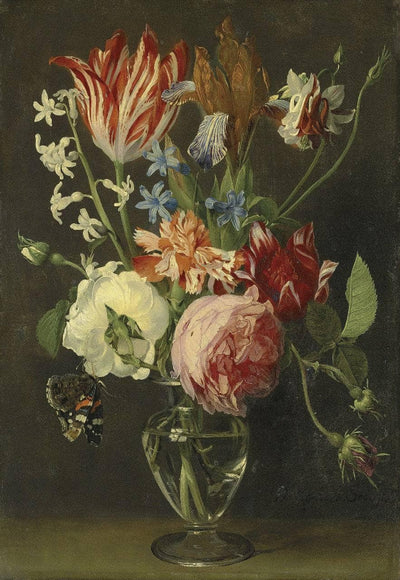 Vendor:Daniel Seghers
Flowers in a glass vase with a red admiral butterfly
- Regular price
- From $299.95
- Sale price
- From $299.95
- Regular price
-
$350.95


Frequently Asked Questions
How much do Still Life oil painting reproductions cost?
Our Still Life oil painting reproductions start at $299.95. Prices vary by size: larger canvases and custom dimensions cost more. Every painting includes free worldwide shipping and a 90-day satisfaction guarantee.
What Still Life paintings are available?
We carry 2216+ Still Life oil painting reproductions. Highlights include The Absinthe Drinker, The Billiard Room at Menil-Hubert, Woman with the Oriental Vase, Sulking, Portrait of Mme. Rene De Gas, born Estelle Musson. Every piece is hand-painted by professional artists on premium canvas.
Are these Still Life prints or hand-painted reproductions?
Every Still Life reproduction is 100% hand-painted by professional artists using premium oil paints on gallery-grade canvas. These are not prints, giclées, or digital reproductions. Each piece captures the original brushwork, texture, and color depth of the masterpiece.
What sizes are available for Still Life painting reproductions?
Each Still Life painting is available in multiple standard sizes, from small (16" × 20") to large museum-scale formats. Custom dimensions are available upon request. Contact us with your preferred size for a quote.
How long does it take to receive my painting?
Each painting is made to order. Production takes 2–3 weeks, plus 5–10 business days for worldwide shipping. Total delivery time is typically 3–5 weeks depending on your location. Shipping is free worldwide.
What is your return policy?
We offer a 90-day satisfaction guarantee. If you're not completely happy with your painting, contact us for a full refund or replacement, no questions asked.
What a still life is
A still life is a work of art depicting mostly inanimate matter, typically commonplace objects which are either natural or human-made. That is the whole definition, and it is a wide one. Fruit, flowers, fish, bread, glass, silver, books, instruments, a dead hare, a skull: anything that holds still.
The genre sits at the bottom of the old academic hierarchy and at the top of most painters' private rankings. It had the lowest status, because there was no story and no human being in it, and it was where every serious artist went to work things out, because there is nowhere to hide. A face can be flattered. An apple cannot.
What you get from that history is a genre where the technical standard is unusually high across the board. There are very few bad still life paintings by good artists, and there are a great many good ones by artists nobody remembers.
Famous still life paintings
These are the still lifes people ask for by name, and each can be ordered as a hand-painted reproduction in oil.
- Basket of Apples by Paul Cezanne, a French Post-Impressionist whose work introduced new modes of representation, influenced the avant-garde movements of the early 20th century and formed the bridge between late 19th-century Impressionism and early 20th-century Cubism. The tilted table in this picture is where modern painting starts.
- Vase with Twelve Sunflowers and Vase with Fifteen Sunflowers. Sunflowers is the title of two series of still life paintings by Vincent van Gogh; the first, executed in Paris in 1887, shows the flowers lying on the ground, and the second, a year later in Arles, shows a bouquet in a vase. The two sets were linked in the artist's mind by the name of his friend Paul Gauguin, who acquired two of the Paris versions.
- Still Life with Irises and Still Life, Pink Roses, from the last years.
- Still Life with Lemons on a Plate, Still Life with Apples, Pears, Lemons and Grapes and Still Life with Mackerels, Lemons and Tomatoes, three arrangements of food from the same hand.
- Still-Life with a Late Ming Ginger Jar by Willem Kalf, the Dutch 17th century at its most luxurious: imported porcelain, silver, glass and a peeled lemon.
- The Silver Tureen by Jean-Baptiste-Simeon Chardin, and The Ray, or The Kitchen Interior, the two great French kitchen pictures.
- Still Life with Raisin Cake, Fruit and Wine and Just Dessert by William Michael Harnett, American realism at close range and among the best known works of that school.
- The Goldfinch by Carel Fabritius, a Dutch Golden Age artist. It shows a life-sized chained European goldfinch, is signed and dated 1654, has been in the Mauritshuis in The Hague since 1896, and is a trompe l'oeil on panel measuring 33.5 by 22.8 centimeters that was once part of a larger structure, perhaps a window jamb or a protective cover.
- Roses by Berthe Morisot and Poppies by Wojciech Weiss.
- Still life Plums by Zakar Zakarian and The Little Red Bowl by William Merritt Chase.
- Still Life with Three Puppies by Paul Gauguin, one of the four principal artists of Post-Impressionism along with Cezanne, van Gogh and Georges Seurat.
- The painter's atelier by Vincenzo Caprile, the objects of the trade as a subject.
The Dutch and Flemish 17th century
The genre as we know it was built in the Low Countries in the 17th century. A new merchant class had money, walls and no interest in altarpieces, and painters supplied objects instead: a cloth, a glass, a lemon, a silver dish. Within a generation the trade had specialists for every corner of it, and the Flemish workshops supplied half of Europe.
Willem Kalf's Ming ginger jar is the type specimen. Everything in that picture is imported or expensive, and the painting is an argument about trade as much as a display of skill. The Flemish larder pictures do the same thing louder, with game piled up in quantities nobody could eat.
Two things make these 17th century works worth owning. The first is that the light in them is artificial in the best sense: a single source, from the left, with a dark ground behind, which remains the most flattering arrangement ever devised for glass and metal. The second is that they were painted for rooms lit by candles, so they come alive under a lamp as modern pictures do not.
Chardin, Cezanne and the modern table
French painting took the same objects and turned them quiet. Chardin is the hinge: no luxury, no display, just a tureen, a copper pot, a ray hanging over a kitchen table. He is the artist other painters name when asked who could handle a surface, and his pictures are about the dignity of everyday things.
Paul Cezanne then broke the table. His work introduced new modes of representation, influenced the avant-garde of the early 20th century, and formed the bridge between late 19th-century Impressionism and early 20th-century Cubism, and you can see all of that in one basket of apples: the tabletop tips, the objects refuse a single viewpoint, and the picture stops pretending to be a window. Everything in 20th century painting that treats a canvas as a flat object rather than an illusion starts on that table.
Vincent van Gogh sits between the two. His still life paintings are Chardin's subjects at Cezanne's temperature: lemons, cabbages, mackerels, a pair of clogs, painted with a loaded brush and a colour scheme that has nothing to do with the objects in front of him.
Women artists and the still life
This is the one genre where women artists were allowed to work at the highest level from the beginning, for a bad reason: it required no access to the nude model and no academic training in history painting, so it was thought suitable. The result is that some of the best names in the field are women.
Rachel Ruysch, with 31 pieces in the catalog, is the Dutch flower specialist whose arrangements set the pattern for two centuries. Clara Peeters painted fish, cheese and one of the earliest cats in the whole tradition. Louise Moillon worked in Paris with baskets of fruit that nobody has improved on. Berthe Morisot brought the subject into Impressionism. Josefa de Obidos did it in Portugal. Suzanne Valadon did it with a cat in the flowers.
If you want a route through this page that is not the obvious one, browse the women artists first. The pictures are as good and they are searched for far less often.
Sub-subjects, and how the catalog divides
The group splits by what is in the picture, and the divisions matter more than the period does.
Apples, plums and grapes make the largest and easiest group to live with, at 511 pieces. Flowers are next at 1,145 in the flower group, and they behave like a separate genre. Then the smaller specialisms: tableware at 70, bottles at 63, fish at 26, seafood at 15, vegetables at 18. Those small groups are where the strangest and best pictures hide.
Game and the hunting larder belong here too, though they are not for everyone. A pile of dead birds on a kitchen table is a genuine test of taste, and the people who like these pictures like them very much.
The still life painting as a form
It is worth pausing on the form itself, because a still life painting is built differently from anything else in art. There is no narrative to carry the eye, so the composition has to do all the work, and the whole tradition is really a long argument about how to arrange objects so that a viewer keeps looking.
The rules that emerged are consistent across four centuries. A strong diagonal, usually a knife, a stem or a fold of cloth, to open a way in for the eye. An odd number of main objects. One thing broken, cut or peeled, to give the picture a moment in time. And a dark ground, so the light has somewhere to sit. Learn those four and you can read almost every still life painting ever made, including the modern ones that break them on purpose.
The style of the arrangement changes with the century and with the school. The Dutch school built pyramids. The French flattened them out and pushed everything to the front. The Spanish isolated a few objects against a void. The Americans of the 19th century, working in a realism so tight it could pass for a photograph, hung things on a wall instead of laying them out flat. All four approaches are in this collection, and the difference is visible at a glance once you know to look for it.
The objects themselves, and what they meant
Almost nothing in these arrangements is accidental. Around 1650 every object carried an association, and the whole vanitas tradition depends on it: a skull for death, a snuffed candle for time, a watch, a soap bubble, a flower already turning. An unblemished peach means abundance, and the same peach with a wasp on it means something else. A peeled lemon, which turns up in almost every Dutch banquet piece, is bitter under a beautiful skin.
You do not need any of that to enjoy the picture, and most buyers do not. But it explains why these paintings hold attention for years rather than months. There is a second layer, and when you finally notice it the picture becomes new again. That is not something a decorative image can do.
The tradition thinned out in the 19th century, when painters stopped meaning things by objects and started meaning things by paint. Cezanne's apples do not stand for anything. They are there so that he can work out how a round thing sits on a flat surface, which turned out to be a bigger question than any of the old symbols.
Images, copies and the long life of a good arrangement
One thing that surprises people about this field: the same arrangement appears again and again, by different hands, across a century and a half. A lemon peeled in a spiral, a roemer glass half full, a silver dish at an angle. Painters copied each other openly, because the point was never originality of subject. It was how well you could handle the paint.
That is why a reproduction sits so comfortably in this genre. These pictures were made inside a tradition of copying, improving and repeating, and the studio artist working from a museum image today does something the original painter would have recognized as normal practice. A workshop of the period turned out many versions of a successful composition, and images of the best circulated as engravings across Europe.
Two practical consequences. First, if a title sounds generic it usually is: many of these works are known simply as Still Life with Fruit or Still Life with Fish, and the artist name is the only reliable identifier. Second, when ordering, give the artist as well as the title, so the right one gets started.
Where the great still lifes live
Most of the important pictures in this field are in a handful of collections, and a few of them are on this page. The Goldfinch has been in the Mauritshuis in The Hague since 1896. The Sunflowers group is split between several museums, which is why the number in the title matters when you order: Twelve Sunflowers and Fifteen Sunflowers are different paintings.
Van Gogh's Irises has been at The Getty in Los Angeles since 1990; it was painted in 1889 and it is one of several hundred works he made at the Saint Paul-de-Mausole asylum in Saint-Remy-de-Provence in the last year before his death in 1890. Knowing the address is useful in a practical way: a canvas that has been in a public collection for a century has been photographed well, so the reference for a copy is good.
What to look for in a still life reproduction
Four surfaces tell you whether a copy is any good. Glass first: the painter has to hold a reflection, a refraction and the water line in a few strokes, and a weak copy makes glass look like plastic. Then metal, where the highlight has to be hard and the reflection soft. Then the skin of an apple or a plum, which is matte with a single sharp point of light. Then cloth, where a copyist either understands folds or does not.
When the approval photo arrives, zoom in on the glass and the metal. Everything else in a picture like this is more forgiving than those two, and if they are right the picture will be right.
How each reproduction is made
One studio artist works from the museum reference in oil, building the dark ground first, then the objects, then the highlights last, which is the order these pictures were originally put together. Nothing is printed and nothing is transferred. Seven sizes are available with an optional frame, and you approve a photo of the finished work before it ships. Free worldwide shipping and 90-day returns apply. Still life is the genre where the smaller sizes work best, because most of these were painted as intimate objects for a close wall.
Buying a still life for a particular room
The genre suits domestic rooms better than any other, and that is not an accident: most of these pictures were painted for the walls of houses rather than for churches or palaces. A kitchen, a dining room, a hallway or a study is where they belong. A large formal reception room is usually the wrong place, because the scale of the subject fights the scale of the wall.
Work with the light in the room. A dark 17th century arrangement is designed for lamplight and will look dead beside a bright window. A pale French or Impressionist picture needs daylight and goes gray under a single bulb. The 19th century American realist works, with their even light and hard edges, are the most tolerant of any lighting and the safest choice if you are not sure.
Buy in pairs if you can. Two pictures of the same size, in the same key, hung close together, read as a single decision and look considered as one picture never quite does. The obvious pairing is one dark and one pale, but the better one is two from the same country and century, which will share a palette without you having to plan it, since the two artists were looking at the same objects under the same light.
And do not overlook the plainest subjects. A cabbage, a pair of clogs, a plate of lemons: these are the pictures painters kept for themselves, and they age better on a wall than the grand banquet pieces do.
A note on art history and what survived
A last piece of context that changes how you read this page. The art history of the genre is uneven, because survival was uneven. Big pictures in public collections survived. Small pictures in houses burned, faded or were painted over. Every generalization about what these artists made is really a generalization about what happens to be left, and the further back you go the truer that is.
That has a practical consequence for a catalog like this one. The famous names are over-represented and the good anonymous painters are under-represented, so the grid you are scrolling is not a fair sample of the art of the period. It is a sample of what got photographed. If you enjoy the genre, that is an argument for spending some time on the unfamiliar names, since they are there by accident rather than by reputation and several of them are as good as the famous ones.
None of this affects what arrives at your door, which is a hand-painted canvas either way. But it is worth knowing that the hierarchy on the page is not the hierarchy of the art.
Sizes, framing and living with the genre
Seven sizes are available across the whole catalog, and for this genre the middle of that range does most of the work. A table of objects at the smallest size becomes a detail; at the largest it becomes a mural, and neither is what the painter intended. The original of a typical Dutch banquet piece would fit over a sideboard, and that is still the right scale for it.
The optional frame matters more here than on other pages. These pictures were painted to sit inside a dark, heavy molding that separates the dark ground from the wall, and one of the older arrangements hung unframed on a pale wall loses the depth the painter built into it. If you are choosing a frame for one picture in your order, choose it for this one.
Every order carries free worldwide shipping and 90-day returns, and the photo approval step happens before anything is packed, so a surface you are not happy with never leaves the studio. On this page that step is worth using properly: ask for a detail of the glass and the metal, and judge from those two passages before you approve anything.
Browse related collections
The genre divides by subject matter.
- Apples, plums and grapes, the largest sub-group.
- Cut flowers indoors for vases and bouquets.
- Silver, glass and porcelain for the objects themselves.
- Fish and seafood for the kitchen and the market.
- Vegetables and kitchen produce for the plainest subjects of all.
Frequently asked questions
What is a still life? A work of art depicting mostly inanimate matter, typically commonplace objects that are either natural or human-made. Flowers, glass, silver, fish, bread and game all qualify, and the defining feature is that nothing in it is going anywhere.
Why was the genre considered low status? Because the old academic hierarchy ranked subjects by how much invention they required, and an arrangement of objects needed no story and no human figure. Painters ranked it differently, since a table of objects leaves nowhere to hide a weak passage.
Are these prints? No. Each is an original oil on canvas made by hand by a studio artist, in seven sizes, with an optional frame and a photo of the finished work for your approval before it ships.
We’ll Paint Any Image You Want
Just send us a photo or the painting name and our artists will hand-paint it for you.