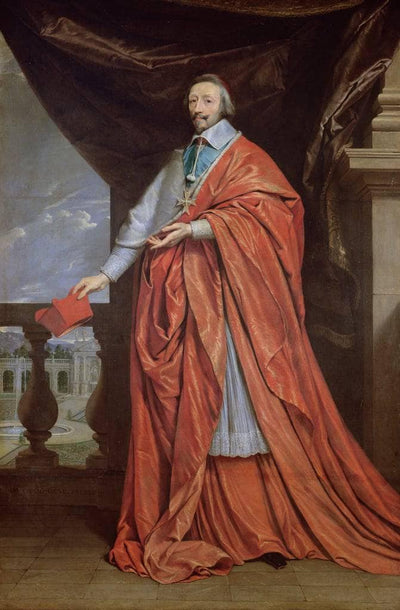
The Supper at Emmaus by Philippe de Champaigne | Oil Painting Reproduction

The Supper at Emmaus by Philippe de Champaigne — hand-painted portrait oil painting reproduction on canvas
Frame Specifications
Frame details Unframed
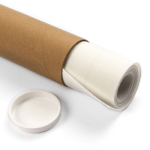
Information The canvas arrives unframed and rolled up in a sturdy tube, so you can have it framed locally exactly how you like.

AS SEEN IN

Royal Heritage Badge
4.7
4.7 out of 5

41 global ratings

5 star
82%
4 star
12%
3 star
4%
2 star
1%
1 star
1%
41 ratings

by Philippe de Champaigne

Handmade Oil Painting on Canvas Art Reproduction —— Museum-quality

100% HAND-PAINTED
  • Real brushstrokes you can see & feel
  • Painting approval before shipping
  • Unlimited revisions
Select Size *
How should it arrive?
Select a Frame (optional)
Hand-Painted Oil Painting $299.95
Unframed — Shipped rolled in a protective tube Included
Shipping Free
Total
$299.95
$350.95Save 14%
Preview & Approve Free Shipping Secure Checkout
We accept
Visa Mastercard American Express Discover PayPal Apple Pay Google Pay Venmo
Support
Need help? Talk with Joey!

Processing & Shipping Time

Your delivery time includes two parts:

  1. Processing Time — From painting and drying to packaging and dispatch, usually 2–5 weeks depending on the painting complexity.
  2. Shipping Time — From when your order leaves the workshop to when it arrives at your address. You'll be able to track it with the tracking number we email you.

Shipping Methods

We ship with trusted couriers like FedEx, UPS, and DHL. Every shipment includes a tracking code.

  • Standard orders: Arrive in 5–8 days once shipped.
  • Framed, stretched, and oversized paintings: May take a few extra days.

Our goal is to deliver your order safely and quickly.

Shipment Safety Measures

We handle your products with care so they arrive in perfect condition:

  • Framed paintings — Bubble-wrapped and packed in a sturdy box.
  • Unframed paintings — Shipped in a protective hard plastic tube.

Every product is insured and delivered right to your door, so you can feel confident buying from us.

Every Art & See painting is created by artists with 15+ years of experience using professional-grade oil paints and premium linen canvas with UV-resistant protective coating — the same museum-grade materials used in galleries worldwide. Each piece goes through quality review before your approval photos are taken. If after delivery you have any concerns about your painting, contact us at [email protected] — our team will work with you on the best path forward.

Full Warranty

Every painting is protected against physical damage during shipping. If your painting arrives damaged, we repair or replace it — free.

Coverage Details

Transit damage (crushed, torn, water damage) — We repair or replace at no cost. Please note that damages resulting from accidents or inappropriate use are not covered under this warranty.

Repair or Replace

Depending on the extent of damage, the affected painting will either be repaired or replaced at no additional cost to you.

Free Service

All warranty services are provided absolutely free of charge.

We want you to absolutely love your handmade artwork. Here's how it works:

  1. Once your oil painting is complete, we'll send you unedited photos — a full view and close-up details.
  2. Review the photos and let us know if any changes are needed. We'll happily revise the painting for free.
  3. If you approve the painting, we'll ship it right away.

In the rare case you approve the photos and the artwork has been shipped and delivered to you, and you still want additional modification requests — we can handle it as a courtesy at our discretion. If accepted, you cover the return shipping cost.

Product Specifications
TypeHand-Painted Oil Painting Reproduction
Original ArtistPhilippe de Champaigne
Price Range$299.95 — $1,299.95
ShippingFree Worldwide
QualityPreview & Approve Before Shipping
MediumOil on Canvas
CanvasMuseum-Grade Linen Canvas
TechniqueHand-painted brushstroke-by-brushstroke
Art StyleBaroque
Artist NationalityFrench
OrientationHorizontal
SubjectPortraits group
Available Sizes7 (20'' W × 16'' H to 72'' W × 48'' H)
Framing OptionsUnframed, Stretched Canvas, Classic & Modern Frames
Delivery14–28 business days
About This Painting
The Supper at Emmaus: A Masterpiece of Baroque Art Historical Context of The Supper at Emmaus The Baroque Era: Artistic Innovations and Cultural Shifts The Baroque era, spanning the 17th century, m...

The Supper at Emmaus: A Masterpiece of Baroque Art

Historical Context of The Supper at Emmaus

The Baroque Era: Artistic Innovations and Cultural Shifts

The Baroque era, spanning the 17th century, marked a time of dramatic artistic innovation. Artists embraced emotional intensity, rich colors, and dynamic compositions. This period reflected the cultural shifts of the time, including the Counter-Reformation, which sought to inspire faith through art. The Supper at Emmaus by Philippe de Champaigne embodies these characteristics, showcasing the power of religious narratives in visual form.

Philippe de Champaigne: Life and Artistic Journey

Philippe de Champaigne was born in 1602 in Brussels and later moved to Paris, where he became a prominent figure in the French Baroque movement. His artistic journey was influenced by his studies under the Flemish masters. Champaigne's work often focused on religious themes, and he became known for his ability to convey deep spirituality through his paintings. His dedication to capturing the essence of faith is evident in The Supper at Emmaus.

Religious Themes in 17th Century Art

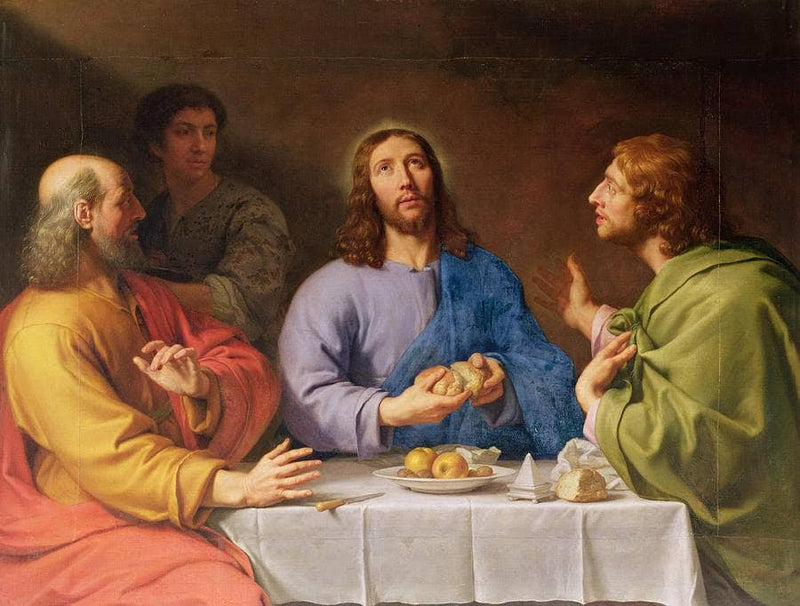
Religious themes dominated 17th-century art, particularly in Catholic countries. Artists like Champaigne used their work to communicate biblical stories and moral lessons. The Supper at Emmaus illustrates the moment when the resurrected Christ reveals himself to two disciples, emphasizing themes of faith, recognition, and divine presence. This painting serves as a visual sermon, inviting viewers to reflect on their own spiritual journeys.

Detailed Analysis of The Supper at Emmaus

Composition and Color Palette: A Study in Contrast

The composition of The Supper at Emmaus is striking, with a triangular arrangement that draws the viewer's eye to the central figures. Champaigne employed a rich color palette, using deep reds and golds to create warmth and intimacy. The contrast between light and shadow enhances the dramatic effect, highlighting the moment of revelation. This careful arrangement invites viewers to engage with the scene on a personal level.

Symbolism in The Supper at Emmaus: Hidden Meanings and Messages

Symbolism plays a crucial role in The Supper at Emmaus. The bread and wine on the table represent the Eucharist, a central element of Christian faith. The open window symbolizes enlightenment and the arrival of divine truth. Additionally, the expressions of the disciples capture the moment of realization, reflecting the transformative power of faith. Each element in the painting contributes to a deeper understanding of the spiritual message.

Figures and Expressions: Capturing Emotion in Oil

Champagne's ability to capture emotion is evident in the figures of The Supper at Emmaus. The disciples' astonished faces convey a mix of surprise and joy. Their gestures and postures enhance the narrative, inviting viewers to share in their moment of recognition. The use of oil paint allows for rich textures and subtle details, making the scene come alive. This emotional depth is a hallmark of Champaigne's style.

Thematic Exploration: Faith and Revelation in Art

The Significance of the Emmaus Story in Christian Theology

The story of Emmaus is significant in Christian theology as it illustrates the importance of recognizing Christ in everyday life. This narrative emphasizes the theme of revelation, where faith is deepened through personal encounters with the divine. The Supper at Emmaus serves as a reminder of the transformative power of faith and the joy of spiritual awakening.

Depictions of Christ: From Recognition to Revelation

In The Supper at Emmaus, Christ is depicted not just as a figure of reverence but as a relatable presence. His gesture of breaking bread signifies communion and connection. This portrayal invites viewers to consider their own relationship with Christ, encouraging a personal interpretation of faith. The moment of recognition is pivotal, symbolizing the journey from doubt to belief.

Community and Fellowship: The Role of Shared Meals in Art

Shared meals have long been a symbol of community and fellowship in art. The Supper at Emmaus captures this essence beautifully, showcasing the importance of gathering and sharing in faith. The act of breaking bread together signifies unity and love, reinforcing the idea that faith is best experienced in community. This theme resonates deeply in both religious and secular contexts.

Artistic Techniques and Style of Philippe de Champaigne

Chiaroscuro: Light and Shadow in The Supper at Emmaus

Chiaroscuro, the technique of using strong contrasts between light and dark, is masterfully employed in The Supper at Emmaus. This technique adds depth and drama to the scene, emphasizing the emotional intensity of the moment. The interplay of light and shadow guides the viewer's focus, creating a sense of movement and life within the painting.

Brushwork and Texture: Techniques that Bring the Scene to Life

Champagne's brushwork is both precise and expressive. He skillfully layers paint to create texture, making the fabric of the disciples' clothing and the surface of the table come alive. This attention to detail enhances the realism of the scene, allowing viewers to feel as if they are part of the moment. The tactile quality of the oil paint adds to the overall richness of the artwork.

Influence of Flemish Painting on Champaigne's Style

Philippe de Champaigne's style was heavily influenced by Flemish painting, particularly in his use of color and composition. The meticulous attention to detail and the vibrant color schemes reflect the techniques of Flemish masters like Rubens. This influence is evident in The Supper at Emmaus, where the combination of realism and emotional depth creates a powerful visual experience.

Comparative Analysis: The Supper at Emmaus and Other Works

Similarities with Caravaggio's Use of Light and Composition

Champagne's work shares similarities with Caravaggio, particularly in the use of dramatic lighting and composition. Both artists create a sense of immediacy and intimacy through their techniques. The Supper at Emmaus, like Caravaggio's works, invites viewers into the scene, making them feel as if they are witnessing the moment firsthand.

Contrasting Styles: Champaigne vs. Other Baroque Artists

While Champaigne shares the Baroque style with contemporaries, his approach is distinct. Unlike the more theatrical styles of some Baroque artists, Champaigne's work often emphasizes quiet contemplation and spiritual depth. The Supper at Emmaus stands out for its serene yet powerful portrayal of faith, setting it apart from the more dramatic works of the era.

Legacy of The Supper at Emmaus in Later Art Movements

The Supper at Emmaus has left a lasting legacy in the art world. Its themes of faith and revelation continue to resonate with artists today. The painting has inspired numerous interpretations and adaptations, influencing movements such as Romanticism and Realism. Its impact on modern art is a testament to the timeless nature of its message.

Visiting The Supper at Emmaus: Where to See the Original

Location and Significance of the Original Painting

The original painting of The Supper at Emmaus is housed in the Musée des Beaux-Arts in Paris. This museum is renowned for its extensive collection of European art, making it a significant destination for art lovers. Viewing the original allows visitors to appreciate the intricate details and vibrant colors that are often lost in reproductions.

Exhibitions and Art Institutions Featuring Champaigne's Work

Philippe de Champaigne's works are featured in various exhibitions and art institutions around the world. Museums often showcase his paintings in the context of Baroque art, highlighting his contributions to the movement. Special exhibitions may focus on his religious themes, providing deeper insights into his artistic vision.

Art Tours: Experiencing The Supper at Emmaus in Context

Art tours that include The Supper at Emmaus offer a unique opportunity to explore the painting's historical and cultural context. Guided tours often provide valuable commentary on the artwork, enhancing the viewer's understanding. Experiencing the painting in person allows for a deeper connection to its themes and messages.

FAQs About The Supper at Emmaus

What is the story behind The Supper at Emmaus?

The Supper at Emmaus depicts the moment when the resurrected Christ reveals himself to two disciples during a meal. This story emphasizes themes of recognition and faith.

What techniques did Philippe de Champaigne use in this painting?

Champagne used oil paint, chiaroscuro, and meticulous brushwork to create depth and emotion in The Supper at Emmaus.

How does The Supper at Emmaus reflect Baroque art characteristics?

The painting reflects Baroque characteristics through its dramatic use of light, emotional intensity, and focus on religious themes.

What are the key symbols in The Supper at Emmaus?

Key symbols include the bread and wine, representing the Eucharist, and the open window, symbolizing enlightenment and divine truth.

How has The Supper at Emmaus influenced modern art?

The Supper at Emmaus has influenced modern art by inspiring themes of faith and personal revelation, resonating with contemporary artists.

What should I know about reproductions of The Supper at Emmaus?

Reproductions of The Supper at Emmaus offer a way to appreciate the artwork's beauty and detail. Unlike prints, painting reproductions capture the texture and richness of the original.

Are there different interpretations of The Supper at Emmaus in art reproductions?

Yes, art reproductions can vary in interpretation, with some focusing on the emotional aspects while others emphasize the symbolic elements of the painting.
The Supper at Emmaus by Philippe de Champaigne — hand-painted portrait oil painting reproduction on canvas
The Supper at Emmaus by Philippe de Champaigne Hand-Painted Oil Painting Reproduction 20'' W × 16'' H · Unframed
20” x 16” in Unframed - Arrives Rolled on a Tube
$299.95 $350.95
30% Off Today Ends soon!
OUR GUARANTEES

Why Choose Our Art Reproductions

At Art & See, we're committed to delivering the highest quality art reproductions. Our team of expert artists and state-of-the-art processes ensure that each piece is a masterpiece in its own right.

Artist working on canvas

Real Artists Only

Experience your masterpiece's creation through daily photos from our expert artists, each with 15+ years of experience.

We'll send you photos before shipping
Secure packaging

Worry-Free Shipping

Your artwork travels first class via UPS, FedEx, or DHL, protected by museum-grade packaging for safe delivery.

Safe protective packaging
Preview and approve

Preview & Approve

Review unedited photos of your finished painting and request unlimited free revisions before it ships. We only ship when you say it's perfect.

You approve before we ship
Art materials

Built to Last

Every piece is crafted with archival materials, UV-resistant finishes, and premium British paints to last generations.
Museum-grade quality

You May Also Like

Frequently Asked Questions About Philippe de Champaigne Oil Painting Reproductions

Everything you need to know before ordering your hand-painted The Supper at Emmaus reproduction.
Is "The Supper at Emmaus" by Philippe de Champaigne a real hand-painted oil painting?

Yes — 100% hand-painted with oil on canvas by artists with 15+ years of experience. No prints, no digital shortcuts. You'll see and feel real brushstrokes, just like the original Philippe de Champaigne masterpiece.

How long does it take to receive my Philippe de Champaigne painting?

Your The Supper at Emmaus reproduction takes 2–5 weeks to hand-paint depending on size and detail. Once approved, shipping takes 5–8 days via FedEx, UPS, or DHL with full tracking. Free worldwide shipping included.

Can I see my painting before it ships?

Absolutely. Once your The Supper at Emmaus is complete, we send you unedited photos — a full view and close-up details. Request unlimited free revisions until you're 100% satisfied. We don't ship until you say "yes."

How do I know I'll love it?

Every painting goes through our Preview & Approve process — you receive unedited photos of your finished Philippe de Champaigne reproduction and can request unlimited free revisions before it ships. We only ship when you say it's perfect. If after delivery you have any concerns, contact us at [email protected] and our team will work with you on the best path forward.

What materials do you use?

Professional-grade oil paints (Windsor & Newton) on premium linen canvas with UV-resistant protective coating. Museum-grade materials built to last generations — the same quality used in galleries worldwide.

Will my painting look exactly like the original The Supper at Emmaus?

Our artists specialize in Philippe de Champaigne's technique — color accuracy, brushwork, and composition are matched to the original. Every reproduction goes through quality review before your approval photos are taken.

Is my painting shipped safely?

Every painting is insured and delivered door-to-door. Unframed paintings ship in protective hard tubes. Framed paintings are bubble-wrapped in sturdy boxes. If anything arrives damaged, we repair or replace it free.

Bring a Masterpiece to Your Décor Today

Dive into the vibrant world of Historic Art. Discover your next painting today.

Custom oil painting