4.9/5
4.9/5




SAMPLES OF QUALITY
Recent Hand-Painted Reproductions
Discover some of our latest oil paintings, each one carefully hand-painted on canvas.

AS SEEN IN





Handmade Oil Painting on Canvas Art Reproduction, Museum-quality

The six dominant colors measured from the painting, with the share of canvas each one covers. Click a swatch to copy its hex code.
Processing & Shipping Time
Your delivery time includes two parts:
Shipping Methods
We ship with trusted couriers like FedEx, UPS, and DHL. Every shipment includes a tracking code.
Our goal is to deliver your order safely and quickly.
Shipment Safety Measures
We handle your products with care so they arrive in perfect condition:
Every product is insured and delivered right to your door, so you can feel confident buying from us.
Every Art & See painting is created by artists with 15+ years of experience using professional-grade oil paints and premium linen canvas with UV-resistant protective coating, the same museum-grade materials used in galleries worldwide. Each piece goes through quality review before your approval photos are taken. If after delivery you have any concerns about your painting, contact us at [email protected] and our team will work with you on the best path forward.
Full Warranty
Every painting is protected against physical damage during shipping. If your painting arrives damaged, we repair or replace it, free of charge.
Coverage Details
Transit damage (crushed, torn, water damage): we repair or replace at no cost. Please note that damages resulting from accidents or inappropriate use are not covered under this warranty.
Repair or Replace
Depending on the extent of damage, the affected painting will either be repaired or replaced at no additional cost to you.
Free Service
All warranty services are provided absolutely free of charge.
We want you to absolutely love your handmade artwork. Here's how it works:
In the rare case you approve the photos and the artwork has been shipped and delivered to you, and you still want additional modification requests, we can handle it as a courtesy at our discretion. If accepted, you cover the return shipping cost.
| Type | Hand-Painted Oil Painting Reproduction |
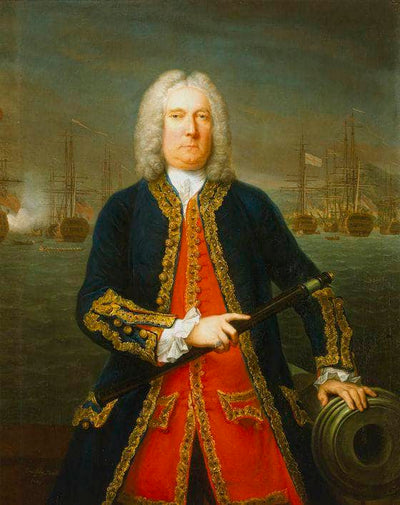
| Original Artist | Claude Arnulphy |
| Price Range | $350 to $1,150 |
| Shipping | Free Worldwide |
| Returns | 90-Day Returns |
| Medium | Oil on Canvas |
| Canvas | Museum-Grade Linen Canvas |
| Technique | Hand-painted brushstroke-by-brushstroke |
| Art Style | Rococo |
| Artist Nationality | French |
| Orientation | Vertical |
| Subject | Portraits, Portraits male |
| Available Sizes | 8 (16'' W × 20'' H to 53'' W × 65'' H, including the original size), plus custom sizes |
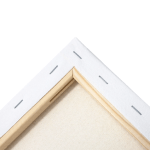
| Framing Options | Unframed, Stretched Canvas, Classic & Modern Frames |
| Delivery | 14–28 business days |
| Size | 69.8 × 86 cm (27.5 × 34 in) |
The 18th century marked a golden age for portrait painting, where artists captured the essence of their subjects with remarkable detail. This period saw a surge in demand for portraits among the aristocracy and wealthy merchants, who sought to immortalize their status and achievements. Portraits became a means of self-expression and social commentary, reflecting the values and aspirations of the Enlightenment era.
During the Enlightenment, ideas of reason, individualism, and humanism flourished. Artists like Claude Arnulphy embraced these ideals, infusing their works with a sense of intellectual depth. Portraits from this time often depicted subjects engaged in scholarly pursuits, symbolizing the importance of knowledge and education in society.
Claude Arnulphy, a prominent French painter, was known for his exquisite portraiture. Born in the late 17th century, Arnulphy developed a unique style that combined realism with a touch of elegance. His works often featured intricate details and a rich color palette, making him a sought-after artist among the elite. Lesser-known is his influence on the next generation of portraitists, who admired his ability to convey personality through brushwork.
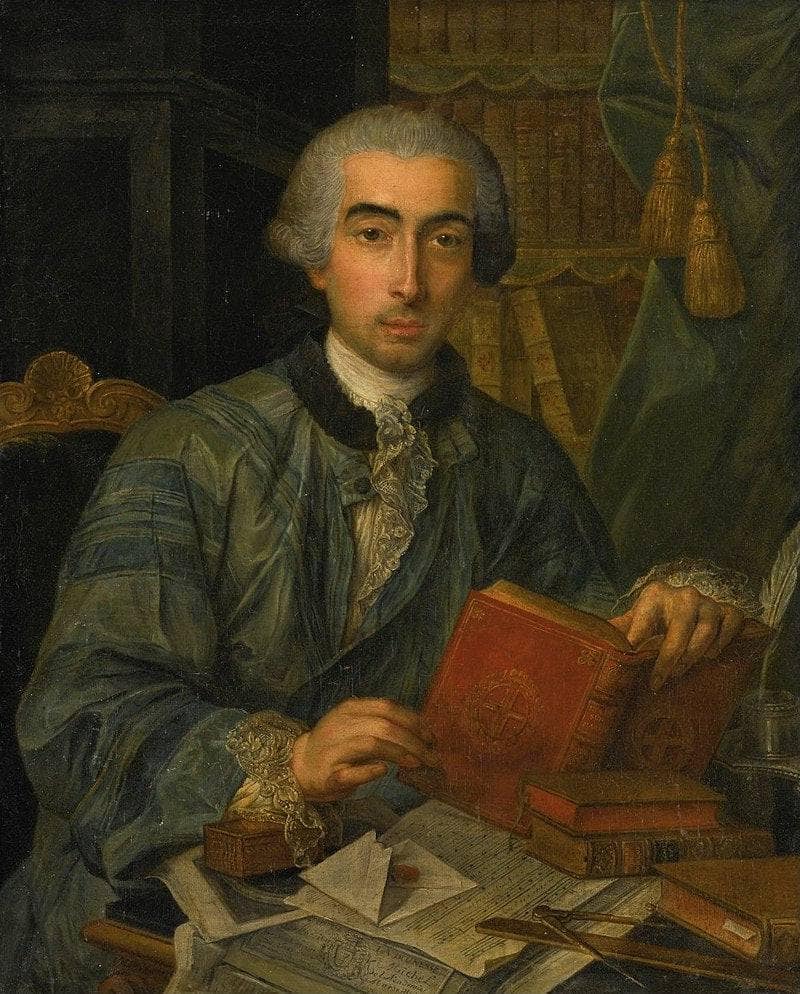
Arnulphy masterfully employed chiaroscuro, the technique of using strong contrasts between light and dark, to create depth in the portrait. The gentle illumination on the gentleman's face draws the viewer's attention, highlighting his contemplative expression. This use of light not only enhances the three-dimensionality of the figure but also evokes a sense of intimacy.
The color palette in this portrait is rich and warm, featuring deep browns, soft golds, and muted greens. These colors symbolize wisdom, stability, and sophistication. The gentleman's attire, likely made of fine fabrics, reflects his elevated social status and intellectual pursuits, suggesting he is a man of both culture and refinement.
The background of the painting is filled with books, papers, and musical scores, each element carefully placed to tell a story. The presence of books signifies knowledge and learning, while the scattered papers suggest ongoing intellectual endeavors. Music, an essential part of 18th-century culture, adds another layer, hinting at the gentleman's appreciation for the arts.
While the identity of the gentleman remains a mystery, art historians speculate he could represent a notable figure of the time, perhaps a scholar or a musician. This ambiguity invites viewers to ponder the character's life and contributions, making the portrait even more engaging.
The gentleman's attire is indicative of his social standing. The luxurious fabrics and intricate details of his clothing suggest he belongs to the upper class. Accessories, such as a gold watch or a signet ring, further emphasize his wealth and status, showcasing the fashion of the 18th century.
The desk in the portrait serves as a powerful symbol of knowledge and authority. It represents the gentleman's intellectual pursuits and his role in society as a learned individual. The clutter of papers and books on the desk suggests a busy mind, engaged in the important work of the time.
Arnulphy's brushwork is characterized by its fluidity and precision. He skillfully layered paint to create texture, giving life to the fabric and skin tones. This technique adds a tactile quality to the portrait, inviting viewers to appreciate the craftsmanship involved.
Using oil paints, Arnulphy applied multiple layers to achieve depth and luminosity. Glazing, a technique where thin layers of transparent paint are applied over dried layers, enhances the richness of colors. This method allows for subtle variations in tone, making the portrait visually captivating.
Compared to his contemporaries, Arnulphy's style stands out for its attention to detail and emotional depth. While many artists focused on idealized forms, Arnulphy captured the individuality of his subjects, making his portraits resonate with authenticity. This approach set him apart and influenced future generations of portrait artists.
Music played a vital role in 18th-century society, often associated with education and refinement. The inclusion of musical elements in the portrait reflects the cultural importance of music as a form of expression and social interaction. It suggests that the gentleman is not only a scholar but also a patron of the arts.
In the background, musical instruments may be subtly included, representing the gentleman's connection to music. Instruments like the violin or harpsichord were popular during this time, symbolizing sophistication and cultural engagement. Their presence enhances the narrative of the portrait.
The interplay between art and music in portraiture highlights the interconnectedness of these two forms of expression. Artists often depicted musicians or musical themes to convey the subject's character and interests. This portrait exemplifies how music enriches the visual narrative, adding layers of meaning.
Arnulphy's work has left a lasting impact on portrait painting. His ability to blend realism with emotional depth inspired many artists who followed. The techniques he employed continue to be studied and admired in art schools around the world.
The original painting is housed in prestigious collections, often featured in exhibitions that celebrate 18th-century art. Art enthusiasts can view this masterpiece in renowned museums, where it captivates audiences with its historical significance and artistic brilliance.
Today, Arnulphy's works are highly sought after in the art market. Collectors value his portraits for their historical context and artistic merit. The appreciation for his unique style has led to increasing demand, making his pieces valuable investments.
This painting captures the essence of 18th-century portraiture, reflecting the values of knowledge, status, and cultural engagement during the Enlightenment. It serves as a visual document of the era's intellectual pursuits.
Arnulphy utilized oil painting techniques such as layering and glazing, along with masterful brushwork to create texture and depth. His use of chiaroscuro enhances the three-dimensionality of the subject.
The identity of the gentleman remains uncertain, leading to various speculations about his historical significance. He may represent a scholar or musician, embodying the intellectual spirit of the time.
The books symbolize knowledge and learning, while the music reflects the cultural importance of the arts in 18th-century society. Together, they portray the gentleman as a cultured and educated individual.
The painting embodies the Enlightenment ideals of reason, individualism, and the pursuit of knowledge. It showcases the era's emphasis on education, culture, and the arts, making it a significant historical artifact.
When purchasing a reproduction, consider the quality of materials used, the accuracy of colors, and the level of detail. A high-quality painting reproduction will capture the essence of the original artwork far better than a simple print.
Look for reproductions created by skilled artists who specialize in oil painting techniques. Ensure that the reproduction is made using high-quality canvas and paints to achieve a vibrant and authentic look.

Discover some of our latest oil paintings, each one carefully hand-painted on canvas.
At Art & See, we're committed to delivering the highest quality art reproductions. Our team of expert artists and state-of-the-art processes ensure that each piece is a masterpiece in its own right.

Experience your masterpiece's creation through daily photos from our expert artists, each with 15+ years of experience.

Your artwork travels first class via UPS, FedEx, or DHL, protected by museum-grade packaging for safe delivery.

Review unedited photos of your finished painting and request unlimited free revisions before it ships. We only ship when you say it's perfect.

Every piece is crafted with archival materials, UV-resistant finishes, and premium British paints to last generations.
Yes, 100% hand-painted with oil on canvas by artists with 15+ years of experience. No prints, no digital shortcuts. You'll see and feel real brushstrokes, just like the original Claude Arnulphy masterpiece.
Your Portrait of a Gentleman Seated at a Desk with Books, Papers and Music reproduction takes 2–5 weeks to hand-paint depending on size and detail. Once approved, shipping takes 5–8 days via FedEx, UPS, or DHL with full tracking. Free worldwide shipping included.
Absolutely. Once your Portrait of a Gentleman Seated at a Desk with Books, Papers and Music is complete, we send you unedited photos, a full view and close-up details. Request unlimited free revisions until you're 100% satisfied. We don't ship until you say "yes."
Every painting goes through our Preview & Approve process: you receive unedited photos of your finished Claude Arnulphy reproduction and can request unlimited free revisions before it ships. We only ship when you say it's perfect. If after delivery you have any concerns, contact us at [email protected] and our team will work with you on the best path forward.
Professional-grade oil paints (Windsor & Newton) on premium linen canvas with UV-resistant protective coating. Museum-grade materials built to last generations, the same quality used in galleries worldwide.
Our artists specialize in Claude Arnulphy's technique: color accuracy, brushwork, and composition are matched to the original. Every reproduction goes through quality review before your approval photos are taken.
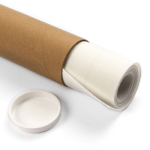
Every painting is insured and delivered door-to-door. Unframed paintings ship in protective hard tubes. Framed paintings are bubble-wrapped in sturdy boxes. If anything arrives damaged, we repair or replace it free.
Dive into the vibrant world of Historic Art. Discover your next painting today.