 4.9/5
4.9/5


Yes, you can legally copy a painting for your own practice or your own wall, whoever painted it. Copying it to sell is the part that depends on the original: if the artist died more than 70 years ago the work is in the public domain and the copy is yours to sell, and if not, you need written permission from the artist or the estate. The full framework is in Are Replica Paintings Legal?
Copying the masters is how painters have trained for centuries, and museums once handed students an easel to do it. This guide covers the three cases separately: copying to learn, copying to hang at home, and copying to sell.
At ART&See we paint oil painting reproductions of public-domain works by hand, in oil on canvas, so art lovers can live with a masterpiece without anyone's rights being touched.
Our skilled artists carefully recreate original artworks with exceptional detail, making them perfect for collectors, interior designers, and art enthusiasts. Whether you want a copy of a painting from a gallery or a replica of a public domain masterpiece, ART&See ensures every piece is crafted with respect for the original artist.
Understanding Copyright Laws in Art
What is Copyright in Art?
Copyright is a legal protection that grants the original artist exclusive rights over their work. This means they control how their original artwork is used, reproduced, or sold. If an artwork is protected by copyright, you cannot claim it as your own, nor can you copy another artist’s work without permission.
How Long Does Copyright Last?
In the U.S., a work is typically protected by copyright for the lifetime of the artist plus 70 years. After that period, it enters the public domain, meaning anyone can legally reproduce or sell paintings based on it.
Works Protected vs. Public Domain
-
Protected by Copyright: Any original painting created by a living artist or one who has passed away within the last 70 years.
-
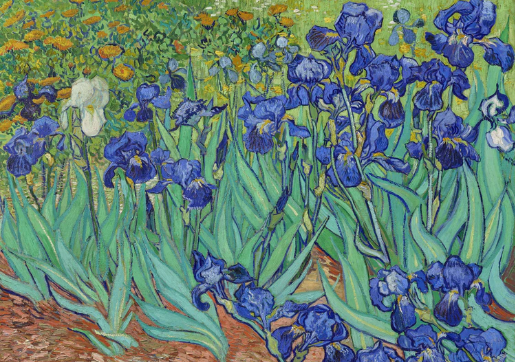
Public Domain: Works by famous artists such as Van Gogh, Da Vinci, and Monet are free to reproduce because their copyrights have expired.
💡 Tip: Always verify whether a work is in the public domain before making a copy of a painting to sell or distribute.
Can You Legally Copy Another Artist’s Work?
Copying for Personal Use vs. Commercial Use
It is perfectly legal to copy a famous painting for personal study or as a way to learn. Many art students practice copying the masters to develop their skills. However, problems arise if you try to sell or publicly display the copy of a painting without the original artist’s permission.
Situations Where Copying a Painting is Legal:
- Personal Use – If you are learning to paint, it’s legal to copy someone else’s work for practice.
- Public Domain Art – You can reproduce famous paintings that are no longer protected by copyright.
- Obtaining Permission – If the original artist or copyright holder grants you permission to use their work.
Situations That Could Lead to Copyright Infringement:
- Selling a Copy Without Permission – You cannot claim another artist’s work as your own or sell a copy of a copyrighted painting.
- Creating a Substantially Similar Work – If a copy of a painting is substantially similar to the original, it may be considered copyright infringement.
- Using Someone Else’s Photo as a Reference – If you used a photo taken by another person without permission, you may violate copyright laws.
- Entering Art Competitions with a Copy – Many art competitions disqualify entries that are based on someone else’s work.
Are paintings copyrighted?
Every painting is copyrighted from the moment it exists, automatically, with no registration, no notice and no fee. That is the default in the United States, the United Kingdom and across the European Union, and it applies to a child's drawing exactly as it applies to a gallery canvas. Registration is optional and it matters only when you go to court: in the United States it is what lets you claim statutory damages and legal costs.
What the copyright covers is that painting as painted. It does not cover the subject, the style, the palette or the technique, so two artists can paint the same cathedral in the same manner and each own their own canvas.
The copyright then runs for the artist's life plus 70 years, and after that the painting is in the public domain and belongs to everybody. This is why the question "is this painting copyrighted" almost always reduces to a date: Van Gogh died in 1890, Monet in 1926, Klimt in 1918, and their work is free. An artist who died in 1970 is protected until 2041.
One more thing is worth knowing. A photograph of a public-domain painting can carry its own copyright in some countries, and museums often assert rights over their own images. Painting from the artwork rather than copying a museum's photograph keeps that question out of the way entirely.
Painting from the work rather than from a museum photograph is how our artists copy the titles in famous paintings.
Copying a painting: practice, your wall, or for sale
The law treats those three intentions very differently, and most of the confusion online comes from mixing them up.
- Copying a painting to practise. Always fine. Copy anything, in any medium, as often as you like. Nothing leaves your studio, nothing competes with the original, no right is affected.
- Copying a painting for your own wall. Also fine, including for a copyrighted work. A single copy hanging in a private home is not publication, not distribution and not public display in the legal sense. Giving it as a gift sits in the same place.
- Copying a painting to sell. Here the original's status decides it. Public domain means you can sell as many copies as you want, with no permission and no royalty. Still in copyright means you need a licence first, and a hand-painted copy is no more permitted than a printed one.
Copying oil paintings adds nothing legally, although it adds practically: an oil copy of an oil original is the version that reads correctly, because the surface, the layering and the way light sits in the paint are part of what you are copying. That is the whole argument for a hand-painted reproduction over a print.
Two neighbouring cases have their own guides: is it illegal to paint someone else's painting, and are painting reproductions legal.
Selling a Copy of a Painting: Legal or Illegal?
Many people assume that if they paint something by hand, they can legally sell the painting. However, this is not always the case. The original artist owns the copyright, meaning you need their permission to use their work commercially.
Selling a Copy of a Painting is Legal If:
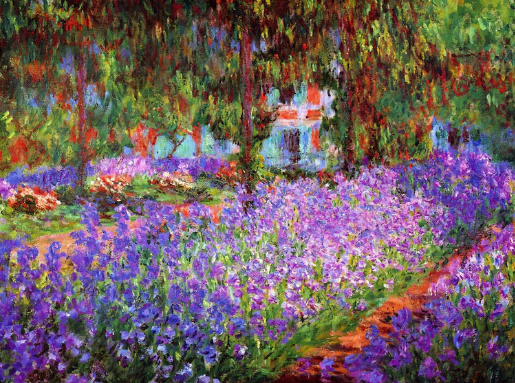
- The painting is in the public domain, for example a Monet, a Vermeer or a Van Gogh. Picasso is not: he died in 1973 and his work stays protected until 2044.
- You obtained a license from the original artist or copyright holder.
- The work is a parody or transformative piece that changes the original work significantly.
Selling a Copy of a Painting is Illegal If:
- It is an exact copy of a copyrighted work without permission.
- You copy another artist’s work and try to sell paintings online as your own.
- The work is substantially similar to the original and could mislead buyers.
Plagiarism vs. Inspiration: What’s the Difference?
Many artists learn to be creative by studying various techniques used by different artists. However, copying another artist’s work without credit crosses the line into plagiarism.
Plagiarism in Art Includes:
- Copying the Masters and Selling It as Your Own
- Removing or Altering the Original Artist’s Name
- Using Someone Else’s Photo Without Credit
- Claiming Another’s Work as Your Own
How to Reproduce Art Legally
If you love a particular piece of art and want to create a reproduction, follow these legal guidelines:
- Get Permission – Contact the artist or copyright office to request a license.
- Make a Custom Interpretation – Add your own style instead of making an exact copy.
- Credit the Original Artist – If you are publicly displaying or posting online, always acknowledge the original artist’s name.
- Use Public Domain Art – Search for works protected by expired copyrights.
What About Art Prints and Online Sales?
Many online artists create wall art prints based on famous paintings. If you are selling reproductions, be aware that:
-
Reproducing a copyrighted work without permission is a violation of copyright.
-
Many famous paintings are protected, even if they are available in books and copies online.
-
Adding a watermark does not protect you from copyright infringement.
Final Thoughts: How to Copy Art Without Legal Issues
To copy another artist’s work legally, you must understand copyright laws. While copying a painting is a great way to learn, selling a copy without permission is unauthorized use and can lead to copyright infringement.
Before you copy a famous painting, check the artist's date of death. That single fact settles almost every version of this question.
Public-domain paintings we copy by hand
Every one of these is out of copyright, so the copy raises none of the questions above. Our artists have 15 or more years at the easel and paint each canvas in oil, layer by layer. Nothing is printed. You approve a photograph of the finished painting before it ships, revisions are free, shipping is free worldwide, and you have 90 days to return it. Rolled, gallery wrap or framed.
- The Sleeping Gypsy by Henri Rousseau, hand-painted oil reproduction
- A Sunday Afternoon on the Island of La Grande Jatte by Georges Seurat
- The Raft of the Medusa by Theodore Gericault
- Napoleon Crossing the Alps by Jacques-Louis David
Any other public-domain work can be commissioned through custom orders.


