Handmade Oil Painting on Canvas Art Reproduction, Museum-quality
100% HAND-PAINTED
Real brushstrokes you can see & feel
Painting approval before shipping
Unlimited revisions
Select Size *
×
How should it arrive?
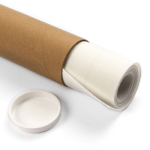
At this size, your painting ships rolled in a sturdy tube, since large frames are easily damaged in transit. Any local frame shop can stretch and frame it for you.
The six dominant colors measured from the painting, with the share of canvas each one covers. Click a swatch to copy its hex code.
Processing & Shipping Time
Your delivery time includes two parts:
Processing Time: from painting and drying to packaging and dispatch, usually 2–5 weeks depending on the painting complexity.
Shipping Time: from when your order leaves the workshop to when it arrives at your address. You'll be able to track it with the tracking number we email you.
Shipping Methods
We ship with trusted couriers like FedEx, UPS, and DHL. Every shipment includes a tracking code.
Standard orders: Arrive in 5–8 days once shipped.
Framed, stretched, and oversized paintings: May take a few extra days.
Our goal is to deliver your order safely and quickly.
Shipment Safety Measures
We handle your products with care so they arrive in perfect condition:
Framed paintings: bubble-wrapped and packed in a sturdy box.
Unframed paintings: shipped in a protective hard plastic tube.
Every product is insured and delivered right to your door, so you can feel confident buying from us.
Every Art & See painting is created by artists with 15+ years of experience using professional-grade oil paints and premium linen canvas with UV-resistant protective coating, the same museum-grade materials used in galleries worldwide. Each piece goes through quality review before your approval photos are taken. If after delivery you have any concerns about your painting, contact us at [email protected] and our team will work with you on the best path forward.
Full Warranty
Every painting is protected against physical damage during shipping. If your painting arrives damaged, we repair or replace it, free of charge.
Coverage Details
Transit damage (crushed, torn, water damage): we repair or replace at no cost. Please note that damages resulting from accidents or inappropriate use are not covered under this warranty.
Repair or Replace
Depending on the extent of damage, the affected painting will either be repaired or replaced at no additional cost to you.
Free Service
All warranty services are provided absolutely free of charge.
We want you to absolutely love your handmade artwork. Here's how it works:
Once your oil painting is complete, we'll send you unedited photos, a full view and close-up details.
Review the photos and let us know if any changes are needed. We'll happily revise the painting for free.
If you approve the painting, we'll ship it right away.
In the rare case you approve the photos and the artwork has been shipped and delivered to you, and you still want additional modification requests, we can handle it as a courtesy at our discretion. If accepted, you cover the return shipping cost.
7 (21'' W × 15'' H to 70'' W × 49'' H, including the original size), plus custom sizes
Framing Options
Unframed, Stretched Canvas, Classic & Modern Frames
Delivery
14–28 business days
About the Original
Size
239 × 169 cm (94 × 66.5 in)
Year
1622
About This Painting
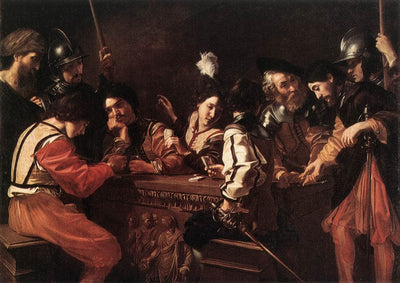
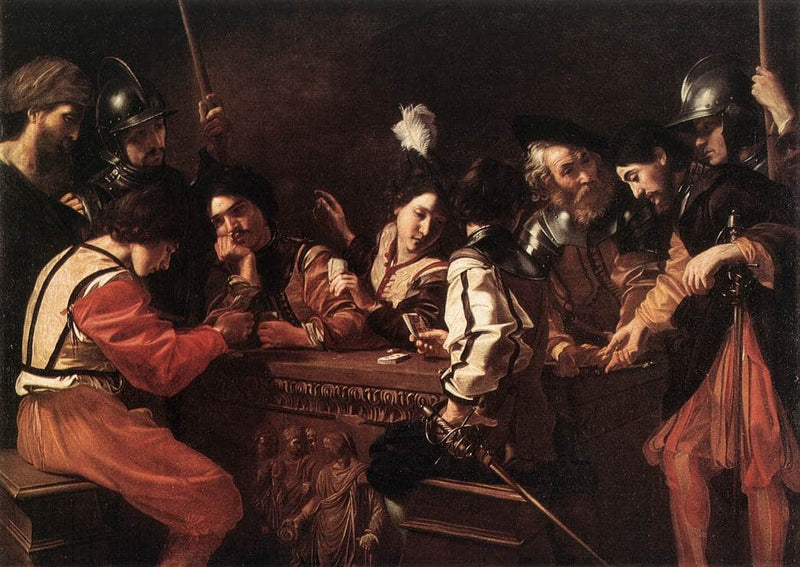
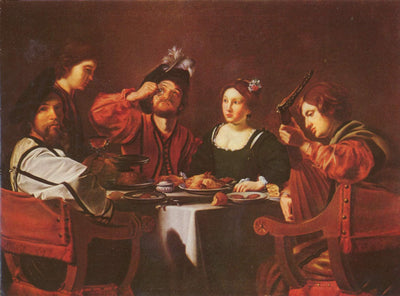
The Guard Room: A Masterpiece of 17th Century Baroque Art
Understanding Nicolas Tournier: The Artist Behind the Canvas
Biographical Insights into Nicolas Tournier's Life and Work
Nicolas Tournier, born in 1590 in the vibrant city of Rome, was a prominent figure in the Baroque art movement. His artistic journey began under the influence of Caravaggio, whose dramatic use of light and shadow inspired Tournier's own style. Tournier later moved to France, where he became known for his captivating genre scenes and historical paintings. His works often reflect a deep understanding of human emotion and social dynamics, making him a significant contributor to 17th-century art.
Influences of the Baroque Era on Tournier's Artistic Style
The Baroque era, characterized by grandeur and emotional intensity, profoundly influenced Tournier's artistic approach. He embraced the movement's hallmark features, such as dynamic compositions and rich color palettes. Tournier's ability to convey drama through his subjects and settings aligns perfectly with the Baroque emphasis on storytelling and theatricality. His paintings often depict moments of tension and interaction, inviting viewers to engage with the narrative.
Notable Works and Contributions to Art History
In addition to The Guard Room, Tournier created several notable works, including "The Fortune Teller" and "The Adoration of the Shepherds." His contributions to art history extend beyond individual pieces; he played a crucial role in shaping the genre of historical and military painting. Tournier's ability to blend realism with allegorical themes set a precedent for future artists, influencing the trajectory of European art.
Exploring the Themes of The Guard Room
Symbolism of Military Life in 17th Century Europe
The Guard Room serves as a poignant reflection of military life during the 17th century. The painting captures the essence of camaraderie and duty among soldiers, symbolizing the honor and challenges of military service. The figures in the painting represent various ranks and roles, showcasing the hierarchical structure of the military. This portrayal invites viewers to consider the sacrifices made by those who serve.
The Role of Light and Shadow in Conveying Emotion
Tournier masterfully employs chiaroscuro, the contrast of light and dark, to evoke emotion in The Guard Room. The interplay of light highlights the soldiers' expressions, revealing their thoughts and feelings. This technique not only enhances the drama of the scene but also draws the viewer's eye to key elements, creating a sense of depth and realism.
Interpreting the Characters: Who Are the Figures in the Painting?
The figures in The Guard Room are carefully crafted to represent a diverse array of characters. Each soldier embodies a unique personality, from the stern commander to the jovial comrade. This diversity adds richness to the narrative, allowing viewers to interpret the relationships and dynamics at play. The inclusion of various ethnicities and backgrounds reflects the multicultural nature of military life in 17th-century Europe.
The Artistic Techniques Employed in The Guard Room
Oil Painting Techniques: Layering and Glazing Explained
Tournier's use of oil painting techniques, particularly layering and glazing, contributes to the painting's depth and luminosity. By applying multiple layers of paint, he creates a rich texture that enhances the visual experience. Glazing, a technique where transparent layers are applied over dried paint, allows for subtle color variations and a sense of realism that captivates the viewer.
Color Palette Analysis: The Use of Earthy Tones and Rich Hues
The color palette of The Guard Room is dominated by earthy tones and rich hues, reflecting the natural environment and the soldiers' uniforms. Tournier's choice of colors not only sets the mood but also emphasizes the historical context of the painting. The warm browns and deep reds evoke a sense of warmth and camaraderie, while cooler tones add depth and contrast.
Composition and Perspective: How Tournier Guides the Viewer's Eye
Tournier's composition in The Guard Room is masterfully arranged to guide the viewer's eye through the scene. The strategic placement of figures creates a dynamic flow, leading the viewer from one character to another. The use of perspective enhances the three-dimensionality of the painting, making the viewer feel as if they are part of the action.
The Historical Context of The Guard Room
Military Significance During the 17th Century
The 17th century was a pivotal time for military history, marked by conflicts such as the Thirty Years' War. The Guard Room captures the essence of this era, highlighting the importance of military life in society. The painting serves as a historical document, reflecting the values and challenges faced by soldiers during a time of upheaval.
Social Commentary Reflected in Tournier's Work
Tournier's work often contains social commentary, and The Guard Room is no exception. The painting invites viewers to reflect on the realities of war, including the camaraderie and struggles faced by soldiers. This commentary resonates with contemporary audiences, reminding us of the sacrifices made by those in service.
Comparative Analysis with Contemporary Artists of the Time
When compared to his contemporaries, Tournier's approach to military themes stands out. While artists like Peter Paul Rubens focused on grand historical narratives, Tournier's intimate portrayal of soldiers offers a unique perspective. His ability to capture the human experience within the context of war sets him apart in the Baroque movement.
The Cultural Impact of The Guard Room
Reception of The Guard Room in Art Circles
Upon its unveiling, The Guard Room received acclaim for its emotional depth and technical prowess. Art critics praised Tournier's ability to convey the complexities of military life. The painting quickly became a focal point in discussions about Baroque art, solidifying Tournier's reputation as a master of the genre.
Influence on Later Artists and Movements
The Guard Room has influenced numerous artists and movements throughout history. Its themes of camaraderie and duty resonate with later works in Romanticism and Realism. Artists such as Édouard Manet and Gustave Courbet drew inspiration from Tournier's ability to depict everyday life with emotional intensity.
Exhibitions and Collections Featuring The Guard Room
Today, The Guard Room is housed in prestigious collections and has been featured in numerous exhibitions. Its presence in art galleries around the world continues to inspire and educate viewers about the Baroque period and its significance in art history.
Why The Guard Room Remains Relevant Today
Lessons from History: What Modern Viewers Can Learn
The Guard Room offers valuable lessons about the human experience, particularly in the context of duty and sacrifice. Modern viewers can draw parallels between the painting's themes and contemporary issues, fostering a deeper understanding of the complexities of military life.
The Painting's Role in Contemporary Art Discussions
In contemporary art discussions, The Guard Room serves as a touchstone for exploring themes of identity, conflict, and community. Its relevance extends beyond its historical context, prompting conversations about the role of art in reflecting societal values.
Preservation and Restoration Efforts for Historical Artworks
Efforts to preserve and restore The Guard Room highlight the importance of maintaining historical artworks. Conservationists work diligently to protect Tournier's masterpiece, ensuring that future generations can appreciate its beauty and significance.
Frequently Asked Questions About The Guard Room
What is the historical significance of The Guard Room?
The Guard Room is significant for its portrayal of military life in the 17th century, reflecting the social dynamics and challenges faced by soldiers during a tumultuous period in history.
What themes are explored in The Guard Room by Nicolas Tournier?
The painting explores themes of camaraderie, duty, and the emotional complexities of military life, inviting viewers to reflect on the sacrifices made by those who serve.
How does The Guard Room reflect the Baroque style?
The Guard Room embodies the Baroque style through its dramatic use of light and shadow, dynamic composition, and emotional depth, characteristic of the era's artistic movement.
What techniques did Tournier use in creating The Guard Room?
Tournier employed oil painting techniques such as layering and glazing, along with a rich color palette, to create depth and realism in The Guard Room.
Where can I view The Guard Room today?
The Guard Room is part of esteemed collections and is often featured in exhibitions worldwide, allowing art enthusiasts to experience Tournier's masterpiece firsthand.
What are the common features of Tournier's paintings?
Common features of Tournier's paintings include emotional expression, intricate details, and a focus on human interactions, often set against historical or military backdrops.
How can I appreciate the details in The Guard Room?
To appreciate the details in The Guard Room, take time to observe the expressions and interactions of the figures, the use of light and shadow, and the overall composition that guides your eye through the scene.
Understanding Art Reproductions: The Guard Room
What should I know before purchasing a reproduction of The Guard Room?
Before purchasing a reproduction of The Guard Room, consider the quality of the reproduction, the materials used, and the reputation of the artist or company creating it. A high-quality reproduction can capture the essence of Tournier's original work.
How do art reproductions differ from original paintings?
Art reproductions differ from original paintings in that they are created to replicate the original artwork, often using advanced printing techniques. However, reproductions offer a more accessible way to enjoy and appreciate the beauty of masterpieces like The Guard Room.
What are the benefits of owning a reproduction of The Guard Room?
Owning a reproduction of The Guard Room allows you to bring a piece of art history into your home. Unlike prints, which can lack depth and texture, high-quality reproductions provide a more authentic experience, allowing you to appreciate Tournier's artistry in your own space.
1 / 6
Framing Information
Unframed
The canvas arrives rolled up in a sturdy tube, so you can have it framed locally on your favorite local shop exactly how you like.
Stretched Canvas
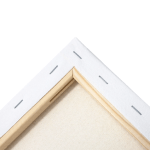
The artwork is already mounted on a wooden frame and can be hung directly on your wall, or you can choose to add an outer frame later.
Framed
Comes with a frame already chosen and applied. You can select from 15 different styles in our catalog, each varying in material and price.
See this painting in a room
Drag to move
·
Corners to resize
The Guard Room by Nicolas TournierHand-Painted Oil Painting Reproduction32'' W × 23'' H · Unframed
20” x 16” inUnframed - Arrives Rolled on a Tube
$350.00
30% Off TodayEnds soon!
SAMPLES OF QUALITY
Recent Hand-Painted Reproductions
Discover some of our latest oil paintings, each one carefully hand-painted on canvas.
OUR GUARANTEES
Why Choose Our Art Reproductions
At Art & See, we're committed to delivering the highest quality art reproductions. Our team of expert artists and state-of-the-art processes ensure that each piece is a masterpiece in its own right.
Real Artists Only
Experience your masterpiece's creation through daily photos from our expert artists, each with 15+ years of experience.
We'll send you photos before shipping
Worry-Free Shipping
Your artwork travels first class via UPS, FedEx, or DHL, protected by museum-grade packaging for safe delivery.
Safe protective packaging
Preview & Approve
Review unedited photos of your finished painting and request unlimited free revisions before it ships. We only ship when you say it's perfect.
You approve before we ship
Built to Last
Every piece is crafted with archival materials, UV-resistant finishes, and premium British paints to last generations.
Frequently Asked Questions About Nicolas Tournier Oil Painting Reproductions
Everything you need to know before ordering your hand-painted The Guard Room reproduction.
Is "The Guard Room" by Nicolas Tournier a real hand-painted oil painting?
Yes, 100% hand-painted with oil on canvas by artists with 15+ years of experience. No prints, no digital shortcuts. You'll see and feel real brushstrokes, just like the original Nicolas Tournier masterpiece.
How long does it take to receive my Nicolas Tournier painting?
Your The Guard Room reproduction takes 2–5 weeks to hand-paint depending on size and detail. Once approved, shipping takes 5–8 days via FedEx, UPS, or DHL with full tracking. Free worldwide shipping included.
Can I see my painting before it ships?
Absolutely. Once your The Guard Room is complete, we send you unedited photos, a full view and close-up details. Request unlimited free revisions until you're 100% satisfied. We don't ship until you say "yes."
How do I know I'll love it?
Every painting goes through our Preview & Approve process: you receive unedited photos of your finished Nicolas Tournier reproduction and can request unlimited free revisions before it ships. We only ship when you say it's perfect. If after delivery you have any concerns, contact us at [email protected] and our team will work with you on the best path forward.
What materials do you use?
Professional-grade oil paints (Windsor & Newton) on premium linen canvas with UV-resistant protective coating. Museum-grade materials built to last generations, the same quality used in galleries worldwide.
Will my painting look exactly like the original The Guard Room?
Our artists specialize in Nicolas Tournier's technique: color accuracy, brushwork, and composition are matched to the original. Every reproduction goes through quality review before your approval photos are taken.
Is my painting shipped safely?
Every painting is insured and delivered door-to-door. Unframed paintings ship in protective hard tubes. Framed paintings are bubble-wrapped in sturdy boxes. If anything arrives damaged, we repair or replace it free.
Ready to Embrace ART?
Bring a Masterpiece to Your Décor Today
Dive into the vibrant world of Historic Art. Discover your next painting today.
Choosing a selection results in a full page refresh.
","enableCarousel":true,"customPositionCatalogDirection":"after","hideCarouselImages":false,"badgeIconType":"badge-circle","customPositionProductDirection":"after","carouselHeadingColor":"#000000","carouselMinimumRating":"all-reviews","customPositionProduct":"","customPositionHome":"","showMobileNavigation":false,"hideCarouselProductName":false,"isEnableBadge":true},"reviewWidget":{"customPositionCatalog":"","showOnMobile":true,"showOnHomePage":false,"desktopPosition":"desktop-right","enablePopupReview":false,"hideNoStarRating":false,"minimumRating":"all-reviews","floatButtonLabel":"Our Reviews","enableSidebar":false,"mobilePosition":"mobile-left","starRatingStyle":"show_reviews_within_separately","showProductPageBlock":true,"showOnProductList":true,"floatBtnIconCustom":"","showPreview":false,"enableStarRating":true,"showCatalogPage":true,"customPositionCatalogDirection":"after","previewType":"star-rating-settings","showProductPage":true,"floatBtnBgColor":"#000000","presetStarRating":"detail","customPositionProductDirection":"after","floatBtnIcon":"https://cdnapps.avada.io/airReviews/icon/star-rating-2.png","showByProduct":true,"starRatingStyleOptions":"show_reviews_within_total_rating","customPositionProduct":"","customProductContainer":"","showOnDesktop":true,"floatBtnTextColor":"#FFFFFF"},"testimonialSettings":{"layout":"modern","autoNavigate":true,"autoNavigateInterval":10,"showOnDesktop":true,"showOnMobile":false,"testimonialsSource":"recentReviews","font":"Noto Sans","quoteIcon":"first","customerNameColor":"#303030","contentColor":"#303030","quoteIconColor":"#303030","backgroundColor":"#FFFFFF","borderColor":"#303030","selectedProducts":[],"selectedReviews":[{"content":"My partner and I recently visited MoMA in NYC to see this painting. We commissioned Art & See to replicate it. The result was breathtaking, and it's now being framed. Definitely 5-star quality.","createdAt":"2024-09-21T00:00:00.000Z","rate":5,"firstName":"Luca Donovan","id":"jMH1B9OGcPXkYety4lNk"}],"maxRecentReviews":3,"enableTestimonial":false,"customCss":"","showReviewDate":false},"submitForm":{"designPreset":"submit-popup","backgroundColor":"#FFFFFF","textColor":"#202223","buttonColor":"#000000","buttonTextColor":"#FFFFFF","validationsColor":"#D72C0D","cancelButtonColor":"#FFFFFF","cancelTextColor":"#202223","customCss":"","suggestKeywords5Star":[],"suggestKeywords4Star":[],"suggestKeywords3Star":[],"suggestKeywords2Star":[],"suggestKeywords1Star":[],"ignoreContentValidation":false,"isUseDynamicQuestion":false},"enabledEmailMerchant":false,"generalSetting":{"maxReviewImport":"20","autoTranslate":"english","autoSubmitPublish":"disabled","isTrashFeatureEnabled":false,"hideReviewDate":"","ratingOption":"All positive","sortOption":"sortlarest@feedback","photoOption":"all","amzRatingOption":"positive","amzSortOption":"recent","amzReviewerOption":"all_reviews","amzPhotoOption":"all_contents","cjdRatingOption":"5 star","cjdSortOption":"sortlarest@feedback","cjdPhotoOption":"all","shopeeRatingOption":"all_stars","shopeeSortOption":"default","shopeePhotoOption":"all_contents","enableAggregateRating":false,"eligibility":"everyone","enableTrashReview":false,"deleteAfterDays":15,"enableCountryFlag":true,"enableUGCContent":false,"isUsingPresetV2":false,"isInfiniteScrollingBlockAll":false,"enableGGTopQuality":true,"positionGGTopQuality":"","hideProductDetailOnSeeMore":false,"isRtlStore":false},"reviewBlock":{"enabledVariant":false,"preset":0,"layout":"list","inlinePosition":"below-product","customPosition":".shopify-payment-button","customPositionDirection":"after","requiredName":true,"requiredEmail":false,"isPrioritizeImageReviews":false,"sortingDefault":"recent","hasPolicy":true,"policy":"By submitting, I acknowledge the Privacy and that my reviews will be publicly posted and shared online","submitButtonColor":"#166CE1","submitTextColor":"#ffffff","advancedSetting":true,"starColorType":"single-color","fiveStarColor":"#27ae60","fourStarColor":"#27ae60","threeStarColor":"#27ae60","twoStarColor":"#27ae60","oneStarColor":"#27ae60","emptyStarColor":"#BFBFBF","singleStarColor":"#27ae60","dateFormat":"mm_dd_yyyy","summaryButton":"Write a review","primaryColor":"#27ae60","secondaryColor":"#27ae60","headingColor":"#000000","backgroundColor":"#EDEDED","designPreset":"modern","boxBackgroundColor":"#F6F6F6","customerNameColor":"#000000","contentColor":"#27ae60","cardBackgroundColor":"#fff","isHideSummaryWhenNoReview":false,"buttonBorderRadius":4,"font":"Inter","customCss":"","starIconType":"trustpilot","isEnableBadge":true,"badgeColor":"#2196f3","badgeIconType":"badge-dodecagon","displayBadge":"after-customer-name","shopLogoNotify":"","storeLogo":"https://firebasestorage.googleapis.com/v0/b/air-reviews.appspot.com/o/logo%2FstoreLogo%2FC0C46YQa0Eczcd2QEgRq%2F1728853076464-group%206345.png?alt=media&token=1cba933a-57e9-4c0c-a63d-522ae505c7e1","isShowBadgeText":true,"defaultSort":"10","formatCustomerName":"full_name","styleAvatar":"no_avatar","cardSizeCarousel":"320","mediaPositionCarousel":"top","showNavigationCarousel":false,"themeId":"custom","replaceAliexpressShopperText":false,"mobileGridColumnsCount":2,"enableCustomHoverColor":false,"summaryTextColor":"#27ae60","showSummaryAsPercentage":false,"isShowHelpful":false,"displayHelpful":"everyone","appearanceHelpful":"only-helpful","likedColor":"#2C6ECB","dislikedColor":"#CB2C2C","likeDefaultColor":"#BEBEBE","dislikeDefaultColor":"#BEBEBE","isHelpfulInBox":true,"isHelpfulInCarousel":false,"isHelpfulInSidebar":false,"id":0,"summaryHeading":"Review","styleShopLogo":"show_shop_logo","buttonBackgroundColor":"#000000","starDefaultColor":"#27ae60","buttonTextColor":"#FFFFFF"},"allReviewsPage":[{"firstName":"Scarlett Jane","content":"BLOWN AWAY BY THIS ART!!! ❤️ We could not be happier with our School of Athens Painting. I bought this for my husband as a gift and we were blown away with the quality of work - the piece truly turned out better than we expected! Customer service was also fantastic. The painting did take some time, but thats expected with a piece thats hand painted. Totally worth the wait!!","rate":5,"countryCode":"CANADA","images":["https://cdn.shopify.com/s/files/1/0700/2505/2457/files/review2026-1.png?v=1764331913"],"videos":[],"createdAt":"2025-11-27T00:00:00.000Z","productIds":[9246016831785],"products":[{"image":"https://cdn.shopify.com/s/files/1/0700/2505/2457/files/the-lady-with-an-ermine-cecilia-gallerani-leonardo-da-vinci-45963834556713.jpg?v=1750014545","productLink":"https://art-and-see.com/products/leonardo-da-vinci-paintings-the-lady-with-an-ermine-cecilia-gallerani","title":"The Lady with an Ermine","handle":"leonardo-da-vinci-paintings-the-lady-with-an-ermine-cecilia-gallerani"}],"variants":null,"helpful":0,"notHelpful":0,"hasImages":true,"source":"Imported","pinned":false,"isFeatured":false,"status":"approved","verified":true,"id":"7pPhtZfqRBDT8f0x0AG4","isProductExists":true},{"firstName":"Luca Donovan","content":"My partner and I recently visited MoMA in NYC to see this painting. We commissioned Art & See to replicate it. The result was breathtaking, and it's now being framed. Definitely 5-star quality.","rate":5,"countryCode":"USA","images":["https://cdn.shopify.com/s/files/1/0700/2505/2457/files/starry1.jpg?v=1755481933"],"videos":[],"createdAt":"2025-11-26T00:00:00.000Z","productIds":[9246937743657],"products":[{"image":"https://cdn.shopify.com/s/files/1/0700/2505/2457/files/the-starry-night-vincent-van-gogh-45968485089577.jpg?v=1749975844","productLink":"https://art-and-see.com/products/vincent-van-gogh-paintings-the-starry-night","title":"The Starry Night","handle":"vincent-van-gogh-paintings-the-starry-night"}],"variants":null,"helpful":0,"notHelpful":0,"hasImages":true,"source":"Imported","pinned":false,"isFeatured":false,"status":"approved","verified":true,"id":"3iXGm5kvwVBrP1TrcLLM","isProductExists":true},{"firstName":"amelia v.","content":"very intense colours at first glance, thought i misjudged size but after moving a cushion it just echoed the room right.","rate":5,"countryCode":"USA","images":["https://cdn.shopify.com/s/files/1/0700/2505/2457/files/review2026-2.png?v=1764331929"],"videos":[],"createdAt":"2025-11-24T00:00:00.000Z","productIds":[9246583882025],"products":[{"image":"https://cdn.shopify.com/s/files/1/0700/2505/2457/files/talbott-place-t-c-steele-45967111094569.jpg?v=1749985756","productLink":"https://art-and-see.com/products/t-c-steele-paintings-talbott-place","title":"Talbott Place","handle":"t-c-steele-paintings-talbott-place"}],"variants":null,"helpful":0,"notHelpful":0,"hasImages":true,"source":"Imported","pinned":false,"isFeatured":false,"status":"approved","verified":true,"id":"clDasqcVx2a74HDApus9","isProductExists":true},{"firstName":"ricardo torres","content":"Didn't expect it but the paint strokes feel like someone actually stood there, brush in hand. Initially annoyed by shipping delay, then forgot the moment I saw it since it turned out to be a professionally made reproduction that feels oddly authentic.","rate":5,"countryCode":"USA","images":["https://cdn.shopify.com/s/files/1/0700/2505/2457/files/review2026-3.png?v=1764331951"],"videos":[],"createdAt":"2025-11-19T00:00:00.000Z","productIds":[9245116367145],"products":[{"image":"https://cdn.shopify.com/s/files/1/0700/2505/2457/files/the-japanese-bridge-the-water-lily-pond-symphony-in-rose-claude-monet-45959490568489.jpg?v=1752637134","productLink":"https://art-and-see.com/products/claude-monet-paintings-the-japanese-bridge-the-water-lily-pond-symphony-in-rose","title":"The Japanese Bridge (The Water-Lily Pond, Symphony in Rose)","handle":"claude-monet-paintings-the-japanese-bridge-the-water-lily-pond-symphony-in-rose"}],"variants":null,"helpful":0,"notHelpful":0,"hasImages":true,"source":"Imported","pinned":false,"isFeatured":false,"status":"approved","verified":true,"id":"8rc4C7gYB9VTminC2rXM","isProductExists":true}],"popReviews":[],"carouselReviews":[{"firstName":"Scarlett Jane","content":"BLOWN AWAY BY THIS ART!!! ❤️ We could not be happier with our School of Athens Painting. I bought this for my husband as a gift and we were blown away with the quality of work - the piece truly turned out better than we expected! Customer service was also fantastic. The painting did take some time, but thats expected with a piece thats hand painted. Totally worth the wait!!","rate":5,"countryCode":"CANADA","images":["https://cdn.shopify.com/s/files/1/0700/2505/2457/files/review2026-1.png?v=1764331913"],"videos":[],"createdAt":"2025-11-27T00:00:00.000Z","productIds":[9246016831785],"products":[{"image":"https://cdn.shopify.com/s/files/1/0700/2505/2457/files/the-lady-with-an-ermine-cecilia-gallerani-leonardo-da-vinci-45963834556713.jpg?v=1750014545","productLink":"https://art-and-see.com/products/leonardo-da-vinci-paintings-the-lady-with-an-ermine-cecilia-gallerani","title":"The Lady with an Ermine","handle":"leonardo-da-vinci-paintings-the-lady-with-an-ermine-cecilia-gallerani"}],"variants":null,"helpful":0,"notHelpful":0,"hasImages":true,"source":"Imported","pinned":false,"isFeatured":false,"status":"approved","verified":true,"id":"7pPhtZfqRBDT8f0x0AG4","isProductExists":true},{"firstName":"Luca Donovan","content":"My partner and I recently visited MoMA in NYC to see this painting. We commissioned Art & See to replicate it. The result was breathtaking, and it's now being framed. Definitely 5-star quality.","rate":5,"countryCode":"USA","images":["https://cdn.shopify.com/s/files/1/0700/2505/2457/files/starry1.jpg?v=1755481933"],"videos":[],"createdAt":"2025-11-26T00:00:00.000Z","productIds":[9246937743657],"products":[{"image":"https://cdn.shopify.com/s/files/1/0700/2505/2457/files/the-starry-night-vincent-van-gogh-45968485089577.jpg?v=1749975844","productLink":"https://art-and-see.com/products/vincent-van-gogh-paintings-the-starry-night","title":"The Starry Night","handle":"vincent-van-gogh-paintings-the-starry-night"}],"variants":null,"helpful":0,"notHelpful":0,"hasImages":true,"source":"Imported","pinned":false,"isFeatured":false,"status":"approved","verified":true,"id":"3iXGm5kvwVBrP1TrcLLM","isProductExists":true},{"firstName":"amelia v.","content":"very intense colours at first glance, thought i misjudged size but after moving a cushion it just echoed the room right.","rate":5,"countryCode":"USA","images":["https://cdn.shopify.com/s/files/1/0700/2505/2457/files/review2026-2.png?v=1764331929"],"videos":[],"createdAt":"2025-11-24T00:00:00.000Z","productIds":[9246583882025],"products":[{"image":"https://cdn.shopify.com/s/files/1/0700/2505/2457/files/talbott-place-t-c-steele-45967111094569.jpg?v=1749985756","productLink":"https://art-and-see.com/products/t-c-steele-paintings-talbott-place","title":"Talbott Place","handle":"t-c-steele-paintings-talbott-place"}],"variants":null,"helpful":0,"notHelpful":0,"hasImages":true,"source":"Imported","pinned":false,"isFeatured":false,"status":"approved","verified":true,"id":"clDasqcVx2a74HDApus9","isProductExists":true},{"firstName":"ricardo torres","content":"Didn't expect it but the paint strokes feel like someone actually stood there, brush in hand. Initially annoyed by shipping delay, then forgot the moment I saw it since it turned out to be a professionally made reproduction that feels oddly authentic.","rate":5,"countryCode":"USA","images":["https://cdn.shopify.com/s/files/1/0700/2505/2457/files/review2026-3.png?v=1764331951"],"videos":[],"createdAt":"2025-11-19T00:00:00.000Z","productIds":[9245116367145],"products":[{"image":"https://cdn.shopify.com/s/files/1/0700/2505/2457/files/the-japanese-bridge-the-water-lily-pond-symphony-in-rose-claude-monet-45959490568489.jpg?v=1752637134","productLink":"https://art-and-see.com/products/claude-monet-paintings-the-japanese-bridge-the-water-lily-pond-symphony-in-rose","title":"The Japanese Bridge (The Water-Lily Pond, Symphony in Rose)","handle":"claude-monet-paintings-the-japanese-bridge-the-water-lily-pond-symphony-in-rose"}],"variants":null,"helpful":0,"notHelpful":0,"hasImages":true,"source":"Imported","pinned":false,"isFeatured":false,"status":"approved","verified":true,"id":"8rc4C7gYB9VTminC2rXM","isProductExists":true},{"firstName":"John Tartakovsky","content":"DAMN! GOOD STUFF opened it half-asleep, woke up real quick. not usually into bold stuff like that but it really impressed me","rate":5,"countryCode":"USA","images":["https://cdn.shopify.com/s/files/1/0700/2505/2457/files/review2026-4.png?v=1764331970"],"videos":[],"createdAt":"2025-11-10T00:00:00.000Z","productIds":[9244981068073],"products":[{"image":"https://cdn.shopify.com/s/files/1/0700/2505/2457/files/the-death-of-general-wolfe-benjamin-west-45958899138857.jpg?v=1752646313","productLink":"https://art-and-see.com/products/benjamin-west-paintings-the-death-of-general-wolfe","title":"The Death of General Wolfe","handle":"benjamin-west-paintings-the-death-of-general-wolfe"}],"variants":null,"helpful":0,"notHelpful":0,"hasImages":true,"source":"Imported","pinned":false,"isFeatured":false,"status":"approved","verified":true,"id":"Tm9MnTFhf9h28cm6Ntk9","isProductExists":true},{"firstName":"michelle-ann j","content":"Love my painting! The artist did an amazing job…. I highly recommend!","rate":5,"countryCode":"USA","images":["https://cdn.shopify.com/s/files/1/0700/2505/2457/files/review2026-5.png?v=1764331991"],"videos":[],"createdAt":"2025-11-08T00:00:00.000Z","productIds":[9245831069993],"products":[{"image":"https://cdn.shopify.com/s/files/1/0700/2505/2457/files/the-girl-with-a-pearl-earring.jpg?v=1752679518","productLink":"https://art-and-see.com/products/johannes-vermeer-paintings-the-girl-with-a-pearl-earring","title":"Girl with a Pearl Earring","handle":"johannes-vermeer-paintings-the-girl-with-a-pearl-earring"}],"variants":null,"helpful":0,"notHelpful":0,"hasImages":true,"source":"Imported","pinned":false,"isFeatured":false,"status":"approved","verified":true,"id":"A3f0g4JVRHeGt7x4R3HN","isProductExists":true},{"firstName":"george mikhail","content":"STUNNING customization! My customized painting is stunning. It was not an easy order - I asked the artist to change both the dimensions and the color scheme of the original painting. They accommodated every request. What I received far exceeded my expectations. I could not be more pleased!","rate":5,"countryCode":"USA","images":[],"videos":[],"createdAt":"2025-11-05T00:00:00.000Z","productIds":[9246937743657],"products":[{"image":"https://cdn.shopify.com/s/files/1/0700/2505/2457/files/the-starry-night-vincent-van-gogh-45968485089577.jpg?v=1749975844","productLink":"https://art-and-see.com/products/vincent-van-gogh-paintings-the-starry-night","title":"The Starry Night","handle":"vincent-van-gogh-paintings-the-starry-night"}],"variants":null,"helpful":0,"notHelpful":0,"hasImages":false,"source":"Imported","pinned":false,"isFeatured":false,"status":"approved","verified":true,"id":"n2DRinrkoeEsHn4oSJE1","isProductExists":true},{"firstName":"Hudson","content":"This company is amazing! A painting had a minor issue in transit. Art & See got things in order & commissioned a touch-up immediately. I have it now & love it. Great company to work with. Dont hesitate.","rate":5,"countryCode":"CANADA","images":[],"videos":[],"createdAt":"2025-11-03T00:00:00.000Z","productIds":[9246937940265],"products":[{"image":"https://cdn.shopify.com/s/files/1/0700/2505/2457/files/still-life-with-irises-vincent-van-gogh-45968486203689.jpg?v=1749975816","productLink":"https://art-and-see.com/products/vincent-van-gogh-paintings-still-life-with-irises","title":"Still Life with Irises","handle":"vincent-van-gogh-paintings-still-life-with-irises"}],"variants":null,"helpful":0,"notHelpful":0,"hasImages":false,"source":"Imported","pinned":false,"isFeatured":false,"status":"approved","verified":true,"id":"QiR9CiQezopRHQ7DR0Ua","isProductExists":true},{"firstName":"SANTIAGO VARGAS","content":"at first I thought the colours were too strong, now everything else in the room looks a bit flat without it.","rate":5,"countryCode":"USA","images":[],"videos":[],"createdAt":"2025-11-02T00:00:00.000Z","productIds":[9246937940265],"products":[{"image":"https://cdn.shopify.com/s/files/1/0700/2505/2457/files/still-life-with-irises-vincent-van-gogh-45968486203689.jpg?v=1749975816","productLink":"https://art-and-see.com/products/vincent-van-gogh-paintings-still-life-with-irises","title":"Still Life with Irises","handle":"vincent-van-gogh-paintings-still-life-with-irises"}],"variants":null,"helpful":0,"notHelpful":0,"hasImages":false,"source":"Imported","pinned":false,"isFeatured":false,"status":"approved","verified":true,"id":"uztRl7KzSYBsoUVzOx95","isProductExists":true},{"firstName":"Giacomo D'orlandi","content":"I added this Van Gogh reproduction to my collection, and it truly stands out. The detail and quality are beyond my expectations. It's the centerpiece of my living room.","rate":5,"countryCode":"USA","images":["https://cdn.shopify.com/s/files/1/0700/2505/2457/files/starry2.jpg?v=1755481967"],"videos":[],"createdAt":"2025-10-30T00:00:00.000Z","productIds":[9246937743657],"products":[{"image":"https://cdn.shopify.com/s/files/1/0700/2505/2457/files/the-starry-night-vincent-van-gogh-45968485089577.jpg?v=1749975844","productLink":"https://art-and-see.com/products/vincent-van-gogh-paintings-the-starry-night","title":"The Starry Night","handle":"vincent-van-gogh-paintings-the-starry-night"}],"variants":null,"helpful":0,"notHelpful":0,"hasImages":true,"source":"Imported","pinned":false,"isFeatured":false,"status":"approved","verified":true,"id":"hgSDOvCJ7majbfo9uPsD","isProductExists":true},{"firstName":"eva marlowe","content":"Accommodating Company, great products! We were on travel and the team was very accommodating to help with shipping. The painting arrived and it is beautiful. It is very much like the original and a focus point for our room.","rate":5,"countryCode":"USA","images":[],"videos":[],"createdAt":"2025-10-28T00:00:00.000Z","productIds":[9246486561065],"products":[{"image":"https://cdn.shopify.com/s/files/1/0700/2505/2457/files/the-polish-rider-rembrandt-45966673084713.jpg?v=1749989226","productLink":"https://art-and-see.com/products/rembrandt-paintings-the-polish-rider","title":"The Polish Rider","handle":"rembrandt-paintings-the-polish-rider"}],"variants":null,"helpful":0,"notHelpful":0,"hasImages":false,"source":"Imported","pinned":false,"isFeatured":false,"status":"approved","verified":true,"id":"FfPZTTRKDZbxLgXct4js","isProductExists":true},{"firstName":"jo the king","content":"great painting experience! I received my painting yesterday and it is outstanding. The artist put a lot of time and care creating this masterpiece and it really shows quite well. I feel comfortable with this company and will probably order more in the future. Im always impressed by how its packed. Extra care is a priority. Best all around.","rate":5,"countryCode":"USA","images":[],"videos":[],"createdAt":"2025-10-24T00:00:00.000Z","productIds":[9247167676713],"products":[{"image":"https://cdn.shopify.com/s/files/1/0700/2505/2457/files/flowers-against-a-palm-leaf-pettern.jpg?v=1752664801","productLink":"https://art-and-see.com/products/william-james-glackens-paintings-flowers-against-a-palm-leaf-pettern","title":"Flowers Against a Palm Leaf Pettern","handle":"william-james-glackens-paintings-flowers-against-a-palm-leaf-pettern"}],"variants":null,"helpful":0,"notHelpful":0,"hasImages":false,"source":"Imported","pinned":false,"isFeatured":false,"status":"approved","verified":true,"id":"bJNA3I65pkdIOje0KByo","isProductExists":true},{"firstName":"katy_r","content":"it arrived, very nice painting and will look good in my office. One small critique is that perhaps the artist could have done a slightly better job capturing the emotion evident in the original artwork. But we are very pleased and would not hesitate to order another piece.","rate":5,"countryCode":"USA","images":[],"videos":[],"createdAt":"2025-10-19T00:00:00.000Z","productIds":[9246481580329],"products":[{"image":"https://cdn.shopify.com/s/files/1/0700/2505/2457/files/the-anatomy-lesson-of-dr-nicolaes-tulp-rembrandt-45966646542633.jpg?v=1749989467","productLink":"https://art-and-see.com/products/rembrandt-paintings-the-anatomy-lesson-of-dr-nicolaes-tulp","title":"The Anatomy Lesson","handle":"rembrandt-paintings-the-anatomy-lesson-of-dr-nicolaes-tulp"}],"variants":null,"helpful":0,"notHelpful":0,"hasImages":false,"source":"Imported","pinned":false,"isFeatured":false,"status":"approved","verified":true,"id":"PT2qo9jNsD9Ve9ZjAnDs","isProductExists":true},{"firstName":"henrik olesen","content":"the paintings are beautiful! Frame looks exactly as displayed on website. Customer service was responsive with my inquiries about sizing.","rate":5,"countryCode":"USA","images":[],"videos":[],"createdAt":"2025-10-10T00:00:00.000Z","productIds":[9246916084009],"products":[{"image":"https://cdn.shopify.com/s/files/1/0700/2505/2457/files/irises-vincent-van-gogh-45968410116393.jpg?v=1716883736","productLink":"https://art-and-see.com/products/vincent-van-gogh-paintings-irises","title":"Irises","handle":"vincent-van-gogh-paintings-irises"}],"variants":null,"helpful":0,"notHelpful":0,"hasImages":false,"source":"Imported","pinned":false,"isFeatured":false,"status":"approved","verified":true,"id":"r9ZPEPLA6JTMOAjZzAEN","isProductExists":true},{"firstName":"ariella t","content":"so nice 😊","rate":5,"countryCode":"USA","images":[],"videos":[],"createdAt":"2025-10-08T00:00:00.000Z","productIds":[9246489936169],"products":[{"image":"https://cdn.shopify.com/s/files/1/0700/2505/2457/files/the-syndics.jpg?v=1752669191","productLink":"https://art-and-see.com/products/rembrandt-paintings-the-syndics","title":"The Syndics","handle":"rembrandt-paintings-the-syndics"}],"variants":null,"helpful":0,"notHelpful":0,"hasImages":false,"source":"Imported","pinned":false,"isFeatured":false,"status":"approved","verified":true,"id":"BR69advp31H580UKLSs3","isProductExists":true},{"firstName":"B. Kowalski","content":"sorta thought it would be like mass print… nope. you can see where the stroke starts to dry, kinda hypnotic. someone told me later it’s their reproduction of Starry Night by van Gogh and honestly I believe it.","rate":5,"countryCode":"USA","images":[],"videos":[],"createdAt":"2025-10-04T00:00:00.000Z","productIds":[9245831069993],"products":[{"image":"https://cdn.shopify.com/s/files/1/0700/2505/2457/files/the-girl-with-a-pearl-earring.jpg?v=1752679518","productLink":"https://art-and-see.com/products/johannes-vermeer-paintings-the-girl-with-a-pearl-earring","title":"Girl with a Pearl Earring","handle":"johannes-vermeer-paintings-the-girl-with-a-pearl-earring"}],"variants":null,"helpful":0,"notHelpful":0,"hasImages":false,"source":"Imported","pinned":false,"isFeatured":false,"status":"approved","verified":true,"id":"1wD8JUh7r8XKLvLRShH1","isProductExists":true},{"firstName":"nuria santos","content":"Didn’t like it first day. Day two… stopped talking mid-sentence and stared. Something shifted.","rate":5,"countryCode":"USA","images":[],"videos":[],"createdAt":"2025-10-01T00:00:00.000Z","productIds":[9246929289513],"products":[{"image":"https://cdn.shopify.com/s/files/1/0700/2505/2457/files/branches-with-almond-blossom-vincent-van-gogh-45968457007401.jpg?v=1749975984","productLink":"https://art-and-see.com/products/vincent-van-gogh-paintings-branches-with-almond-blossom","title":"Almond Blossom","handle":"vincent-van-gogh-paintings-branches-with-almond-blossom"}],"variants":null,"helpful":0,"notHelpful":0,"hasImages":false,"source":"Imported","pinned":false,"isFeatured":false,"status":"approved","verified":true,"id":"lHzkb4kglxc5IALPnrlg","isProductExists":true},{"firstName":"Madison K.","content":"I was gonna complain about the late delivery, no, actually I was READY to write a whole paragraph then I saw the texture and suddenly remembered it was just a repro and still looked real.","rate":5,"countryCode":"USA","images":[],"videos":[],"createdAt":"2025-09-30T00:00:00.000Z","productIds":[9246929289513],"products":[{"image":"https://cdn.shopify.com/s/files/1/0700/2505/2457/files/branches-with-almond-blossom-vincent-van-gogh-45968457007401.jpg?v=1749975984","productLink":"https://art-and-see.com/products/vincent-van-gogh-paintings-branches-with-almond-blossom","title":"Almond Blossom","handle":"vincent-van-gogh-paintings-branches-with-almond-blossom"}],"variants":null,"helpful":0,"notHelpful":0,"hasImages":false,"source":"Imported","pinned":false,"isFeatured":false,"status":"approved","verified":true,"id":"M9OAi4IK7AnkZl1gVRa6","isProductExists":true},{"firstName":"John Tortoli","content":"I received two art pieces from Art & See, including a stunning replica. Communication was seamless throughout the process. I'm already in discussions with them for two more pieces!","rate":5,"countryCode":"USA","images":["https://cdn.shopify.com/s/files/1/0700/2505/2457/files/landscape2.jpg?v=1755482146"],"videos":[],"createdAt":"2025-09-26T00:00:00.000Z","productIds":[9247200411945],"products":[{"image":"https://cdn.shopify.com/s/files/1/0700/2505/2457/files/shinnecock-hills-long-island-william-merritt-chase-45969900929321.jpg?v=1749971826","productLink":"https://art-and-see.com/products/william-merritt-chase-paintings-shinnecock-hills-long-island","title":"Shinnecock Hills, Long Island","handle":"william-merritt-chase-paintings-shinnecock-hills-long-island"}],"variants":null,"helpful":0,"notHelpful":0,"hasImages":true,"source":"Imported","pinned":false,"isFeatured":false,"status":"approved","verified":true,"id":"zo9yX5VFAwrB28oPBXzX","isProductExists":true},{"firstName":"Angela Degli Innocenti","content":"This Mona Lisa reproduction looks incredible! I'm amazed at how well they captured the depth and detail. I've already received multiple compliments on it. Will definitely order again.","rate":5,"countryCode":"CANADA","images":["https://cdn.shopify.com/s/files/1/0700/2505/2457/files/mona-lisa.jpg?v=1755481950"],"videos":[],"createdAt":"2025-09-24T00:00:00.000Z","productIds":[9246017421609],"products":[{"image":"https://cdn.shopify.com/s/files/1/0700/2505/2457/files/mona-lisa-leonardo-da-vinci-45963837243689.jpg?v=1750014504","productLink":"https://art-and-see.com/products/leonardo-da-vinci-paintings-mona-lisa","title":"Mona Lisa","handle":"leonardo-da-vinci-paintings-mona-lisa"}],"variants":null,"helpful":0,"notHelpful":0,"hasImages":true,"source":"Imported","pinned":false,"isFeatured":false,"status":"approved","verified":true,"id":"4mzkknPg90tCUGmK9xIh","isProductExists":true}],"hasNextAllReviewsPage":true,"currency":"USD"};
const translations = {"review":"review","reviews":"reviews","Review":"Review","Reviews":"Reviews","Rating":"Rating","See more":"See more","See less":"See less","Recent":"Recent","Highest":"Highest","Lowest":"Lowest","Load more":"Load more","No review yet, lead the way and share your thoughts":"No review yet, lead the way and share your thoughts","How do you like this item?":"How do you like this item?","Excellent":"Excellent","Good":"Good","Medium":"Medium","Poor":"Poor","Very Bad":"Very Bad","Share your thoughts":"Share your thoughts","Write your feedback":"Write your feedback","Your Information":"Your Information","Your Name":"Your Name","Email":"Email","This is a required field":"This is a required field","Send":"Send","You have reached the file upload limit":"You have reached the file upload limit","Email field is invalid":"Email field is invalid","Review with media":"Review with media","Our Reviews":"Our Reviews","Accepts .gif, .jpg, .png and 5MB limit":"Accepts .gif, .jpg, .png and 5MB limit","Be the first to write a review":"Be the first to write a review","Submit":"Submit","Submitted":"Submitted","Click to review":"Click to review","Tap to review":"Tap to review","Name":"Name","Thank you for your feedback":"Thank you for your feedback","Invalid file type":"Invalid file type","accepted file types: .gif, .jpg, .png.":"accepted file types: .gif, .jpg, .png.","Invalid file size":"Invalid file size","image size should not be more than 5MB.":"image size should not be more than 5MB.","Your Email":"Your Email","Next":"Next","Verified":"Verified","Page":"Page","Store replied":"Store replied","Before":"Before","After":"After","Updated on":"Updated on","Reason to edit":"Reason to edit","Reviewed by verified customer":"Reviewed by verified customer","Add files":"Add files","No review with photo yet, Be the first to write a review with a photo":"No review with photo yet, Be the first to write a review with a photo","Submit your information":"Submit your information","Thank you for your information!":"Thank you for your information!","By submitting, I acknowledge the Privacy and that my reviews will be publicly posted and shared online":"By submitting, I acknowledge the Privacy and that my reviews will be publicly posted and shared online","Choose variant":"Choose variant","Cancel":"Cancel","Thank you":"Thank you","Apply discount":"Apply discount","Your review was submitted":"Your review was submitted","We have sent you a discount code email for {{discount_value}} OFF your next purchase!":"We have sent you a discount code email for {{discount_value}} OFF your next purchase!","Use the following discount code for {{discount_value}} OFF your next purchase!":"Use the following discount code for {{discount_value}} OFF your next purchase!","We'll also send it by email":"We'll also send it by email","Congratulations! Submit your review and get {{discount_value}} OFF discount!":"Congratulations! Submit your review and get {{discount_value}} OFF discount!"};
const productReview = {"reviews":[],"hasPre":false,"hasNext":false,"reviewSummary":{"createdAt":"2024-05-14T07:32:53.304Z","one_star":{"approved":0,"pending":0,"disapproved":0},"four_star":{"approved":0,"pending":0,"disapproved":0},"productId":9246134960425,"five_star":{"approved":0,"pending":0,"disapproved":0},"three_star":{"approved":0,"pending":0,"disapproved":0},"shopId":"C0C46YQa0Eczcd2QEgRq","two_star":{"approved":0,"pending":0,"disapproved":0},"id":"upGodM4AduY5WYEKdnhO"}};
const statusFields = {"isRemoveBranding":false,"supportAppBlock":true};
const hasStorefrontToken = true;
const hasUGCContent = false;
const testimonials = [{"createdAt":"2025-11-27T00:00:00.000Z","firstName":"Scarlett Jane","rate":5,"content":"BLOWN AWAY BY THIS ART!!! ❤️ We could not be happier with our School of Athens Painting. I bought this for my husband as a gift and we were blown away with the quality of work - the piece truly turned out better than we expected! Customer service was also fantastic. The painting did take some time, but thats expected with a piece thats hand painted. Totally worth the wait!!","id":"7pPhtZfqRBDT8f0x0AG4","isProductExists":true,"status":"disapproved","statusBeforeTrash":"disapproved","product":{}},{"createdAt":"2025-11-26T00:00:00.000Z","firstName":"Luca Donovan","rate":5,"content":"My partner and I recently visited MoMA in NYC to see this painting. We commissioned Art & See to replicate it. The result was breathtaking, and it's now being framed. Definitely 5-star quality.","id":"3iXGm5kvwVBrP1TrcLLM","isProductExists":true,"status":"disapproved","statusBeforeTrash":"disapproved","product":{}},{"createdAt":"2025-11-24T00:00:00.000Z","firstName":"amelia v.","rate":5,"content":"very intense colours at first glance, thought i misjudged size but after moving a cushion it just echoed the room right.","id":"clDasqcVx2a74HDApus9","isProductExists":true,"status":"disapproved","statusBeforeTrash":"disapproved","product":{}}];
const translationSettings = {};
const customerAccountUrl = "https://art-and-see.com/customer_authentication/redirect?locale=en®ion_country=US";
window.AIR_REVIEWS = {
branding: statusFields.isRemoveBranding,
appBlock: statusFields.supportAppBlock,
shopData,
settings,
translations,
productReview,
hasStorefrontToken,
hasUGCContent,
testimonials,
collections: [],
collectionsName: [],
product: {"id": 9246134960425, "title": "The Guard Room", "handle": "nicolas-tournier-paintings-the-guard-room", "images": ["\/\/art-and-see.com\/cdn\/shop\/files\/the-guard-room-nicolas-tournier-45964736790825.jpg?v=1716833809"], "options": ["Size"], "media": [{"alt":"The Guard Room - Nicolas Tournier","id":38620182217001,"position":1,"preview_image":{"aspect_ratio":1.412,"height":740,"width":1045,"src":"\/\/art-and-see.com\/cdn\/shop\/files\/the-guard-room-nicolas-tournier-45964736790825.jpg?v=1716833809"},"aspect_ratio":1.412,"height":740,"media_type":"image","src":"\/\/art-and-see.com\/cdn\/shop\/files\/the-guard-room-nicolas-tournier-45964736790825.jpg?v=1716833809","width":1045}], "variants": [{"options": ["21'' W × 15'' H 📏 53.3 × 38.1 cm"], "sku": "49267592102185"},{"options": ["26'' W × 18'' H 📏 66 × 45.7 cm"], "sku": "49267592134953"},{"options": ["32'' W × 23'' H 📏 81.3 × 58.4 cm"], "sku": "49267592167721"},{"options": ["41'' W × 29'' H 📏 104.1 × 73.7 cm"], "sku": "49267592200489"},{"options": ["49'' W × 35'' H 📏 124.5 × 88.9 cm"], "sku": "49267592692009"},{"options": ["58'' W × 41'' H 📏 147.3 × 104.1 cm"], "sku": "49267593052457"},{"options": ["70'' W × 49'' H 📏 177.8 × 124.5 cm"], "sku": "49267593085225"}]},
template: "product.framed-bundle",
customer: {
id: null,
email: null,
first_name: null,
last_name: null,
orders: null
},
shopLogo: "\/\/art-and-see.com\/cdn\/shop\/files\/Logo_Art_See_header.svg?v=1713875290",
translationSettings,
customerAccountUrl
};
AIR_REVIEWS.product?.collections?.forEach(collection => {
AIR_REVIEWS.collections.push(collection.id.replace('$', '\\$'));
AIR_REVIEWS.collectionsName.push(collection.title.replace('$', '\\$'));
});
window.AIR_REVIEWS.shopData = window.AIR_REVIEWS.shopData || {};
console.log("Air product reviews check 0, false");
}
} catch (e) {
console.error('Error assigning avada air reivews variable' + e);
}
 4.9/5
4.9/5