Exploring the Artistic Brilliance of Marie-Gabrielle Capet
Who Was Marie-Gabrielle Capet? A Glimpse into Her Life and Career
Early Life and Artistic Influences
Marie-Gabrielle Capet was born in 1761 in Paris, France. She grew up in a vibrant artistic environment that nurtured her talent. Influenced by the works of prominent artists like Jean-Baptiste-Siméon Chardin and Élisabeth Louise Vigée Le Brun, Capet developed a keen eye for detail and a passion for portraiture. Her early exposure to the art world shaped her unique style, which combined
realism with a delicate touch.
Capet's Role in the French Art Scene
As a female artist in the late 18th century, Capet faced significant challenges. Despite this, she became a respected member of the Académie Royale de Peinture et de Sculpture. Her dedication to her craft and her ability to capture the essence of her subjects earned her recognition among her peers. Capet's work often highlighted the strength and beauty of women, making her a pivotal figure in the art community.
Notable Works and Contributions to Portraiture
Capet is best known for her exquisite
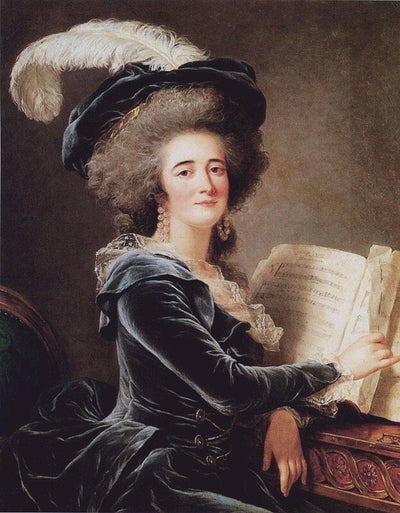
portraits, including the celebrated "Portrait of Adéla√Øde Labille-Guiard." This painting not only showcases her technical skill but also reflects her commitment to portraying women in a powerful light. Capet's contributions to portraiture helped pave the way for future generations of female artists, emphasizing the importance of women's perspectives in art.
The Portrait of Adéla√Øde Labille-Guiard: A Masterpiece of Feminine Identity
Understanding the Subject: Adéla√Øde Labille-Guiard
Adéla√Øde Labille-Guiard was a trailblazing female artist known for her remarkable talent and determination. Born in 1749, she became one of the first women to gain recognition in the male-dominated art world of 18th-century France. Labille-Guiard's work often focused on themes of identity and empowerment, making her an important figure in the history of feminist art.
Her Impact on the Art World as a Female Artist
Labille-Guiard's influence extended beyond her own paintings. She advocated for women's rights in the arts and inspired many aspiring female artists. Her success challenged societal norms and opened doors for women in the creative
fields. Labille-Guiard's legacy continues to resonate, as she remains a symbol of resilience and talent.
Labille-Guiard's Style and Techniques in Portraiture
Labille-Guiard's style is characterized by her meticulous attention to detail and her ability to convey emotion through her subjects. She often employed a soft color palette and delicate brushwork, creating a sense of intimacy in her portraits. Her innovative techniques set her apart from her contemporaries and contributed to her lasting impact on portraiture.
Artistic Techniques and Styles in the Portrait
Oil Painting Techniques: Brushwork and Color Palette
In the "Portrait of Adéla√Øde Labille-Guiard," Capet utilized oil painting techniques that highlight her skillful brushwork. The smooth application of paint creates a lifelike quality, while the warm color palette evokes a sense of warmth and familiarity. Capet's choice of colors enhances the emotional depth of the portrait, inviting viewers to connect with the subject.
Composition and Use of Light in the Portrait
The composition of the portrait is carefully balanced, drawing the viewer's eye to Labille-Guiard's expressive face. Capet expertly used light to create depth and dimension, illuminating the subject's features while casting gentle shadows. This interplay of light and shadow adds a dynamic quality to the painting, enhancing its overall impact.
Symbolism and Meaning Behind the Elements
Every element in the portrait carries significance. Labille-Guiard's attire, adorned with intricate details, symbolizes her status as a respected artist. The inclusion of art supplies in the background further emphasizes her dedication to her craft. Capet's thoughtful choices invite viewers to explore the deeper meanings behind the artwork.
The Historical Context of the Painting
The Role of Women in 18th Century Art
During the 18th century, women faced numerous obstacles in the art world. Despite their talent, they often struggled for recognition and patronage. The "Portrait of Adéla√Øde Labille-Guiard" serves as a testament to the resilience of female artists during this time. It highlights their contributions and challenges the traditional narratives of art history.
Challenges Faced by Female Artists
Female artists like Capet and Labille-Guiard encountered significant barriers, including limited access to training and exhibition opportunities. Many were relegated to
still-life or
genre painting, while portraiture was dominated by male artists. Despite these challenges, Capet and Labille-Guiard persevered, leaving a lasting impact on the art world.
Patronage and Recognition in a Male-Dominated Field
Patronage was crucial for artists in the 18th century, and women often struggled to secure support. However, Labille-Guiard's talent attracted the attention of influential patrons, allowing her to thrive. The recognition she received paved the way for future female artists, demonstrating that women could excel in a male-dominated field.
Art Movements Influencing Capet and Labille-Guiard
Rococo and Neoclassicism: A Blend of Styles
Capet and Labille-Guiard were influenced by the
Rococo and
Neoclassical art movements. Rococo's emphasis on elegance and ornamentation is evident in the delicate details of the portrait. Meanwhile, Neoclassicism's focus on clarity and form can be seen in the composition and structure of the painting.
How Historical Events Shaped Artistic Expression
The political and social upheaval of the late 18th century influenced artists profoundly. The French Revolution brought about significant changes in society, impacting how artists approached their work. Capet and Labille-Guiard's portraits reflect the shifting dynamics of their time, capturing the essence of a changing world.
Analyzing the Portrait: A Closer Look at Details
Facial Expressions and Emotions Captured
Capet's portrayal of Labille-Guiard captures a moment of introspection. The subject's gaze is both confident and contemplative, inviting viewers to ponder her thoughts. This emotional depth adds a layer of complexity to the portrait, making it resonate with audiences.
The Significance of Adéla√Øde's Gaze
Labille-Guiard's gaze is particularly striking. It conveys a sense of determination and strength, reflecting her status as a pioneering female artist. This powerful expression challenges traditional representations of
women in art, showcasing their intellect and ambition.
Clothing and Accessories: A Reflection of Status
The clothing and accessories in the portrait are meticulously rendered, highlighting Labille-Guiard's social standing. Her elegant attire signifies her success as an artist, while the inclusion of art supplies symbolizes her dedication to her craft. These details enrich the narrative of the painting.
Color Theory and Its Impact on the Viewer
Color Choices and Their Emotional Resonance
Capet's color choices evoke a sense of warmth and intimacy. The soft hues create a welcoming atmosphere, drawing viewers into the portrait. This emotional resonance enhances the viewer's connection to the subject, making the artwork more impactful.
Contrast and Harmony in the Composition
The balance of contrast and harmony in the composition is masterful. Capet skillfully juxtaposes light and dark areas, creating visual interest. This dynamic interplay guides the viewer's eye and adds depth to the overall composition.
Legacy and Influence of the Portrait
How the Portrait Influenced Future Generations of Artists
The "Portrait of Adéla√Øde Labille-Guiard" has left a lasting legacy in the art world. It has inspired countless artists to explore themes of identity and empowerment. The painting serves as a reminder of the importance of female perspectives in art.
Impact on Feminist Art Movements
This portrait is often cited in discussions of feminist art movements. It challenges traditional gender roles and highlights the contributions of women in the arts. Labille-Guiard's portrayal encourages contemporary artists to embrace their identities and express their experiences.
Recognition in Modern Art Criticism
Art critics today recognize the significance of Capet's work. The "Portrait of Adéla√Øde Labille-Guiard" is celebrated for its technical skill and emotional depth. It continues to be a focal point in discussions about women's roles in art history.
Current Exhibitions and Collections Featuring the Portrait
Where to View the Original Painting Today
The original "Portrait of Adéla√Øde Labille-Guiard" is housed in the prestigious Musée des Beaux-Arts in Strasbourg, France. This institution showcases the painting alongside other masterpieces, allowing visitors to appreciate its historical and artistic significance.
Significant Art Institutions and Their Roles
Art institutions play a crucial role in preserving and promoting works like Capet's portrait. Museums and galleries provide platforms for education and appreciation, ensuring that the contributions of female artists are recognized and celebrated.
Frequently Asked Questions About the Portrait of Adéla√Øde Labille-Guiard
What is the significance of the Portrait of Adéla√Øde Labille-Guiard?
The portrait is significant for its representation of a pioneering female artist and its exploration of feminine identity in the 18th century.
How does this painting reflect the role of women in art history?
This painting highlights the challenges and achievements of women in the art world, showcasing their talent and resilience.
What techniques did Marie-Gabrielle Capet use in this portrait?
Capet employed oil painting techniques, focusing on brushwork, color palette, and composition to create a lifelike and emotive portrayal.
What are the main themes depicted in the painting?
The main themes include feminine identity, empowerment, and the challenges faced by women artists in a male-dominated society.
How has the perception of this painting changed over time?
Over time, the painting has gained recognition for its artistic merit and its role in feminist art discussions, shifting from obscurity to prominence.
Can I find reproductions of the Portrait of Adéla√Øde Labille-Guiard?
Yes, high-quality painting reproductions of the "Portrait of Adéla√Øde Labille-Guiard" are available. These reproductions capture the essence of the original artwork and are superior to standard prints.
What should I consider when purchasing a reproduction of this painting?
When purchasing a reproduction, consider the quality of materials, the accuracy of colors, and the craftsmanship involved. A well-made reproduction can bring the beauty of Capet's work into your home.
 4.8/5
4.8/5