Discovering the Artistic Brilliance of Johan Zoffany's Tribuna of the Uffizi
Historical Context of the Tribuna of the Uffizi
The Uffizi Gallery: A Treasure Trove of Renaissance Art
The Uffizi Gallery, located in Florence, Italy, is one of the oldest and most renowned art museums in the world. Established in the 16th century, it houses an extensive collection of masterpieces from the Italian
Renaissance. The Tribuna, a central octagonal room, showcases some of the finest works of art, including sculptures and paintings that reflect the grandeur of the era. This space was designed to display the Medici family's vast art collection, making it a pivotal site for art lovers and historians alike.
Johan Zoffany: The Master of Group Portraiture
Johan Zoffany, an influential painter of the 18th century, is celebrated for his unique ability to capture
group portraits with remarkable detail and personality. Born in Germany, Zoffany moved to England, where he became a prominent figure in the art scene. His works often depict social gatherings and cultural events, showcasing the lives of the elite. Zoffany's keen eye for detail and his skillful brushwork make his paintings not just
portraits but narratives filled with life and character.
Artistic Influences and the 18th Century European Art Scene
The 18th century was a vibrant period for art, marked by the Enlightenment and a growing appreciation for classical antiquity. Artists like Zoffany drew inspiration from the works of the Old Masters while also embracing new ideas about individuality and expression. The rise of the Grand Tour, where wealthy Europeans traveled to Italy to experience its art and culture, significantly influenced Zoffany's work. His paintings often reflect the tastes and interests of his patrons, blending historical themes with contemporary social commentary.
Visual Analysis of Tribuna of the Uffizi
Composition and Layout: A Harmonious Arrangement of Figures
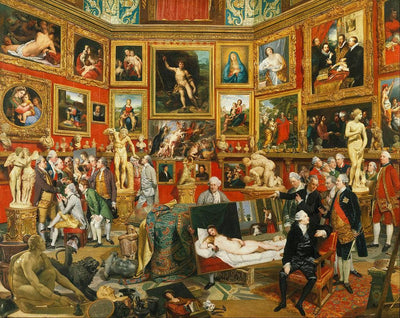
In the Tribuna of the Uffizi, Zoffany masterfully arranges a diverse group of figures, creating a dynamic composition that draws the viewer's eye. The circular layout of the room allows for a 360-degree view of the art, while the placement of each individual adds depth and interest. The figures interact with one another and the artworks, inviting viewers to explore the relationships and stories within the scene.
Color Palette: The Use of Light and Shadow in the Painting
Zoffany employs a rich color palette, utilizing warm tones and soft shadows to create a sense of depth and
realism. The interplay of light and shadow enhances the three-dimensional quality of the figures and objects, making them appear almost lifelike. This technique not only highlights the exquisite details of the clothing and artifacts but also evokes the opulence of the setting.
Symbolism and Iconography: Decoding the Elements within the Artwork
The Tribuna is filled with symbolic elements that reflect the values and interests of the Enlightenment era. The presence of classical sculptures and paintings signifies the importance of art and knowledge. Additionally, the inclusion of specific artifacts, such as ancient coins and vases, suggests a celebration of history and culture. Each object in the painting serves as a narrative device, inviting viewers to ponder their significance.
Key Figures in the Tribuna of the Uffizi
Notable Portraits: Who's Who in the Painting
The Tribuna features several prominent figures, including art collectors, scholars, and patrons of the arts. Among them is Sir
William Hamilton, a notable British diplomat and collector, who is depicted engaging with the artworks. Zoffany captures the likenesses of these individuals with remarkable precision, allowing viewers to connect with their personalities and stories.
The Role of the Art Collectors and Patrons
Art collectors played a crucial role in the development of the art world during the 18th century. They not only commissioned works but also shaped artistic trends and styles. In the Tribuna, Zoffany highlights the importance of these patrons, showcasing their passion for collecting and their influence on the artists of the time. This painting serves as a testament to the collaborative relationship between artists and their supporters.
Women in Art: The Representation of Female Figures
Zoffany's depiction of women in the Tribuna is noteworthy. He portrays them as knowledgeable and engaged participants in the art world, challenging the traditional roles of women in society. The presence of female figures among the collectors and scholars reflects a shift towards greater inclusion and recognition of women's contributions to art and culture during the Enlightenment.
The Significance of the Tribuna as a Cultural Artifact
Art as a Reflection of Society: The Enlightenment Era
The Tribuna of the Uffizi is more than just a painting; it is a cultural artifact that encapsulates the spirit of the Enlightenment. This era emphasized reason, science, and the pursuit of knowledge, which is evident in the gathering of intellectuals and art enthusiasts depicted in the artwork. Zoffany's painting serves as a visual representation of the values and aspirations of society at that time.
Tribuna of the Uffizi: A Celebration of Artistic Patronage
Zoffany's work celebrates the role of artistic patronage in the flourishing of the arts. The painting highlights the collaborative efforts between artists and collectors, showcasing how their relationships fostered creativity and innovation. The Tribuna stands as a tribute to the patrons who supported artists and helped shape the cultural landscape of the 18th century.
Impact on Future Generations of Artists and Art Lovers
The Tribuna of the Uffizi has left a lasting impact on both artists and art enthusiasts. Its intricate details and rich narrative continue to inspire contemporary artists, while art lovers appreciate the historical context and cultural significance of the piece. Zoffany's ability to blend portraiture with storytelling has influenced generations, making this painting a timeless masterpiece.
Exploring the Techniques Used by Johan Zoffany
Brushwork and Texture: The Craftsmanship Behind the Canvas
Zoffany's brushwork in the Tribuna is characterized by its precision and texture. He skillfully layers paint to create depth and dimension, bringing the figures and objects to life. The meticulous attention to detail in the clothing and facial expressions showcases Zoffany's technical prowess and dedication to craftsmanship.
Innovative Techniques: The Use of Perspective and Depth
Zoffany employs innovative techniques to create a sense of perspective and depth in the Tribuna. His use of linear perspective draws the viewer's eye into the scene, while the arrangement of figures enhances the spatial dynamics. This approach not only adds realism but also engages the viewer, inviting them to explore the intricacies of the composition.
Comparative Analysis: Zoffany's Style vs. His Contemporaries
When compared to his contemporaries, Zoffany's style stands out for its unique blend of realism and narrative. While other artists focused on idealized forms, Zoffany captured the individuality of his subjects. His ability to convey emotion and interaction among figures sets him apart, making his work a significant contribution to the art of the 18th century.
Visiting the Uffizi Gallery: A Journey Through Art
What to Expect When Viewing the Original Painting
Visiting the Uffizi Gallery to see the original Tribuna of the Uffizi is a breathtaking experience. The grandeur of the gallery complements the magnificence of Zoffany's painting. Visitors can expect to be captivated by the intricate details and vibrant colors that bring the scene to life. The atmosphere of the gallery enhances the appreciation of this masterpiece.
Guided Tours: Enhancing Your Experience of the Tribuna
To fully appreciate the Tribuna, consider joining a guided tour of the Uffizi Gallery. Knowledgeable guides provide valuable insights into the painting's history, context, and significance. They can help you uncover the stories behind the figures and the
symbolism within the artwork, enriching your experience and understanding of Zoffany's genius.
Art Conservation: Preserving the Legacy of Zoffany's Work
The conservation of the Tribuna of the Uffizi is vital to preserving Zoffany's legacy. Experts work diligently to maintain the painting's integrity, ensuring that future generations can enjoy its beauty. The careful restoration and preservation efforts reflect the importance of this artwork in the history of art and culture.
Frequently Asked Questions about Tribuna of the Uffizi
What is the story behind the Tribuna of the Uffizi painting?
The Tribuna of the Uffizi painting tells the story of a gathering of art collectors and intellectuals in the Uffizi Gallery, showcasing their passion for art and culture during the Enlightenment.
Who are the prominent figures depicted in the painting?
Prominent figures in the painting include Sir William Hamilton and other notable art collectors and scholars of the 18th century, each contributing to the rich narrative of the scene.
What techniques did Johan Zoffany use in this artwork?
Zoffany used meticulous brushwork, innovative perspective, and a vibrant color palette to create depth and realism in the Tribuna of the Uffizi.
How does the Tribuna of the Uffizi reflect the culture of its time?
The painting reflects the Enlightenment values of reason, knowledge, and artistic patronage, showcasing the social dynamics and cultural interests of the 18th century.
What is the significance of the Uffizi Gallery in art history?
The Uffizi Gallery is significant as one of the oldest art museums, housing an unparalleled collection of Renaissance masterpieces and serving as a center for art appreciation and scholarship.
How can I appreciate the details of the Tribuna of the Uffizi?
To appreciate the details, take your time observing the expressions, interactions, and objects within the painting. Consider the historical context and the stories behind each figure.
What should I know about reproductions of the Tribuna of the Uffizi?
Reproductions of the Tribuna of the Uffizi offer a superior alternative to prints, capturing the intricate details and vibrant colors of Zoffany's original work. These high-quality reproductions allow art lovers to bring a piece of history into their homes, celebrating the beauty and significance of this masterpiece.