
Exploring the Artistic Brilliance of Jean-François Millet's Portrait of Eugene Canoville
Historical Context: The Life and Times of Jean-François Millet
Millet's Role in the Barbizon School Movement
Jean-François Millet (1814-1875) was a pivotal figure in the Barbizon School, a group of artists who sought to capture the beauty of
rural life. This movement emerged in the mid-19th century, emphasizing
naturalism and a connection to the landscape. Millet's work often highlighted the dignity of peasant life, setting a foundation for
modern realism. His commitment to portraying the struggles and joys of the working class resonated deeply with audiences, influencing generations of artists.
Influences of Rural Life on Millet's Art
Millet's upbringing in the rural village of Gruchy, France, profoundly shaped his artistic vision. The
pastoral scenes and laborers he observed became central themes in his paintings. His deep appreciation for the land and its people is evident in "
Portrait of Eugene Canoville," where he captures the essence of rural existence. Millet's art reflects a longing for simplicity and authenticity, making his work timeless and relatable.
Portrait of Eugene Canoville: A Deep Dive into the Composition
Analyzing the Color Palette: Earthy Tones and Their Significance
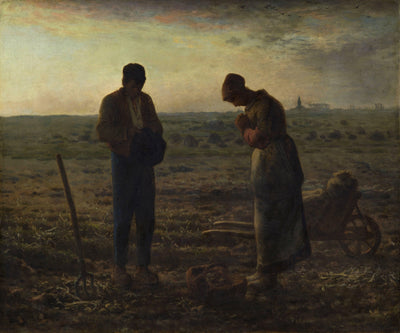
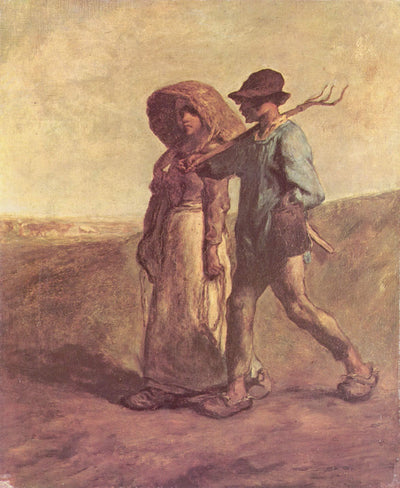
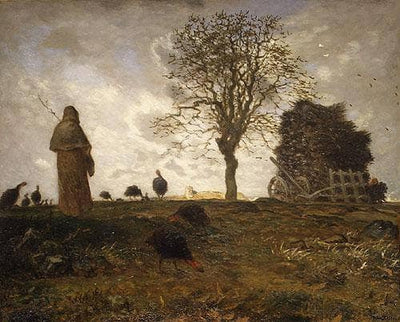
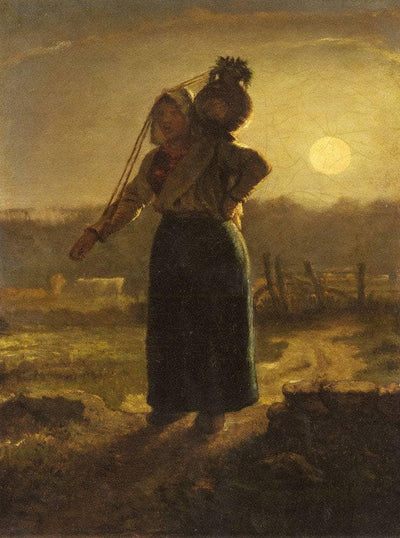
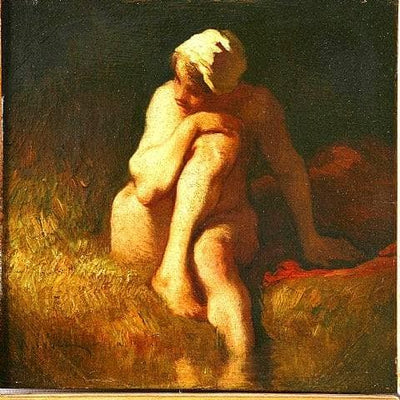
In "Portrait of Eugene Canoville," Millet employs a rich palette of earthy tones, including warm browns, soft greens, and muted yellows. These colors evoke a sense of warmth and connection to nature. The earthy hues symbolize the groundedness of Canoville's character, reflecting his ties to the land and the agrarian lifestyle. This choice of color enhances the emotional depth of the portrait, inviting viewers to engage with the subject on a personal level.
Brushwork Techniques: Capturing Emotion and Depth
Millet's brushwork in this portrait is both expressive and deliberate. He uses a combination of broad strokes and fine details to create texture and depth. The layering of paint adds dimension, making Canoville's features come alive. This technique allows viewers to feel the weight of the subject's presence, as if they are sharing a moment with him. Millet's mastery of brushwork elevates the portrait beyond mere representation, infusing it with emotion and vitality.
Symbolism in the Portrait: What Does Eugene Represent?
Eugene Canoville symbolizes the hardworking spirit of the French peasantry. His thoughtful expression and posture convey resilience and dignity. Millet captures not just a likeness but the essence of Canoville's character. The portrait serves as a tribute to the laborers of the time, celebrating their contributions to society. Through Canoville, Millet invites viewers to reflect on the value of hard work and the beauty of everyday life.
The Subject of the Portrait: Eugene Canoville's Life and Legacy
Who Was Eugene Canoville? A Brief Biography
Eugene Canoville was a close friend and model for Millet, embodying the spirit of rural France. Little is known about his early life, but he became a significant figure in Millet's artistic journey. Canoville's life as a farmer and laborer provided Millet with inspiration, allowing him to portray the struggles and triumphs of the working class authentically. His legacy lives on through Millet's art, which immortalizes his character and contributions.
The Relationship Between Millet and Canoville
Millet and Canoville shared a deep friendship that transcended the artist-model dynamic. Their bond was rooted in mutual respect and understanding of rural life. Canoville's presence in Millet's studio allowed the artist to explore themes of labor and humanity. This relationship enriched Millet's work, as he sought to capture the essence of his friend in a way that resonated with broader societal themes.
Canoville's Influence on French Art and Culture
Eugene Canoville's portrayal in Millet's work contributed to a broader appreciation of rural life in French art. His image became a symbol of the peasant class, influencing how artists depicted laborers in the years that followed. Canoville's legacy is intertwined with the rise of
realism in art, as artists began to focus on the everyday lives of ordinary people. His representation in "Portrait of Eugene Canoville" remains a powerful reminder of the importance of the working class in art and culture.
Artistic Techniques: Millet's Unique Approach to Portraiture
Naturalism vs. Idealism: Millet's Artistic Philosophy
Millet's approach to portraiture balances naturalism and idealism. He sought to portray his subjects authentically while also highlighting their inner strength. In "Portrait of Eugene Canoville," Millet captures the raw beauty of his subject without embellishment. This philosophy reflects a shift in art during the 19th century, where artists began to prioritize realism over idealized forms.
Use of Light and Shadow: Creating Mood and Atmosphere
Millet expertly uses light and shadow to create a sense of depth and mood in the portrait. The interplay of light highlights Canoville's features, drawing attention to his expressive face. Shadows add a layer of complexity, suggesting the weight of his experiences. This technique enhances the emotional impact of the painting, inviting viewers to connect with Canoville's story on a deeper level.
Comparative Analysis: Portrait of Eugene Canoville and Other Works by Millet
Contrasting Portraits: Millet's Depiction of Peasants vs. Bourgeoisie
In "Portrait of Eugene Canoville," Millet contrasts the lives of peasants with those of the bourgeoisie. While many artists of his time focused on the affluent, Millet chose to elevate the working class. This portrait stands out as a celebration of peasant life, showcasing their dignity and resilience. Millet's ability to portray the struggles of the lower class sets his work apart from his contemporaries.
Millet's Evolution as an Artist: From Rural Scenes to Portraits
Millet's artistic journey evolved from capturing rural landscapes to focusing on intimate portraits. "Portrait of Eugene Canoville" marks a significant shift in his work, showcasing his ability to convey emotion through the human form. This evolution reflects Millet's growing interest in the individual stories behind the broader themes of rural life. His portraits serve as a
bridge between his earlier landscapes and the more personal narratives he explored later in his career.
The Cultural Impact of Portrait of Eugene Canoville
Reception and Critique: How the Art World Viewed the Portrait
Upon its unveiling, "Portrait of Eugene Canoville" received mixed reviews. Some critics praised Millet's ability to capture the essence of his subject, while others questioned the focus on peasant life. Over time, however, the portrait gained recognition for its emotional depth and authenticity. Today, it is celebrated as a significant work that challenges traditional notions of beauty in art.
Legacy: The Enduring Influence of Millet's Work on Modern Art
Millet's "Portrait of Eugene Canoville" continues to influence modern artists. His focus on realism and the human experience resonates with contemporary themes in art. The portrait serves as a reminder of the importance of representing diverse voices in the art world. Millet's legacy endures, inspiring artists to explore the beauty of everyday life and the stories of ordinary people.
Visiting the Original: Where to Experience Portrait of Eugene Canoville
Key Museums and Exhibitions Featuring Millet's Work
Art enthusiasts can view the original "Portrait of Eugene Canoville" at the Musée d'Orsay in Paris. This museum houses an extensive collection of Millet's works, showcasing his contributions to the Barbizon School and realism. Special exhibitions often feature his portraits, providing insight into his artistic process and the historical context of his work.
Virtual Tours: Exploring Art from Home
For those unable to visit in person, many museums offer virtual tours that include Millet's masterpieces. These online experiences allow viewers to explore the details of "Portrait of Eugene Canoville" from the comfort of their homes. Virtual tours provide an opportunity to appreciate the nuances of Millet's technique and the emotional resonance of his subjects.
FAQs About Portrait of Eugene Canoville
What is the significance of the Portrait of Eugene Canoville in art history?
"Portrait of Eugene Canoville" is significant for its authentic representation of peasant life and its role in the realism movement. It challenges traditional artistic norms by focusing on the dignity of the working class.
How does Millet's style in this portrait differ from his other works?
In this portrait, Millet emphasizes emotional depth and personal connection, contrasting with his earlier landscapes that focused more on the environment. The intimate portrayal of Canoville showcases Millet's evolution as an artist.
What emotions does the Portrait of Eugene Canoville evoke?
The portrait evokes feelings of empathy and admiration. Canoville's thoughtful expression invites viewers to connect with his story, reflecting the struggles and resilience of the working class.
What techniques did Millet use to create depth in this painting?
Millet used layering techniques, light and shadow, and a rich color palette to create depth. His brushwork adds texture, making Canoville's features come alive and enhancing the emotional impact of the portrait.
How has the perception of Eugene Canoville changed over time?
Initially, Canoville was seen as a mere model, but over time, he has come to symbolize the dignity of the peasant class. His portrayal in Millet's work has elevated his status in art history.
Are there any notable exhibitions featuring this painting?
Yes, "Portrait of Eugene Canoville" has been featured in various exhibitions at the Musée d'Orsay and other prominent art institutions. These exhibitions often highlight Millet's contributions to realism and the Barbizon School.
What should I know about reproductions of Portrait of Eugene Canoville?
Art reproductions of "Portrait of Eugene Canoville" offer a way to appreciate Millet's work in your own space. Unlike prints, high-quality reproductions capture the texture and depth of the original painting, making them a superior choice for art lovers.
How can I ensure I’m purchasing a quality reproduction of this artwork?
To ensure a quality reproduction, look for reputable art reproduction companies that use high-quality materials and techniques. Check for details like canvas texture and color accuracy to ensure the reproduction reflects Millet's original artistry.