The Republic at Zenith of Power: A Deep Dive into Jan Matejko's Golden Liberty
Historical Context of the 1573 Election
The Significance of the Polish-Lithuanian Commonwealth
The Polish-Lithuanian Commonwealth, a unique political entity, thrived during the late 16th century. It was a union that combined the Kingdom of Poland and the Grand Duchy of Lithuania, creating one of the largest and most populous countries in Europe. This period marked a time of cultural flourishing and political experimentation, where the concept of "Golden Liberty" emerged, emphasizing the rights of the nobility and the importance of individual freedoms.
Key Figures in the Election of 1573
The election of 1573 was pivotal, featuring notable figures such as Henry of Valois, who became the first elected king of Poland. His election symbolized the shift from hereditary monarchy to elective monarchy, a significant change in governance. Other influential personalities included the powerful Polish nobility, known as the szlachta, who played a crucial role in shaping the political landscape of the Commonwealth.
Political Landscape and Power Dynamics of the Era
The political dynamics of the 1570s were complex, characterized by a delicate balance of power among the nobility, the monarchy, and the emerging middle class. The election process was a public spectacle, reflecting the ideals of democracy and liberty that were central to Polish identity. This era also saw the rise of conflicts between different factions, highlighting the ongoing struggle for power and influence within the Commonwealth.
Jan Matejko: The Master of Historical Narratives
Biographical Insights into Jan Matejko's Life
Jan Matejko, born in 1838 in Kraków, was a prominent Polish painter known for his historical works. His passion for Polish history and culture deeply influenced his art. Matejko's upbringing in a culturally rich environment fueled his desire to depict significant events that shaped Poland's national identity. He became a symbol of Polish nationalism, using his art to inspire pride and unity among his fellow countrymen.
Matejko's Artistic Style and Techniques
Matejko's style is characterized by meticulous detail and vibrant colors. He employed a realistic approach, capturing the essence of historical events with dramatic flair. His use of composition and perspective draws viewers into the narrative, making them feel part of the scene. This technique not only showcases his artistic skill but also enhances the storytelling aspect of his paintings.
Influence of Matejko's Work on Polish National Identity
Matejko's paintings, including Golden Liberty, played a crucial role in shaping Polish national identity during a time of partition and oppression. His works celebrated Poland's rich history and cultural heritage, fostering a sense of pride among Poles. By depicting key historical moments, Matejko instilled a belief in the resilience and strength of the Polish people, making his art a powerful tool for national consciousness.
Analyzing the Composition of Golden Liberty
Symbolism and Iconography in the Painting
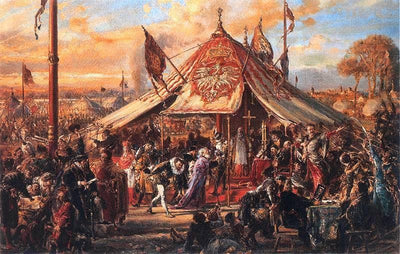
Golden Liberty is rich in symbolism, representing the ideals of freedom and democracy. The painting features allegorical figures that embody the spirit of liberty, such as the personification of the Commonwealth. The use of crowns, scepters, and other regal symbols highlights the importance of sovereignty and the collective power of the nobility in shaping the nation's destiny.
Color Palette and Its Emotional Impact
Matejko's choice of a vibrant color palette evokes strong emotions. The warm golds and deep reds symbolize wealth, power, and the glory of the Commonwealth. These colors create a sense of grandeur, inviting viewers to reflect on the significance of the moment captured in the painting. The contrast between light and dark also enhances the dramatic tension within the scene.
Figures and Their Significance in the Artwork
The figures in Golden Liberty are carefully chosen to represent various facets of Polish society. Each character contributes to the narrative, from the noblemen to the common people. Their expressions and postures convey a range of emotions, from determination to hope, reflecting the collective aspirations of the Polish nation during this transformative period.
Thematic Exploration of Freedom and Power
Representation of Liberty in Polish Culture
Liberty holds a special place in Polish culture, symbolizing the struggle for independence and self-determination. Golden Liberty encapsulates this theme, portraying the nobility's fight for their rights and the broader quest for freedom. The painting serves as a reminder of the sacrifices made for liberty and the ongoing importance of these ideals in Polish society.
Contrasts Between Authority and Individual Rights
Matejko's work highlights the tension between authority and individual rights. The painting illustrates the delicate balance of power within the Commonwealth, where the nobility sought to protect their freedoms against potential tyranny. This theme resonates with contemporary discussions about governance and the role of citizens in shaping their political landscape.
Matejko's Commentary on Governance and Leadership
Through Golden Liberty, Matejko offers a critique of governance and leadership. He emphasizes the importance of responsible leadership that respects the rights of the people. The painting serves as a call to action, urging future leaders to prioritize the welfare of their citizens and uphold the principles of democracy and justice.
Artistic Techniques and Innovations in Golden Liberty
Use of Light and Shadow: Chiaroscuro in Matejko's Work
Matejko masterfully employs chiaroscuro, the technique of using light and shadow to create depth and drama. This technique enhances the three-dimensionality of the figures and adds a sense of movement to the composition. The interplay of light and dark not only highlights key elements of the painting but also evokes emotional responses from the viewer.
Textural Elements and Their Role in Storytelling
The textural elements in Golden Liberty contribute significantly to its storytelling. Matejko's attention to detail in clothing, armor, and the surrounding environment creates a rich visual experience. These textures invite viewers to explore the painting closely, revealing the intricacies of the historical context and the lives of the figures depicted.
Comparative Analysis with Other Historical Paintings
When compared to other historical paintings, Golden Liberty stands out for its narrative complexity and emotional depth. Unlike many of his contemporaries, Matejko's work combines historical accuracy with dramatic storytelling. This unique approach allows viewers to engage with the painting on multiple levels, making it a significant contribution to the genre of historical art.
Impact and Legacy of Golden Liberty
Reception of the Painting in Matejko's Time
Upon its unveiling, Golden Liberty received widespread acclaim. Critics praised Matejko's ability to capture the spirit of the era and the significance of the election. The painting resonated with audiences, reinforcing national pride during a time of political turmoil. Its impact was felt not only in artistic circles but also in the broader context of Polish society.
Influence on Future Generations of Artists
Golden Liberty has inspired countless artists in Poland and beyond. Matejko's approach to historical painting set a standard for future generations, encouraging them to explore national themes and cultural identity. His legacy continues to influence contemporary artists who seek to connect with their heritage through visual storytelling.
Current Relevance and Interpretations of the Artwork
Today, Golden Liberty remains relevant as it speaks to ongoing discussions about freedom, democracy, and national identity. Art historians and scholars continue to analyze its themes, drawing parallels to modern political movements. The painting serves as a powerful reminder of the importance of liberty and the role of art in shaping societal values.
Visiting the Original: Where to Experience Golden Liberty
Location and Accessibility of the Painting
Golden Liberty is housed in the National Museum in Warsaw, Poland. This museum is easily accessible for visitors, offering a chance to view Matejko's masterpiece in person. The museum's collection includes a wide range of Polish art, making it a must-visit destination for art enthusiasts and history buffs alike.
Exhibitions and Events Featuring Matejko's Work
The National Museum frequently hosts exhibitions that showcase Matejko's work alongside other significant Polish artists. These events provide insights into the historical context of his paintings and their impact on Polish culture. Attending these exhibitions offers a deeper understanding of Matejko's contributions to art and history.
Tips for Art Enthusiasts Visiting the Museum
When visiting the National Museum, take your time to explore the various galleries. Consider joining a guided tour to gain expert insights into the artworks. Don't forget to check the museum's schedule for special events or lectures that delve into Matejko's life and work, enhancing your experience of Golden Liberty.
FAQs about The Republic at Zenith of Power
What is the historical significance of the 1573 election depicted in the painting?
The 1573 election marked a turning point in Polish governance, transitioning from hereditary monarchy to an elective system. This change emphasized the role of the nobility and the concept of "Golden Liberty," which became central to Polish identity.
Who are the key figures represented in Golden Liberty?
Key figures include Henry of Valois, the first elected king, and various members of the Polish nobility. Each character represents different aspects of society and contributes to the narrative of liberty and governance.
What artistic techniques did Jan Matejko use in this painting?
Matejko employed techniques such as chiaroscuro to create depth and drama. His meticulous attention to detail and vibrant color palette enhance the emotional impact of the painting.
How does Golden Liberty reflect the themes of freedom and power?
The painting illustrates the struggle for liberty among the Polish nobility, highlighting the balance between authority and individual rights. It serves as a commentary on the importance of responsible governance and the protection of freedoms.
What was the public reception of Golden Liberty when it was first unveiled?
Golden Liberty was met with acclaim, resonating with audiences and reinforcing national pride during a tumultuous period in Polish history. Its impact extended beyond the art world, influencing societal values and discussions about governance.
Where can I see the original painting by Jan Matejko?
The original Golden Liberty is located in the National Museum in Warsaw, Poland. This museum is a key destination for those interested in Polish art and history.
FAQs about the Painting Reproduction
What should I consider when purchasing a reproduction of Golden Liberty?
When purchasing a reproduction, consider the quality of materials used, the level of detail, and the reputation of the artist or company creating the reproduction. Look for options that offer oil painting reproductions, as they provide a richer and more authentic experience than standard prints.
How can I ensure the quality of a reproduction of Jan Matejko's work?
To ensure quality, choose reproductions created by skilled artists who specialize in oil painting techniques. Verify customer reviews and seek out galleries or online platforms known for their high-quality reproductions. A well-crafted reproduction will capture the essence of Matejko's original work, making it a valuable addition to your collection.