Exploring the Historical Context of Napoleon on the Island of St. Helena
The Exile of Napoleon: A Turning Point in History
Understanding the Significance of St. Helena in Napoleon's Life
Napoleon Bonaparte, one of history's most iconic figures, faced his final years in exile on the remote island of St. Helena. This isolated location in the South Atlantic Ocean became a symbol of his downfall. After his defeat at the Battle of Waterloo in 1815, the British government chose St. Helena to prevent his escape. The island's rugged terrain and distance from Europe made it an ideal prison for the once-mighty emperor.
During his time on St. Helena, Napoleon reflected on his life, his military campaigns, and his legacy. He lived in Longwood House, where he often gazed at the vast ocean, contemplating his past victories and defeats. This period of isolation profoundly influenced his thoughts and writings, leading to a complex legacy that continues to fascinate historians and art enthusiasts alike.
Political Implications of Napoleon's Exile
Napoleon's exile had significant political implications for Europe. It marked the end of the Napoleonic Wars and the beginning of a new political order. His absence allowed for the restoration of monarchies and a shift in power dynamics across the continent. The Congress of Vienna, held in 1814-1815, aimed to restore stability and balance in Europe, largely influenced by the fear of another figure like Napoleon rising to power.
Moreover, Napoleon's exile sparked debates about leadership, governance, and the role of individual power in shaping history. His life and downfall became a cautionary tale for future leaders, illustrating the fragility of power and the consequences of ambition.
Ivan Aivazovsky: The Master of Marine Art
Aivazovsky's Unique Style and Techniques
Capturing the Essence of the Sea: Aivazovsky's Signature Brushwork
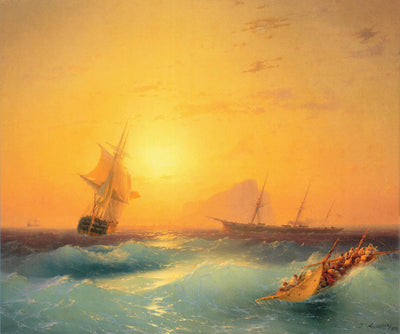
Ivan Aivazovsky, a renowned Russian painter, is celebrated for his breathtaking marine art. His ability to capture the sea's dynamic nature is unparalleled. Aivazovsky's brushwork is fluid and expressive, allowing him to depict the movement of water with remarkable realism. He often painted during the golden hour, using natural light to enhance the drama of his seascapes.
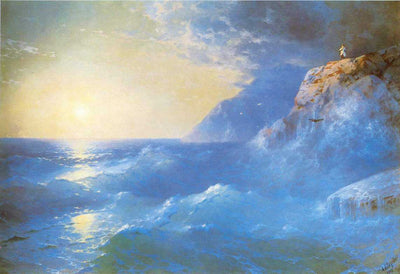
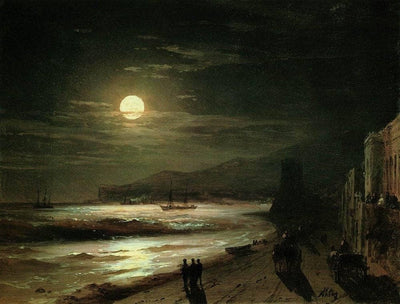
In "Napoleon on the Island of St. Helena," Aivazovsky employs his signature techniques to convey the tumultuous emotions of the scene. The waves crashing against the rocky shore mirror Napoleon's internal struggles, creating a powerful visual narrative.
The Use of Light and Color in Aivazovsky's Works
Aivazovsky's mastery of light and color sets his work apart. He skillfully uses a vibrant palette to evoke mood and atmosphere. In this painting, the interplay of light and shadow highlights the isolation of Napoleon, while the deep blues and greens of the ocean symbolize both despair and hope.
His innovative use of color not only enhances the visual appeal but also deepens the emotional impact of the artwork. Aivazovsky's ability to manipulate light creates a sense of movement, drawing viewers into the scene and allowing them to feel the weight of Napoleon's solitude.
The Symbolism Behind Napoleon on the Island of St. Helena
Interpreting the Emotions Portrayed in the Painting
Isolation and Reflection: The Mood of the Artwork
The painting captures a profound sense of isolation. Napoleon stands alone, gazing out at the vast ocean, symbolizing his separation from the world he once ruled. This solitude reflects his internal conflict and the weight of his past decisions. Aivazovsky masterfully conveys this mood through the use of expansive seascapes that dwarf the figure of Napoleon.
As viewers, we can sense the melancholy and introspection that permeate the artwork. The ocean, both beautiful and treacherous, serves as a metaphor for Napoleon's turbulent life and the unpredictable nature of fate.
Napoleon's Legacy: A Visual Representation of Power and Defeat
This painting serves as a poignant reminder of Napoleon's complex legacy. Once a symbol of power and ambition, he now stands as a figure of defeat and reflection. Aivazovsky captures this duality, illustrating how greatness can lead to downfall.
The contrast between the majestic sea and Napoleon's solitary figure invites viewers to ponder the nature of power. It raises questions about the cost of ambition and the inevitable passage of time, making this artwork a timeless exploration of human experience.
Artistic Elements and Composition of the Painting
Analyzing the Color Palette and Its Impact
The Role of Blue Tones in Evoking Emotion
The color palette of "Napoleon on the Island of St. Helena" is dominated by rich blue tones. These hues evoke feelings of sadness and contemplation, mirroring Napoleon's emotional state. The deep blues of the ocean contrast with the lighter sky, creating a sense of depth and vastness.
Aivazovsky's choice of color not only enhances the visual impact but also serves to communicate the emotional weight of the scene. The blues invite viewers to connect with Napoleon's sense of loss and longing.
Contrast and Harmony: Aivazovsky's Masterful Composition
Aivazovsky's composition is a study in contrast and harmony. The dynamic waves of the ocean juxtapose with the stillness of Napoleon's figure, creating a visual tension that draws the eye. The balance between the turbulent sea and the calm sky reflects the duality of Napoleon's life—his rise to power and his ultimate fall.
This careful arrangement of elements showcases Aivazovsky's skill as a composer of visual narratives. Each brushstroke contributes to the overall harmony of the piece, inviting viewers to explore the depths of its meaning.
The Influence of Napoleon on Art and Culture
How Napoleon's Life Inspired Artists Across Generations
Napoleon's life and legacy have inspired countless artists throughout history. His dramatic rise and fall provide rich material for artistic exploration. From paintings to literature, Napoleon's story resonates with themes of ambition, power, and the human condition.
Artists like Aivazovsky have captured the essence of Napoleon's character, reflecting on his impact on society and culture. The fascination with Napoleon continues to inspire new interpretations and creative expressions in various art forms.
Artistic Representations of Napoleon in Different Mediums
Beyond painting, Napoleon has been depicted in sculptures, literature, and film. Each medium offers a unique perspective on his life and legacy. Sculptors have immortalized his image in marble, while writers have explored his psyche in novels and biographies.
This diverse representation highlights the enduring fascination with Napoleon as a historical figure. His life story serves as a canvas for artists to explore themes of power, ambition, and the consequences of leadership.
The Cultural Legacy of Napoleon in Modern Art
Napoleon's cultural legacy extends into modern art, where contemporary artists reinterpret his image and influence. His life continues to serve as a source of inspiration, prompting discussions about leadership, ethics, and the nature of power.
Exhibitions and installations often feature works that reflect on Napoleon's impact, showcasing how his story remains relevant in today's society. This ongoing dialogue between history and art enriches our understanding of both the man and the era he shaped.
Visiting the Original: The Location and Its Significance
St. Helena: A Remote Island with a Rich History
St. Helena, the island where Napoleon spent his final years, is steeped in history. Its remote location adds to its mystique, making it a fascinating destination for history buffs and art lovers alike. The island's rugged landscapes and dramatic cliffs provide a stunning backdrop for exploring Napoleon's legacy.
Visitors can walk in Napoleon's footsteps, visiting Longwood House and other historical sites that tell the story of his exile. The island's natural beauty and historical significance make it a unique place to reflect on the life of one of history's most complex figures.
Tourist Attractions Related to Napoleon's Exile
Tourists can explore several attractions related to Napoleon's time on St. Helena. The Napoleon Museum offers insights into his life and legacy, featuring artifacts and exhibits that highlight his impact on history. Additionally, the Briars Pavilion, where Napoleon first stayed upon arrival, provides a glimpse into his early days on the island.
These sites not only commemorate Napoleon's life but also serve as reminders of the island's rich history. Visitors can immerse themselves in the stories of the past while enjoying the stunning natural beauty of St. Helena.
Preserving the Memory of Napoleon: Museums and Memorials
St. Helena is home to several museums and memorials dedicated to preserving Napoleon's memory. The island's commitment to honoring its historical significance ensures that future generations can learn about this pivotal figure in history. Memorials, such as the Napoleon's Tomb, serve as a testament to his enduring legacy.
These sites provide valuable educational opportunities for visitors, allowing them to engage with history in a meaningful way. The preservation of Napoleon's memory on St. Helena highlights the importance of understanding our past and its impact on the present.
Frequently Asked Questions About Napoleon on the Island of St. Helena
What is the historical significance of the painting?
The painting captures a pivotal moment in Napoleon's life, symbolizing his isolation and reflection during his exile. It serves as a visual representation of his complex legacy and the political implications of his downfall.
What emotions does Aivazovsky convey through this artwork?
Aivazovsky conveys deep emotions of solitude, melancholy, and introspection. The vast ocean and Napoleon's solitary figure evoke feelings of loss and contemplation.
How does this painting reflect Napoleon's character?
The painting reflects Napoleon's duality as a powerful leader and a defeated man. It illustrates the tension between his past glory and present isolation, inviting viewers to explore the complexities of his character.
What techniques did Aivazovsky use to depict the sea?
Aivazovsky used fluid brushwork and a vibrant color palette to depict the sea. His mastery of light and shadow creates a dynamic sense of movement, bringing the ocean to life.
Where can I see the original painting today?
The original painting is housed in a prominent museum, where art lovers can appreciate Aivazovsky's genius and the historical context of the artwork.
What should I know about the reproduction of this painting?
Art reproductions of "Napoleon on the Island of St. Helena" offer a superior alternative to prints. They capture the intricate details and vibrant colors of the original, allowing you to enjoy the artwork in your own space.
How does the reproduction compare to the original in terms of detail?
Reproductions are crafted with care, ensuring that the details and textures of Aivazovsky's brushwork are faithfully represented. They provide a rich visual experience that brings the essence of the original painting into your home.
 4.8/5
4.8/5