The Historical Significance of "The Resolution of Louis XIV to Make War on the Dutch Republic"
Understanding the Context of the Franco-Dutch War
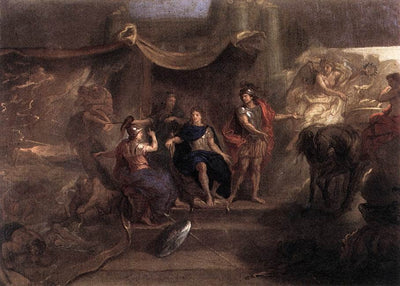
The painting "The Resolution of Louis XIV to Make War on the Dutch Republic" captures a pivotal moment in European history. The Franco-Dutch War (1672-1678) was a significant conflict that reshaped the political landscape of the continent. This war arose from Louis XIV's ambition to expand French territory and influence, particularly against the backdrop of the Dutch Republic's growing power and wealth.
During this period, the Dutch Republic was a formidable maritime power, known for its trade dominance and innovative naval strategies. The conflict was not just a military struggle; it was a clash of ideologies, with Louis XIV representing absolute monarchy and the Dutch advocating for republican governance. This painting serves as a visual narrative of that struggle, illustrating the tensions that defined an era.
The Role of Louis XIV in Shaping European Politics
Louis XIV, often referred to as the Sun King, was a central figure in 17th-century European politics. His reign marked the height of absolute monarchy, where he centralized power and sought to expand France's borders. This painting reflects his determination to assert dominance over the Dutch Republic, showcasing his strategic mindset and the political machinations of the time.
Louis XIV's decisions were influenced by a desire for glory and a vision of a unified France. His military campaigns were not only about conquest but also about establishing France as a leading European power. The painting encapsulates this ambition, portraying the king as a decisive leader ready to engage in war.
Charles Le Brun: The Visionary Behind the Masterpiece
Charles Le Brun, the artist behind this remarkable work, was a prominent figure in the French Baroque movement. As the official court painter for Louis XIV, Le Brun had a unique insight into the king's vision and the political climate of the time. His ability to blend historical narrative with artistic expression makes this painting a significant contribution to Baroque art.
Le Brun's mastery of composition and detail allows viewers to engage with the painting on multiple levels. He not only captured the grandeur of the moment but also infused it with emotional depth, making the figures come alive. His work reflects the ideals of the time, emphasizing the power of the monarchy and the complexities of war.
Artistic Elements of Charles Le Brun's Masterpiece
Composition and Color Palette: A Study in Royal Grandeur
The composition of "The Resolution of Louis XIV to Make War on the Dutch Republic" is a testament to Le Brun's artistic genius. The arrangement of figures and objects draws the viewer's eye to the central action, creating a dynamic narrative. The use of space enhances the sense of drama, making the viewer feel as if they are part of the unfolding events.
Symbolism in Color Choices: The Meaning Behind the Hues
Le Brun's color palette is rich and symbolic. The deep reds and golds evoke feelings of power and royalty, while the cooler tones suggest tension and conflict. Each color choice serves a purpose, enhancing the emotional impact of the scene. The vibrant hues reflect the opulence of the French court and the seriousness of the impending war.
Dynamic Composition: Leading the Eye Through the Scene
The dynamic composition guides the viewer's gaze across the painting. The arrangement of figures creates a sense of movement, as if the scene is alive with action. This technique not only captures the viewer's attention but also immerses them in the historical moment, making them feel the weight of the decisions being made.
Figures and Their Significance: Who's Who in the Painting
The figures in the painting are carefully chosen to represent key players in the conflict. Each character is depicted with distinct features and expressions, adding depth to the narrative. Louis XIV stands prominently, embodying the essence of absolute power and authority.
Depiction of Louis XIV: The Embodiment of Absolute Monarchy
In the painting, Louis XIV is portrayed with regal attire and a commanding presence. His posture and expression convey confidence and determination. This depiction reinforces his role as the ultimate decision-maker, ready to lead France into battle. The artist captures not just his physical likeness but also the aura of majesty that surrounded him.
Other Key Figures: Allies and Adversaries in the Scene
Surrounding Louis XIV are various figures representing allies and adversaries. Each character contributes to the narrative, showcasing the complexities of alliances and rivalries. The inclusion of military leaders and advisors highlights the collaborative nature of warfare, emphasizing that decisions were made collectively, even under a single ruler.
Thematic Exploration of War and Diplomacy in Art
War as a Central Theme: The Portrayal of Conflict in Art
War is a central theme in "The Resolution of Louis XIV to Make War on the Dutch Republic." The painting captures the tension and gravity of conflict, illustrating the emotional weight of warfare. Le Brun's portrayal of the scene invites viewers to reflect on the consequences of war, both for the nations involved and for the individuals who fight.
Diplomacy and Power: The Interplay of Politics and Art
The painting also explores the relationship between diplomacy and power. It serves as a reminder that art can reflect political realities. Le Brun's work highlights the delicate balance between negotiation and conflict, showcasing how art can comment on the complexities of governance and international relations.
Le Brun's Artistic Commentary on War: A Reflection of His Time
Through this painting, Le Brun offers a commentary on the nature of war and its impact on society. His work reflects the anxieties and aspirations of the 17th century, capturing the spirit of an age defined by conflict and ambition. The painting stands as a historical document, revealing the mindset of a society grappling with the realities of power and warfare.
Technical Mastery: Techniques Used by Charles Le Brun
Oil Painting Techniques: Layering and Texture
Le Brun's technical mastery is evident in his use of oil painting techniques. He employed layering to create depth and richness in color. This method allows for a vibrant and textured surface that enhances the visual experience. The careful application of paint adds a tactile quality to the artwork, inviting viewers to appreciate its intricacies.
Brushwork and Detail: Capturing Emotion and Movement
The brushwork in this painting is meticulous, capturing both emotion and movement. Le Brun's attention to detail brings the figures to life, allowing viewers to connect with their expressions and gestures. This level of detail enhances the narrative, making the scene feel dynamic and engaging.
Innovative Use of Light and Shadow: Chiaroscuro in Action
Le Brun's innovative use of light and shadow, known as chiaroscuro, adds drama to the composition. The contrast between light and dark creates a sense of depth and highlights the emotional intensity of the moment. This technique draws the viewer's eye to key elements, emphasizing the significance of the scene.
Legacy and Influence of "The Resolution of Louis XIV"
Impact on Baroque Art: Setting Trends for Future Generations
"The Resolution of Louis XIV to Make War on the Dutch Republic" had a profound impact on Baroque art. Le Brun's style influenced countless artists, setting trends in composition, color, and thematic exploration. His ability to blend historical narrative with artistic expression paved the way for future generations to explore similar themes in their work.
Influence on Political Art: How This Painting Shaped Perceptions
This painting also shaped perceptions of political art. It demonstrated how art could be used as a tool for propaganda, reinforcing the power of the monarchy. The portrayal of Louis XIV as a decisive leader contributed to the narrative of absolute power, influencing how future rulers would be depicted in art.
Preservation and Restoration: Keeping the Masterpiece Alive
Preserving and restoring "The Resolution of Louis XIV" is essential for future generations. Efforts to maintain the painting ensure that its historical and artistic significance endures. Restoration techniques help to protect the vibrant colors and intricate details, allowing viewers to appreciate Le Brun's masterpiece as it was intended.
Frequently Asked Questions About the Painting
What is the historical context of "The Resolution of Louis XIV to Make War on the Dutch Republic"?
The painting is set against the backdrop of the Franco-Dutch War, a conflict that arose from Louis XIV's ambitions to expand French territory and influence over the powerful Dutch Republic.
Who were the key figures depicted in the painting?
Key figures include Louis XIV, who is central to the composition, along with military leaders and advisors who represent the complexities of alliances and rivalries during the war.
What artistic techniques did Charles Le Brun use in this work?
Le Brun employed oil painting techniques, including layering, detailed brushwork, and chiaroscuro, to create depth, emotion, and movement in the scene.
How does this painting reflect the themes of war and diplomacy?
The painting illustrates the tension of war while also commenting on the delicate balance between diplomacy and conflict, showcasing the political realities of the time.
What is the significance of the color palette in the painting?
The color palette is rich and symbolic, using deep reds and golds to evoke power and tension, enhancing the emotional impact of the scene.
How has "The Resolution of Louis XIV" influenced modern art?
This painting has influenced modern art by setting trends in Baroque composition and thematic exploration, demonstrating how art can reflect political narratives.
FAQs About the Painting Reproduction
What should I consider when purchasing a reproduction of this painting?
When purchasing a reproduction, consider the quality of materials used, the accuracy of colors, and the level of detail. A high-quality painting reproduction will capture the essence of the original artwork.
How can I ensure the quality of the reproduction matches the original?
Look for reproductions created by skilled artists who specialize in oil painting techniques. Ensure that the reproduction is made using high-quality canvas and paints to match the original's vibrancy.
Are there different styles of reproductions available for this artwork?
Yes, there are various styles of reproductions available, including hand-painted oil reproductions and high-quality giclee prints. However, hand-painted reproductions are superior, as they offer a more authentic and textured representation of the original artwork.