4.7/5
4.7/5




SAMPLES OF QUALITY
Recent Hand-Painted Reproductions
Discover some of our latest oil paintings, each one carefully hand-painted on canvas.


AS SEEN IN


Handmade Oil Painting on Canvas Art Reproduction, Museum-quality
Not the size you want? Type your width and height and we'll paint it to fit, 12 to 80 in (30 to 203 cm) per side.

The six dominant colors measured from the painting, with the share of canvas each one covers. Click a swatch to copy its hex code.
Processing & Shipping Time
Your delivery time includes two parts:
Shipping Methods
We ship with trusted couriers like FedEx, UPS, and DHL. Every shipment includes a tracking code.
Our goal is to deliver your order safely and quickly.
Shipment Safety Measures
We handle your products with care so they arrive in perfect condition:
Every product is insured and delivered right to your door, so you can feel confident buying from us.
Every Art & See painting is created by artists with 15+ years of experience using professional-grade oil paints and premium linen canvas with UV-resistant protective coating, the same museum-grade materials used in galleries worldwide. Each piece goes through quality review before your approval photos are taken. If after delivery you have any concerns about your painting, contact us at [email protected] and our team will work with you on the best path forward.
Full Warranty
Every painting is protected against physical damage during shipping. If your painting arrives damaged, we repair or replace it, free of charge.
Coverage Details
Transit damage (crushed, torn, water damage): we repair or replace at no cost. Please note that damages resulting from accidents or inappropriate use are not covered under this warranty.
Repair or Replace
Depending on the extent of damage, the affected painting will either be repaired or replaced at no additional cost to you.
Free Service
All warranty services are provided absolutely free of charge.
We want you to absolutely love your handmade artwork. Here's how it works:
In the rare case you approve the photos and the artwork has been shipped and delivered to you, and you still want additional modification requests, we can handle it as a courtesy at our discretion. If accepted, you cover the return shipping cost.
| Type | Hand-Painted Oil Painting Reproduction |
| Original Artist | Vladimir Borovikovsky |
| Price Range | $350 to $1,150 |
| Shipping | Free Worldwide |
| Quality | Preview & Approve Before Shipping |
| Medium | Oil on Canvas |
| Canvas | Museum-Grade Linen Canvas |
| Technique | Hand-painted brushstroke-by-brushstroke |
| Art Style | Rococo |
| Artist Nationality | Russian |
| Orientation | Vertical |
| Subject | Portraits, Portraits male |
| Available Sizes | 7 (15'' W × 22'' H to 49'' W × 71'' H, including the original size), plus custom sizes |
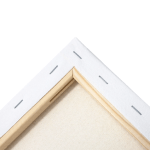
| Framing Options | Unframed, Stretched Canvas, Classic & Modern Frames |
| Delivery | 14–28 business days |
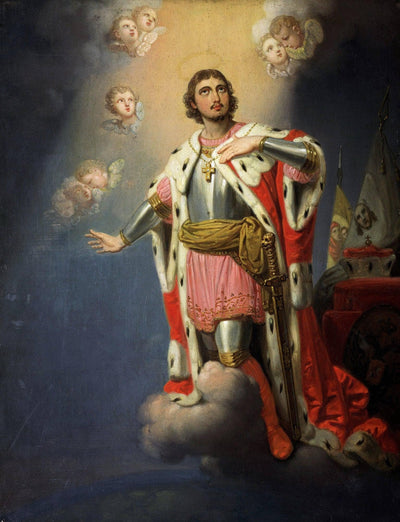
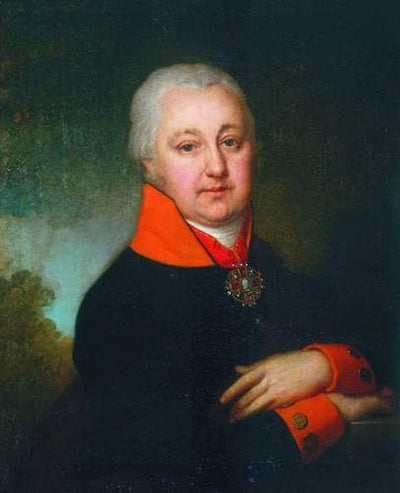
Alexander I, known as the "Reformer Tsar," ruled Russia from 1801 to 1825. His reign was marked by significant events, including the Napoleonic Wars, which reshaped Europe. Alexander played a crucial role in the defeat of Napoleon, leading the coalition forces at the Battle of Borodino in 1812. This battle was pivotal in establishing Russia as a major European power.
During his reign, Alexander I also implemented various reforms aimed at modernizing Russia. He introduced educational reforms, established the Ministry of Education, and promoted the arts and sciences. His efforts to create a more enlightened government were significant, although they faced resistance from conservative factions within the nobility.
Alexander I's diplomatic strategies significantly influenced European politics. He was a key figure at the Congress of Vienna in 1815, where he advocated for a balance of power in Europe. His vision of a "Holy Alliance" aimed to promote Christian values and prevent revolutionary movements across the continent. This alliance included Austria and Prussia, showcasing his desire for stability in post-Napoleonic Europe.
His foreign policy decisions helped shape the political landscape of Europe, establishing Russia as a formidable player. Alexander's legacy in diplomacy and governance continues to be studied by historians and political scientists today.
Vladimir Borovikovsky was a prominent Russian painter known for his neoclassical style. His works often reflect the ideals of beauty, harmony, and proportion, which were central to neoclassicism. Borovikovsky's portraits, including that of Alexander I, showcase a blend of realism and idealism, capturing the essence of his subjects while adhering to classical aesthetics.
His ability to convey character and emotion through portraiture set him apart from his contemporaries. Borovikovsky's work is characterized by its meticulous attention to detail and a deep understanding of human psychology.
Borovikovsky's unique brushwork is evident in the delicate textures and lifelike representations of his subjects. He employed a rich color palette, using warm tones to evoke a sense of nobility and dignity. The subtle gradations of light and shadow in Alexander I's portrait enhance the three-dimensionality of the figure, making it appear almost lifelike.
His innovative techniques, such as glazing and layering, allowed him to achieve a luminous quality in his paintings. This mastery of color and light contributes to the emotional depth of his works, inviting viewers to connect with the subject on a personal level.
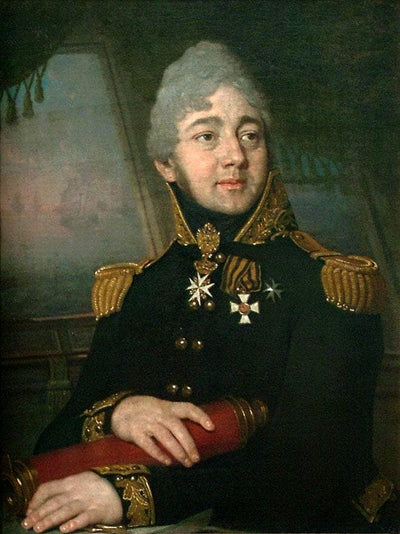
In the portrait of Alexander I, the attire and accessories play a crucial role in conveying his royal status. He is depicted wearing a lavish uniform adorned with medals, symbolizing his military achievements and leadership. The use of rich fabrics and intricate details in his clothing reflects the opulence of the Russian court.
Additionally, the presence of a sash and insignia signifies his authority and connection to the Russian Empire. These elements not only highlight his position as Tsar but also serve as a reminder of the responsibilities that come with power.
Alexander I's facial expression in the portrait is one of calm determination. His gaze is direct and confident, suggesting a leader who is both approachable and authoritative. This expression invites viewers to ponder the complexities of his character and the weight of his decisions during a tumultuous period in history.
Art historians often interpret his expression as a reflection of his inner struggles and aspirations for reform. The subtle nuances in his features convey a sense of introspection, making the portrait not just a representation of a ruler but a study of a man grappling with the challenges of leadership.
The early 19th century was a vibrant period for Russian art, marked by a blend of traditional and modern influences. Artists sought to express national identity and cultural pride through their works. The portrait of Alexander I emerged during this time, reflecting the aspirations of a nation in transition.
As Russia faced the challenges of modernization, artists like Borovikovsky played a vital role in shaping the visual narrative of the era. Their works often celebrated the achievements of the Russian Empire while also addressing the complexities of its society.
The Napoleonic Wars had a profound impact on Russian art, inspiring themes of heroism and patriotism. Artists responded to the national sentiment by creating works that celebrated military victories and the resilience of the Russian people. Alexander I's portrait embodies this spirit, serving as a symbol of unity and strength during a time of conflict.
Moreover, the wars prompted a shift in artistic focus, with an increased interest in historical subjects and national identity. This cultural shift laid the groundwork for future artistic movements in Russia.
The Russian court played a significant role in the development of the arts during Alexander I's reign. The Tsar himself was a patron of the arts, supporting artists and encouraging the creation of works that reflected the grandeur of the empire. This patronage fostered a thriving artistic community, allowing talents like Borovikovsky to flourish.
As a result, the portrait of Alexander I not only serves as a representation of the Tsar but also as a testament to the cultural richness of early 19th century Russia. The collaboration between artists and the court helped elevate Russian art to new heights.
Alexander I's image has played a crucial role in shaping Russian national identity. His portrayal as a benevolent and reform-minded leader resonated with the public, fostering a sense of pride and unity. The portrait by Borovikovsky became an iconic representation of the Tsar, symbolizing hope and progress during a transformative era.
As Russia navigated its path toward modernization, Alexander I's legacy continued to influence the collective consciousness of the nation. His image became synonymous with the ideals of leadership and reform, inspiring future generations.
When comparing Borovikovsky's portrait of Alexander I with other portraits of Russian leaders, distinct differences emerge. While many portraits of Tsars emphasize grandeur and power, Borovikovsky's work captures a more intimate and human side of leadership. This approach allows viewers to connect with Alexander I on a personal level, making his portrait stand out among the rest.
Additionally, the emotional depth and psychological insight present in Borovikovsky's work set it apart from more traditional representations. This unique perspective has contributed to the enduring appeal of Alexander I's portrait in the art world.
In contemporary art, Alexander I's image continues to inspire reinterpretation and exploration. Artists draw upon his legacy to comment on modern leadership and governance. These modern interpretations often juxtapose historical elements with contemporary themes, creating a dialogue between past and present.
Through various mediums, including painting, sculpture, and digital art, Alexander I's figure remains relevant. This ongoing engagement with his image reflects the lasting impact of his reign on Russian culture and identity.
The portrait of Alexander I was created during a time of significant change in Russia, reflecting the Tsar's efforts to modernize the empire and his role in the Napoleonic Wars. It captures the essence of a leader navigating the complexities of his era.
Borovikovsky employed techniques such as glazing and layering to achieve a luminous quality in the portrait. His unique brushwork and attention to detail bring Alexander I to life, showcasing both his physical presence and emotional depth.
Key symbols in the portrait include Alexander I's regal attire, military medals, and the sash that signifies his authority. These elements collectively convey his status as a powerful leader and his connection to the Russian Empire.
Alexander I's reign fostered a cultural renaissance in Russia, encouraging artistic expression and the exploration of national identity. His patronage of the arts allowed artists like Borovikovsky to thrive, shaping the visual narrative of the era.
The colors in Alexander I's portrait are rich and warm, evoking a sense of nobility and dignity. The careful use of light and shadow enhances the emotional impact of the painting, inviting viewers to connect with the subject on a deeper level.
To ensure the quality of a reproduction of Alexander I, look for reproductions created by skilled artists who specialize in oil painting techniques. High-quality reproductions should capture the details, colors, and textures of the original artwork.
When seeking a reputable art reproduction, consider the artist's experience, the materials used, and customer reviews. A good reproduction should be hand-painted, not printed, to maintain the integrity and beauty of the original artwork.

Discover some of our latest oil paintings, each one carefully hand-painted on canvas.
At Art & See, we're committed to delivering the highest quality art reproductions. Our team of expert artists and state-of-the-art processes ensure that each piece is a masterpiece in its own right.

Experience your masterpiece's creation through daily photos from our expert artists, each with 15+ years of experience.

Your artwork travels first class via UPS, FedEx, or DHL, protected by museum-grade packaging for safe delivery.

Review unedited photos of your finished painting and request unlimited free revisions before it ships. We only ship when you say it's perfect.

Every piece is crafted with archival materials, UV-resistant finishes, and premium British paints to last generations.
Yes, 100% hand-painted with oil on canvas by artists with 15+ years of experience. No prints, no digital shortcuts. You'll see and feel real brushstrokes, just like the original Vladimir Borovikovsky masterpiece.
Your Alexander I reproduction takes 2–5 weeks to hand-paint depending on size and detail. Once approved, shipping takes 5–8 days via FedEx, UPS, or DHL with full tracking. Free worldwide shipping included.
Absolutely. Once your Alexander I is complete, we send you unedited photos, a full view and close-up details. Request unlimited free revisions until you're 100% satisfied. We don't ship until you say "yes."
Every painting goes through our Preview & Approve process: you receive unedited photos of your finished Vladimir Borovikovsky reproduction and can request unlimited free revisions before it ships. We only ship when you say it's perfect. If after delivery you have any concerns, contact us at [email protected] and our team will work with you on the best path forward.
Professional-grade oil paints (Windsor & Newton) on premium linen canvas with UV-resistant protective coating. Museum-grade materials built to last generations, the same quality used in galleries worldwide.
Our artists specialize in Vladimir Borovikovsky's technique: color accuracy, brushwork, and composition are matched to the original. Every reproduction goes through quality review before your approval photos are taken.
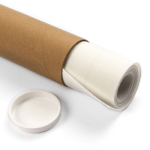
Every painting is insured and delivered door-to-door. Unframed paintings ship in protective hard tubes. Framed paintings are bubble-wrapped in sturdy boxes. If anything arrives damaged, we repair or replace it free.
Dive into the vibrant world of Historic Art. Discover your next painting today.