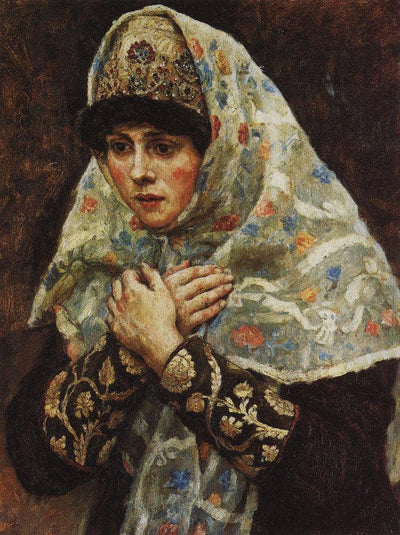
Exploring the First Ecumenical Council of Nicaea: A Masterpiece by Vasily Surikov
Historical Context of the First Ecumenical Council of Nicaea
The Significance of the Year 325 AD
The First Ecumenical Council of Nicaea took place in 325 AD, marking a pivotal moment in Christian history. This council aimed to address the Arian controversy, which questioned the
nature of
Christ and his relationship to God the Father. The decisions made here shaped the future of Christianity, establishing the Nicene Creed as a foundational statement of faith. This gathering of bishops was not just a
religious event; it was a significant political maneuver by Emperor Constantine, who sought to unify the empire under a single Christian doctrine.
Key Figures in the Council: From Constantine to Athanasius
Among the notable figures at the council was Emperor Constantine, who played a crucial role in convening the bishops. Athanasius, a staunch defender of the Nicene position, emerged as a key theological voice. Other influential leaders included Eusebius of Caesarea and Hosius of Corduba. Their debates and discussions reflected the diverse beliefs within early Christianity, showcasing the tension between different theological perspectives.
Theological Debates: A Clash of Beliefs and Doctrines
The council was marked by intense theological debates. The Arian view, proposed by Arius, argued that Christ was a created being, while the Nicene position, supported by Athanasius, affirmed Christ's divinity. This clash of beliefs not only influenced the church's doctrine but also had lasting implications for Christian unity and identity. The decisions made at Nicaea set the stage for future councils and theological discussions.
Vasily Surikov: The Visionary Behind the Canvas
Surikov's Artistic Journey: Influences and Inspirations
Vasily Surikov, a prominent Russian painter, was deeply influenced by the historical events of his time. His passion for history and culture drove him to depict significant moments in Russian history. Surikov's works often reflect his admiration for the heroic and the dramatic, making him a key figure in the Russian
realist movement. His dedication to capturing the essence of historical events is evident in his portrayal of the First Ecumenical Council of Nicaea.
Techniques and Styles: The Unique Brushwork of Surikov
Surikov's unique brushwork and use of color bring life to his historical narratives. He employed a rich color palette, combining warm and cool tones to evoke emotion and depth. His attention to detail and ability to capture the human experience set his work apart from his contemporaries. Surikov's mastery of light and shadow enhances the dramatic tension within the painting, drawing viewers into the scene.
Surikov's Legacy: Impact on Russian Art and Culture
Surikov's contributions to Russian art extend beyond his paintings. He inspired future generations of artists to explore historical themes and narratives. His works, including the First Ecumenical Council of Nicaea, continue to resonate with audiences today, reflecting the complexities of faith, power, and human emotion. Surikov's legacy is a testament to the importance of history in art.
In-Depth Analysis of the Painting's Composition
Color Palette: Symbolism and Emotional Resonance
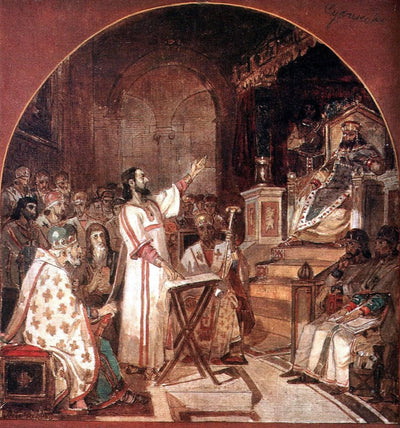
The color palette of the First Ecumenical Council of Nicaea is rich and evocative. Surikov used deep reds and golds to symbolize the gravity of the council's decisions. The contrasting cool tones create a sense of tension, reflecting the emotional weight of the theological debates. This careful selection of colors enhances the viewer's emotional response, inviting them to engage with the historical moment.
Figures and Gestures: Capturing the Essence of Debate
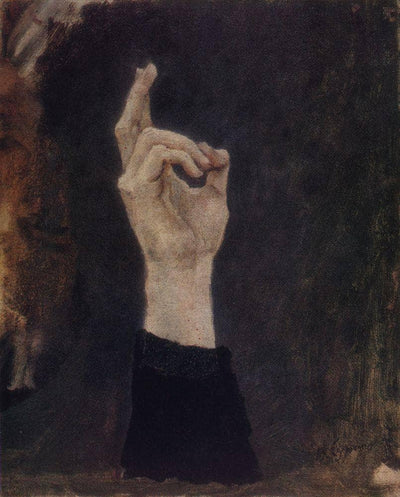
Surikov's depiction of the figures in the painting is striking. Each character's gesture and expression convey a range of emotions, from conviction to doubt. The dynamic interactions between the bishops illustrate the intensity of their discussions. Surikov's ability to capture these nuances adds depth to the narrative, allowing viewers to feel the weight of the moment.
Spatial Arrangement: The Dynamics of Power and Authority
The spatial arrangement in the painting highlights the dynamics of power and authority. The positioning of the figures creates a sense of hierarchy, with Constantine at the center, symbolizing his role as a unifier. The composition draws the viewer's eye across the canvas, guiding them through the unfolding drama of the council. This thoughtful arrangement enhances the storytelling aspect of the artwork.
Thematic Elements in the First Ecumenical Council of Nicaea
Faith and Politics: The Interplay of Religion and Governance
The First Ecumenical Council of Nicaea illustrates the complex relationship between faith and politics. Constantine's involvement underscores the political motivations behind the council. The decisions made here were not only theological but also served to strengthen the unity of the Roman Empire. This interplay of
religion and governance is a recurring theme in Surikov's work.
Unity and Division: The Struggle for Christian Orthodoxy
The council represents a struggle for unity within the Christian faith. The debates highlighted the divisions among early Christians, as different factions vied for influence. Surikov captures this tension, reflecting the broader historical context of a faith in flux. The painting serves as a reminder of the ongoing quest for orthodoxy and the challenges faced by the early church.
Art as a Reflection of Society: The Role of the Church
Surikov's painting also reflects the societal role of the church during this period. The council was a significant event that shaped not only religious beliefs but also cultural and social norms. The church's influence extended into politics, education, and daily life. Surikov's work invites viewers to consider the broader implications of the council on society.
Symbolism and Iconography in Surikov's Work
Hidden Meanings: Decoding the Symbols in the Painting
Surikov infused his painting with rich
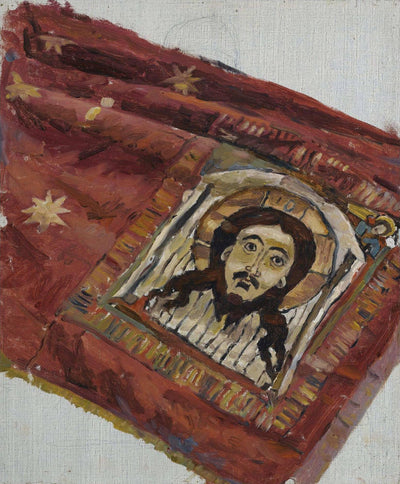
symbolism. The use of light often represents divine presence, while the arrangement of figures can symbolize the struggle for truth. Each element in the painting serves a purpose, inviting viewers to explore deeper meanings. This layer of complexity adds to the painting's allure and encourages thoughtful engagement.
Religious Icons: The Use of Saints and Historical Figures
The inclusion of
saints and historical figures in the painting enhances its religious significance. Surikov carefully selected these characters to represent the diverse beliefs within early Christianity. Their presence serves to connect the viewer with the historical narrative, grounding the artwork in its theological context. This thoughtful inclusion enriches the viewer's experience.
Surikov's Personal Touch: Infusing Emotion into History
Surikov's personal touch is evident in the emotional depth of the painting. He captures the human experience of faith, doubt, and conviction. This emotional resonance allows viewers to connect with the historical moment on a personal level. Surikov's ability to infuse history with emotion sets his work apart and invites reflection.
Comparative Analysis: Surikov's Work and Other Historical Paintings
Contrasting Styles: Surikov vs. Other Russian Masters
Surikov's style contrasts with that of other Russian masters, such as
Ilya Repin and
Ivan Aivazovsky. While Repin focused on realism and social themes, Surikov emphasized historical narratives and emotional depth. This distinction highlights Surikov's unique contribution to Russian art, showcasing his ability to blend history with human emotion.
Similar Themes in Art: The Council of Nicaea in Other Works
The themes explored in Surikov's painting resonate with other historical artworks. Artists like Jean-Auguste-Dominique Ingres and EugÉne Delacroix also tackled themes of faith and power. However, Surikov's approach is distinct, as he emphasizes the emotional and human aspects of the council, inviting viewers to engage with the historical narrative on a deeper level.
Artistic Movements: The Influence of Realism and Romanticism
Surikov's work reflects the influence of both realism and
romanticism. His attention to detail and historical accuracy aligns with realism, while his emotional depth and dramatic compositions draw from romanticism. This blend of styles creates a unique artistic voice that resonates with audiences, making his work timeless.
Viewing the First Ecumenical Council of Nicaea: A Personal Experience
Visiting the Original: Insights from the Tretyakov Gallery
The original painting resides in the Tretyakov Gallery in Moscow, where visitors can experience its grandeur firsthand. The gallery offers insights into Surikov's techniques and the historical context of the painting. Observing the artwork in person allows viewers to appreciate the intricate details and emotional depth that may be missed in reproductions.
Emotional Impact: What to Feel When Observing the Painting
When viewing the First Ecumenical Council of Nicaea, expect to feel a range of emotions. The tension between the figures, the weight of their discussions, and the historical significance of the moment create a powerful atmosphere. Surikov's ability to capture these emotions invites viewers to reflect on their own beliefs and the nature of faith.
Engaging with Art: Tips for Appreciating Historical Paintings
To fully appreciate historical paintings like Surikov's, take time to observe the details. Consider the emotions conveyed through the figures' expressions and gestures. Research the historical context to deepen your understanding of the artwork. Engaging with art in this way enhances the experience and fosters a greater appreciation for the artist's vision.
FAQs about the First Ecumenical Council of Nicaea Painting
What is the historical significance of the First Ecumenical Council of Nicaea?
The First Ecumenical Council of Nicaea was crucial in defining Christian orthodoxy and addressing key theological disputes, particularly regarding the nature of Christ.
Who are the key figures depicted in Surikov's painting?
Key figures include Emperor Constantine, Athanasius, and other bishops who played significant roles in the theological debates of the council.
What themes are explored in the First Ecumenical Council of Nicaea?
The painting explores themes of faith, politics, unity, division, and the role of the church in society.
How does Surikov's style contribute to the painting's impact?
Surikov's use of color, dynamic composition, and emotional depth enhances the viewer's connection to the historical moment depicted in the painting.
What emotions does the painting evoke in viewers?
Viewers may feel tension, conviction, and reflection as they engage with the intense debates and historical significance captured in the artwork.
How does this painting compare to other historical artworks?
Surikov's painting stands out for its emotional depth and focus on the human experience within a historical context, contrasting with other artists' approaches.
FAQs about the Painting Reproduction
What should I consider when purchasing a reproduction of this painting?
When purchasing a reproduction, consider the quality of materials, the accuracy of colors, and the level of detail compared to the original artwork.
How can I ensure the quality of the reproduction matches the original?
Look for reputable art reproduction companies that specialize in oil painting reproductions, as they offer superior quality compared to standard prints. Check for customer reviews and sample images to assess their craftsmanship.
 4.7/5
4.7/5