4.7/5
4.7/5



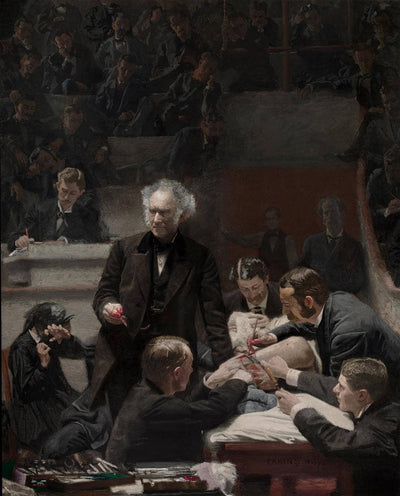
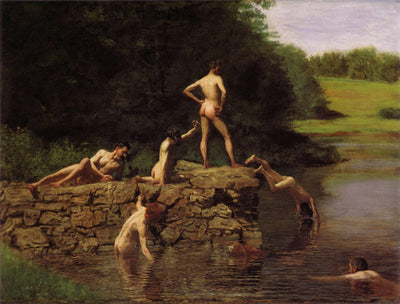
SAMPLES OF QUALITY
Recent Hand-Painted Reproductions
Discover some of our latest oil paintings, each one carefully hand-painted on canvas.

AS SEEN IN


Handmade Oil Painting on Canvas Art Reproduction, Museum-quality
Not the size you want? Type your width and height and we'll paint it to fit, 12 to 80 in (30 to 203 cm) per side.

The six dominant colors measured from the painting, with the share of canvas each one covers. Click a swatch to copy its hex code.
Processing & Shipping Time
Your delivery time includes two parts:
Shipping Methods
We ship with trusted couriers like FedEx, UPS, and DHL. Every shipment includes a tracking code.
Our goal is to deliver your order safely and quickly.
Shipment Safety Measures
We handle your products with care so they arrive in perfect condition:
Every product is insured and delivered right to your door, so you can feel confident buying from us.
Every Art & See painting is created by artists with 15+ years of experience using professional-grade oil paints and premium linen canvas with UV-resistant protective coating, the same museum-grade materials used in galleries worldwide. Each piece goes through quality review before your approval photos are taken. If after delivery you have any concerns about your painting, contact us at [email protected] and our team will work with you on the best path forward.
Full Warranty
Every painting is protected against physical damage during shipping. If your painting arrives damaged, we repair or replace it, free of charge.
Coverage Details
Transit damage (crushed, torn, water damage): we repair or replace at no cost. Please note that damages resulting from accidents or inappropriate use are not covered under this warranty.
Repair or Replace
Depending on the extent of damage, the affected painting will either be repaired or replaced at no additional cost to you.
Free Service
All warranty services are provided absolutely free of charge.
We want you to absolutely love your handmade artwork. Here's how it works:
In the rare case you approve the photos and the artwork has been shipped and delivered to you, and you still want additional modification requests, we can handle it as a courtesy at our discretion. If accepted, you cover the return shipping cost.
| Type | Hand-Painted Oil Painting Reproduction |
| Original Artist | Thomas Eakins |
| Price Range | $350 to $1,150 |
| Shipping | Free Worldwide |
| Quality | Preview & Approve Before Shipping |
| Medium | Oil on Canvas |
| Canvas | Museum-Grade Linen Canvas |
| Technique | Hand-painted brushstroke-by-brushstroke |
| Art Style | Realism |
| Period | 19th Century |
| Artist Nationality | American |
| Orientation | Vertical |
| Subject | Portraits, Portraits male |
| Available Sizes | 7 (16'' W × 19'' H to 54'' W × 65'' H, including the original size), plus custom sizes |
| Framing Options | Unframed, Stretched Canvas, Classic & Modern Frames |
| Delivery | 14–28 business days |
The late 19th century marked a transformative period in American art, characterized by the emergence of Realism. Artists sought to depict everyday life with authenticity, moving away from romanticized subjects. This shift was influenced by the changing social landscape, including the aftermath of the Civil War and the growing industrialization of America. Artists like Eakins embraced this movement, capturing the essence of their subjects with honesty and depth.
Thomas Eakins stands as a monumental figure in American art, known for his commitment to realism and the human form. His dedication to anatomical accuracy and psychological depth set him apart from his contemporaries. Eakins' innovative approach included the use of photography as a tool for studying movement and light, which he integrated into his oil paintings. His works often reflect a profound understanding of the human experience, making him a pivotal force in the evolution of American art.
Henry Ossawa Tanner broke barriers as the first African American artist to achieve international acclaim. Born in 1859, Tanner faced significant challenges due to racial prejudice. Despite this, he became renowned for his evocative religious and genre scenes. His journey to success included studying in Paris, where he was influenced by the Impressionist movement. Tanner's legacy is not only in his art but also in his role as a trailblazer for future generations of African American artists.
Eakins employed meticulous oil painting techniques that showcased his mastery of brushwork. His use of a rich color palette brought vibrancy and life to his subjects. The layering of paint created texture and depth, allowing viewers to engage with the artwork on multiple levels. Eakins' ability to blend colors seamlessly contributed to the lifelike quality of his portraits, making them resonate with authenticity.
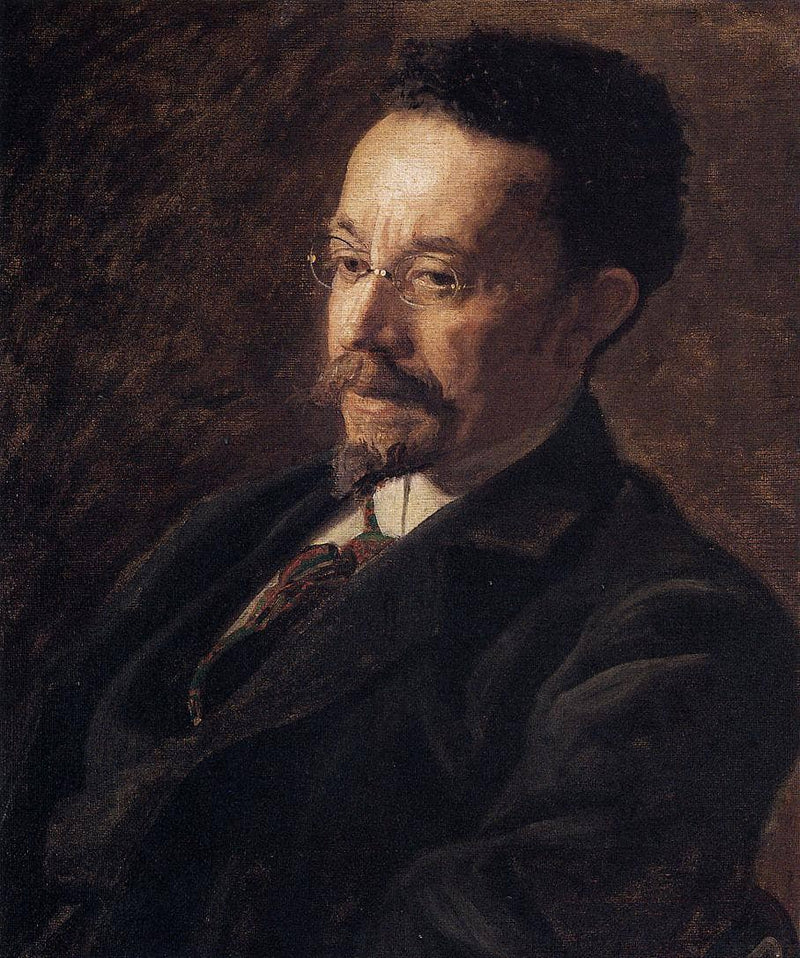
The composition of Tanner's portrait is carefully crafted, with a focus on balance and harmony. Eakins arranged the figures to draw the viewer's eye toward Tanner's expressive face. The perspective invites the audience into the intimate space of the portrait, creating a connection between the viewer and the subject. This thoughtful arrangement enhances the emotional impact of the painting.
Eakins skillfully manipulated lighting and shadow to add depth and emotion to the portrait. The interplay of light highlights Tanner's features, emphasizing his thoughtful expression. Shadows create a sense of three-dimensionality, making the figure appear to emerge from the canvas. This technique not only enhances realism but also evokes a profound emotional response from the viewer.
Henry Ossawa Tanner's life was marked by resilience and creativity. He overcame racial barriers to become a celebrated artist, known for works like "The Banjo Lesson." Tanner's achievements include being the first African American artist to be elected to the National Academy of Design. His dedication to his craft and his ability to convey deep emotion through art have left an indelible mark on the art world.
Tanner's expression in the portrait reflects a blend of contemplation and strength. His posture conveys confidence, suggesting a man who is both introspective and assertive. This duality invites viewers to explore the complexities of his character, making the portrait a powerful representation of his identity as an artist and an individual.
The attire Tanner wears in the portrait carries significant cultural and historical implications. His formal clothing symbolizes the respectability and dignity he sought to embody as an artist. Additionally, it reflects the broader context of African American identity during a time of social upheaval. Eakins' choice to depict Tanner in this manner highlights the importance of representation in art.
Eakins' style stands in contrast to that of other contemporary portrait artists, such as John Singer Sargent. While Sargent often focused on glamour and elegance, Eakins prioritized realism and emotional depth. This distinction allows Eakins' portraits to resonate on a more personal level, inviting viewers to connect with the subject's inner life.
Eakins' innovative approach to portraiture has influenced countless artists who followed him. His emphasis on realism and psychological insight paved the way for modern portrait artists to explore deeper themes in their work. Eakins' legacy continues to inspire artists to capture the essence of their subjects with authenticity and emotional resonance.
Viewers of Tanner's portrait often find themselves drawn to his expressive face. His gaze invites contemplation, allowing audiences to connect with his thoughts and feelings. This emotional resonance transforms the portrait into a window into Tanner's soul, encouraging viewers to reflect on their own experiences and emotions.
Portraiture plays a vital role in evoking empathy and connection between the subject and the viewer. Eakins' portrayal of Tanner fosters a sense of intimacy, making it easier for audiences to relate to the artist's journey. This connection is essential in understanding the broader narrative of African American artists in history.
The original Portrait of Henry Ossawa Tanner is housed in prestigious collections, including the Pennsylvania Academy of the Fine Arts. Art enthusiasts can view this masterpiece in various exhibitions that celebrate Eakins' contributions to American art. These exhibitions often highlight the significance of Tanner's work and his impact on the art world.
Art critics have praised Eakins' portrait for its emotional depth and technical mastery. Many have noted how the painting captures the essence of Tanner's character, reflecting both his struggles and triumphs. This critical reception underscores the importance of the portrait in understanding the complexities of African American identity in art.
Tanner's legacy continues to resonate in contemporary culture, influencing modern artists who explore themes of identity and representation. His work serves as a reminder of the importance of diversity in the art world. As discussions around race and representation evolve, Tanner's contributions remain relevant and impactful.
The Portrait of Henry Ossawa Tanner is significant as it represents a pivotal moment in American art, showcasing the intersection of race, identity, and artistic expression. It highlights Tanner's achievements as a trailblazer for African American artists.
Eakins' style emphasized realism and emotional depth, allowing for a more authentic representation of African American subjects. His approach helped to challenge stereotypes and promote a deeper understanding of their experiences.
The main themes in Tanner's portrait include identity, resilience, and the complexity of the African American experience. The painting invites viewers to reflect on Tanner's journey as an artist and individual.
More information about Henry Ossawa Tanner can be found in art history books, museum collections, and online resources dedicated to African American art. His biography and artistic contributions are well-documented in various publications.
Eakins used techniques such as careful brushwork, a rich color palette, and strategic lighting to create a lifelike representation of Tanner. His attention to detail and understanding of human anatomy contributed to the portrait's realism.
The Portrait of Henry Ossawa Tanner stands out among Eakins' works due to its emotional depth and cultural significance. While Eakins often focused on male figures, this portrait uniquely highlights the experience of an African American artist.
Reproductions of the Portrait of Henry Ossawa Tanner offer a superior alternative to prints. They capture the texture and vibrancy of the original oil painting, allowing art lovers to appreciate Eakins' mastery in their own homes. Investing in a high-quality reproduction ensures that the beauty of this artwork can be enjoyed for generations.
Notable exhibitions featuring the Portrait of Henry Ossawa Tanner often include retrospectives of Eakins' work or exhibitions focused on African American art. These events provide valuable insights into Tanner's impact and the significance of his contributions to the art world.

Discover some of our latest oil paintings, each one carefully hand-painted on canvas.
At Art & See, we're committed to delivering the highest quality art reproductions. Our team of expert artists and state-of-the-art processes ensure that each piece is a masterpiece in its own right.

Experience your masterpiece's creation through daily photos from our expert artists, each with 15+ years of experience.

Your artwork travels first class via UPS, FedEx, or DHL, protected by museum-grade packaging for safe delivery.

Review unedited photos of your finished painting and request unlimited free revisions before it ships. We only ship when you say it's perfect.

Every piece is crafted with archival materials, UV-resistant finishes, and premium British paints to last generations.
Yes, 100% hand-painted with oil on canvas by artists with 15+ years of experience. No prints, no digital shortcuts. You'll see and feel real brushstrokes, just like the original Thomas Eakins masterpiece.
Your Portrait of Henry Ossawa Tanner reproduction takes 2–5 weeks to hand-paint depending on size and detail. Once approved, shipping takes 5–8 days via FedEx, UPS, or DHL with full tracking. Free worldwide shipping included.
Absolutely. Once your Portrait of Henry Ossawa Tanner is complete, we send you unedited photos, a full view and close-up details. Request unlimited free revisions until you're 100% satisfied. We don't ship until you say "yes."
Every painting goes through our Preview & Approve process: you receive unedited photos of your finished Thomas Eakins reproduction and can request unlimited free revisions before it ships. We only ship when you say it's perfect. If after delivery you have any concerns, contact us at [email protected] and our team will work with you on the best path forward.
Professional-grade oil paints (Windsor & Newton) on premium linen canvas with UV-resistant protective coating. Museum-grade materials built to last generations, the same quality used in galleries worldwide.
Our artists specialize in Thomas Eakins's technique: color accuracy, brushwork, and composition are matched to the original. Every reproduction goes through quality review before your approval photos are taken.
Every painting is insured and delivered door-to-door. Unframed paintings ship in protective hard tubes. Framed paintings are bubble-wrapped in sturdy boxes. If anything arrives damaged, we repair or replace it free.
Dive into the vibrant world of Historic Art. Discover your next painting today.