4.9/5
4.9/5




SAMPLES OF QUALITY
Recent Hand-Painted Reproductions
Discover some of our latest oil paintings, each one carefully hand-painted on canvas.


AS SEEN IN





Handmade Oil Painting on Canvas Art Reproduction, Museum-quality

The six dominant colors measured from the painting, with the share of canvas each one covers. Click a swatch to copy its hex code.
Processing & Shipping Time
Your delivery time includes two parts:
Shipping Methods
We ship with trusted couriers like FedEx, UPS, and DHL. Every shipment includes a tracking code.
Our goal is to deliver your order safely and quickly.
Shipment Safety Measures
We handle your products with care so they arrive in perfect condition:
Every product is insured and delivered right to your door, so you can feel confident buying from us.
Every Art & See painting is created by artists with 15+ years of experience using professional-grade oil paints and premium linen canvas with UV-resistant protective coating, the same museum-grade materials used in galleries worldwide. Each piece goes through quality review before your approval photos are taken. If after delivery you have any concerns about your painting, contact us at [email protected] and our team will work with you on the best path forward.
Full Warranty
Every painting is protected against physical damage during shipping. If your painting arrives damaged, we repair or replace it, free of charge.
Coverage Details
Transit damage (crushed, torn, water damage): we repair or replace at no cost. Please note that damages resulting from accidents or inappropriate use are not covered under this warranty.
Repair or Replace
Depending on the extent of damage, the affected painting will either be repaired or replaced at no additional cost to you.
Free Service
All warranty services are provided absolutely free of charge.
We want you to absolutely love your handmade artwork. Here's how it works:
In the rare case you approve the photos and the artwork has been shipped and delivered to you, and you still want additional modification requests, we can handle it as a courtesy at our discretion. If accepted, you cover the return shipping cost.
| Type | Hand-Painted Oil Painting Reproduction |
| Original Artist | Théodore Géricault |
| Price Range | $350 to $1,150 |
| Shipping | Free Worldwide |
| Returns | 90-Day Returns |
| Medium | Oil on Canvas |
| Canvas | Museum-Grade Linen Canvas |
| Technique | Hand-painted brushstroke-by-brushstroke |
| Art Style | Romanticism |
| Period | 19th Century |
| Artist Nationality | French |
| Orientation | Horizontal |
| Subject | Animal art, Animal art horse |
| Available Sizes | 7 (21'' W × 15'' H to 70'' W × 49'' H, including the original size), plus custom sizes |
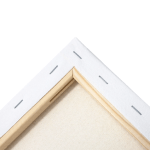
| Framing Options | Unframed, Stretched Canvas, Classic & Modern Frames |
| Delivery | 14–28 business days |
| Year | 1821 |
In the 19th century, horse racing was more than just a sport in England; it was a cultural phenomenon. Events like the Epsom Derby attracted the elite and common folk alike, showcasing the thrill of competition and the beauty of thoroughbred horses. This period saw the rise of betting and social gatherings, making horse racing a vital part of British society. The Derby, held annually, became a symbol of prestige and excitement, reflecting the era's fascination with speed and elegance.
Théodore Géricault was a prominent French painter known for his contributions to the Romantic movement. Born in 1791, he was deeply influenced by the tumultuous events of his time, including the Napoleonic Wars. Géricault's passion for capturing human emotion and dramatic scenes is evident in his works. His dedication to realism and detail set him apart, making him a pivotal figure in art history. His fascination with horses and their power is beautifully illustrated in The Epsom Derby.
Romanticism emphasized emotion, nature, and individualism, often contrasting with the rationalism of the Enlightenment. Géricault's work embodies these ideals, focusing on the raw energy and passion of life. In The Epsom Derby, he captures the excitement and tension of the race, inviting viewers to experience the thrill of the moment. His ability to convey deep feelings through dynamic compositions makes his art resonate with audiences even today.
The Epsom Derby features a dynamic composition that draws the viewer's eye across the canvas. Géricault expertly captures the movement of the horses and jockeys, creating a sense of urgency and excitement. The arrangement of figures and horses leads the viewer into the heart of the race, making them feel as if they are part of the action. This sense of motion is a hallmark of Géricault's style, showcasing his mastery of dynamic scenes.
Géricault's use of color in The Epsom Derby is striking. He employs a rich palette that contrasts light and shadow, enhancing the drama of the scene. The bright colors of the jockeys' silks pop against the earthy tones of the horses and the background. This interplay of light and shadow not only adds depth but also emphasizes the intensity of the race, making the viewer feel the heat of competition.
The figures in The Epsom Derby are meticulously rendered, showcasing Géricault's understanding of anatomy. The horses are depicted with powerful musculature, embodying strength and grace. The expressions of the jockeys convey a range of emotions, from determination to exhilaration. This attention to detail brings the scene to life, allowing viewers to connect with the characters and their experiences.
In The Epsom Derby, the horse symbolizes both power and grace. These magnificent animals represent the pinnacle of athleticism and beauty, embodying the spirit of competition. Géricault's portrayal of the horses captures their energy and elegance, inviting viewers to appreciate their majesty. The horse is not just a participant in the race; it is a central figure that embodies the essence of the event.
The crowd in The Epsom Derby is filled with faces of anticipation and excitement. Géricault skillfully depicts the diverse reactions of spectators, from anxious hope to jubilant celebration. This connection between the crowd and the race adds a layer of emotional depth to the painting. The viewer can almost hear the cheers and gasps, making the experience immersive and engaging.
The theme of victory and defeat runs deep in The Epsom Derby. Géricault captures the tension of competition, where triumph and loss coexist. The expressions of the jockeys and the crowd reflect this duality, highlighting the emotional stakes of the race. This exploration of human experience resonates with anyone who has faced competition, making the painting relatable and profound.
Géricault's brushwork in The Epsom Derby is both expressive and precise. He uses varied techniques to create texture, giving life to the horses' coats and the fabric of the jockeys' silks. This attention to detail enhances the realism of the painting, allowing viewers to appreciate the intricacies of the scene. The texture invites closer inspection, revealing the skill behind each stroke.
Géricault employs innovative perspective techniques in The Epsom Derby, drawing viewers into the action. The angled view of the race creates a sense of immediacy, making the audience feel as if they are part of the event. This engaging perspective is a testament to Géricault's ability to connect with his audience, inviting them to experience the thrill of the race firsthand.
The emotional resonance of The Epsom Derby is palpable. Géricault masterfully evokes feelings of excitement, tension, and anticipation through his composition and use of color. The viewer is not just an observer; they are drawn into the emotional landscape of the painting. This ability to connect with the audience on an emotional level is what makes Géricault's work timeless.
The Epsom Derby has left a lasting impact on the art world. Géricault's dynamic style and emotional depth influenced many artists who followed, including those in the Impressionist movement. His ability to capture movement and emotion paved the way for future explorations of similar themes in art. The painting remains a reference point for artists seeking to convey the thrill of competition.
Since its creation, The Epsom Derby has been featured in numerous exhibitions, captivating audiences with its energy and emotion. Public reception has varied, but the painting has consistently been celebrated for its artistic merit. Over the years, it has become a beloved piece in the canon of Romantic art, admired for its ability to evoke strong feelings and convey the spirit of the era.
The original The Epsom Derby is housed in a prestigious museum, where it is carefully preserved for future generations. Its location allows art lovers and historians to appreciate Géricault's genius firsthand. The painting's preservation ensures that its vibrant colors and dynamic composition continue to inspire and engage viewers, maintaining its relevance in the art world.
When visiting The Epsom Derby in a gallery, expect to be captivated by its scale and energy. The painting's vibrant colors and dynamic composition draw you in, inviting you to explore every detail. Take your time to absorb the emotions captured in the faces of the crowd and the powerful horses, allowing the artwork to resonate with you personally.
Viewers often report feeling a rush of excitement and anticipation when encountering The Epsom Derby. The painting evokes a range of emotions, from joy to tension, as it captures the essence of competition. Each viewer may interpret the scene differently, reflecting their own experiences with victory and defeat, making the artwork a deeply personal encounter.
To truly appreciate Géricault's mastery in The Epsom Derby, take a moment to study the details. Observe the brushwork, the interplay of light and shadow, and the expressions of the figures. Consider the historical context and the emotions conveyed through the composition. Engaging with the painting on multiple levels enhances your understanding and appreciation of Géricault's artistic genius.
The Epsom Derby painting captures the excitement of the famous horse race held annually in England. Géricault sought to convey the thrill and emotion of the event, reflecting the cultural significance of horse racing in 19th-century society.
The Epsom Derby embodies Romanticism through its emphasis on emotion, movement, and the beauty of nature. Géricault's focus on the human experience and the power of competition aligns with the ideals of the Romantic movement.
Géricault employed techniques such as dynamic composition, innovative perspective, and expressive brushwork to create depth and realism in The Epsom Derby. His use of color and light enhances the emotional impact of the scene.
The original The Epsom Derby is currently displayed in a renowned museum, where it is preserved for public viewing. Check the museum's website for current exhibitions and visiting hours.
Viewers often feel excitement, anticipation, and tension when viewing The Epsom Derby. The painting captures the thrill of competition, allowing audiences to connect with their own experiences of victory and defeat.
The Epsom Derby is one of the most prestigious horse races in the world, and Géricault's painting immortalizes its cultural importance. The artwork reflects the excitement and social significance of the event in 19th-century England.
Reproductions of The Epsom Derby are a fantastic way to bring this masterpiece into your home. Unlike prints, painting reproductions capture the texture and depth of the original artwork, offering a more authentic experience. Investing in a high-quality reproduction allows you to appreciate Géricault's artistry in your own space.

Discover some of our latest oil paintings, each one carefully hand-painted on canvas.
At Art & See, we're committed to delivering the highest quality art reproductions. Our team of expert artists and state-of-the-art processes ensure that each piece is a masterpiece in its own right.

Experience your masterpiece's creation through daily photos from our expert artists, each with 15+ years of experience.

Your artwork travels first class via UPS, FedEx, or DHL, protected by museum-grade packaging for safe delivery.

Review unedited photos of your finished painting and request unlimited free revisions before it ships. We only ship when you say it's perfect.

Every piece is crafted with archival materials, UV-resistant finishes, and premium British paints to last generations.


Yes, 100% hand-painted with oil on canvas by artists with 15+ years of experience. No prints, no digital shortcuts. You'll see and feel real brushstrokes, just like the original Théodore Géricault masterpiece.
Your The Epsom Derby reproduction takes 2–5 weeks to hand-paint depending on size and detail. Once approved, shipping takes 5–8 days via FedEx, UPS, or DHL with full tracking. Free worldwide shipping included.
Absolutely. Once your The Epsom Derby is complete, we send you unedited photos, a full view and close-up details. Request unlimited free revisions until you're 100% satisfied. We don't ship until you say "yes."
Every painting goes through our Preview & Approve process: you receive unedited photos of your finished Théodore Géricault reproduction and can request unlimited free revisions before it ships. We only ship when you say it's perfect. If after delivery you have any concerns, contact us at [email protected] and our team will work with you on the best path forward.
Professional-grade oil paints (Windsor & Newton) on premium linen canvas with UV-resistant protective coating. Museum-grade materials built to last generations, the same quality used in galleries worldwide.
Our artists specialize in Théodore Géricault's technique: color accuracy, brushwork, and composition are matched to the original. Every reproduction goes through quality review before your approval photos are taken.
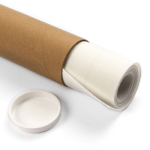
Every painting is insured and delivered door-to-door. Unframed paintings ship in protective hard tubes. Framed paintings are bubble-wrapped in sturdy boxes. If anything arrives damaged, we repair or replace it free.
Dive into the vibrant world of Historic Art. Discover your next painting today.