4.9/5
4.9/5






SAMPLES OF QUALITY
Recent Hand-Painted Reproductions
Discover some of our latest oil paintings, each one carefully hand-painted on canvas.


AS SEEN IN





Handmade Oil Painting on Canvas Art Reproduction, Museum-quality

The six dominant colors measured from the painting, with the share of canvas each one covers. Click a swatch to copy its hex code.
Processing & Shipping Time
Your delivery time includes two parts:
Shipping Methods
We ship with trusted couriers like FedEx, UPS, and DHL. Every shipment includes a tracking code.
Our goal is to deliver your order safely and quickly.
Shipment Safety Measures
We handle your products with care so they arrive in perfect condition:
Every product is insured and delivered right to your door, so you can feel confident buying from us.
Every Art & See painting is created by artists with 15+ years of experience using professional-grade oil paints and premium linen canvas with UV-resistant protective coating, the same museum-grade materials used in galleries worldwide. Each piece goes through quality review before your approval photos are taken. If after delivery you have any concerns about your painting, contact us at [email protected] and our team will work with you on the best path forward.
Full Warranty
Every painting is protected against physical damage during shipping. If your painting arrives damaged, we repair or replace it, free of charge.
Coverage Details
Transit damage (crushed, torn, water damage): we repair or replace at no cost. Please note that damages resulting from accidents or inappropriate use are not covered under this warranty.
Repair or Replace
Depending on the extent of damage, the affected painting will either be repaired or replaced at no additional cost to you.
Free Service
All warranty services are provided absolutely free of charge.
We want you to absolutely love your handmade artwork. Here's how it works:
In the rare case you approve the photos and the artwork has been shipped and delivered to you, and you still want additional modification requests, we can handle it as a courtesy at our discretion. If accepted, you cover the return shipping cost.
| Type | Hand-Painted Oil Painting Reproduction |
| Original Artist | Pedro Américo |
| Price Range | $350 to $1,150 |
| Shipping | Free Worldwide |
| Quality | Preview & Approve Before Shipping |
| Medium | Oil on Canvas |
| Canvas | Museum-Grade Linen Canvas |
| Technique | Hand-painted brushstroke-by-brushstroke |
| Period | 19th Century |
| Artist Nationality | Brazilian |
| Orientation | Horizontal |
| Subject | Cultural heritage, Portraits group |
| Available Sizes | 7 (24'' W × 13'' H to 79'' W × 43'' H, including the original size), plus custom sizes |
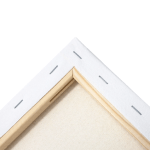
| Framing Options | Unframed, Stretched Canvas, Classic & Modern Frames |
| Delivery | 14–28 business days |
| Size | 760 × 415 cm (299 × 163.5 in) |
| Year | 1888 |
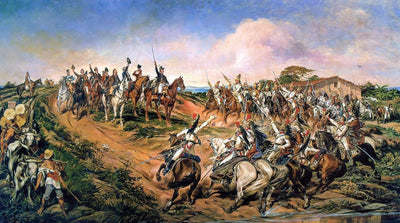
The Ipiranga Shout, a pivotal moment in Brazilian history, occurred on September 7, 1822. This event marked Brazil's declaration of independence from Portuguese colonial rule. Tensions had been escalating due to oppressive taxes and the desire for autonomy. The cry "Independência ou Morte!" became a rallying cry for freedom, symbolizing the struggle for national identity.
Pedro Américo's painting captures this dramatic moment, showcasing the fervor and passion of the Brazilian people. The backdrop of the lush Ipiranga River adds to the emotional weight of the scene, emphasizing the natural beauty of Brazil intertwined with its quest for independence.
As a prominent Brazilian artist, Pedro Américo played a crucial role in shaping the national identity through his art. His works often reflect the spirit of nationalism and the pride of a newly independent Brazil. "Independence or Death!" serves as a visual manifesto, celebrating the courage of Dom Pedro I and the collective will of the Brazilian people.
Américo's ability to convey deep emotions through his art helped solidify the narrative of independence in the Brazilian consciousness, making him a key figure in the cultural landscape of the nation.
Américo's masterful use of light and shadow creates a dramatic atmosphere in "Independence or Death!" The interplay of light highlights Dom Pedro I, drawing the viewer's eye to his commanding presence. Shadows envelop the supporting figures, suggesting the uncertainty and turmoil of the time.
This dynamic contrast not only enhances the emotional impact but also symbolizes the struggle between hope and despair during Brazil's fight for freedom.
The color palette of the painting is rich with symbolism. The vibrant greens and blues represent the lush landscapes of Brazil, while the reds and yellows evoke passion and courage. Each color choice reflects the emotional intensity of the moment, reinforcing the themes of bravery and sacrifice.
Américo's strategic use of color invites viewers to feel the urgency of the declaration, making the painting a powerful representation of Brazilian nationalism.
Dom Pedro I stands at the center of the painting, embodying the spirit of independence. His posture is assertive, and his expression conveys determination. Clad in a military uniform, he symbolizes leadership and the fight against colonial oppression.
His role as the first Emperor of Brazil is crucial, as he not only declared independence but also helped to establish a new nation. Américo's portrayal captures the essence of his character, making him a heroic figure in Brazilian history.
Surrounding Dom Pedro I are various figures representing allies and adversaries. The soldiers and civilians in the painting reflect the diverse support for independence. Each character adds depth to the narrative, showcasing the collective effort required to achieve freedom.
Américo's attention to detail in their expressions and postures highlights the emotional stakes of the moment, making the painting a rich tapestry of human experience during a transformative period in Brazil.
Pedro Américo was born in 1843 in the city of Piracicaba, Brazil. He became one of the most influential artists of his time, known for his historical and romantic paintings. His education in Europe exposed him to various artistic movements, which he skillfully integrated into his work.
Américo's passion for Brazilian history and culture drove him to create pieces that celebrated national pride, making him a key figure in the Romantic movement in Brazil.
Américo studied in Paris, where he was influenced by the works of European masters. His exposure to realism and romanticism shaped his artistic style. He combined these influences with his love for Brazilian themes, creating a unique voice in the art world.
His dedication to portraying historical events with accuracy and emotion set him apart from his contemporaries, allowing him to capture the essence of Brazil's identity.
In addition to "Independence or Death!", Américo created several other significant works, including "The Death of the Hero" and "The Battle of Guararapes." Each piece reflects his commitment to Brazilian history and culture, further solidifying his legacy as a national artist.
His works continue to inspire future generations, encouraging a deeper appreciation for Brazil's rich history and artistic heritage.
"Independence or Death!" has played a vital role in shaping Brazilian nationalism. The painting serves as a visual representation of the struggle for freedom, inspiring pride among Brazilians. It has become an iconic symbol of the country's fight for independence.
Américo's work resonates with the collective memory of the nation, reminding citizens of their shared history and the sacrifices made for liberty.
Since its unveiling, the painting has received both acclaim and critique. Art critics have praised Américo's technique and emotional depth, while some have debated the historical accuracy of the portrayal. Regardless, the painting remains a cornerstone of Brazilian art and history.
Its ability to evoke strong emotions continues to captivate audiences, ensuring its place in the cultural narrative of Brazil.
Américo's work has influenced countless artists in Brazil and beyond. His approach to historical painting has inspired a new generation to explore themes of nationalism and identity. The emotional resonance of "Independence or Death!" encourages artists to engage with their cultural heritage.
As a result, Américo's legacy endures, fostering a deeper understanding of Brazil's artistic and historical landscape.
Américo's painting embodies the tension between realism and romanticism. While he captures the historical moment with accuracy, he also infuses the scene with emotional intensity. This blend creates a powerful narrative that resonates with viewers.
The romantic elements highlight the heroism of the figures, while the realistic details ground the painting in its historical context.
Américo's brushwork is both meticulous and expressive. He employs a variety of techniques to create texture and depth, enhancing the overall impact of the painting. The careful layering of paint adds dimension, making the figures appear almost lifelike.
This attention to detail invites viewers to engage with the artwork on a deeper level, allowing them to feel the weight of the moment.
While Américo aimed for historical accuracy, he also exercised artistic license to enhance the narrative. The dramatic poses and expressions of the figures serve to amplify the emotional stakes of the scene. This balance between fact and interpretation is a hallmark of Américo's style.
His ability to convey the essence of the moment while maintaining artistic integrity sets "Independence or Death!" apart as a significant work of art.
The original "Independence or Death!" is housed in the Museum of the Portuguese Language in S√£o Paulo, Brazil. This museum is dedicated to celebrating the Portuguese language and its cultural significance, making it a fitting home for Américo's masterpiece.
Visitors can experience the painting in person, allowing them to appreciate its grandeur and emotional depth up close.
In addition to the Museum of the Portuguese Language, various exhibitions across Brazil showcase Américo's works. These exhibitions provide insight into his artistic journey and the historical context of his paintings. Art enthusiasts can explore the evolution of Brazilian art through Américo's lens.
Attending these exhibitions offers a unique opportunity to engage with Brazil's rich artistic heritage and the legacy of Pedro Américo.
The Ipiranga Shout represents Brazil's declaration of independence from Portugal, marking a crucial turning point in the nation's history. It symbolizes the fight for freedom and the birth of a new nation.
Américo employed a combination of realism and romanticism, using dynamic light and shadow, a rich color palette, and meticulous brushwork to convey emotion and historical accuracy.
The painting embodies the spirit of Brazilian nationalism, celebrating the courage and determination of its people. It serves as a visual representation of the collective struggle for independence.
Key symbols include Dom Pedro I, representing leadership, and the vibrant colors that evoke passion and hope. The figures surrounding him symbolize the diverse support for independence.
"Independence or Death!" has inspired generations of artists and has become a cornerstone of Brazilian national identity. It encourages a deeper appreciation for the country's history and cultural heritage.
When purchasing a reproduction, consider the quality of materials, the accuracy of colors, and the level of detail. A high-quality painting reproduction will capture the essence of Américo's original work far better than a simple print.
Look for reputable art reproduction companies that specialize in oil painting reproductions. Check for customer reviews and request samples if possible. A well-crafted reproduction will enhance your space and provide a lasting connection to Brazilian history.

Discover some of our latest oil paintings, each one carefully hand-painted on canvas.
At Art & See, we're committed to delivering the highest quality art reproductions. Our team of expert artists and state-of-the-art processes ensure that each piece is a masterpiece in its own right.

Experience your masterpiece's creation through daily photos from our expert artists, each with 15+ years of experience.

Your artwork travels first class via UPS, FedEx, or DHL, protected by museum-grade packaging for safe delivery.

Review unedited photos of your finished painting and request unlimited free revisions before it ships. We only ship when you say it's perfect.

Every piece is crafted with archival materials, UV-resistant finishes, and premium British paints to last generations.
Yes, 100% hand-painted with oil on canvas by artists with 15+ years of experience. No prints, no digital shortcuts. You'll see and feel real brushstrokes, just like the original Pedro Américo masterpiece.
Your Independence or Death! (The Ipiranga Shout) reproduction takes 2–5 weeks to hand-paint depending on size and detail. Once approved, shipping takes 5–8 days via FedEx, UPS, or DHL with full tracking. Free worldwide shipping included.
Absolutely. Once your Independence or Death! (The Ipiranga Shout) is complete, we send you unedited photos, a full view and close-up details. Request unlimited free revisions until you're 100% satisfied. We don't ship until you say "yes."
Every painting goes through our Preview & Approve process: you receive unedited photos of your finished Pedro Américo reproduction and can request unlimited free revisions before it ships. We only ship when you say it's perfect. If after delivery you have any concerns, contact us at [email protected] and our team will work with you on the best path forward.
Professional-grade oil paints (Windsor & Newton) on premium linen canvas with UV-resistant protective coating. Museum-grade materials built to last generations, the same quality used in galleries worldwide.
Our artists specialize in Pedro Américo's technique: color accuracy, brushwork, and composition are matched to the original. Every reproduction goes through quality review before your approval photos are taken.
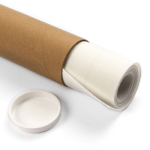
Every painting is insured and delivered door-to-door. Unframed paintings ship in protective hard tubes. Framed paintings are bubble-wrapped in sturdy boxes. If anything arrives damaged, we repair or replace it free.
Dive into the vibrant world of Historic Art. Discover your next painting today.