

Exploring the Historical Significance of John Russel, 4th Duke of Bedford
The Life and Legacy of John Russel
Early Life and Noble Heritage
John Russel, the 4th Duke of Bedford, was born in 1727 into a prominent aristocratic family. His lineage traced back to the powerful Russel family, known for their significant influence in British politics. The Duke inherited vast estates, including the magnificent Woburn Abbey, which became a symbol of his family's wealth and status.
Political Influence and Contributions
As a key figure in 18th-century England, the Duke played a vital role in the political landscape. He served as a Member of Parliament and later as a Lord Lieutenant of Bedfordshire. His contributions to the Whig party were notable, especially during the tumultuous periods of the Seven Years'
War and the American Revolution. The Duke's political acumen helped shape policies that affected the British Empire.
Patronage of the Arts in 18th Century England
The 4th Duke was a passionate patron of the arts, supporting artists and cultural initiatives. His commitment to the arts helped foster a vibrant cultural scene in England. He commissioned several works from renowned artists, including
Joshua Reynolds, whose
portrait of the Duke remains a testament to their relationship. This patronage not only elevated the status of the arts but also reflected the Duke's own social standing.
Artistic Mastery of Joshua Reynolds: Techniques and Style
Reynolds' Signature Brushwork and Color Palette
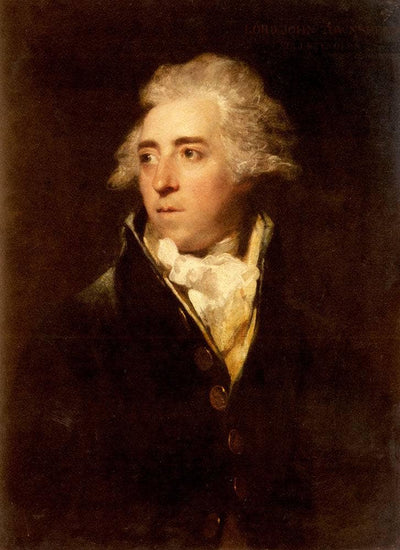
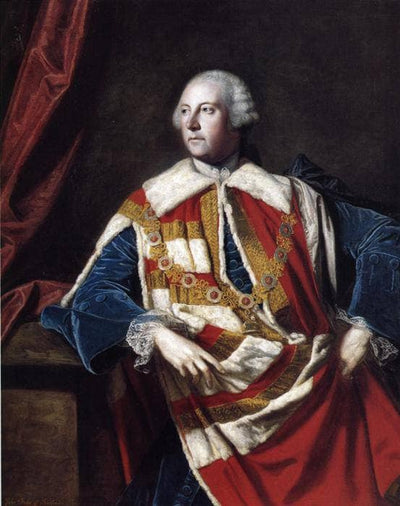
Joshua Reynolds, a leading portrait painter of his time, employed a unique style characterized by his masterful brushwork. His use of rich, vibrant colors brought life to his subjects. The palette he chose for the Duke's portrait includes deep blues and warm earth tones, enhancing the regal presence of the 4th Duke.
Use of Light and Shadow in Portraiture
Reynolds skillfully utilized chiaroscuro, the contrast of light and shadow, to create depth in his portraits. In the painting of the Duke, the interplay of light highlights the Duke's facial features, adding a three-dimensional quality. This technique draws the viewer's eye and emphasizes the Duke's authoritative expression.
Innovative Composition Techniques
Reynolds was known for his innovative compositions that often included dynamic poses and thoughtful arrangements. In this portrait, the Duke is depicted in a relaxed yet commanding stance, showcasing his confidence and nobility. The background elements are carefully chosen to complement the Duke's figure, enhancing the overall composition.
Influence of the Grand Manner in Portrait Painting
Characteristics of the Grand Manner Style
The Grand Manner style, which Reynolds championed, aimed to convey nobility and grandeur. This style is evident in the Duke's portrait, where the Duke's attire and posture reflect his high social status. The use of classical elements in the background further reinforces this grandeur.
Reynolds' Role in Defining British Portraiture
Reynolds played a crucial role in establishing British portraiture as a respected art form. His ability to capture the essence of his subjects set a new standard for portrait painting. The portrait of John Russel, 4th Duke of Bedford, exemplifies Reynolds' skill in portraying the character and dignity of the British aristocracy.
Symbolism and Iconography in the Portrait of the Duke
Attire and Accessories: A Reflection of Status
The Duke's attire in the portrait is rich with
symbolism. He wears an elegant coat adorned with intricate embroidery, signifying his noble status. The choice of colors and fabrics reflects the fashion of the time, showcasing the wealth and sophistication of the 4th Duke.
The Significance of the Duke's Clothing
The clothing worn by the Duke is not merely decorative; it tells a story of his social standing. The luxurious materials and detailed craftsmanship highlight the importance of fashion in 18th-century England. This attention to detail in the portrait underscores the Duke's position within the aristocracy.
Symbolic Objects and Their Meanings
In the portrait, the Duke is often depicted with objects that symbolize power and authority. These may include a ceremonial sword or a book, representing knowledge and governance. Each element in the painting serves to reinforce the Duke's status as a leader and a figure of influence.
Facial Expression and Posture: Conveying Authority
Reynolds captured the Duke's personality through his facial expression and posture. The Duke's confident gaze and slight smile convey a sense of authority and approachability. This balance makes the portrait relatable while still emphasizing his noble stature.
Emotional Depth in Portraiture
The emotional depth in the Duke's expression adds a layer of complexity to the portrait. It invites viewers to connect with the Duke on a personal level, making him more than just a historical figure. This emotional resonance is a hallmark of Reynolds' portraiture.
Body Language and Its Interpretation
The Duke's body language speaks volumes about his character. His relaxed yet upright posture suggests confidence and readiness to lead. This careful attention to body language enhances the overall impact of the portrait, making it a powerful representation of the Duke's legacy.
The Cultural Context of the 18th Century England
Social Hierarchies and the Role of Nobility
In 18th-century England, social hierarchies were rigidly defined. The Duke of Bedford occupied a prominent position within this structure, representing the power and influence of the aristocracy. His role as a nobleman was not just about wealth; it involved responsibilities to his estate and community.
The Duke's Position in Society
As a leading figure in society, the Duke's actions and decisions had far-reaching effects. He was involved in local governance and charitable endeavors, reflecting the expectations placed on the nobility. His portrait serves as a reminder of the responsibilities that came with his title.
Impact of the Aristocracy on Art and Culture
The aristocracy played a significant role in shaping art and culture during this period. Their patronage allowed artists like Reynolds to thrive. The Duke's support of the arts contributed to a cultural
renaissance in England, influencing future generations of artists.
Art as a Reflection of Political Climate
Art during the 18th century often mirrored the political climate of the time. Reynolds' portraits, including that of the Duke, captured the essence of an era marked by change and upheaval. The Duke's image became a symbol of stability amidst political turmoil.
Reynolds' Works in Relation to Historical Events
Reynolds' portraits often coincided with significant historical events. The Duke's portrait, created during a time of political strife, reflects the resilience of the British aristocracy. It serves as a visual narrative of the era's challenges and triumphs.
The Role of Art in Shaping Public Perception
Art has the power to shape public perception, and Reynolds understood this well. His portraits elevated the status of his subjects, influencing how they were viewed by society. The Duke's portrait not only immortalizes him but also reinforces the ideals of nobility and leadership.
Comparative Analysis: Reynolds and His Contemporaries
Contrasting Styles: Reynolds vs. Gainsborough
While both Reynolds and
Thomas Gainsborough were prominent portrait painters, their styles differed significantly. Reynolds focused on the Grand Manner, emphasizing grandeur and nobility, while Gainsborough favored a more naturalistic approach.
Differences in Portrait Techniques
Reynolds' technique involved
dramatic lighting and rich colors, creating a sense of depth and presence. In contrast, Gainsborough's portraits often featured softer colors and a more relaxed composition. This contrast highlights the diverse approaches to portraiture in 18th-century England.
Subject Matter and Artistic Intentions
Reynolds aimed to convey the character and status of his subjects, while Gainsborough often captured the beauty of
nature and the human form. This difference in artistic intentions reflects the broader trends in portrait painting during their time.
Influence of European Art Movements
European art movements, such as
Rococo and
Neoclassicism, significantly influenced Reynolds' work. He adapted elements from these styles to create a distinctly British portraiture.
Impact of the Rococo and Neoclassical Styles
The Rococo style, known for its ornate details and playful themes, can be seen in some of Reynolds' works. Meanwhile, Neoclassicism's emphasis on simplicity and classical ideals also shaped his approach. This blend of styles enriched the portrait of the Duke.
Reynolds' Adaptation of Continental Techniques
Reynolds was not afraid to incorporate techniques from continental artists. His ability to blend these influences with his unique style set him apart from his contemporaries. This adaptability contributed to his lasting legacy in British art.
FAQs about John Russel, 4th Duke of Bedford
What is the historical significance of John Russel, 4th Duke of Bedford?
John Russel, 4th Duke of Bedford, was a key political figure and a patron of the arts in 18th-century England. His contributions to the Whig party and support for artists like Reynolds shaped the cultural landscape of the time.
How did Joshua Reynolds capture the personality of the Duke in this portrait?
Reynolds captured the Duke's personality through his confident posture and expressive facial features. The Duke's gaze and slight smile convey authority and approachability, making the portrait relatable.
What are the notable features of the Duke's attire in the painting?
The Duke's attire features luxurious fabrics and intricate embroidery, reflecting his noble status. The colors and design of his clothing are significant, showcasing the fashion of the 18th century.
How does this painting reflect the social status of the Duke?
The painting reflects the Duke's high social status through his regal attire, confident posture, and the use of symbolic objects. These elements emphasize his position within the aristocracy.
What techniques did Reynolds use to create depth in the portrait?
Reynolds used chiaroscuro to create depth, employing light and shadow to highlight the Duke's features. His innovative composition techniques also contributed to the portrait's three-dimensional quality.
FAQs about the Painting Reproduction
What should I consider when purchasing a reproduction of this painting?
When purchasing a reproduction, consider the quality of materials, the artist's technique, and the level of detail. A high-quality painting reproduction will capture the essence of the original artwork.
How can I ensure the quality of the painting reproduction?
To ensure quality, look for reproductions created by skilled artists who specialize in oil painting techniques. Unlike prints, painting reproductions offer a richer texture and depth, making them a superior choice for art lovers.