4.7/5




SAMPLES OF QUALITY
Recent Hand-Painted Reproductions
Discover some of our latest oil paintings, each one carefully hand-painted on canvas.

AS SEEN IN


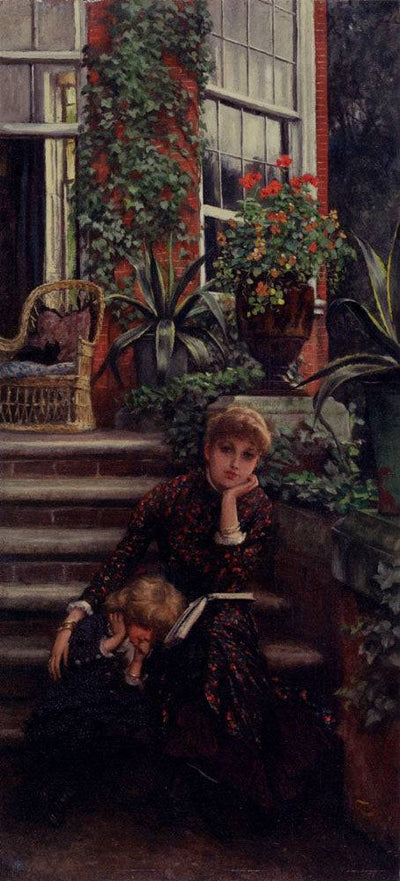
by James Tissot
Handmade Oil Painting on Canvas Art Reproduction, Museum-quality
Not the size you want? Type your width and height and we'll paint it to fit, 12 to 80 in (30 to 203 cm) per side.

The six dominant colors measured from the painting, with the share of canvas each one covers. Click a swatch to copy its hex code.
Processing & Shipping Time
Your delivery time includes two parts:
Shipping Methods
We ship with trusted couriers like FedEx, UPS, and DHL. Every shipment includes a tracking code.
Our goal is to deliver your order safely and quickly.
Shipment Safety Measures
We handle your products with care so they arrive in perfect condition:
Every product is insured and delivered right to your door, so you can feel confident buying from us.
Every Art & See painting is created by artists with 15+ years of experience using professional-grade oil paints and premium linen canvas with UV-resistant protective coating, the same museum-grade materials used in galleries worldwide. Each piece goes through quality review before your approval photos are taken. If after delivery you have any concerns about your painting, contact us at [email protected] and our team will work with you on the best path forward.
Full Warranty
Every painting is protected against physical damage during shipping. If your painting arrives damaged, we repair or replace it, free of charge.
Coverage Details
Transit damage (crushed, torn, water damage): we repair or replace at no cost. Please note that damages resulting from accidents or inappropriate use are not covered under this warranty.
Repair or Replace
Depending on the extent of damage, the affected painting will either be repaired or replaced at no additional cost to you.
Free Service
All warranty services are provided absolutely free of charge.
We want you to absolutely love your handmade artwork. Here's how it works:
In the rare case you approve the photos and the artwork has been shipped and delivered to you, and you still want additional modification requests, we can handle it as a courtesy at our discretion. If accepted, you cover the return shipping cost.
| Type | Hand-Painted Oil Painting Reproduction |
| Original Artist | James Tissot |
| Price Range | $350 to $1,150 |
| Shipping | Free Worldwide |
| Quality | Preview & Approve Before Shipping |
| Medium | Oil on Canvas |
| Canvas | Museum-Grade Linen Canvas |
| Technique | Hand-painted brushstroke-by-brushstroke |
| Art Style | Realism |
| Period | 19th Century |
| Artist Nationality | French |
| Orientation | Vertical |
| Subject | Cultural heritage religious, Portraits female |
| Available Sizes | 7 (15'' W × 22'' H to 48'' W × 72'' H, including the original size), plus custom sizes |
| Framing Options | Unframed, Stretched Canvas, Classic & Modern Frames |
| Delivery | 14–28 business days |
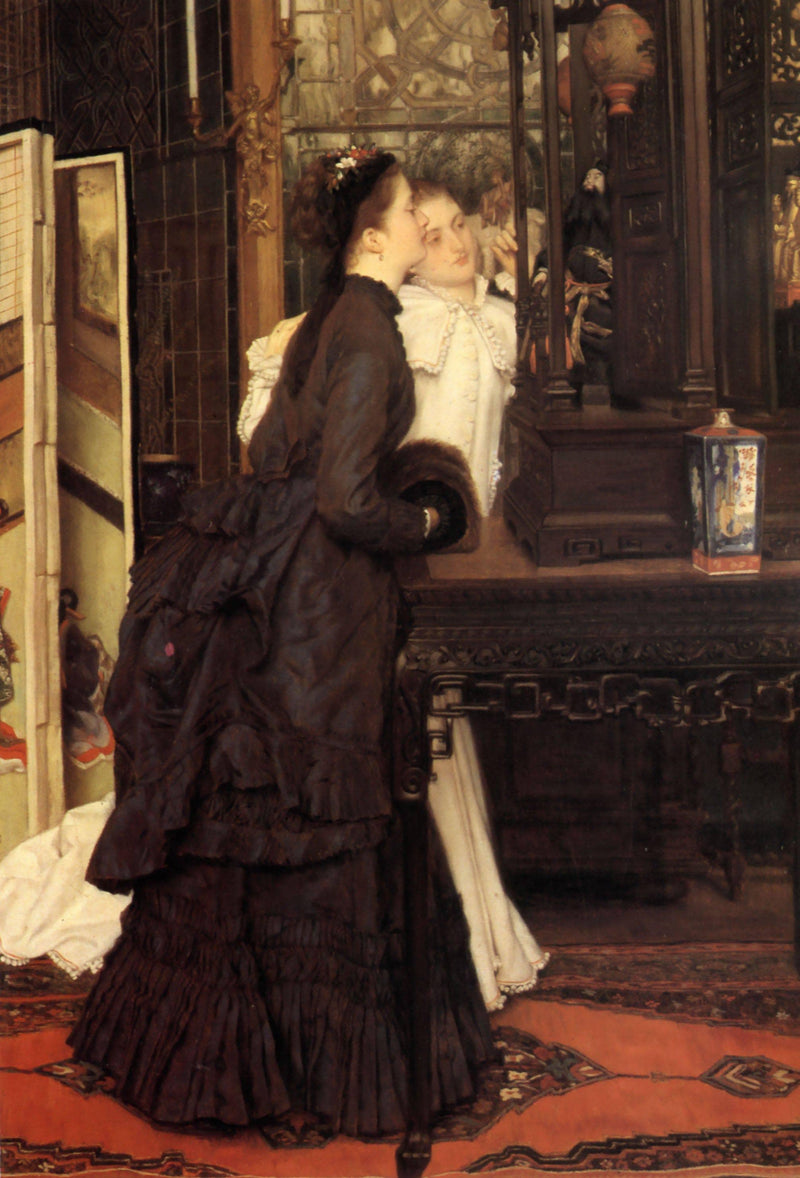
In the late 19th century, Japonisme emerged as a significant artistic movement in Europe. Artists like James Tissot embraced Japanese culture, incorporating its aesthetics into their works. This fascination with Japanese art was fueled by the opening of Japan to the West in 1854, leading to a surge of interest in its unique styles, motifs, and philosophies. Tissot's "Young Ladies Looking at Japanese Objects" exemplifies this cultural exchange, showcasing the delicate beauty of Japanese artifacts alongside Western sensibilities.
Japanese objects in Tissot's painting symbolize a bridge between cultures. The kimono, tea set, and other artifacts represent not just beauty but also the values of harmony and simplicity found in Japanese aesthetics. These elements invite viewers to reflect on the deeper meanings of cultural appreciation and the allure of the exotic, which captivated many Western artists of the time.
Tissot masterfully employs light and shadow to create depth and dimension in "Young Ladies Looking at Japanese Objects." His technique, known as chiaroscuro, enhances the three-dimensionality of the figures and objects. The soft, diffused light highlights the intricate details of the kimono fabric and the delicate porcelain of the tea set, drawing the viewer's eye to the focal points of the composition.
The color palette in Tissot's painting is rich and vibrant, filled with deep reds, soft blues, and earthy greens. Each color carries symbolic weight; for instance, red often signifies passion and vitality, while blue evokes tranquility and calmness. Tissot's careful selection of colors not only enhances the visual appeal but also conveys the emotional undertones of the scene, inviting viewers to engage with the narrative on a deeper level.
The young ladies in Tissot's painting are adorned in exquisite Victorian attire, showcasing the fashion trends of the era. Their dresses, characterized by intricate lace and flowing fabrics, reflect the social status and elegance of the time. This attention to detail in fashion not only highlights Tissot's skill as a painter but also serves as a commentary on the societal norms and expectations of women in the Victorian age.
Tissot captures the essence of his subjects through their expressions and gestures. The young ladies exhibit a range of emotions, from curiosity to contemplation, as they engage with the Japanese objects. Their poised stances and subtle facial expressions invite viewers to ponder their thoughts and feelings, creating a sense of intimacy and connection with the characters.
The kimono in Tissot's painting is not just a garment; it is a symbol of Japanese culture and tradition. Kimonos are known for their intricate designs and vibrant colors, often representing the wearer's status and personality. By including this iconic piece of clothing, Tissot pays homage to Japanese craftsmanship and the cultural significance of attire in Japan.
The tea set featured in the painting represents more than just an object; it embodies the Japanese tea ceremony, a ritual steeped in history and meaning. This ceremony emphasizes hospitality, respect, and mindfulness. Tissot's inclusion of the tea set invites viewers to appreciate the cultural practices surrounding tea in Japan, highlighting the importance of ritual in daily life.
James Tissot was born in Nantes, France, in 1836. He later moved to London, where he became a prominent figure in the art world. Tissot's journey from a young artist to a celebrated painter was marked by his ability to blend different cultural influences, particularly Japanese aesthetics, into his work. His experiences in both France and England shaped his artistic vision and style.
Tissot drew inspiration from various artists, including Gustave Courbet and Édouard Manet. Their innovative approaches to realism and color influenced Tissot's techniques. Additionally, the works of Japanese artists, such as Katsushika Hokusai, inspired Tissot's fascination with Japanese culture, leading him to incorporate these elements into his own art.
Tissot's work has left a lasting impact on the art world, particularly in how artists approach cultural representation. "Young Ladies Looking at Japanese Objects" continues to inspire contemporary artists to explore themes of cultural exchange and identity. Its legacy is evident in the way modern artists incorporate diverse influences into their work, reflecting the ongoing dialogue between cultures.
The original "Young Ladies Looking at Japanese Objects" is housed in the Brooklyn Museum in New York City. This museum is known for its extensive collection of American and European art, making it a must-visit for art lovers. Visitors can experience Tissot's masterpiece up close, appreciating the details and craftsmanship that define his work.
Throughout the year, various exhibitions celebrate the influence of Japanese art on Western artists, including Tissot. These events often feature discussions, workshops, and guided tours that delve into the cultural significance of Japanese aesthetics in art history. Attending these exhibitions provides a deeper understanding of the connections between cultures and the evolution of artistic expression.
This painting is significant as it represents the cultural exchange between Japan and the West during the 19th century. It highlights the fascination with Japanese aesthetics and the impact of Japonisme on Western art.
Tissot's work incorporates Japanese objects and themes, showcasing the admiration and curiosity that Western artists had for Japanese culture. This painting serves as a visual dialogue between two distinct cultures.
Tissot utilized chiaroscuro, a technique that contrasts light and shadow, to create depth. His careful attention to detail and use of color also contribute to the painting's three-dimensional effect.
The main themes in Tissot's work include cultural exchange, femininity, and the exploration of identity. His paintings often reflect the social dynamics of his time, particularly regarding women's roles in society.
Victorian society viewed Japanese culture with a mix of fascination and exoticism. The opening of Japan to the West sparked interest in its art, fashion, and customs, leading to a broader appreciation of Japanese aesthetics among the upper classes.
When purchasing a reproduction, consider the quality of materials used, the level of detail, and the artist's technique. Look for reproductions that capture the essence of the original painting, ensuring a faithful representation.
Choose a reputable seller who specializes in high-quality art reproductions. Look for reproductions that use oil painting techniques, as they provide a richer texture and depth compared to standard prints, making them a superior choice for art lovers.

Discover some of our latest oil paintings, each one carefully hand-painted on canvas.
At Art & See, we're committed to delivering the highest quality art reproductions. Our team of expert artists and state-of-the-art processes ensure that each piece is a masterpiece in its own right.

Experience your masterpiece's creation through daily photos from our expert artists, each with 15+ years of experience.

Your artwork travels first class via UPS, FedEx, or DHL, protected by museum-grade packaging for safe delivery.

Review unedited photos of your finished painting and request unlimited free revisions before it ships. We only ship when you say it's perfect.

Every piece is crafted with archival materials, UV-resistant finishes, and premium British paints to last generations.
Yes, 100% hand-painted with oil on canvas by artists with 15+ years of experience. No prints, no digital shortcuts. You'll see and feel real brushstrokes, just like the original James Tissot masterpiece.
Your Young Ladies Looking at Japanese Objects reproduction takes 2–5 weeks to hand-paint depending on size and detail. Once approved, shipping takes 5–8 days via FedEx, UPS, or DHL with full tracking. Free worldwide shipping included.
Absolutely. Once your Young Ladies Looking at Japanese Objects is complete, we send you unedited photos, a full view and close-up details. Request unlimited free revisions until you're 100% satisfied. We don't ship until you say "yes."
Every painting goes through our Preview & Approve process: you receive unedited photos of your finished James Tissot reproduction and can request unlimited free revisions before it ships. We only ship when you say it's perfect. If after delivery you have any concerns, contact us at [email protected] and our team will work with you on the best path forward.
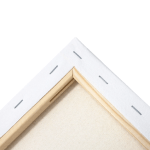
Professional-grade oil paints (Windsor & Newton) on premium linen canvas with UV-resistant protective coating. Museum-grade materials built to last generations, the same quality used in galleries worldwide.
Our artists specialize in James Tissot's technique: color accuracy, brushwork, and composition are matched to the original. Every reproduction goes through quality review before your approval photos are taken.
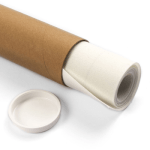
Every painting is insured and delivered door-to-door. Unframed paintings ship in protective hard tubes. Framed paintings are bubble-wrapped in sturdy boxes. If anything arrives damaged, we repair or replace it free.
Dive into the vibrant world of Historic Art. Discover your next painting today.