Jacopo Bellini's Masterpiece: An In-Depth Look at "Christ in the Grave"
Historical Context of "Christ in the Grave"
The Renaissance Era: Artistic Innovations and Spiritual Themes
The
Renaissance era, spanning from the 14th to the 17th century, marked a profound transformation in art, culture, and spirituality. Artists began to explore human emotion and divine themes with unprecedented depth. This period saw the rise of
realism, perspective, and a renewed interest in classical antiquity. "
Christ in the Grave" embodies these innovations, showcasing the intricate balance between human suffering and divine hope.
Jacopo Bellini: A Pioneer of Venetian Painting
Jacopo Bellini (c. 1400-1470) stands as a pivotal figure in Venetian painting. He is often credited with laying the groundwork for the Venetian school, influencing artists like his sons, Gentile and Giovanni. Bellini's work reflects a unique blend of Gothic and Renaissance styles, characterized by rich colors and emotional depth. His ability to convey spiritual narratives through art set a new standard for
religious iconography.
Influences of Religious Iconography in Bellini's Work
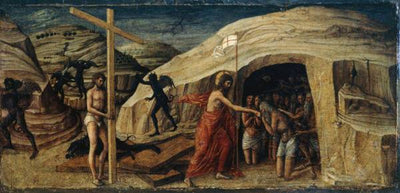
Religious themes dominate Bellini's oeuvre, with "Christ in the Grave" serving as a prime example. The painting draws on biblical narratives, particularly the Passion of Christ. Bellini's use of iconography, such as the figures of mourning
angels and the somber grave, invites viewers to reflect on themes of sacrifice and redemption. This work resonates with the spiritual fervor of the time, making it a significant piece in the study of
religious art.
Visual Analysis of "Christ in the Grave"
Composition and Layout: The Arrangement of Figures
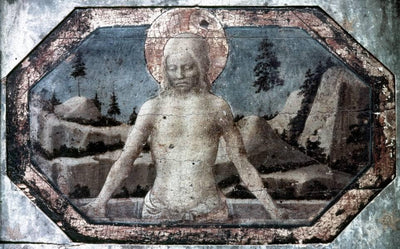
In "Christ in the Grave," Bellini masterfully arranges figures to create a poignant scene. The central figure of Christ lies in a tomb, surrounded by mourners, each expressing deep sorrow. The composition draws the viewer's eye to Christ, emphasizing his significance. The careful placement of figures enhances the emotional weight of the scene, inviting contemplation on loss and faith.
Color Palette: Symbolism of Light and Shadow
Bellini's color palette in "Christ in the Grave" is rich and evocative. He employs deep blues and earthy tones to convey a sense of mourning. The contrast between light and shadow symbolizes the tension between despair and hope. The soft illumination on Christ's body suggests divinity, while the darker hues surrounding the figures evoke the gravity of death. This interplay of colors enhances the painting's emotional impact.
Textural Elements: The Use of Oil Paint in Detail
The oil paint technique used by Bellini allows for remarkable detail and texture. The smooth application creates lifelike skin tones and intricate fabric patterns. This attention to detail brings the figures to life, making their emotions palpable. The texture of the oil paint also adds depth, inviting viewers to explore the nuances of the scene. This mastery of oil painting sets Bellini apart from his contemporaries.
Thematic Exploration: Death and Resurrection in Art
Symbolism of the Grave: A Reflection on Mortality
The grave in Bellini's painting serves as a powerful symbol of mortality. It represents the finality of death, yet it also hints at the promise of resurrection. This duality invites viewers to reflect on their own beliefs about life and death. The grave becomes a space for contemplation, urging the audience to consider the transient
nature of existence.
Contrasts of Light and Dark: Hope Amidst Despair
Bellini's use of light and dark contrasts in "Christ in the Grave" creates a dynamic tension. The light illuminating Christ's figure suggests hope and divine presence, while the surrounding darkness embodies grief and loss. This interplay reflects the Christian belief in resurrection, offering a message of hope even in the face of despair. The painting captures the complexity of human emotions during times of mourning.
Emotional Resonance: Capturing Grief and Reverence
The emotional resonance of "Christ in the Grave" is profound. Bellini captures the raw grief of the figures surrounding Christ, each face telling a story of sorrow and reverence. This ability to convey deep emotion connects viewers to the painting on a personal level. The scene evokes empathy, allowing audiences to engage with the themes of loss and faith in a meaningful way.
Jacopo Bellini's Techniques: A Closer Look at His Craftsmanship
Layering and Glazing: The Secrets Behind the Depth
Bellini's technique of layering and glazing is crucial to the depth of "Christ in the Grave." He builds up layers of paint to create a rich, luminous effect. This method allows for subtle variations in color and tone, enhancing the three-dimensionality of the figures. The careful application of glazes adds a sense of realism, making the scene feel alive.
Brushwork and Detail: Capturing Human Emotion
The brushwork in "Christ in the Grave" is both delicate and expressive. Bellini's precise strokes capture the nuances of human emotion, from the sorrowful expressions of the mourners to the serene visage of Christ. This attention to detail invites viewers to connect with the figures on an emotional level, making the painting a powerful exploration of grief and reverence.
Innovative Use of Perspective: Creating a Sense of Space
Bellini's innovative use of perspective in "Christ in the Grave" creates a convincing sense of space. He employs a slight foreshortening technique, drawing the viewer into the scene. This spatial arrangement enhances the realism of the painting, making it feel as though one could step into the moment. Bellini's mastery of perspective sets a precedent for future artists in the Venetian school.
Comparative Analysis: "Christ in the Grave" and Other Works
Similarities with Other Renaissance Masters
"Christ in the Grave" shares thematic and stylistic similarities with works by other Renaissance masters, such as
Michelangelo and
Raphael. Like these artists, Bellini explores the human condition through religious narratives. The emotional depth and attention to detail in Bellini's painting resonate with the broader trends of the Renaissance, showcasing the era's artistic innovations.
Contrasting Themes in Bellini's Other Paintings
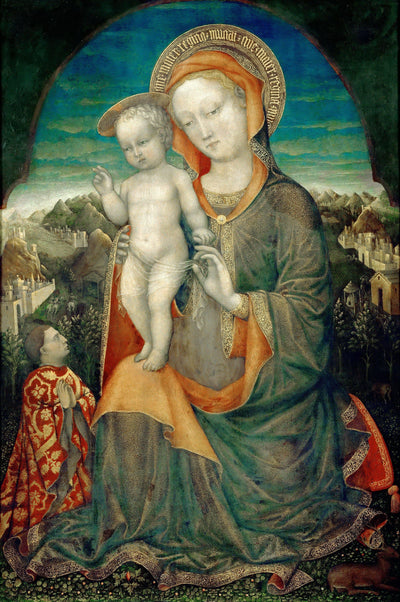
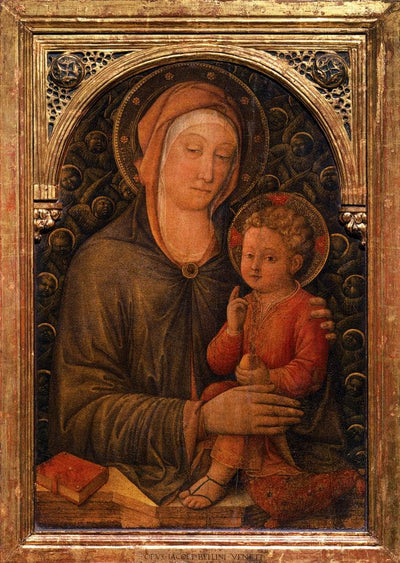
While "Christ in the Grave" focuses on themes of death and mourning, other works by Bellini explore different aspects of spirituality. For instance, his "Madonna and Child" emphasizes joy and divine love. This contrast highlights Bellini's versatility as an artist, capable of capturing a wide range of human experiences and emotions.
Influence on Future Generations of Artists
Bellini's impact on future generations of artists is undeniable. His techniques and thematic explorations influenced the likes of
Titian and Veronese. The emotional depth and innovative use of color and perspective in "Christ in the Grave" set a standard for religious art that continues to inspire artists today. Bellini's legacy endures through the works of those who followed in his footsteps.
Legacy of "Christ in the Grave": Impact on Art and Culture
Reception Through the Ages: From Creation to Modern Day
Since its creation, "Christ in the Grave" has garnered significant attention and admiration. Art critics and historians recognize it as a pivotal work in the evolution of religious art. Its emotional depth and technical mastery have made it a subject of study in art history courses. The painting continues to resonate with audiences, reflecting timeless themes of faith and loss.
Influence on Religious Art and Iconography
"Christ in the Grave" has profoundly influenced religious art and iconography. Its portrayal of Christ in a moment of vulnerability challenges traditional representations of divinity. This approach has inspired countless artists to explore similar themes, leading to a richer understanding of the human experience in relation to the divine. Bellini's work remains a cornerstone in the study of religious iconography.
Preservation and Restoration Efforts: Keeping the Legacy Alive
Efforts to preserve and restore "Christ in the Grave" ensure that future generations can appreciate its beauty and significance. Art conservators work diligently to maintain the painting's integrity, addressing issues such as fading colors and surface damage. These preservation efforts highlight the importance of Bellini's work in the art world, ensuring that his legacy endures for years to come.
Frequently Asked Questions about "Christ in the Grave"
What is the significance of the figures surrounding Christ in the painting?
The figures surrounding Christ in "Christ in the Grave" represent various aspects of grief and reverence. Each character embodies a different emotional response to Christ's death, inviting viewers to reflect on their own feelings about loss and faith.
How does "Christ in the Grave" reflect the values of the Renaissance?
"Christ in the Grave" reflects Renaissance values through its focus on human emotion, realism, and spiritual themes. The painting captures the complexity of the human experience, showcasing the era's artistic innovations and deepening understanding of religious narratives.
What techniques did Jacopo Bellini use to create depth in this painting?
Bellini employed layering and glazing techniques to create depth in "Christ in the Grave." By building up layers of oil paint, he achieved a rich, luminous effect that enhances the three-dimensionality of the figures and the overall composition.
How has "Christ in the Grave" influenced modern interpretations of religious art?
"Christ in the Grave" has influenced modern interpretations of religious art by challenging traditional depictions of divinity. Its emotional depth and focus on human vulnerability have inspired contemporary artists to explore similar themes, leading to a more nuanced understanding of spirituality.
What are the main themes explored in "Christ in the Grave"?
The main themes explored in "Christ in the Grave" include death, mourning, and the promise of resurrection. The painting invites viewers to reflect on the complexities of grief and the hope that can emerge from loss.
FAQs about the Painting Reproduction
How can I ensure the reproduction captures the essence of the original painting?
To ensure the reproduction captures the essence of "Christ in the Grave," choose a high-quality painting reproduction that uses oil paints. Look for reproductions that emphasize detail, color accuracy, and texture to reflect Bellini's original techniques.
What should I consider when displaying a reproduction of "Christ in the Grave"?
When displaying a reproduction of "Christ in the Grave," consider the lighting and placement. Position the artwork in a well-lit area to highlight its colors and details. Additionally, choose a frame that complements the painting's style and enhances its visual impact.
Are there different styles of reproductions available for this painting?
Yes, there are various styles of reproductions available for "Christ in the Grave." You can find traditional oil painting reproductions that closely mimic Bellini's techniques, as well as modern interpretations that may incorporate different artistic styles. Choose a reproduction that resonates with your personal taste and complements your decor.
 4.9/5
4.9/5