 4.9/5
4.9/5







SAMPLES OF QUALITY
Recent Hand-Painted Reproductions
Discover some of our latest oil paintings, each one carefully hand-painted on canvas.

AS SEEN IN





Handmade Oil Painting on Canvas Art Reproduction, Museum-quality

The six dominant colors measured from the painting, with the share of canvas each one covers. Click a swatch to copy its hex code.
Processing & Shipping Time
Your delivery time includes two parts:
Shipping Methods
We ship with trusted couriers like FedEx, UPS, and DHL. Every shipment includes a tracking code.
Our goal is to deliver your order safely and quickly.
Shipment Safety Measures
We handle your products with care so they arrive in perfect condition:
Every product is insured and delivered right to your door, so you can feel confident buying from us.
Every Art & See painting is created by artists with 15+ years of experience using professional-grade oil paints and premium linen canvas with UV-resistant protective coating, the same museum-grade materials used in galleries worldwide. Each piece goes through quality review before your approval photos are taken. If after delivery you have any concerns about your painting, contact us at [email protected] and our team will work with you on the best path forward.
Full Warranty
Every painting is protected against physical damage during shipping. If your painting arrives damaged, we repair or replace it, free of charge.
Coverage Details
Transit damage (crushed, torn, water damage): we repair or replace at no cost. Please note that damages resulting from accidents or inappropriate use are not covered under this warranty.
Repair or Replace
Depending on the extent of damage, the affected painting will either be repaired or replaced at no additional cost to you.
Free Service
All warranty services are provided absolutely free of charge.
We want you to absolutely love your handmade artwork. Here's how it works:
In the rare case you approve the photos and the artwork has been shipped and delivered to you, and you still want additional modification requests, we can handle it as a courtesy at our discretion. If accepted, you cover the return shipping cost.
| Type | Hand-Painted Oil Painting Reproduction |
| Original Artist | Henri de Toulouse-Lautrec |
| Price Range | $350 to $1,150 |
| Shipping | Free Worldwide |
| Quality | Preview & Approve Before Shipping |
| Medium | Oil on Canvas |
| Canvas | Museum-Grade Linen Canvas |
| Technique | Hand-painted brushstroke-by-brushstroke |
| Art Style | Post Impressionism |
| Period | 19th Century |
| Artist Nationality | French |
| Orientation | Vertical |
| Subject | Portraits, Portraits female, Portraits male |
| Available Sizes | 7 (15'' W × 21'' H to 49'' W × 69'' H, including the original size), plus custom sizes |
| Framing Options | Unframed, Stretched Canvas, Classic & Modern Frames |
| Delivery | 14–28 business days |
The Belle Époque, spanning from the late 19th century to the early 20th century, was a vibrant period in French history. This era was marked by artistic innovation, technological advancements, and a flourishing of the arts. Paris became the epicenter of culture, where cabarets, theaters, and art galleries thrived. The Moulin Rouge, a famous cabaret, epitomized this lively atmosphere, showcasing performers who captivated audiences with their talent and charisma.
Henri de Toulouse-Lautrec was born in 1864 into an aristocratic family. Despite his noble lineage, he faced physical challenges due to a genetic disorder that stunted his growth. This adversity fueled his passion for art, leading him to capture the essence of Parisian nightlife. Toulouse-Lautrec's unique perspective allowed him to portray the vibrant world of cabaret and its performers with authenticity and empathy.
Montmartre, the bohemian district of Paris, played a crucial role in shaping Toulouse-Lautrec's artistic vision. The area was a melting pot of artists, writers, and performers, all seeking inspiration. The lively streets and bustling cafés provided a backdrop for his work, allowing him to explore themes of identity, performance, and the human experience. His connection to Montmartre is evident in his dynamic compositions and bold use of color.
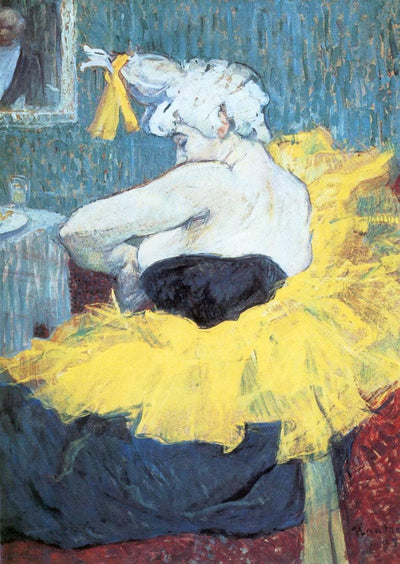
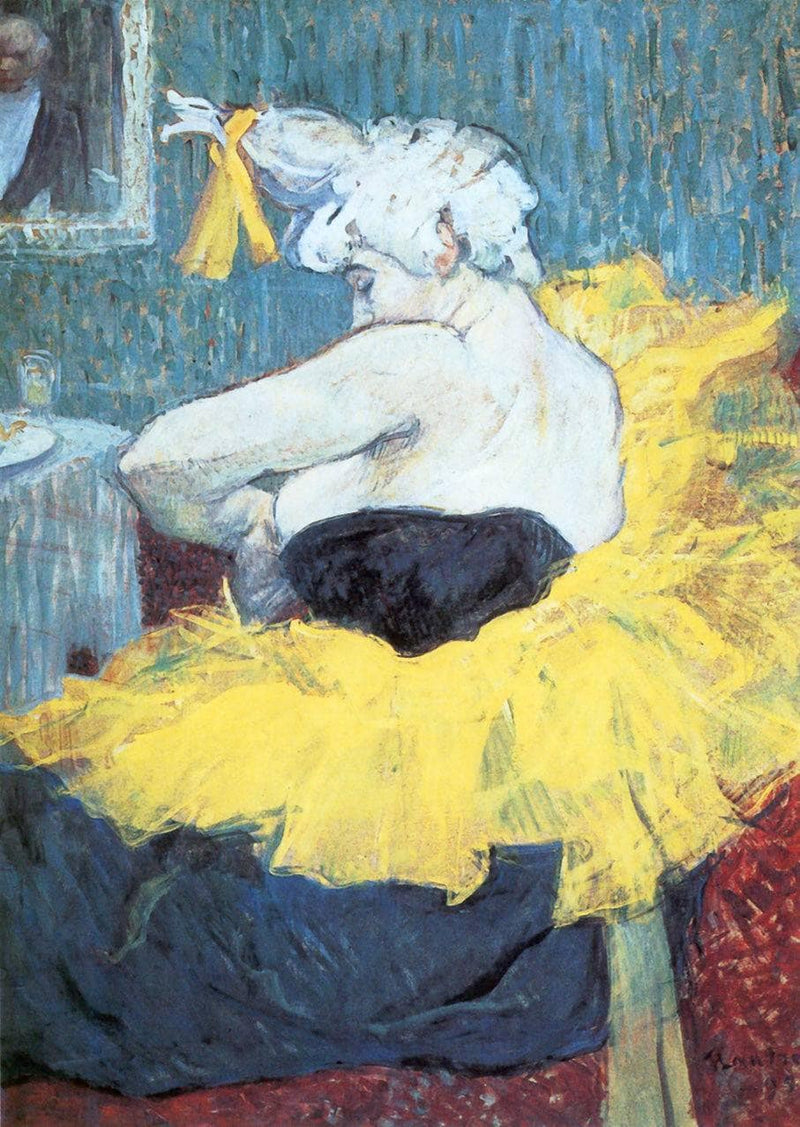
Cha u Kao was a captivating clownesse who performed at the Moulin Rouge, known for her unique blend of humor and grace. She was a symbol of the era's fascination with the exotic and the theatrical. Her performances combined elements of traditional clowning with a distinct flair, making her a beloved figure among audiences. Toulouse-Lautrec's portrayal of her captures her essence, showcasing her vibrant personality and the allure of her performances.
Clownesses like Cha u Kao played a vital role in the cabaret culture of Paris. They were not just entertainers; they were artists who challenged societal norms and expectations. Their performances often included satire and social commentary, reflecting the complexities of life in the city. This duality made them both relatable and intriguing, allowing them to connect with audiences on a deeper level.
In Toulouse-Lautrec's painting, Cha u Kao embodies the spirit of the Belle Époque. She represents the intersection of art and entertainment, showcasing the vibrant nightlife of Paris. The painting captures her playful yet poignant nature, symbolizing the struggles and triumphs of women in the arts during this transformative period. Her presence in the artwork invites viewers to explore the deeper meanings behind her performance.
Toulouse-Lautrec's brushwork in The Clownesse Cha u Kao is both expressive and dynamic. He employs bold strokes and a vivid color palette that brings the scene to life. The rich reds, deep blues, and bright yellows create a sense of energy and movement, drawing the viewer's eye to the central figure. This vibrant use of color enhances the emotional impact of the painting, making it a feast for the senses.
The composition of The Clownesse Cha u Kao is masterfully crafted. Toulouse-Lautrec uses diagonal lines and asymmetrical balance to guide the viewer's gaze toward Cha u Kao. The background elements, including the audience and stage, frame her figure, emphasizing her importance in the scene. This thoughtful arrangement creates a sense of intimacy, allowing viewers to feel as if they are part of the performance.
Light and shadow play a crucial role in conveying emotion in The Clownesse Cha u Kao. Toulouse-Lautrec skillfully contrasts bright highlights with deep shadows, creating a dramatic effect. This technique not only adds depth to the painting but also enhances the emotional resonance of Cha u Kao's expression. The interplay of light and shadow invites viewers to connect with her on a personal level, evoking feelings of joy and nostalgia.
The theme of performance and identity is central to The Clownesse Cha u Kao. Cha u Kao embodies the duality of being both a performer and an individual. Her clown persona allows her to express herself freely while also navigating the expectations of society. This complexity reflects the broader struggles of women in the arts, who often had to balance personal aspirations with societal roles.
Toulouse-Lautrec's painting captures the essence of cabaret life in Paris. The vibrant atmosphere, filled with laughter and music, is palpable in the artwork. It serves as a window into a world where entertainment flourished, and performers like Cha u Kao became icons. This glimpse into cabaret culture highlights the importance of art in shaping social experiences and community connections.
The Clownesse Cha u Kao also addresses the role of women in the arts during the Belle Époque. Women performers often faced challenges in a male-dominated industry. Toulouse-Lautrec's portrayal of Cha u Kao elevates her status, celebrating her talent and resilience. This representation encourages viewers to reflect on the evolving roles of women in society and the arts.
The impact of The Clownesse Cha u Kao extends beyond its time. Toulouse-Lautrec's innovative approach to capturing performers influenced future generations of artists. His ability to blend realism with expressive techniques paved the way for modern art movements. Artists continue to draw inspiration from his work, exploring themes of identity and performance in their own creations.
Contemporary artists often revisit the themes present in The Clownesse Cha u Kao. They explore the complexities of performance and identity in today's society, drawing parallels to Toulouse-Lautrec's original vision. This ongoing dialogue between past and present highlights the timeless nature of his work and its relevance in contemporary art discussions.
The Clownesse Cha u Kao holds a significant place in art history, with its presence in prestigious museums and collections around the world. Art enthusiasts and scholars alike admire this masterpiece for its historical context and artistic merit. Its continued display in galleries ensures that future generations can appreciate Toulouse-Lautrec's genius and the vibrant world he depicted.
Toulouse-Lautrec was inspired by the lively performances at the Moulin Rouge, particularly the unique character of Cha u Kao. Her vibrant personality and the energy of cabaret life captivated him, prompting him to immortalize her in this painting.
The painting reflects the cultural renaissance of the Belle Époque, showcasing the importance of entertainment and the arts in Parisian society. It captures the spirit of the era, where performers like Cha u Kao became symbols of creativity and expression.
Toulouse-Lautrec employed a combination of bold brushwork, a vibrant color palette, and dramatic contrasts of light and shadow. These techniques create a dynamic composition that draws viewers into the world of the cabaret.
The colors in The Clownesse Cha u Kao are significant as they evoke emotion and energy. The bright hues reflect the lively atmosphere of the cabaret, while the contrasts enhance the depth and drama of the scene.
Art critics have praised The Clownesse Cha u Kao for its innovative approach and emotional depth. It is regarded as a quintessential example of Toulouse-Lautrec's ability to capture the essence of performance and identity.
Notable features of The Clownesse Cha u Kao include its vibrant color palette, dynamic composition, and the expressive portrayal of Cha u Kao. The painting's ability to convey emotion and energy makes it a standout work in Toulouse-Lautrec's oeuvre.
To appreciate the nuances of The Clownesse Cha u Kao, take time to observe the details in the brushwork, color choices, and composition. Consider the historical context and the themes of performance and identity that Toulouse-Lautrec explores in this masterpiece.
When seeking a quality reproduction of The Clownesse Cha u Kao, look for vibrant colors, accurate brushwork, and attention to detail. A high-quality reproduction should capture the essence of the original artwork, allowing you to experience its beauty in your own space.
Reproductions of The Clownesse Cha u Kao can capture the essence of the original artwork through careful attention to color, texture, and composition. Unlike prints, which may lack depth, oil painting reproductions provide a richer, more authentic experience that mirrors the original's vibrancy.
Yes, there are various styles of reproductions available for The Clownesse Cha u Kao. You can find traditional oil painting reproductions that closely mimic the original, as well as modern interpretations that may incorporate different techniques or styles. Each offers a unique way to appreciate Toulouse-Lautrec's masterpiece.

Discover some of our latest oil paintings, each one carefully hand-painted on canvas.
At Art & See, we're committed to delivering the highest quality art reproductions. Our team of expert artists and state-of-the-art processes ensure that each piece is a masterpiece in its own right.

Experience your masterpiece's creation through daily photos from our expert artists, each with 15+ years of experience.

Your artwork travels first class via UPS, FedEx, or DHL, protected by museum-grade packaging for safe delivery.

Review unedited photos of your finished painting and request unlimited free revisions before it ships. We only ship when you say it's perfect.

Every piece is crafted with archival materials, UV-resistant finishes, and premium British paints to last generations.
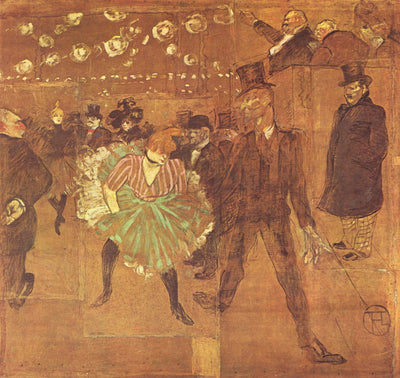
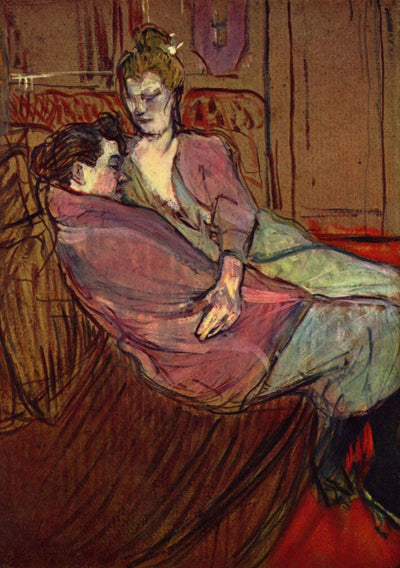
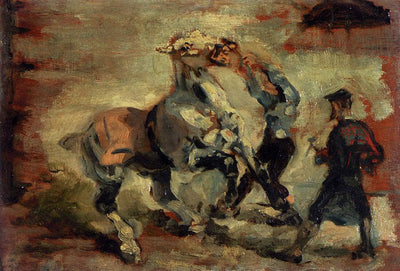
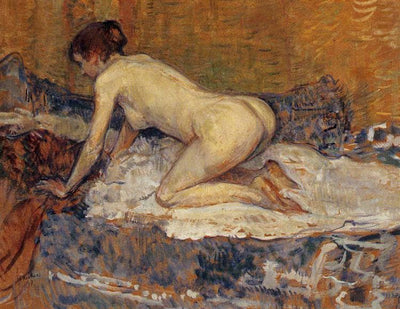
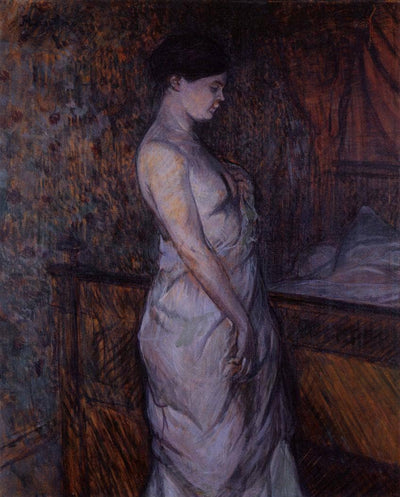
Yes, 100% hand-painted with oil on canvas by artists with 15+ years of experience. No prints, no digital shortcuts. You'll see and feel real brushstrokes, just like the original Henri de Toulouse-Lautrec masterpiece.
Your The clownesse Cha u Kao at the Moulin Rouge reproduction takes 2–5 weeks to hand-paint depending on size and detail. Once approved, shipping takes 5–8 days via FedEx, UPS, or DHL with full tracking. Free worldwide shipping included.
Absolutely. Once your The clownesse Cha u Kao at the Moulin Rouge is complete, we send you unedited photos, a full view and close-up details. Request unlimited free revisions until you're 100% satisfied. We don't ship until you say "yes."
Every painting goes through our Preview & Approve process: you receive unedited photos of your finished Henri de Toulouse-Lautrec reproduction and can request unlimited free revisions before it ships. We only ship when you say it's perfect. If after delivery you have any concerns, contact us at [email protected] and our team will work with you on the best path forward.
Professional-grade oil paints (Windsor & Newton) on premium linen canvas with UV-resistant protective coating. Museum-grade materials built to last generations, the same quality used in galleries worldwide.
Our artists specialize in Henri de Toulouse-Lautrec's technique: color accuracy, brushwork, and composition are matched to the original. Every reproduction goes through quality review before your approval photos are taken.
Every painting is insured and delivered door-to-door. Unframed paintings ship in protective hard tubes. Framed paintings are bubble-wrapped in sturdy boxes. If anything arrives damaged, we repair or replace it free.
Dive into the vibrant world of Historic Art. Discover your next painting today.
