 4.9/5
4.9/5





SAMPLES OF QUALITY
Recent Hand-Painted Reproductions
Discover some of our latest oil paintings, each one carefully hand-painted on canvas.

AS SEEN IN





Handmade Oil Painting on Canvas Art Reproduction, Museum-quality

The six dominant colors measured from the painting, with the share of canvas each one covers. Click a swatch to copy its hex code.
Processing & Shipping Time
Your delivery time includes two parts:
Shipping Methods
We ship with trusted couriers like FedEx, UPS, and DHL. Every shipment includes a tracking code.
Our goal is to deliver your order safely and quickly.
Shipment Safety Measures
We handle your products with care so they arrive in perfect condition:
Every product is insured and delivered right to your door, so you can feel confident buying from us.
Every Art & See painting is created by artists with 15+ years of experience using professional-grade oil paints and premium linen canvas with UV-resistant protective coating, the same museum-grade materials used in galleries worldwide. Each piece goes through quality review before your approval photos are taken. If after delivery you have any concerns about your painting, contact us at [email protected] and our team will work with you on the best path forward.
Full Warranty
Every painting is protected against physical damage during shipping. If your painting arrives damaged, we repair or replace it, free of charge.
Coverage Details
Transit damage (crushed, torn, water damage): we repair or replace at no cost. Please note that damages resulting from accidents or inappropriate use are not covered under this warranty.
Repair or Replace
Depending on the extent of damage, the affected painting will either be repaired or replaced at no additional cost to you.
Free Service
All warranty services are provided absolutely free of charge.
We want you to absolutely love your handmade artwork. Here's how it works:
In the rare case you approve the photos and the artwork has been shipped and delivered to you, and you still want additional modification requests, we can handle it as a courtesy at our discretion. If accepted, you cover the return shipping cost.
| Type | Hand-Painted Oil Painting Reproduction |
| Original Artist | Henri de Toulouse-Lautrec |
| Price Range | $350 to $1,150 |
| Shipping | Free Worldwide |
| Quality | Preview & Approve Before Shipping |
| Medium | Oil on Canvas |
| Canvas | Museum-Grade Linen Canvas |
| Technique | Hand-painted brushstroke-by-brushstroke |
| Art Style | Art Nouveau Modern |
| Period | 19th Century |
| Artist Nationality | French |
| Orientation | Vertical |
| Subject | Portraits, Portraits female, Portraits male |
| Available Sizes | 8 (16'' W × 20'' H to 53'' W × 66'' H, including the original size), plus custom sizes |
| Framing Options | Unframed, Stretched Canvas, Classic & Modern Frames |
| Delivery | 14–28 business days |
| Size | 45.3 × 56.7 cm (18 × 22.5 in) |
| Year | 1895 |
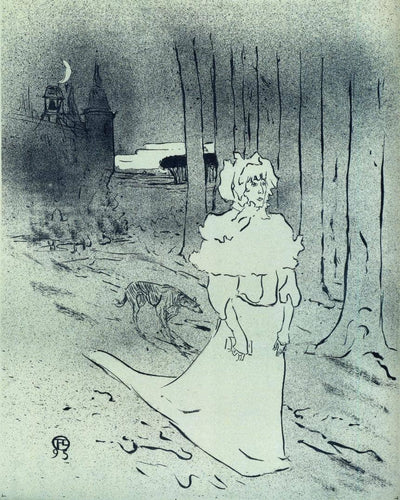
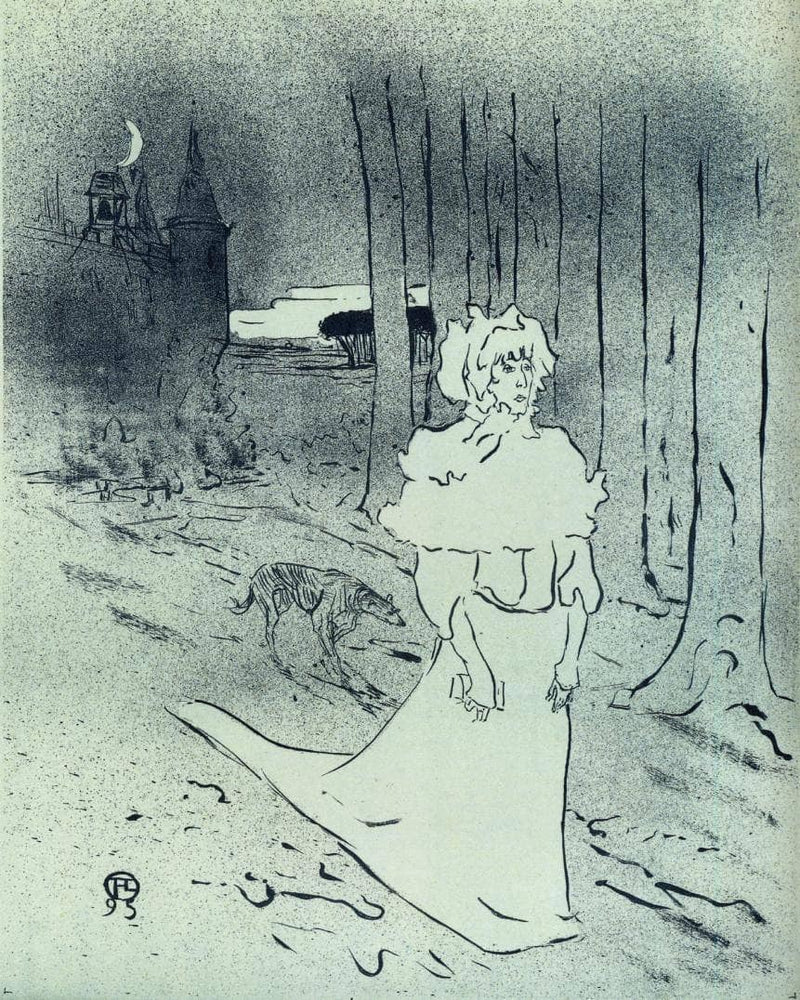
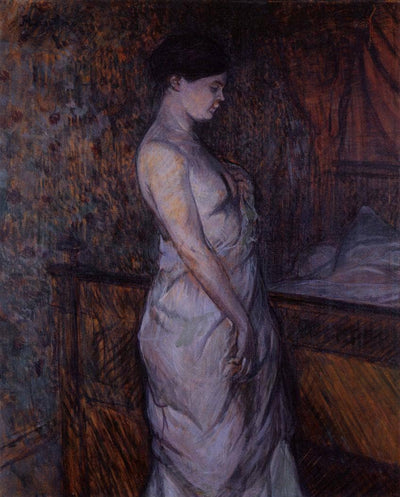
The Chatelaine, also known as The Tocsin, was created during the Belle Époque, a vibrant period in French history from the late 19th century to the early 20th century. This era was marked by artistic innovation, social change, and a flourishing of culture. Paris became the epicenter of art, fashion, and entertainment, attracting artists, writers, and intellectuals from around the world. Toulouse-Lautrec's work reflects the excitement and complexity of this time, capturing the essence of Parisian life.
Henri de Toulouse-Lautrec developed a distinctive style that blended realism with a touch of caricature. His ability to convey emotion and movement through bold lines and vivid colors set him apart from his contemporaries. In The Chatelaine, he skillfully combines these elements to create a striking portrayal of a woman, emphasizing her elegance and poise. This painting exemplifies how Toulouse-Lautrec transformed everyday scenes into captivating works of art.
The vibrant nightlife of Paris heavily influenced Toulouse-Lautrec's art. He often frequented cabarets, theaters, and dance halls, where he observed the lives of performers and patrons. The Chatelaine captures the allure of this nightlife, showcasing a woman who embodies the spirit of the era. The painting reflects the social dynamics and cultural shifts of the time, making it a significant piece in understanding the artist's perspective.
The color palette of The Chatelaine is a masterful blend of warm and cool tones. Rich reds and soft blues create a dynamic contrast that draws the viewer's eye. The warm colors evoke feelings of passion and intimacy, while the cooler shades add depth and sophistication. This interplay of colors enhances the emotional resonance of the painting, inviting viewers to connect with the subject on a personal level.
Toulouse-Lautrec employed innovative composition techniques in The Chatelaine. The arrangement of the figure within the frame creates a sense of balance and harmony. The slight tilt of the woman's head and the flowing lines of her dress suggest movement, bringing the painting to life. This dynamic composition reflects the energy of the Belle Époque, making the viewer feel as if they are part of the scene.
The Chatelaine is a powerful representation of femininity. Toulouse-Lautrec's portrayal of the woman highlights her grace and strength. The delicate details of her attire and the confident posture convey a sense of empowerment. This focus on the female form is a recurring theme in Toulouse-Lautrec's work, showcasing his admiration for women and their roles in society.
The term "chatelaine" refers to a woman who holds a position of authority, often associated with nobility. In this painting, the subject's attire and demeanor symbolize her social status and influence. Toulouse-Lautrec uses this symbolism to comment on the roles of women in society, particularly during the transformative years of the Belle Époque.
Toulouse-Lautrec's art often explores the complexities of gender roles. In The Chatelaine, he presents a woman who is both elegant and assertive, challenging traditional notions of femininity. This portrayal reflects the changing attitudes towards women in the late 19th century, as they began to assert their independence and redefine their identities.
The emotional depth of The Chatelaine is palpable. Toulouse-Lautrec captures the essence of the subject, inviting viewers to feel her presence. The subtle expressions and body language convey a range of emotions, from confidence to vulnerability. This ability to evoke feelings is a hallmark of Toulouse-Lautrec's work, making his paintings resonate with audiences across generations.
Henri de Toulouse-Lautrec was born in 1864 into an aristocratic family in Albi, France. Despite his noble lineage, he faced physical challenges due to a genetic disorder that stunted his growth. These struggles shaped his perspective and fueled his passion for art. He moved to Paris to pursue his artistic career, where he became immersed in the vibrant culture of the city.
Toulouse-Lautrec's health issues profoundly impacted his life and work. His physical limitations often led him to feel isolated, but they also deepened his empathy for the marginalized individuals he portrayed. This connection to the underbelly of Parisian society is evident in The Chatelaine, where he captures the beauty and complexity of his subjects with sensitivity and insight.
Toulouse-Lautrec's innovative approach to art left a lasting legacy. He broke away from traditional artistic conventions, paving the way for modern art movements. His focus on everyday life and the human experience influenced countless artists who followed. The Chatelaine stands as a testament to his unique vision and enduring impact on the art world.
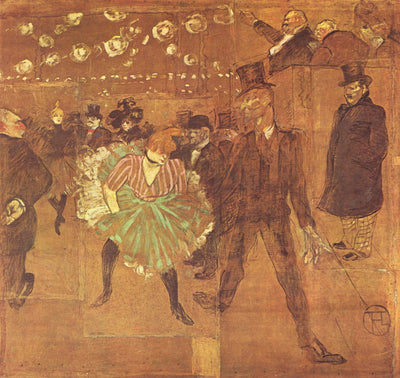
When comparing The Chatelaine to At the Moulin Rouge, one can see distinct stylistic differences. While both paintings feature women in vibrant settings, The Chatelaine focuses on a single figure, emphasizing her individuality. In contrast, At the Moulin Rouge captures the bustling atmosphere of nightlife, showcasing multiple characters and their interactions.
Women are central to Toulouse-Lautrec's portfolio, appearing in various roles and settings. The Chatelaine exemplifies his fascination with femininity, while other works, such as La Toilette, explore different aspects of women's lives. This recurring motif highlights his deep appreciation for the complexity of women's experiences in a rapidly changing society.
Throughout his career, Toulouse-Lautrec's technique evolved significantly. Early works display a more traditional approach, while later pieces, including The Chatelaine, showcase his mastery of color and form. This evolution reflects his growing confidence as an artist and his desire to push the boundaries of artistic expression.
Experiencing The Chatelaine in person is a captivating experience. The vibrant colors and intricate details draw viewers in, creating an intimate connection with the subject. Standing before the painting, one can appreciate the skill and emotion that Toulouse-Lautrec infused into his work, making it a memorable encounter.
The Chatelaine evokes a range of emotions, from admiration to nostalgia. The subject's confident gaze invites viewers to reflect on their own experiences and perceptions of femininity. This emotional connection is a testament to Toulouse-Lautrec's ability to transcend time and resonate with audiences today.
To fully appreciate The Chatelaine, one must consider the nuances of Toulouse-Lautrec's style. His use of color, composition, and subject matter all contribute to the painting's impact. By exploring these elements, viewers can gain a deeper understanding of the artist's intentions and the cultural context in which he worked.
The Chatelaine is significant as it encapsulates the spirit of the Belle Époque, reflecting the social dynamics and cultural shifts of the time. It serves as a visual commentary on women's roles in society and the changing perceptions of femininity.
The painting highlights the complexities of social status and gender roles during the late 19th century. Toulouse-Lautrec's portrayal of the subject as both elegant and assertive challenges traditional views of women, making a statement about their evolving identities.
Toulouse-Lautrec employed techniques such as bold line work, a vibrant color palette, and dynamic composition to create The Chatelaine. His ability to capture emotion and movement adds depth to the painting, making it a compelling work of art.
The main themes in The Chatelaine include femininity, social status, and the exploration of gender roles. Toulouse-Lautrec's focus on the subject's strength and elegance reflects the changing attitudes towards women during the Belle Époque.
Compared to other works, such as At the Moulin Rouge, The Chatelaine offers a more intimate portrayal of a single figure. While both paintings feature women, The Chatelaine emphasizes individuality, whereas At the Moulin Rouge captures the lively atmosphere of Parisian nightlife.
When purchasing a reproduction of The Chatelaine, consider the quality of the materials used, the level of detail, and the artist's techniques. A high-quality painting reproduction will capture the essence of the original artwork, providing a more authentic experience than a simple print.
To ensure the quality of a reproduction, look for reputable art reproduction companies that specialize in oil painting reproductions. Check for customer reviews and request samples if possible. A well-crafted reproduction will reflect the vibrancy and detail of Toulouse-Lautrec's original work.

Discover some of our latest oil paintings, each one carefully hand-painted on canvas.
At Art & See, we're committed to delivering the highest quality art reproductions. Our team of expert artists and state-of-the-art processes ensure that each piece is a masterpiece in its own right.

Experience your masterpiece's creation through daily photos from our expert artists, each with 15+ years of experience.

Your artwork travels first class via UPS, FedEx, or DHL, protected by museum-grade packaging for safe delivery.

Review unedited photos of your finished painting and request unlimited free revisions before it ships. We only ship when you say it's perfect.

Every piece is crafted with archival materials, UV-resistant finishes, and premium British paints to last generations.
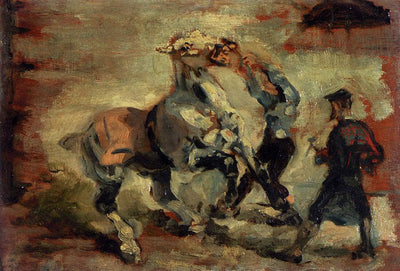
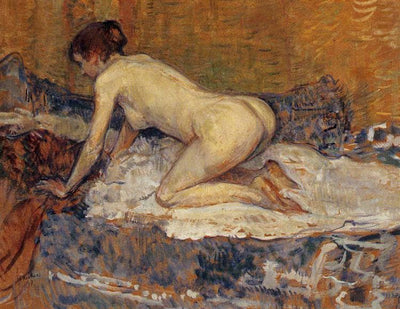
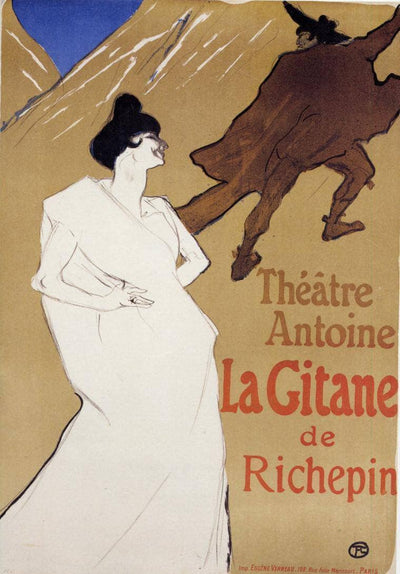
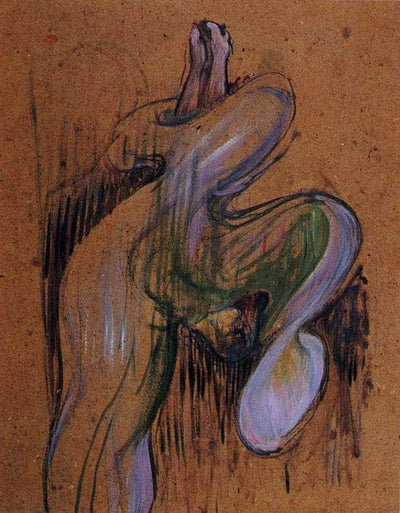
Yes, 100% hand-painted with oil on canvas by artists with 15+ years of experience. No prints, no digital shortcuts. You'll see and feel real brushstrokes, just like the original Henri de Toulouse-Lautrec masterpiece.
Your The Chatelaine (The Tocsin) reproduction takes 2–5 weeks to hand-paint depending on size and detail. Once approved, shipping takes 5–8 days via FedEx, UPS, or DHL with full tracking. Free worldwide shipping included.
Absolutely. Once your The Chatelaine (The Tocsin) is complete, we send you unedited photos, a full view and close-up details. Request unlimited free revisions until you're 100% satisfied. We don't ship until you say "yes."
Every painting goes through our Preview & Approve process: you receive unedited photos of your finished Henri de Toulouse-Lautrec reproduction and can request unlimited free revisions before it ships. We only ship when you say it's perfect. If after delivery you have any concerns, contact us at [email protected] and our team will work with you on the best path forward.
Professional-grade oil paints (Windsor & Newton) on premium linen canvas with UV-resistant protective coating. Museum-grade materials built to last generations, the same quality used in galleries worldwide.
Our artists specialize in Henri de Toulouse-Lautrec's technique: color accuracy, brushwork, and composition are matched to the original. Every reproduction goes through quality review before your approval photos are taken.
Every painting is insured and delivered door-to-door. Unframed paintings ship in protective hard tubes. Framed paintings are bubble-wrapped in sturdy boxes. If anything arrives damaged, we repair or replace it free.
Dive into the vibrant world of Historic Art. Discover your next painting today.
