


The Garden of Gethsemane: A Masterpiece by Giorgio Vasari
Historical Context of The Garden of Gethsemane
Renaissance Art and Its Influence on Vasari
The
Garden of Gethsemane, painted by
Giorgio Vasari, emerges from the vibrant
Renaissance period, a time marked by a revival of classical learning and a focus on humanism. This era celebrated the beauty of the natural world and the complexities of human emotion. Vasari, influenced by the great masters like
Michelangelo and
Raphael, infused his work with a deep understanding of anatomy and perspective. His painting reflects the Renaissance's commitment to
realism and emotional depth, making it a significant piece in the evolution of
religious art.
The Significance of the Garden of Gethsemane in Christian Theology
The Garden of Gethsemane holds profound importance in Christian theology. It is the site where
Jesus prayed before his crucifixion, expressing his anguish and humanity. This moment captures the essence of sacrifice and redemption, central themes in Christianity. Vasari's interpretation invites viewers to reflect on the emotional turmoil faced by Christ, emphasizing the weight of his impending sacrifice. The garden, with its ancient olive
trees, symbolizes peace amidst turmoil, making it a powerful setting for this pivotal moment in the New Testament.
Giorgio Vasari: The Artist Behind the Canvas
Vasari's Artistic Journey and Contributions to Art
Giorgio Vasari was not only a painter but also a historian and architect. Born in 1511 in Arezzo, Italy, he became a key figure in the development of
Mannerism. His book, "Lives of the Most Excellent Painters, Sculptors, and Architects," laid the groundwork for art history. Vasari's contributions extend beyond his paintings; he shaped the way we understand
Renaissance art and its evolution. His works often reflect a blend of technical skill and emotional expression, making him a pivotal figure in art history.
Exploring Vasari's Unique Style and Techniques
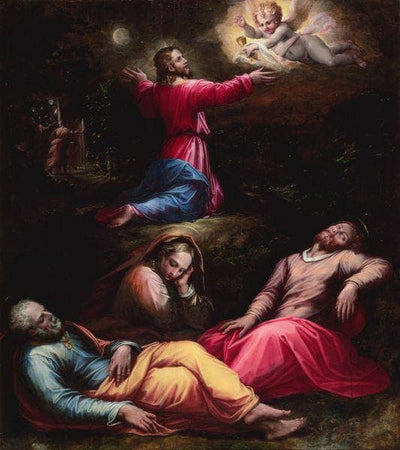
Vasari's style is characterized by a dynamic use of color and form. He often employed a technique called chiaroscuro, which uses strong contrasts between light and dark to create depth. In The Garden of Gethsemane, this technique enhances the emotional intensity of the scene. His brushwork is fluid, capturing the movement of figures and the rustling of
leaves, bringing the garden to life. Vasari's ability to convey emotion through color and composition sets him apart from his contemporaries.
Visual Analysis of The Garden of Gethsemane
Color Palette: Symbolism and Emotional Impact
The color palette of The Garden of Gethsemane is rich and evocative. Deep greens and earthy browns dominate the scene, symbolizing the natural world and the weight of Christ's burden. The use of muted tones reflects the somber mood of the moment. Bright highlights on Christ's figure draw the viewer's eye, emphasizing his divine
nature amidst human suffering. This careful selection of colors enhances the emotional impact, inviting viewers to connect with the scene on a personal level.
Composition: The Arrangement of Figures and Space
Vasari's composition in The Garden of Gethsemane is masterful. He arranges the figures in a way that guides the viewer's eye through the painting. Christ is centrally positioned, surrounded by his disciples, who are depicted in various states of sleep and distress. This arrangement creates a sense of intimacy and urgency, drawing the viewer into the emotional core of the scene. The surrounding olive trees frame the figures, adding depth and context to the narrative.
Light and Shadow: Creating Depth and Drama
Light and shadow play a crucial role in The Garden of Gethsemane. Vasari uses light to highlight Christ's figure, symbolizing hope and divinity. In contrast, the shadows envelop the sleeping disciples, representing their human frailty. This interplay of light and dark not only creates a dramatic effect but also enhances the emotional tension of the moment. The viewer feels the weight of Christ's solitude and the impending sacrifice, making the scene resonate deeply.
Thematic Elements in The Garden of Gethsemane
Depiction of Suffering: Christ's Agony and Human Emotion
The Garden of Gethsemane poignantly depicts Christ's suffering. His expression reflects deep anguish, capturing the essence of human emotion in the face of despair. Vasari's portrayal invites viewers to empathize with Christ's struggle, emphasizing the universal themes of fear and sacrifice. This emotional depth makes the painting a powerful meditation on the human condition.
Symbolism of Nature: The Olive Trees and Their Meaning
The olive trees in The Garden of Gethsemane are rich in
symbolism. They represent peace, wisdom, and the promise of new beginnings. In the context of the painting, they serve as a reminder of the hope that follows suffering. Vasari's inclusion of these trees adds layers of meaning, inviting viewers to reflect on the duality of despair and hope present in the scene.
Contrasts: Hope and Despair in the Scene
Vasari masterfully contrasts hope and despair in The Garden of Gethsemane. While Christ grapples with his impending fate, the sleeping disciples symbolize human weakness. This juxtaposition highlights the struggle between faith and fear. The painting encourages viewers to contemplate their own experiences of hope and despair, making it a timeless reflection on the human experience.
Comparative Analysis: Vasari's Work and Other Depictions
Contrasting The Garden of Gethsemane with Other Renaissance Works
When compared to other Renaissance depictions of the Garden of Gethsemane, Vasari's work stands out for its emotional depth and technical skill. Artists like
Leonardo da Vinci and
El Greco also tackled this subject, but Vasari's unique approach to color and composition offers a fresh perspective. His ability to convey the psychological struggle of Christ sets his painting apart, making it a significant contribution to the genre.
Influence of Earlier Masters: How Vasari Stands Out
Vasari drew inspiration from earlier masters, yet he infused his work with a distinctive style. While he admired the techniques of Michelangelo, his own use of color and light creates a unique atmosphere. Vasari's ability to blend realism with emotional expression allows his interpretation of the Garden of Gethsemane to resonate with viewers in a way that is both personal and profound.
Artistic Techniques and Innovations in The Garden of Gethsemane
Brushwork and Texture: Techniques That Bring the Scene to Life
Vasari's brushwork in The Garden of Gethsemane is both delicate and expressive. He employs a variety of techniques to create texture, from smooth strokes for the skin of Christ to more textured applications for the foliage. This attention to detail brings the scene to life, allowing viewers to feel the weight of the moment. The tactile quality of the painting enhances its emotional impact, making it a captivating experience.
Use of Perspective: Guiding the Viewer's Eye
Vasari skillfully uses perspective to guide the viewer's eye through The Garden of Gethsemane. The arrangement of figures and the placement of trees create a sense of depth, drawing the viewer into the scene. This technique not only enhances the three-dimensionality of the painting but also invites viewers to engage with the narrative. The perspective encourages contemplation, making the experience of viewing the painting more immersive.
Legacy and Impact of The Garden of Gethsemane
How This Painting Influenced Future Generations of Artists
The Garden of Gethsemane has left a lasting legacy in the art world. Its emotional depth and technical mastery have inspired countless artists. Vasari's approach to depicting human emotion and divine struggle paved the way for future explorations of similar themes. Artists in the
Baroque period and beyond drew from his techniques, continuing the dialogue between faith and art.
The Role of The Garden of Gethsemane in Art History
In the broader context of art history, The Garden of Gethsemane occupies a significant place. It represents a turning point in the portrayal of
religious subjects, moving towards a more humanistic approach. Vasari's work reflects the Renaissance's emphasis on individual experience and emotion, making it a crucial piece in understanding the evolution of Christian art.
Experiencing The Garden of Gethsemane: A Personal Reflection
Visiting the Original: Insights from Art Enthusiasts
Art enthusiasts who visit The Garden of Gethsemane often describe a profound emotional experience. Standing before the original painting, viewers feel the weight of Christ's anguish and the beauty of the garden. The intricate details and vibrant colors draw them into the scene, creating a personal connection with the artwork. Many leave with a deeper understanding of the themes of sacrifice and hope.
Emotional Reactions: What Viewers Feel When Encountering the Painting
Encountering The Garden of Gethsemane elicits strong emotional reactions. Viewers often express feelings of empathy and reflection as they engage with Christ's suffering. The painting's ability to convey such deep emotion resonates with people from all walks of life. It serves as a reminder of the universal struggles of faith, hope, and despair, making it a timeless piece of art.
FAQs About The Garden of Gethsemane
What is the story behind The Garden of Gethsemane painting?
The Garden of Gethsemane depicts the moment when Jesus prayed in anguish before his crucifixion, highlighting his human emotions and divine purpose.
What techniques did Giorgio Vasari use in this artwork?
Vasari employed chiaroscuro for depth, a dynamic color palette for emotional impact, and intricate brushwork to bring the scene to life.
How does The Garden of Gethsemane compare to other depictions of the same scene?
Vasari's interpretation stands out for its emotional depth and unique use of color and composition, offering a fresh perspective compared to other Renaissance works.
What are the main themes explored in The Garden of Gethsemane?
The painting explores themes of suffering, hope, despair, and the human experience of faith, inviting viewers to reflect on their own struggles.
Why is The Garden of Gethsemane significant in Christian art?
It captures a pivotal moment in the New Testament, emphasizing Christ's humanity and the emotional weight of his sacrifice, making it a powerful piece in Christian theology.
What should I know about reproductions of The Garden of Gethsemane?
Art reproductions of The Garden of Gethsemane offer a superior alternative to prints, capturing the intricate details and emotional depth of the original painting.
How can I appreciate the details in a reproduction of this painting?
To appreciate a reproduction, take time to observe the brushwork, color variations, and emotional expressions of the figures, allowing the artwork to resonate with you personally.