Exploring the Artistic Essence of "Young Woman Powdering Herself" by Georges Seurat
Understanding Georges Seurat: A Pioneer of Pointillism
The Life and Influence of Georges Seurat
Georges Seurat, born in 1859 in Paris, was a revolutionary artist known for founding the
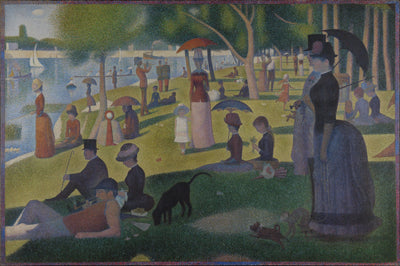
Pointillism technique. His innovative approach to painting involved using tiny dots of color to create vibrant images. Seurat's work was influenced by the scientific study of color theory and the optical effects of light. He sought to elevate art beyond mere representation, aiming for a deeper emotional connection through his meticulous technique. His most famous work, "A Sunday Afternoon on the
Island of La Grande Jatte," showcases his mastery and has left a lasting impact on
modern art.
Seurat's Unique Technique: The Science of Color and Light
Seurat's Pointillism technique is a fascinating blend of art and science. He applied small, distinct dots of pure color side by side, allowing the viewer's eye to blend them from a distance. This method creates a luminous effect, enhancing the vibrancy of the colors. Seurat believed that color could evoke emotions and convey meaning, making his paintings not just visual experiences but also emotional journeys. His dedication to this technique set him apart from his contemporaries and established him as a key figure in the
Neo-Impressionist movement.
Unveiling the Subject: The Young Woman in Focus
Symbolism of Femininity in Seurat's Work
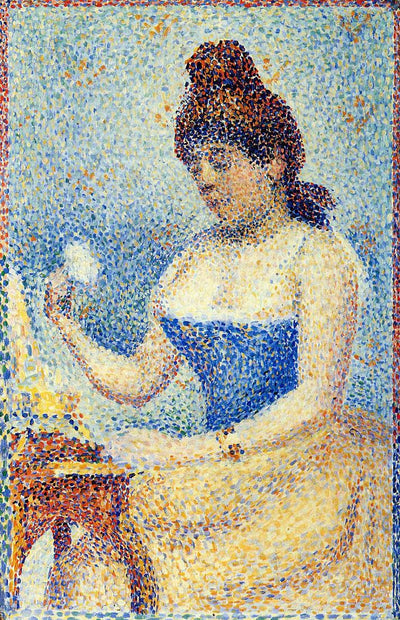
In "Young Woman Powdering Herself," the subject embodies the ideals of femininity and beauty prevalent in 19th-century France. The act of powdering herself symbolizes self-care and the societal expectations placed on women. Seurat captures a moment of intimacy and reflection, inviting viewers to consider the complexities of female identity. The young woman's serene expression and poised demeanor reflect the grace and elegance associated with femininity during this era.
The Role of Beauty Rituals in 19th Century France
Beauty rituals were significant in 19th-century France, reflecting societal norms and personal identity. Women often engaged in elaborate grooming practices, which were seen as essential for social standing. Seurat's portrayal of this ritual highlights the cultural importance of beauty and the pressures women faced. The painting serves as a window into the past, revealing how these rituals shaped women's lives and identities in a rapidly changing society.
Composition and Color: Analyzing the Visual Elements
Pointillism Technique: How Dots Create Depth and Texture
Seurat's use of Pointillism in "Young Woman Powdering Herself" creates a unique depth and texture. The tiny dots of color not only form the figure but also suggest the surrounding environment. This technique allows for a rich interplay of light and shadow, giving the painting a three-dimensional quality. The meticulous arrangement of colors draws the viewer's eye across the canvas, creating a dynamic visual experience.
The Color Palette: Shades of Elegance and Serenity
The color palette in "Young Woman Powdering Herself" is a harmonious blend of soft pastels and vibrant hues. Seurat employs shades of pink, blue, and green to evoke a sense of calm and elegance. The gentle contrasts enhance the subject's beauty while creating a serene atmosphere. This thoughtful use of color reflects Seurat's understanding of how color influences mood and perception, making the painting a captivating study of light and emotion.
Contextualizing the Painting: Historical and Cultural Significance
Artistic Movements of the Late 19th Century
The late 19th century was a time of artistic innovation and experimentation. Movements like
Impressionism and
Post-Impressionism challenged traditional art forms. Seurat's work, particularly "Young Woman Powdering Herself," represents a shift towards a more scientific approach to art. His exploration of color theory and optical effects set the stage for future movements, influencing artists like
Vincent van Gogh and
Paul Signac.
Seurat's Place in the Art World: Reception and Legacy
Seurat's innovative techniques were initially met with skepticism. However, over time, he gained recognition as a master of color and composition. His legacy endures through his influence on modern art and the continued study of his techniques. "Young Woman Powdering Herself" remains a significant work, showcasing Seurat's ability to blend beauty with intellectual rigor. Today, art enthusiasts celebrate his contributions to the evolution of painting.
Emotional Resonance: The Mood and Atmosphere of the Painting
Interpreting the Expression: What Does the Young Woman Convey?
The expression of the young woman in "Young Woman Powdering Herself" conveys a sense of tranquility and introspection. Her focused gaze and gentle posture suggest a moment of self-reflection. This emotional depth invites viewers to connect with her experience, evoking feelings of calm and contemplation. Seurat's ability to capture such nuanced emotions is a testament to his skill as an artist.
The Impact of Light and Shadow on Emotional Tone
Light and shadow play crucial roles in establishing the emotional tone of the painting. Seurat's careful manipulation of light creates a soft, inviting atmosphere. The interplay of light on the woman's skin and the surrounding space enhances the sense of intimacy. This thoughtful use of light not only highlights the subject but also evokes a deeper emotional response from the viewer, making the painting resonate on multiple levels.
Comparative Analysis: "Young Woman Powdering Herself" and Other Works
Contrasting with Impressionism: A Different Approach to Light
While Impressionists focused on capturing fleeting moments of light, Seurat's approach was more systematic. "Young Woman Powdering Herself" contrasts with
Impressionist works by emphasizing structure and clarity. Seurat's use of Pointillism allows for a more controlled representation of light, creating a distinct visual experience. This difference highlights Seurat's unique contribution to the art world and his departure from traditional Impressionist techniques.
Similarities with Other Seurat Paintings: Themes and Techniques
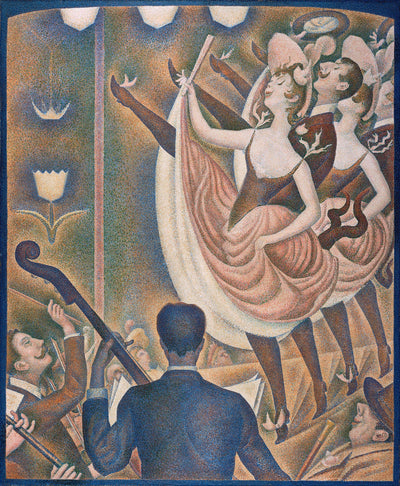
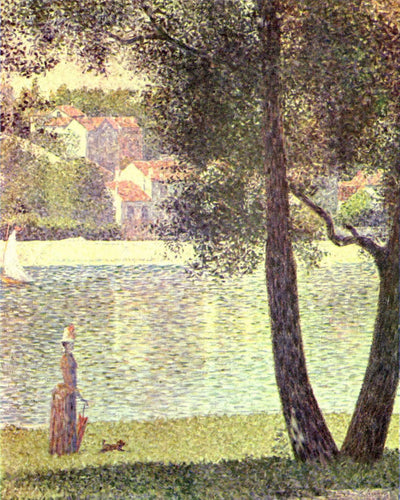
"Young Woman Powdering Herself" shares thematic and technical similarities with other works by Seurat, such as "A Sunday Afternoon on the Island of La Grande Jatte." Both paintings explore the human experience and the interplay of light and color. Seurat's signature Pointillism technique is evident in both, showcasing his dedication to creating depth and emotion through color. These connections reinforce Seurat's cohesive artistic vision and his exploration of modern life.
Artistic Techniques: The Craft Behind the Canvas
Brushwork and Texture: The Physicality of Seurat's Art
Seurat's brushwork in "Young Woman Powdering Herself" is meticulous and deliberate. Each dot of color contributes to the overall texture of the painting, creating a tactile quality. This physicality invites viewers to appreciate the craftsmanship behind the artwork. Seurat's attention to detail reflects his commitment to his technique, making the painting a true testament to his artistic skill.
Layering Colors: The Complexity of Pointillism
The complexity of Pointillism lies in the layering of colors. Seurat carefully builds up layers of dots, allowing colors to interact and blend optically. This technique creates a rich visual experience that changes with the viewer's perspective. The depth achieved through this layering process adds to the painting's allure, inviting viewers to explore its intricacies. Seurat's innovative approach to color and form continues to inspire artists today.
FAQs About "Young Woman Powdering Herself" by Georges Seurat
What is the story behind "Young Woman Powdering Herself"?
"Young Woman Powdering Herself" captures a private moment of beauty and self-reflection. The painting reflects the societal norms of femininity in 19th-century France, showcasing the importance of beauty rituals. Seurat's choice of subject highlights the complexities of female identity during this time.
How does Seurat's technique differ from traditional painting methods?
Seurat's Pointillism technique differs from traditional methods by using small dots of color instead of broad brushstrokes. This approach allows colors to blend optically, creating a unique luminosity and depth. Seurat's scientific understanding of color theory sets his work apart from his contemporaries.
What themes are explored in this painting?
The painting explores themes of femininity, beauty, and self-reflection. It highlights the societal expectations placed on women and the significance of beauty rituals in 19th-century France. Seurat's portrayal invites viewers to consider the emotional depth of the subject.
Where can I see the original painting today?
The original "Young Woman Powdering Herself" is housed in the collection of the Art Institute of Chicago. It remains a significant piece in the museum's collection, attracting art lovers and scholars alike.
What is the significance of the young woman's pose?
The young woman's pose signifies a moment of introspection and self-care. It reflects the societal pressures of beauty and femininity, inviting viewers to connect with her experience. Seurat's careful composition enhances the emotional resonance of the pose.
How does this painting reflect the culture of its time?
The painting reflects the culture of 19th-century France by highlighting the importance of beauty and femininity. It captures the societal norms and expectations placed on women, showcasing the rituals that defined their identities. Seurat's work serves as a historical document, revealing the complexities of women's lives during this period.
FAQs About the Painting Reproduction
What should I consider when purchasing a reproduction of this painting?
When purchasing a reproduction of "Young Woman Powdering Herself," consider the quality of the materials used. Look for reproductions that use high-quality canvas and paint to ensure durability and vibrancy. A well-crafted reproduction can capture the essence of Seurat's technique and color.
How can I ensure the reproduction captures the essence of Seurat's work?
To ensure the reproduction captures Seurat's essence, choose a reputable artist or company specializing in art reproductions. Look for reproductions that emphasize the Pointillism technique and use a color palette that reflects the original painting. A superior reproduction will showcase the depth and texture that Seurat intended.