Discovering George Stubbs: The Master of Equine Art
The Life and Legacy of George Stubbs
Early Life and Artistic Journey
George Stubbs was born in 1724 in Liverpool, England. He grew up in a family of modest means, but his passion for art blossomed early. Stubbs trained as an engraver before turning to painting, where he found his true calling. His fascination with
horses led him to study their anatomy in detail, which set him apart from his contemporaries. He often sketched horses from life, capturing their grace and power with remarkable accuracy.
Stubbs' Influence on Animal Portraiture
Stubbs revolutionized
animal portraiture, particularly equine art. His meticulous attention to detail and understanding of horse anatomy allowed him to create lifelike representations. Artists after him drew inspiration from his work, making him a pivotal figure in the evolution of animal painting. His legacy continues to influence modern equestrian artists, who strive to emulate his precision and style.
Understanding the Context of "Two Bay Mares and a Grey Pony"
The Historical Significance of the 18th Century
The 18th century was a time of great change in Britain, marked by the rise of the middle class and an increased interest in leisure activities, including horse riding. This period saw a growing appreciation for equestrian art, as horses became symbols of status and power. Stubbs' work, including "Two Bay Mares and a Grey Pony," reflects this cultural shift, showcasing the beauty and elegance of these majestic animals.
Stubbs' Role in the Evolution of British Art
Stubbs played a crucial role in the development of British art during the 18th century. His focus on
realism and
naturalism set a new standard for artists. He moved away from the idealized forms of earlier periods, instead capturing the true essence of his subjects. This shift laid the groundwork for future movements in British art, influencing generations of artists who followed.
Unpacking the Visual Elements of "Two Bay Mares and a Grey Pony"
Composition and Arrangement of the Equine Subjects
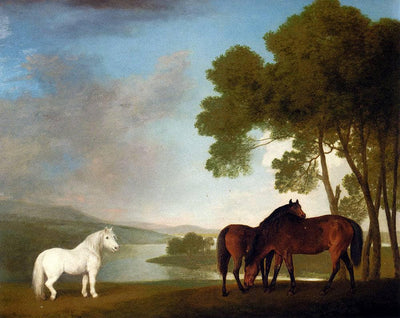
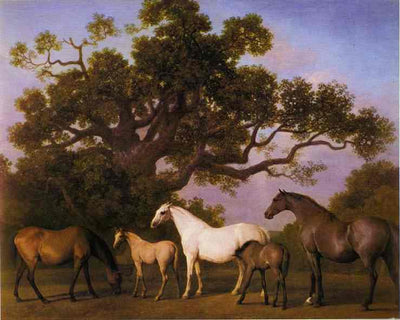
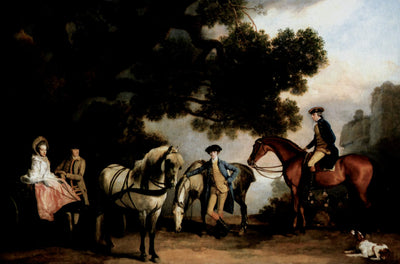
In "Two Bay Mares and a Grey Pony," Stubbs expertly arranges the horses to create a dynamic composition. The two bay mares stand proudly, while the grey pony adds a contrasting element. This arrangement draws the viewer's eye and highlights the unique characteristics of each horse.
Symbolism of the Bay Mares and Grey Pony
The bay mares symbolize strength and nobility, while the grey pony represents gentleness and companionship. Together, they embody the diverse qualities of horses, appealing to both the aristocracy and the common man. This duality enriches the painting's narrative, inviting viewers to explore the relationships between the animals.
Interaction and Dynamics Among the Horses
The interaction between the horses is captivating. The bay mares appear alert and poised, while the grey pony seems more relaxed. This contrast creates a sense of harmony and balance within the artwork. Stubbs captures the subtle nuances of their behavior, showcasing his deep understanding of equine nature.
Color Palette and Brushwork Techniques
Stubbs employs a rich color palette in "Two Bay Mares and a Grey Pony." The warm browns of the bay mares contrast beautifully with the cool greys of the pony. This thoughtful use of color enhances the overall composition and draws attention to the horses.
Analysis of Stubbs' Use of Light and Shadow
Light and shadow play a vital role in this painting. Stubbs skillfully uses chiaroscuro to create depth and dimension. The highlights on the horses' coats bring them to life, while the shadows ground them in the landscape. This technique adds a three-dimensional quality to the artwork.
Emotional Impact of Color Choices in the Landscape
The landscape surrounding the horses is equally important. Stubbs uses soft greens and earthy tones to evoke a sense of tranquility. This color choice enhances the emotional impact of the painting, inviting viewers to appreciate the serene beauty of nature alongside the majesty of the horses.
The Landscape: A Reflection of Nature's Beauty
Depiction of the Natural Environment
The landscape in "Two Bay Mares and a Grey Pony" is a stunning representation of the English
countryside. Stubbs captures the rolling hills and lush vegetation with remarkable detail. This setting not only provides context for the horses but also reflects the harmony between animals and their environment.
Flora and Fauna: A Study of the Surroundings
Stubbs includes various flora in the background, such as wildflowers and grasses, which add vibrancy to the scene. The presence of these natural elements enhances the realism of the painting. It also serves as a reminder of the horses' connection to their habitat.
How the Landscape Enhances the Equine Subjects
The landscape serves as a perfect backdrop for the horses. It highlights their beauty and grace, making them the focal point of the artwork. The interplay between the horses and their surroundings creates a sense of unity, emphasizing the importance of nature in equine life.
Symbolic Meanings of the Landscape Elements
Stubbs' choice of landscape elements carries symbolic meanings. The open
fields represent freedom and vitality, while the gentle hills suggest stability and peace. This
symbolism enriches the narrative of the painting, inviting viewers to reflect on the relationship between horses and their natural world.
Connection Between Horses and Their Natural Habitat
The painting illustrates the deep bond between horses and their environment. Stubbs captures this connection beautifully, reminding us that horses thrive in natural settings. This theme resonates with viewers, highlighting the importance of preserving natural habitats for future generations.
Artistic Techniques and Innovations in Stubbs' Work
Oil Painting Techniques: A Closer Look
Stubbs was a master of oil painting techniques. He used layering and glazing to create rich textures and depth in his work. This method allowed him to achieve a level of detail that was unprecedented in equine art.
Layering and Glazing: Creating Depth and Texture
By applying multiple layers of paint, Stubbs built up the surface of the canvas. This technique added a tactile quality to the horses' coats and the landscape. The result is a painting that feels alive, inviting viewers to explore its intricate details.
Stubbs' Unique Approach to Animal Anatomy
Stubbs' understanding of animal anatomy was exceptional. He studied horses extensively, allowing him to depict their forms with accuracy. This knowledge is evident in "Two Bay Mares and a Grey Pony," where each horse is rendered with precision and grace.
Comparative Analysis with Other Works by Stubbs
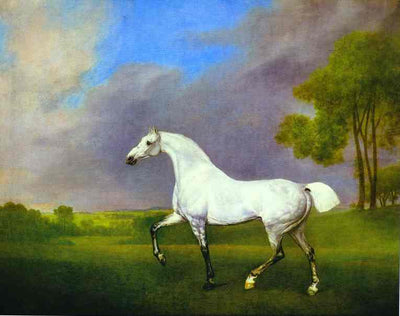
Stubbs created many notable works throughout his career. "Two Bay Mares and a Grey Pony" stands out for its composition and emotional depth. Comparing it to other pieces, such as "Whistlejacket," reveals Stubbs' evolving style and mastery of equine representation.
Similarities and Differences in Style and Subject Matter
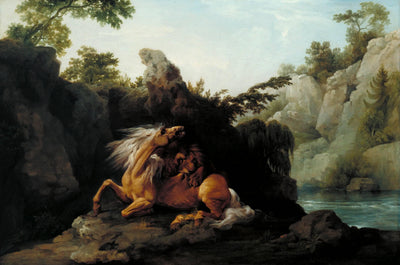
While both paintings feature horses, "Two Bay Mares and a Grey Pony" focuses on a more intimate setting. In contrast, "Whistlejacket" showcases a single horse in a dramatic pose. These differences highlight Stubbs' versatility as an artist.
Influence of Other Artists on Stubbs' Techniques
Stubbs was influenced by earlier artists, such as Sir
Anthony van Dyck, who emphasized realism. However, Stubbs took this influence further by incorporating his anatomical studies into his work. This innovation set him apart and established his unique voice in the art world.
The Cultural Impact of "Two Bay Mares and a Grey Pony"
Reception and Critique in the 18th Century
When "Two Bay Mares and a Grey Pony" was first exhibited, it received acclaim from critics and audiences alike. Viewers admired Stubbs' ability to capture the essence of horses. This positive reception solidified his reputation as a leading equine artist of his time.
How the Painting Was Perceived by Contemporary Audiences
Contemporary audiences were captivated by the lifelike quality of the horses. The painting resonated with the growing interest in equestrian culture during the 18th century. It became a symbol of status and sophistication, appealing to both horse lovers and art enthusiasts.
Stubbs' Legacy in Modern Art and Culture
Today, Stubbs is celebrated as a pioneer of equine art. His works, including "Two Bay Mares and a Grey Pony," continue to inspire artists and collectors. His legacy endures, reminding us of the beauty and grace of horses in art.
Influence on Equestrian Art and Collectors
Stubbs' impact on equestrian art is profound. His techniques and style have influenced countless artists who seek to capture the spirit of horses. "Two Bay Mares and a Grey Pony" remains a benchmark for quality in equine representation.
How This Painting Shaped Future Representations of Horses
This painting set a high standard for future equestrian artists. Stubbs' focus on realism and emotional depth paved the way for a new generation of artists. They continue to draw inspiration from his work, striving to achieve the same level of excellence.
Stubbs' Enduring Popularity Among Art Collectors
Art collectors highly value Stubbs' works, including "Two Bay Mares and a Grey Pony." His paintings are sought after for their beauty and historical significance. Owning a Stubbs reproduction is a point of pride for collectors, as it represents a connection to a rich artistic heritage.
Frequently Asked Questions About "Two Bay Mares and a Grey Pony"
What is the story behind "Two Bay Mares and a Grey Pony"?
"Two Bay Mares and a Grey Pony" showcases Stubbs' deep appreciation for horses and their beauty. The painting reflects the cultural significance of equestrian life in 18th-century Britain.
What techniques did George Stubbs use in this painting?
Stubbs employed oil painting techniques, including layering and glazing, to create depth and texture. His understanding of animal anatomy allowed him to depict the horses with remarkable accuracy.
How does this painting reflect the 18th-century British art scene?
The painting embodies the shift towards realism and naturalism in 18th-century British art. It highlights the growing interest in equestrian culture and the status associated with horse ownership.
What are the key themes represented in the painting?
Key themes include the beauty of horses, the connection between animals and nature, and the social status associated with equestrian life. The painting invites viewers to appreciate the elegance of these majestic creatures.
How has "Two Bay Mares and a Grey Pony" influenced modern equine art?
This painting set a high standard for equine representation, influencing countless artists. Its focus on realism and emotional depth continues to inspire modern equestrian art.
What should I know about the reproduction of this painting?
Reproductions of "Two Bay Mares and a Grey Pony" are superior to prints, offering rich colors and textures that capture the essence of the original artwork. A high-quality reproduction allows you to enjoy Stubbs' artistry in your home.
How can I best display a reproduction of Stubbs' work in my home?
To display a reproduction of Stubbs' work, choose a prominent location with good lighting. Consider framing it in a style that complements your decor. This will enhance the painting's beauty and draw attention to its intricate details.
 4.8/5
4.8/5