Exploring the Historical Significance of Alexander I of Russia
The Reign of Alexander I: A Transformative Era
Political Landscape and Reforms
Alexander I of Russia, who ruled from 1801 to 1825, was a pivotal figure in European history. His reign marked a time of significant political reform and modernization. He introduced progressive policies, such as the establishment of the Ministry of Education and the promotion of the Russian language. These reforms aimed to modernize Russia and align it more closely with Western Europe.
Alexander's vision for a more enlightened Russia was evident in his attempts to balance autocracy with liberal ideas. He sought to create a more efficient government while also addressing the needs of his people. This duality in his leadership style reflects the complexities of his character and the challenges of his time.
Alexander I's Role in the Napoleonic Wars
During the Napoleonic Wars, Alexander I emerged as a key player in the struggle against Napoleon Bonaparte. His strategic alliances and military campaigns were crucial in the defeat of the French forces. The famous
Battle of Borodino in 1812 showcased his leadership and determination.
Alexander's role in the Congress of Vienna in 1815 further solidified his status as a significant European leader. He advocated for a balance of power in Europe, which aimed to prevent future conflicts. His diplomatic efforts during this period were instrumental in shaping the political landscape of Europe for decades to come.
Symbolism in Portraiture: Understanding George Dawe's Artistic Choices
Color Palette and Composition Techniques
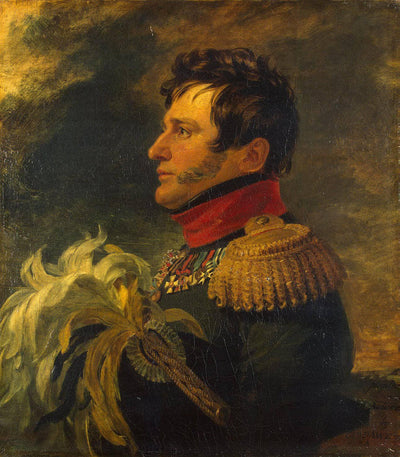
George Dawe's
portrait of Alexander I is rich in
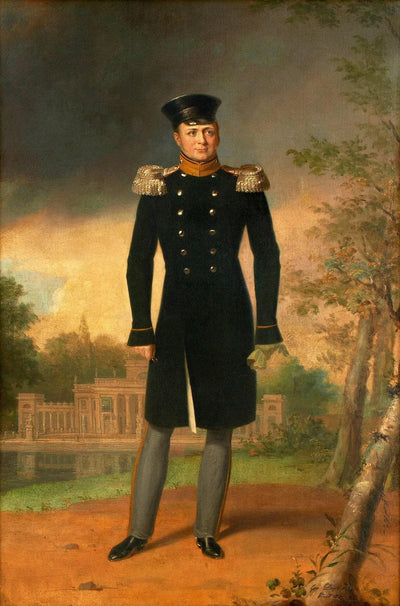
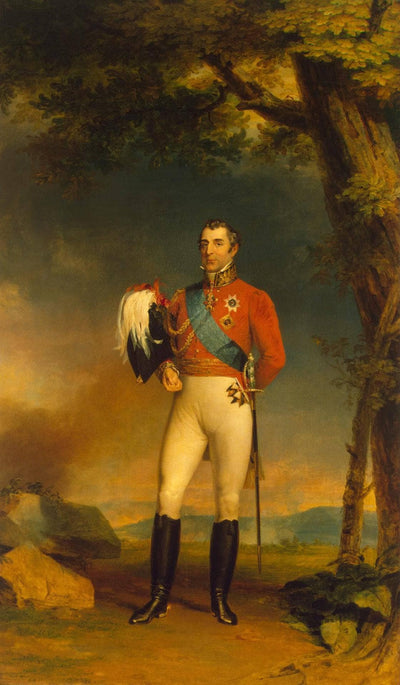
symbolism and artistic choices. The color palette features deep blues and regal golds, which convey a sense of nobility and authority. Dawe's use of light and shadow enhances the three-dimensional quality of the painting, drawing the viewer's eye to the figure of Alexander.
The composition is carefully arranged, with the Palace on the Water in the background symbolizing stability and power. This setting not only highlights Alexander's status but also connects him to the grandeur of Russian architecture. The balance between the figure and the background creates a harmonious visual narrative.
Facial Expressions and Their Historical Context
Alexander's facial expression in the portrait reflects a blend of confidence and contemplation. His gaze is direct, suggesting a leader who is both aware of his responsibilities and the weight of his decisions. This portrayal aligns with historical accounts of Alexander as a thoughtful and introspective ruler.
The subtle details in his expression invite viewers to ponder the complexities of his reign. Dawe's ability to capture these nuances adds depth to the portrait, making it not just a representation of a monarch but a reflection of a transformative era in Russian history.
Unveiling the Artistic Mastery of George Dawe
Dawe's Unique Style: Bridging Neoclassicism and Romanticism
George Dawe was a prominent British portrait painter known for his ability to blend
Neoclassical and
Romantic styles. His work often featured idealized forms and emotional depth, which resonated with the artistic movements of his time.
Dawe drew inspiration from contemporary artists, including Sir
Thomas Lawrence, whose dramatic use of color and light influenced his own techniques. This fusion of styles allowed Dawe to create portraits that were both timeless and evocative.
Signature Techniques: Brushwork and Texture
Dawe's signature techniques include meticulous brushwork and a keen attention to texture. He employed layering and glazing methods to achieve a luminous quality in his paintings. This approach adds richness and depth, making the viewer feel as if they can reach out and touch the fabric of Alexander's uniform.
The texture in the painting enhances the
realism of the portrait, allowing viewers to appreciate the intricate details of Alexander's attire. Dawe's skillful manipulation of oil paints showcases his mastery and dedication to the art of portraiture.
The Importance of Portraiture in 19th Century Art
How Portraits Captured Power and Identity
In the 19th century, portraiture played a crucial role in capturing the essence of power and identity. Portraits were not merely representations; they were statements of authority and status. They conveyed the personality and character of the subject, often reflecting the political climate of the time.
Dawe's portraits, including that of Alexander I, exemplify this trend. They serve as historical documents that provide insight into the lives of influential figures. The careful attention to detail in these works allows us to connect with the past in a meaningful way.
Dawe's Contribution to British Portraiture
George Dawe's contributions to British portraiture are significant. He became the official portraitist for the Russian court, which elevated his status and expanded his influence. His ability to capture the likeness and spirit of his subjects set a high standard for portrait artists of his era.
Dawe's work continues to inspire contemporary artists and collectors alike. His portraits remain a testament to the power of art in documenting history and shaping cultural narratives.
The Palace on the Water: A Glimpse into Warsaw's Architectural Beauty
Historical Context of the Palace on the Water
The Palace on the Water, or Łazienki Palace, is a stunning example of neoclassical architecture located in Warsaw, Poland. Originally built in the 17th century, it served as a royal summer residence. The palace is surrounded by beautiful
gardens and serene water features, making it a picturesque setting.
This
architectural gem reflects the grandeur of Polish history and culture. It was a place where Polish nobility gathered, and it played a significant role in the social and political life of the country. The palace's design incorporates elements of classical architecture, showcasing the artistic trends of its time.
Architectural Features and Design Elements
The Palace on the Water features elegant columns, intricate sculptures, and expansive terraces that overlook the water. Its design harmonizes with the natural landscape, creating a tranquil atmosphere. The use of light-colored stone enhances its beauty, especially when illuminated by the sun.
The palace's interior is equally impressive, adorned with exquisite furnishings and artwork. Each room tells a story, reflecting the opulence of the royal lifestyle. This connection to Alexander I's portrait adds layers of meaning to the artwork, as it captures a moment in time when art and architecture flourished.
Symbolism of Water in Art and Culture
Water as a Metaphor for Power and Tranquility
Water has long been a powerful symbol in art and culture. In the context of Alexander I's portrait, the presence of water signifies both power and tranquility. It represents the calmness of a ruler who navigates the turbulent waters of politics and war.
The serene water surrounding the Palace on the Water enhances the portrait's overall message. It suggests that true strength lies in maintaining composure amidst chaos. This duality resonates with viewers, inviting them to reflect on the
nature of leadership.
Connection to the Natural Landscape in Portraits
The integration of natural elements in portraiture adds depth and context to the subject. In Dawe's painting, the Palace on the Water serves as a backdrop that connects Alexander I to the beauty of his surroundings. This relationship between the figure and the landscape creates a sense of harmony.
The natural landscape in portraits often symbolizes the subject's connection to their homeland. For Alexander I, the palace represents his ties to Russia and Poland, highlighting the complexities of his reign and the cultural significance of his leadership.
Artistic Techniques and Materials Used in the Painting
Oil Painting Techniques: A Deep Dive
Layering and Glazing: Creating Depth and Luminosity
Dawe's use of oil painting techniques, such as layering and glazing, is evident in the portrait of Alexander I. These methods allow for the creation of depth and luminosity, giving the painting a vibrant quality.
Layering involves applying multiple thin coats of paint, which builds richness in color. Glazing, on the other hand, adds transparency and allows light to penetrate the layers, creating a glowing effect. This technique enhances the overall visual impact of the portrait.
Brush Techniques: From Fine Details to Broad Strokes
Dawe's brush techniques range from fine details to broad strokes, showcasing his versatility as an artist. He skillfully captures the intricate details of Alexander's uniform, from the embroidery to the textures of the fabric.
At the same time, broader strokes create a sense of movement and life within the painting. This dynamic approach engages viewers and draws them into the scene, making them feel a part of the historical moment.
Materials of the 19th Century: What Makes This Painting Unique
Canvas and Pigments: A Look at Historical Choices
The materials used in the creation of Alexander I's portrait contribute to its uniqueness. Dawe employed high-quality canvas and rich pigments that were available in the 19th century. These choices ensure the painting's longevity and vibrancy.
The use of natural pigments, derived from minerals and plants, adds depth to the colors. This attention to material quality reflects Dawe's commitment to his craft and enhances the overall aesthetic of the artwork.
Preservation Techniques for Lasting Beauty
Preservation techniques play a crucial role in maintaining the beauty of oil paintings. Dawe's portrait has likely undergone careful restoration to ensure its colors remain vibrant and the details intact.
Proper storage and display conditions are essential for preserving the integrity of the painting. This commitment to preservation allows future generations to appreciate the artistry and historical significance of Alexander I's portrait.
FAQs About the Portrait of Alexander I of Russia
Common Questions About the Painting
What is the historical significance of Alexander I's portrait?
The portrait of Alexander I captures a transformative period in Russian history, reflecting his role as a reformer and leader during the Napoleonic Wars. It serves as a visual document of his reign and the political climate of the time.
Who commissioned the portrait of Alexander I?
The portrait was commissioned by the Russian court, recognizing Dawe's talent and the importance of capturing the likeness of their emperor. This commission highlights the significance of portraiture in royal representation.
What artistic influences shaped George Dawe's work?
Dawe was influenced by Neoclassical and Romantic styles, drawing inspiration from contemporary artists like Sir Thomas Lawrence. His ability to blend these styles allowed him to create compelling and emotive portraits.
How does this painting reflect the political climate of its time?
The painting reflects the political climate of early 19th century Europe, showcasing Alexander I's leadership during a time of war and reform. The symbolism in the portrait speaks to the complexities of power and governance.
What are the notable features of the Palace on the Water depicted in the painting?
The Palace on the Water is characterized by its neoclassical architecture, elegant columns, and serene water features. Its design elements enhance the portrait's narrative, connecting Alexander I to the grandeur of Polish history.
Questions About the Painting Reproduction
How can I ensure the reproduction captures the original's essence?
To ensure a reproduction captures the original's essence, choose a high-quality painting reproduction rather than a print. Look for artists who specialize in oil painting reproductions, as they can replicate the texture and depth of the original artwork.
What should I consider when displaying a reproduction of this painting?
When displaying a reproduction of Alexander I's portrait, consider the lighting and placement. Natural light can enhance the colors, but avoid direct sunlight to prevent fading. Choose a frame that complements the artwork and fits your decor style.
 4.9/5
4.9/5