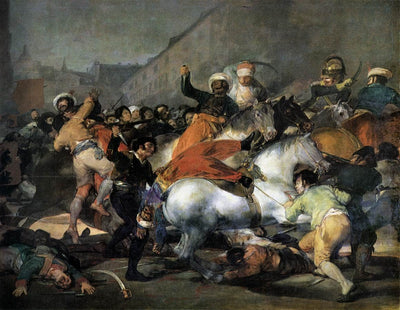
The Second of May, 1808: The Charge of the Mamelukes by Francisco Goya | Oil Painting Reproduction

The Second of May, 1808: The Charge of the Mamelukes by Francisco Goya — hand-painted cultural oil painting reproduction on canvas
Frame Specifications
Frame details Unframed
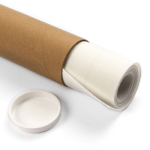
Information The canvas arrives unframed and rolled up in a sturdy tube, so you can have it framed locally exactly how you like.

AS SEEN IN

Royal Heritage Badge
4.6
4.6 out of 5

59 global ratings

5 star
72%
4 star
19%
3 star
6%
2 star
2%
1 star
1%
59 ratings

by Francisco Goya

Handmade Oil Painting on Canvas Art Reproduction —— Museum-quality

100% HAND-PAINTED
  • Real brushstrokes you can see & feel
  • Painting approval before shipping
  • Unlimited revisions
Select Size *
How should it arrive?
Select a Frame (optional)
Hand-Painted Oil Painting $299.95
Unframed — Shipped rolled in a protective tube Included
Shipping Free
Total
$299.95
$350.95Save 14%
Preview & Approve Free Shipping Secure Checkout
We accept
Visa Mastercard American Express Discover PayPal Apple Pay Google Pay Venmo
Support
Need help? Talk with Joey!

Processing & Shipping Time

Your delivery time includes two parts:

  1. Processing Time — From painting and drying to packaging and dispatch, usually 2–5 weeks depending on the painting complexity.
  2. Shipping Time — From when your order leaves the workshop to when it arrives at your address. You'll be able to track it with the tracking number we email you.

Shipping Methods

We ship with trusted couriers like FedEx, UPS, and DHL. Every shipment includes a tracking code.

  • Standard orders: Arrive in 5–8 days once shipped.
  • Framed, stretched, and oversized paintings: May take a few extra days.

Our goal is to deliver your order safely and quickly.

Shipment Safety Measures

We handle your products with care so they arrive in perfect condition:

  • Framed paintings — Bubble-wrapped and packed in a sturdy box.
  • Unframed paintings — Shipped in a protective hard plastic tube.

Every product is insured and delivered right to your door, so you can feel confident buying from us.

Every Art & See painting is created by artists with 15+ years of experience using professional-grade oil paints and premium linen canvas with UV-resistant protective coating — the same museum-grade materials used in galleries worldwide. Each piece goes through quality review before your approval photos are taken. If after delivery you have any concerns about your painting, contact us at [email protected] — our team will work with you on the best path forward.

Full Warranty

Every painting is protected against physical damage during shipping. If your painting arrives damaged, we repair or replace it — free.

Coverage Details

Transit damage (crushed, torn, water damage) — We repair or replace at no cost. Please note that damages resulting from accidents or inappropriate use are not covered under this warranty.

Repair or Replace

Depending on the extent of damage, the affected painting will either be repaired or replaced at no additional cost to you.

Free Service

All warranty services are provided absolutely free of charge.

We want you to absolutely love your handmade artwork. Here's how it works:

  1. Once your oil painting is complete, we'll send you unedited photos — a full view and close-up details.
  2. Review the photos and let us know if any changes are needed. We'll happily revise the painting for free.
  3. If you approve the painting, we'll ship it right away.

In the rare case you approve the photos and the artwork has been shipped and delivered to you, and you still want additional modification requests — we can handle it as a courtesy at our discretion. If accepted, you cover the return shipping cost.

Product Specifications
TypeHand-Painted Oil Painting Reproduction
Original ArtistFrancisco Goya
Price Range$299.95 — $1,299.95
ShippingFree Worldwide
QualityPreview & Approve Before Shipping
MediumOil on Canvas
CanvasMuseum-Grade Linen Canvas
TechniqueHand-painted brushstroke-by-brushstroke
Art StyleRomanticism
Period19th Century
Artist NationalitySpanish
OrientationHorizontal
SubjectCultural heritage, Cultural heritage mythology, Cultural heritage religious, Fantasy, Portraits group
Available Sizes7 (20'' W × 16'' H to 72'' W × 48'' H)
Framing OptionsUnframed, Stretched Canvas, Classic & Modern Frames
Delivery14–28 business days
About This Painting
The Historical Context of Goya's The Second of May, 1808 Understanding the Peninsular War and Its Impact on Spain The Second of May, 1808, captures a pivotal moment during the Peninsular War, a con...

The Historical Context of Goya's The Second of May, 1808

Understanding the Peninsular War and Its Impact on Spain

The Second of May, 1808, captures a pivotal moment during the Peninsular War, a conflict that erupted when Napoleon Bonaparte invaded Spain. This war marked a significant turning point in Spanish history, leading to widespread resistance against French occupation. The painting reflects the turmoil and chaos that engulfed the nation, showcasing the fierce spirit of the Spanish people as they fought for their freedom.

During this period, Spain was not just a battlefield; it was a nation grappling with its identity. The Peninsular War ignited a sense of nationalism among the Spanish, which Goya vividly portrays in his artwork. The uprising against the French forces was not merely a military conflict; it was a struggle for cultural and national pride.

The Role of the Mamelukes in the Spanish Uprising

In Goya's painting, the Mamelukes, elite cavalry soldiers of North African descent, play a crucial role. They were brought to Spain by the French to suppress the uprising. Goya's depiction of these fierce warriors highlights the brutality of the conflict. The Mamelukes symbolize the foreign oppression that the Spanish people faced, making their presence in the painting both significant and poignant.

Interestingly, the Mamelukes were not just mercenaries; they were a symbol of the complex alliances and enmities that characterized the war. Their portrayal in Goya's work invites viewers to reflect on the nature of power and resistance during this tumultuous time.

Goya's Personal Experiences During the Turmoil

Francisco Goya lived through the horrors of the Peninsular War, which deeply influenced his artistic vision. His personal experiences of fear, loss, and suffering are palpable in The Second of May, 1808. Goya witnessed the atrocities committed by both the French and Spanish forces, which fueled his desire to depict the raw emotions of war.

Goya's empathy for the victims of violence shines through in his work. He sought to capture not just the events of the day but the profound human cost of conflict. This personal connection adds a layer of authenticity to the painting, making it a powerful commentary on the nature of war.

Artistic Techniques and Styles in The Charge of the Mamelukes

Exploring Goya's Use of Color and Light

Goya's masterful use of color and light in The Charge of the Mamelukes enhances the emotional impact of the scene. He employs a dramatic contrast between light and shadow, creating a sense of urgency and chaos. The bright whites and deep blacks draw the viewer's eye to the central figures, emphasizing their struggle.

His palette is rich and varied, with earthy tones that ground the painting in reality. This choice of colors not only reflects the historical context but also evokes the visceral emotions of the moment.

Dynamic Composition: Movement and Emotion in the Painting

The composition of The Second of May, 1808 is dynamic and full of movement. Goya captures the chaos of battle with swirling figures and dramatic poses. The energy of the scene is palpable, as the viewer can almost hear the clash of swords and the cries of the wounded.

Goya's ability to convey motion adds to the painting's intensity. Each figure is imbued with emotion, from the fierce determination of the Spanish fighters to the terror of those caught in the fray.

Symbolism and Allegory: What Lies Beneath the Surface

Beyond its surface, The Charge of the Mamelukes is rich with symbolism. The Mamelukes represent the oppressive forces of tyranny, while the Spanish fighters embody the spirit of resistance and freedom. Goya's choice to depict this clash serves as an allegory for the struggle between oppression and liberation.

Additionally, the painting can be interpreted as a broader commentary on the human condition. Goya invites viewers to reflect on the nature of violence and the cost of war, making this work timeless and relevant.

The Emotional Resonance of The Second of May, 1808

Capturing the Chaos of Battle: A Study in Human Emotion

Goya's ability to capture the chaos of battle is unparalleled. The Second of May, 1808 is a visceral portrayal of human emotion in the face of violence. The expressions of the figures convey a range of feelings, from rage to despair, making the viewer feel the weight of the moment.

This emotional depth is what sets Goya apart as an artist. He does not shy away from depicting the harsh realities of war, instead choosing to confront them head-on.

The Faces of Valor and Despair: Portraits of the Fallen

The faces in Goya's painting tell stories of valor and despair. Each character is a testament to the human spirit, showcasing bravery in the face of overwhelming odds. The fallen figures evoke a sense of tragedy, reminding viewers of the personal toll of conflict.

Goya's attention to detail in these portraits adds to the emotional weight of the piece. The viewer is drawn into the narrative, feeling a connection to the individuals depicted.

Goya's Commentary on War and Suffering

Through The Second of May, 1808, Goya offers a poignant commentary on war and suffering. He does not glorify battle; instead, he reveals its brutal realities. The painting serves as a reminder of the pain and loss that accompany conflict.

Goya's work encourages viewers to reflect on the consequences of war, making it a powerful piece of social commentary that resonates even today.

The Legacy of The Second of May, 1808 in Art History

Influence on Future Generations of Artists

The Second of May, 1808 has left an indelible mark on art history. Goya's innovative techniques and emotional depth influenced countless artists who followed. His ability to convey complex human emotions set a new standard for narrative painting.

Artists such as Édouard Manet and Pablo Picasso drew inspiration from Goya's work, incorporating his themes of war and suffering into their own art. Goya's legacy continues to inspire and challenge artists to this day.

How This Work Reflects the Romantic Movement

This painting is a quintessential example of the Romantic movement, which emphasized emotion and individual experience. Goya's focus on the human condition and the turmoil of war aligns perfectly with Romantic ideals. His work captures the essence of human struggle, making it a powerful representation of the era.

Goya's ability to evoke deep feelings through his art resonates with the Romantic emphasis on personal expression and emotional depth.

Goya's Place in the Canon of Spanish Art

Francisco Goya is often regarded as one of the most important figures in Spanish art. His innovative approach and profound themes have secured his place in the canon of art history. The Second of May, 1808 is a testament to his genius, showcasing his ability to blend historical narrative with emotional resonance.

Goya's work continues to be celebrated for its depth and complexity, making him a pivotal figure in the evolution of modern art.

Visiting the Original: Where to Experience Goya's Masterpiece

The Museo del Prado: A Treasure Trove of Spanish Art

The original painting is housed in the Museo del Prado in Madrid, Spain. This world-renowned museum is home to an extensive collection of Spanish art, making it a must-visit for art lovers. The Second of May, 1808 is one of the highlights of the collection, drawing visitors from around the globe.

At the Prado, you can immerse yourself in the rich history of Spanish art while experiencing Goya's masterpiece in person.

Guided Tours and Educational Programs on Goya

The Museo del Prado offers guided tours and educational programs focused on Goya and his works. These programs provide valuable insights into the historical context and artistic techniques used in The Second of May, 1808. Engaging with knowledgeable guides enhances the experience, allowing visitors to appreciate the painting on a deeper level.

Participating in these tours can enrich your understanding of Goya's impact on art and history.

What to Look for When Viewing the Painting in Person

When viewing The Second of May, 1808 in person, pay attention to the details that Goya meticulously crafted. Notice the expressions on the faces of the figures, the dynamic movement, and the interplay of light and shadow. Each element contributes to the overall emotional impact of the painting.

Take your time to absorb the scene and reflect on the historical significance of the moment Goya captured. This immersive experience will deepen your appreciation for Goya's artistry.

Frequently Asked Questions About The Second of May, 1808

What is the significance of the Mamelukes in Goya's painting?

The Mamelukes represent the foreign oppression faced by the Spanish people during the Peninsular War. Their presence in the painting highlights the struggle against tyranny and the fight for freedom.

How does Goya depict the theme of resistance in this artwork?

Goya captures the theme of resistance through the fierce expressions and dynamic poses of the Spanish fighters. Their determination and bravery are palpable, symbolizing the spirit of the uprising.

What techniques did Goya use to convey emotion in this piece?

Goya employs dramatic contrasts of color and light, along with expressive facial features and dynamic movement, to convey deep emotions. These techniques draw the viewer into the chaos of battle.

What historical events inspired The Second of May, 1808?

The painting is inspired by the events of the Peninsular War, specifically the uprising against French forces on May 2, 1808. This conflict was a significant moment in Spanish history, marking the fight for national identity and independence.

How does this painting compare to Goya's other works?

The Second of May, 1808 stands out for its emotional intensity and historical significance. While Goya's other works also explore themes of war and suffering, this painting uniquely captures a specific moment of resistance and turmoil.

What should I know about the reproduction of this painting?

Art reproductions of The Second of May, 1808 offer a way to experience Goya's masterpiece in your own space. Unlike prints, these reproductions capture the texture and depth of the original oil painting, providing a more authentic representation of Goya's artistry.

Are there different styles of reproductions available for this artwork?

Yes, there are various styles of reproductions available, including canvas and framed options. Each style allows you to choose how you want to display Goya's powerful work in your home or office, making it a stunning focal point.

The Second of May, 1808: The Charge of the Mamelukes by Francisco Goya — hand-painted cultural oil painting reproduction on canvas
The Second of May, 1808: The Charge of the Mamelukes by Francisco Goya Hand-Painted Oil Painting Reproduction 20'' W × 16'' H · Unframed
20” x 16” in Unframed - Arrives Rolled on a Tube
$299.95 $350.95
30% Off Today Ends soon!
OUR GUARANTEES

Why Choose Our Art Reproductions

At Art & See, we're committed to delivering the highest quality art reproductions. Our team of expert artists and state-of-the-art processes ensure that each piece is a masterpiece in its own right.

Artist working on canvas

Real Artists Only

Experience your masterpiece's creation through daily photos from our expert artists, each with 15+ years of experience.

We'll send you photos before shipping
Secure packaging

Worry-Free Shipping

Your artwork travels first class via UPS, FedEx, or DHL, protected by museum-grade packaging for safe delivery.

Safe protective packaging
Preview and approve

Preview & Approve

Review unedited photos of your finished painting and request unlimited free revisions before it ships. We only ship when you say it's perfect.

You approve before we ship
Art materials

Built to Last

Every piece is crafted with archival materials, UV-resistant finishes, and premium British paints to last generations.

Museum-grade quality

You May Also Like

Frequently Asked Questions About Francisco Goya Oil Painting Reproductions

Everything you need to know before ordering your hand-painted The Second of May, 1808: The Charge of the Mamelukes reproduction.
Is "The Second of May, 1808: The Charge of the Mamelukes" by Francisco Goya a real hand-painted oil painting?

Yes — 100% hand-painted with oil on canvas by artists with 15+ years of experience. No prints, no digital shortcuts. You'll see and feel real brushstrokes, just like the original Francisco Goya masterpiece.

How long does it take to receive my Francisco Goya painting?

Your The Second of May, 1808: The Charge of the Mamelukes reproduction takes 2–5 weeks to hand-paint depending on size and detail. Once approved, shipping takes 5–8 days via FedEx, UPS, or DHL with full tracking. Free worldwide shipping included.

Can I see my painting before it ships?

Absolutely. Once your The Second of May, 1808: The Charge of the Mamelukes is complete, we send you unedited photos — a full view and close-up details. Request unlimited free revisions until you're 100% satisfied. We don't ship until you say "yes."

How do I know I'll love it?

Every painting goes through our Preview & Approve process — you receive unedited photos of your finished Francisco Goya reproduction and can request unlimited free revisions before it ships. We only ship when you say it's perfect. If after delivery you have any concerns, contact us at [email protected] and our team will work with you on the best path forward.

What materials do you use?

Professional-grade oil paints (Windsor & Newton) on premium linen canvas with UV-resistant protective coating. Museum-grade materials built to last generations — the same quality used in galleries worldwide.

Will my painting look exactly like the original The Second of May, 1808: The Charge of the Mamelukes?

Our artists specialize in Francisco Goya's technique — color accuracy, brushwork, and composition are matched to the original. Every reproduction goes through quality review before your approval photos are taken.

Is my painting shipped safely?

Every painting is insured and delivered door-to-door. Unframed paintings ship in protective hard tubes. Framed paintings are bubble-wrapped in sturdy boxes. If anything arrives damaged, we repair or replace it free.

Bring a Masterpiece to Your Décor Today

Dive into the vibrant world of Historic Art. Discover your next painting today.
Custom oil painting