
The Burial of the Sardine (Corpus Christi Festival on Ash Wednesday) by Francisco Goya | Oil Painting Reproduction

The Burial of the Sardine (Corpus Christi Festival on Ash Wednesday) by Francisco Goya — hand-painted cultural oil painting reproduction on canvas
Frame Specifications
Frame details Unframed
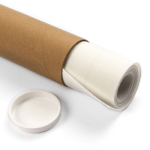
Information The canvas arrives unframed and rolled up in a sturdy tube, so you can have it framed locally exactly how you like.

AS SEEN IN

Royal Heritage Badge
4.6
4.6 out of 5

133 global ratings

5 star
72%
4 star
19%
3 star
6%
2 star
2%
1 star
1%
133 ratings

by Francisco Goya

Handmade Oil Painting on Canvas Art Reproduction —— Museum-quality

100% HAND-PAINTED
  • Real brushstrokes you can see & feel
  • Painting approval before shipping
  • Unlimited revisions
Select Size *
How should it arrive?
Select a Frame (optional)
Hand-Painted Oil Painting $299.95
Unframed — Shipped rolled in a protective tube Included
Shipping Free
Total
$299.95
$350.95Save 14%
Preview & Approve Free Shipping Secure Checkout
We accept
Visa Mastercard American Express Discover PayPal Apple Pay Google Pay Venmo
Support
Need help? Talk with Joey!

Processing & Shipping Time

Your delivery time includes two parts:

  1. Processing Time — From painting and drying to packaging and dispatch, usually 2–5 weeks depending on the painting complexity.
  2. Shipping Time — From when your order leaves the workshop to when it arrives at your address. You'll be able to track it with the tracking number we email you.

Shipping Methods

We ship with trusted couriers like FedEx, UPS, and DHL. Every shipment includes a tracking code.

  • Standard orders: Arrive in 5–8 days once shipped.
  • Framed, stretched, and oversized paintings: May take a few extra days.

Our goal is to deliver your order safely and quickly.

Shipment Safety Measures

We handle your products with care so they arrive in perfect condition:

  • Framed paintings — Bubble-wrapped and packed in a sturdy box.
  • Unframed paintings — Shipped in a protective hard plastic tube.

Every product is insured and delivered right to your door, so you can feel confident buying from us.

Every Art & See painting is created by artists with 15+ years of experience using professional-grade oil paints and premium linen canvas with UV-resistant protective coating — the same museum-grade materials used in galleries worldwide. Each piece goes through quality review before your approval photos are taken. If after delivery you have any concerns about your painting, contact us at [email protected] — our team will work with you on the best path forward.

Full Warranty

Every painting is protected against physical damage during shipping. If your painting arrives damaged, we repair or replace it — free.

Coverage Details

Transit damage (crushed, torn, water damage) — We repair or replace at no cost. Please note that damages resulting from accidents or inappropriate use are not covered under this warranty.

Repair or Replace

Depending on the extent of damage, the affected painting will either be repaired or replaced at no additional cost to you.

Free Service

All warranty services are provided absolutely free of charge.

We want you to absolutely love your handmade artwork. Here's how it works:

  1. Once your oil painting is complete, we'll send you unedited photos — a full view and close-up details.
  2. Review the photos and let us know if any changes are needed. We'll happily revise the painting for free.
  3. If you approve the painting, we'll ship it right away.

In the rare case you approve the photos and the artwork has been shipped and delivered to you, and you still want additional modification requests — we can handle it as a courtesy at our discretion. If accepted, you cover the return shipping cost.

Product Specifications
TypeHand-Painted Oil Painting Reproduction
Original ArtistFrancisco Goya
Price Range$299.95 — $1,299.95
ShippingFree Worldwide
QualityPreview & Approve Before Shipping
MediumOil on Canvas
CanvasMuseum-Grade Linen Canvas
TechniqueHand-painted brushstroke-by-brushstroke
Art StyleRomanticism
Period19th Century
Artist NationalitySpanish
OrientationVertical
SubjectCultural heritage religious, Landscapes, Portraits group
Available Sizes7 (16'' W × 20'' H to 48'' W × 72'' H)
Framing OptionsUnframed, Stretched Canvas, Classic & Modern Frames
Delivery14–28 business days
About This Painting
The Burial of the Sardine: A Deep Dive into Goya's Masterpiece Understanding the Cultural Significance of the Corpus Christi Festival The Historical Roots of Corpus Christi Celebrations The Corpus ...

The Burial of the Sardine: A Deep Dive into Goya's Masterpiece

Understanding the Cultural Significance of the Corpus Christi Festival

The Historical Roots of Corpus Christi Celebrations

The Corpus Christi Festival, celebrated in Spain, has deep historical roots dating back to the 13th century. This vibrant festival honors the Eucharist and showcases the rich tapestry of Spanish culture. It combines religious reverence with lively festivities, making it a unique cultural event. The festival often features colorful processions, traditional music, and elaborate decorations, reflecting the community's devotion and joy.

Symbolism of the Sardine in Spanish Traditions

In Spanish folklore, the sardine symbolizes both life and death. During the festival, the sardine is humorously paraded through the streets, representing the end of the Carnival season. This playful ritual highlights the duality of celebration and mourning, as participants bid farewell to the indulgences of Carnival. The sardine's burial signifies a return to normalcy, making it a poignant symbol of transition in Spanish culture.

Goya's Role in Documenting Spanish Folklore

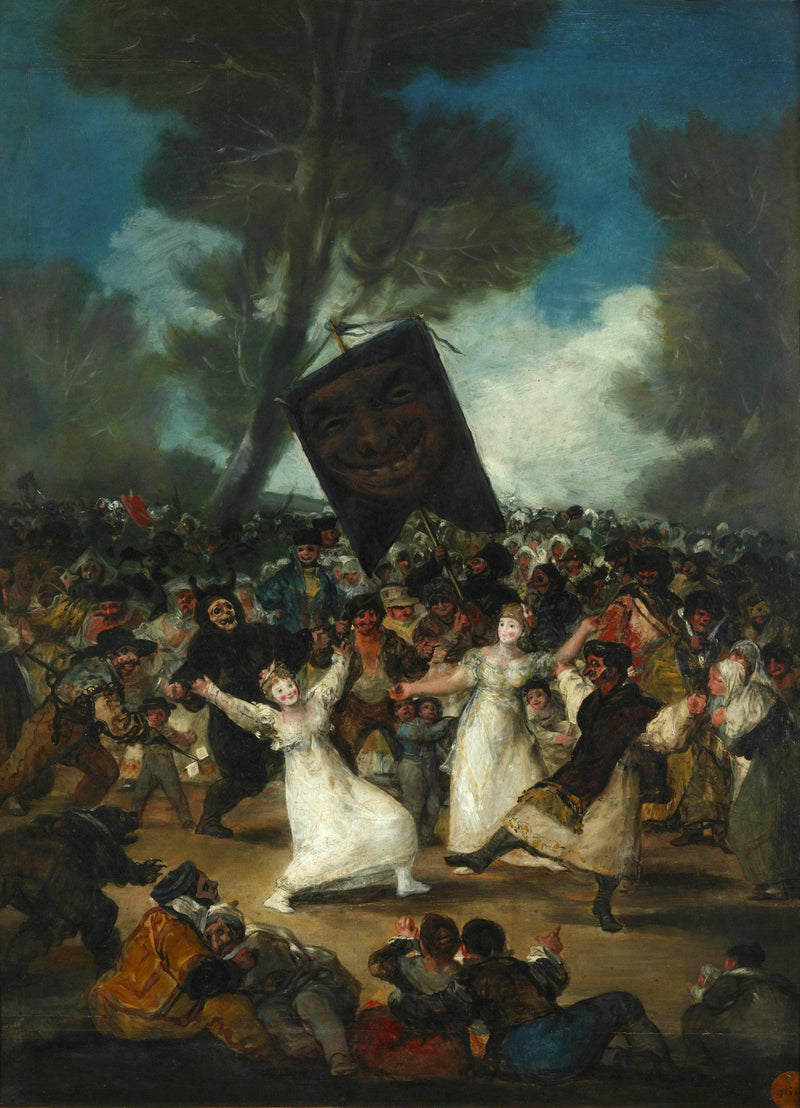
Francisco Goya played a crucial role in capturing the essence of Spanish folklore through his art. His painting, "The Burial of the Sardine," serves as a visual chronicle of the Corpus Christi Festival. Goya's keen observation of social customs and traditions allows viewers to experience the vibrancy of Spanish life in the 18th century. His work not only documents the festival but also reflects the spirit of the people and their celebrations.

Francisco Goya: The Visionary Behind the Canvas

Goya's Artistic Evolution and Influences

Francisco Goya, born in 1746, evolved from a court painter to a revolutionary artist. His early works were influenced by the Rococo style, but he later embraced Romanticism and Realism. Goya's exposure to the Enlightenment and the political turmoil of his time shaped his artistic vision. His ability to blend different styles allowed him to create powerful narratives that resonate with viewers.

Exploring Goya's Unique Style: Romanticism Meets Realism

Goya's unique style combines the emotional depth of Romanticism with the observational precision of Realism. In "The Burial of the Sardine," he captures the raw emotions of the participants, showcasing their joy and sorrow. His innovative approach to composition and color creates a dynamic interplay between figures, making the scene come alive. Goya's ability to evoke emotion through his art sets him apart as a master of his craft.

Goya's Personal Life and Its Impact on His Art

Goya's personal experiences profoundly influenced his artwork. He faced numerous challenges, including illness and political unrest, which shaped his perspective. His struggles with deafness and the impact of the Spanish War of Independence are evident in his later works. These experiences added layers of meaning to "The Burial of the Sardine," as Goya explored themes of community, loss, and resilience.

A Closer Look at the Composition of The Burial of the Sardine

Analyzing the Color Palette: Vibrancy and Emotion

Goya's use of a vibrant color palette in "The Burial of the Sardine" enhances the emotional impact of the scene. Rich reds, deep blues, and earthy tones create a lively atmosphere, drawing viewers into the celebration. The contrasting colors highlight the joy of the festival while also hinting at the underlying themes of mortality and transition.

Figures and Faces: Capturing Human Emotion in Art

The figures in Goya's painting are expressive and full of life. Each face tells a story, reflecting a range of emotions from joy to melancholy. Goya's attention to detail in the characters' expressions allows viewers to connect with the scene on a personal level. This focus on human emotion is a hallmark of Goya's artistry, making his work relatable and timeless.

Movement and Dynamics: The Flow of the Scene

The composition of "The Burial of the Sardine" is dynamic and fluid. Goya expertly captures the movement of the crowd as they participate in the ritual. The swirling forms and gestures create a sense of energy, immersing viewers in the festival's atmosphere. This sense of movement reflects the communal spirit of the event, emphasizing the importance of togetherness in Spanish culture.

Thematic Elements in The Burial of the Sardine

Life, Death, and Celebration: A Duality Explored

Goya's painting explores the duality of life and death through the lens of celebration. The sardine's burial symbolizes the end of Carnival, a time of indulgence and revelry. This juxtaposition invites viewers to reflect on the cycles of life and the importance of embracing both joy and sorrow. Goya masterfully captures this theme, making the painting a profound commentary on the human experience.

Community and Togetherness: The Spirit of the Festival

At its core, "The Burial of the Sardine" celebrates community and togetherness. The gathering of people, united in their shared traditions, highlights the strength of social bonds. Goya's portrayal of the festival emphasizes the importance of collective experiences in shaping cultural identity. This sense of unity resonates with viewers, reminding them of the power of community.

Rituals and Traditions: A Reflection of Spanish Identity

The rituals depicted in Goya's painting reflect the rich cultural identity of Spain. The Corpus Christi Festival, with its unique customs and traditions, serves as a lens through which to understand Spanish society. Goya's work captures the essence of these rituals, preserving them for future generations. This connection to cultural heritage makes "The Burial of the Sardine" a significant piece in the context of Spanish art history.

Artistic Techniques and Innovations in Goya's Work

Oil Painting Techniques: Brushwork and Texture

Goya's mastery of oil painting techniques is evident in "The Burial of the Sardine." His brushwork creates a sense of texture and depth, bringing the scene to life. The layering of paint adds richness to the colors, enhancing the overall visual impact. Goya's innovative approach to oil painting set new standards for artists of his time.

Light and Shadow: Creating Depth and Dimension

Goya skillfully uses light and shadow to create depth in his composition. The interplay of light highlights key figures while casting others in shadow, adding a dramatic effect. This technique draws the viewer's eye and emphasizes the emotional weight of the scene. Goya's understanding of chiaroscuro enhances the three-dimensional quality of his work.

Symbolic Use of Color: Meaning Behind the Hues

In "The Burial of the Sardine," Goya employs color symbolically to convey meaning. The vibrant hues reflect the joy of the festival, while darker tones hint at the underlying themes of loss and transition. Each color choice is deliberate, adding layers of interpretation to the painting. Goya's use of color elevates the narrative, making it a powerful visual experience.

The Legacy of The Burial of the Sardine in Art History

Influence on Contemporary Artists and Movements

Goya's "The Burial of the Sardine" has left a lasting impact on contemporary artists and movements. His exploration of social themes and human emotion resonates with modern audiences. Artists continue to draw inspiration from Goya's ability to blend realism with emotional depth, making his work relevant even today. The painting's influence can be seen in various art forms, from painting to performance art.

Preservation and Restoration: Keeping Goya's Vision Alive

Efforts to preserve and restore Goya's work are crucial for future generations. "The Burial of the Sardine" has undergone careful restoration to maintain its vibrancy and detail. Art conservators work diligently to protect Goya's vision, ensuring that his masterpieces remain accessible to the public. This commitment to preservation highlights the importance of Goya's contributions to art history.

Exhibitions and Collections: Where to Experience Goya's Work

Art enthusiasts can experience Goya's "The Burial of the Sardine" in various exhibitions and collections worldwide. Major museums, such as the Museo del Prado in Madrid, house Goya's works, allowing visitors to appreciate his artistry firsthand. Special exhibitions often feature Goya's paintings, providing insights into his life and creative process. These opportunities to engage with Goya's work enrich the understanding of his legacy.

Frequently Asked Questions About The Burial of the Sardine

What is the story behind The Burial of the Sardine?

"The Burial of the Sardine" depicts the lively ritual of the Corpus Christi Festival, where participants humorously bury a sardine to mark the end of Carnival. This tradition symbolizes the transition from indulgence to a more solemn period.

How does Goya's painting reflect Spanish culture?

Goya's painting captures the essence of Spanish culture through its vibrant depiction of community, celebration, and tradition. The sardine's burial serves as a metaphor for the duality of life and death, reflecting the complexities of Spanish identity.

What techniques did Goya use in this artwork?

Goya employed oil painting techniques, utilizing dynamic brushwork, light and shadow, and a rich color palette to create depth and emotion in "The Burial of the Sardine." His innovative approach set new standards in the art world.

What emotions does The Burial of the Sardine evoke?

The painting evokes a range of emotions, from joy and celebration to melancholy and reflection. Goya's portrayal of the festival captures the spirit of community while acknowledging the bittersweet nature of transition.

How has The Burial of the Sardine influenced modern art?

Goya's work has influenced modern artists by emphasizing the importance of social themes and emotional depth. His ability to blend realism with expressive elements continues to inspire contemporary art movements.

What should I know about reproducing Goya's paintings?

When reproducing Goya's paintings, it's essential to focus on the quality of the reproduction. Oil painting reproductions offer superior detail and texture compared to prints, allowing for a more authentic experience of Goya's artistry.

Are there any notable exhibitions featuring The Burial of the Sardine?

Yes, "The Burial of the Sardine" is often featured in exhibitions dedicated to Goya's work. Major art institutions, such as the Museo del Prado, regularly showcase his masterpieces, providing opportunities for audiences to engage with his legacy.
The Burial of the Sardine (Corpus Christi Festival on Ash Wednesday) by Francisco Goya — hand-painted cultural oil painting reproduction on canvas
The Burial of the Sardine (Corpus Christi Festival on Ash Wednesday) by Francisco Goya Hand-Painted Oil Painting Reproduction 16'' W × 20'' H · Unframed
20” x 16” in Unframed - Arrives Rolled on a Tube
$299.95 $350.95
30% Off Today Ends soon!
OUR GUARANTEES

Why Choose Our Art Reproductions

At Art & See, we're committed to delivering the highest quality art reproductions. Our team of expert artists and state-of-the-art processes ensure that each piece is a masterpiece in its own right.

Artist working on canvas

Real Artists Only

Experience your masterpiece's creation through daily photos from our expert artists, each with 15+ years of experience.

We'll send you photos before shipping
Secure packaging

Worry-Free Shipping

Your artwork travels first class via UPS, FedEx, or DHL, protected by museum-grade packaging for safe delivery.

Safe protective packaging
Preview and approve

Preview & Approve

Review unedited photos of your finished painting and request unlimited free revisions before it ships. We only ship when you say it's perfect.

You approve before we ship
Art materials

Built to Last

Every piece is crafted with archival materials, UV-resistant finishes, and premium British paints to last generations.

Museum-grade quality

You May Also Like

Frequently Asked Questions About Francisco Goya Oil Painting Reproductions

Everything you need to know before ordering your hand-painted The Burial of the Sardine (Corpus Christi Festival on Ash Wednesday) reproduction.
Is "The Burial of the Sardine (Corpus Christi Festival on Ash Wednesday)" by Francisco Goya a real hand-painted oil painting?

Yes — 100% hand-painted with oil on canvas by artists with 15+ years of experience. No prints, no digital shortcuts. You'll see and feel real brushstrokes, just like the original Francisco Goya masterpiece.

How long does it take to receive my Francisco Goya painting?

Your The Burial of the Sardine (Corpus Christi Festival on Ash Wednesday) reproduction takes 2–5 weeks to hand-paint depending on size and detail. Once approved, shipping takes 5–8 days via FedEx, UPS, or DHL with full tracking. Free worldwide shipping included.

Can I see my painting before it ships?

Absolutely. Once your The Burial of the Sardine (Corpus Christi Festival on Ash Wednesday) is complete, we send you unedited photos — a full view and close-up details. Request unlimited free revisions until you're 100% satisfied. We don't ship until you say "yes."

How do I know I'll love it?

Every painting goes through our Preview & Approve process — you receive unedited photos of your finished Francisco Goya reproduction and can request unlimited free revisions before it ships. We only ship when you say it's perfect. If after delivery you have any concerns, contact us at [email protected] and our team will work with you on the best path forward.

What materials do you use?

Professional-grade oil paints (Windsor & Newton) on premium linen canvas with UV-resistant protective coating. Museum-grade materials built to last generations — the same quality used in galleries worldwide.

Will my painting look exactly like the original The Burial of the Sardine (Corpus Christi Festival on Ash Wednesday)?

Our artists specialize in Francisco Goya's technique — color accuracy, brushwork, and composition are matched to the original. Every reproduction goes through quality review before your approval photos are taken.

Is my painting shipped safely?

Every painting is insured and delivered door-to-door. Unframed paintings ship in protective hard tubes. Framed paintings are bubble-wrapped in sturdy boxes. If anything arrives damaged, we repair or replace it free.

Bring a Masterpiece to Your Décor Today

Dive into the vibrant world of Historic Art. Discover your next painting today.
Custom oil painting