4.9/5
4.9/5




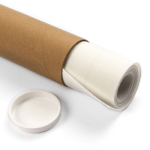
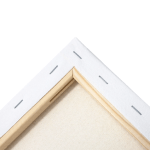


SAMPLES OF QUALITY
Recent Hand-Painted Reproductions
Discover some of our latest oil paintings, each one carefully hand-painted on canvas.

AS SEEN IN






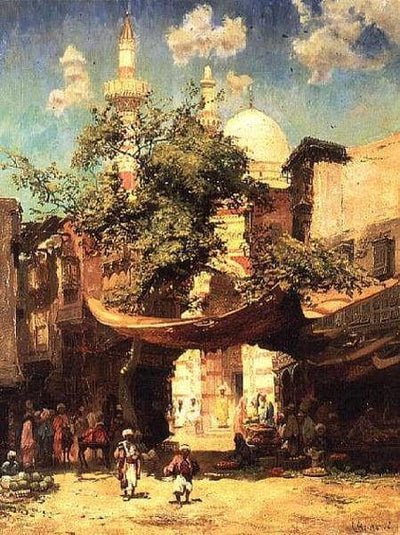
by Cesare Biseo
Handmade Oil Painting on Canvas Art Reproduction, Museum-quality

The six dominant colors measured from the painting, with the share of canvas each one covers. Click a swatch to copy its hex code.
Processing & Shipping Time
Your delivery time includes two parts:
Shipping Methods
We ship with trusted couriers like FedEx, UPS, and DHL. Every shipment includes a tracking code.
Our goal is to deliver your order safely and quickly.
Shipment Safety Measures
We handle your products with care so they arrive in perfect condition:
Every product is insured and delivered right to your door, so you can feel confident buying from us.
Every Art & See painting is created by artists with 15+ years of experience using professional-grade oil paints and premium linen canvas with UV-resistant protective coating, the same museum-grade materials used in galleries worldwide. Each piece goes through quality review before your approval photos are taken. If after delivery you have any concerns about your painting, contact us at [email protected] and our team will work with you on the best path forward.
Full Warranty
Every painting is protected against physical damage during shipping. If your painting arrives damaged, we repair or replace it, free of charge.
Coverage Details
Transit damage (crushed, torn, water damage): we repair or replace at no cost. Please note that damages resulting from accidents or inappropriate use are not covered under this warranty.
Repair or Replace
Depending on the extent of damage, the affected painting will either be repaired or replaced at no additional cost to you.
Free Service
All warranty services are provided absolutely free of charge.
We want you to absolutely love your handmade artwork. Here's how it works:
In the rare case you approve the photos and the artwork has been shipped and delivered to you, and you still want additional modification requests, we can handle it as a courtesy at our discretion. If accepted, you cover the return shipping cost.
| Type | Hand-Painted Oil Painting Reproduction |
| Original Artist | Cesare Biseo |
| Price Range | $350 to $1,150 |
| Shipping | Free Worldwide |
| Returns | 90-Day Returns |
| Medium | Oil on Canvas |
| Canvas | Museum-Grade Linen Canvas |
| Technique | Hand-painted brushstroke-by-brushstroke |
| Art Style | Orientalism |
| Period | 19th Century |
| Artist Nationality | Italian |
| Orientation | Vertical |
| Subject | Architectural, Botanicals, Botanicals tree, Cultural heritage |
| Available Sizes | 7 (15'' W × 20'' H to 51'' W × 68'' H, including the original size), plus custom sizes |
| Framing Options | Unframed, Stretched Canvas, Classic & Modern Frames |
| Delivery | 14–28 business days |
| Size | 48.2 × 64.7 cm (19 × 25.5 in) |
| Year | 1870 |
Zakat, one of the Five Pillars of Islam, represents a vital practice of charity and social responsibility. It mandates Muslims to give a portion of their wealth to those in need, fostering a sense of community and support. Historically, Zakat has roots in the Quran, where it is emphasized as a means to purify one's wealth and soul. This practice dates back to the time of the Prophet Muhammad, who encouraged his followers to care for the less fortunate, establishing a tradition that continues to thrive today.
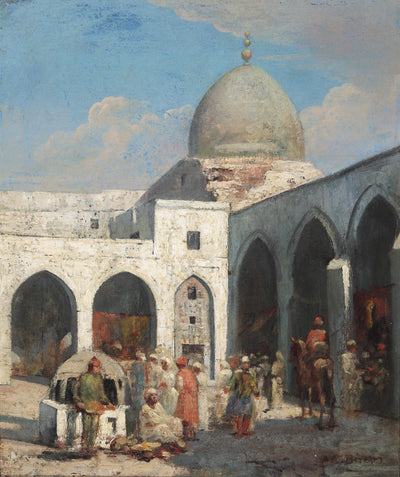
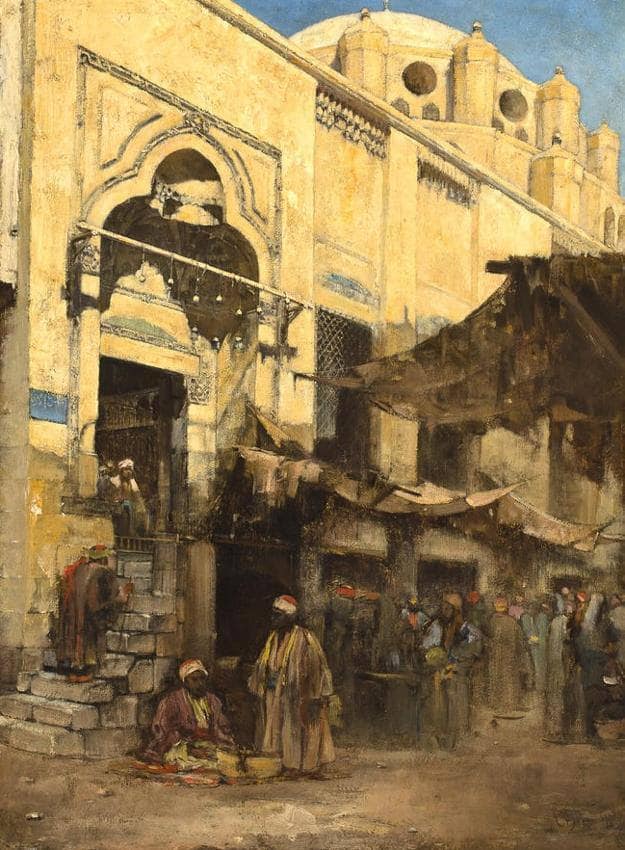
In contemporary society, Zakat has evolved into a powerful tool for social change. Many organizations now facilitate the collection and distribution of Zakat, ensuring that it reaches those who need it most. This modern approach not only enhances the impact of charitable giving but also raises awareness about poverty and inequality. The painting "Offering of the Zakat" by Cesare Biseo captures this essence, illustrating the timeless importance of charity in fostering compassion and community support.
Cesare Biseo, an Italian painter born in 1843, is renowned for his captivating depictions of Middle Eastern life. His travels to North Africa and the Middle East deeply influenced his artistic vision. Biseo's works often reflect a blend of realism and romanticism, showcasing the rich cultural tapestry of the regions he explored. His dedication to capturing the essence of Islamic traditions is evident in "Offering of the Zakat," where he portrays a moment of profound generosity and community spirit.
Biseo's art frequently revolves around themes of faith, charity, and the interconnectedness of communities. In "Offering of the Zakat," he emphasizes the importance of giving and the moral obligation to support those in need. This painting serves as a visual reminder of the values that underpin Islamic teachings, highlighting the beauty of altruism and compassion.
Unlike many of his contemporaries, Biseo's focus on Islamic culture sets him apart. While artists like Jean-Léon Gér√¥me depicted exoticized views of the East, Biseo approached his subjects with respect and authenticity. His attention to detail and commitment to portraying the true essence of his subjects make his work stand out in the realm of 19th-century Orientalism.
The color palette in "Offering of the Zakat" is rich and vibrant, using warm earth tones to evoke a sense of warmth and community. The deep reds and golds symbolize generosity and prosperity, while the cooler blues and greens provide a calming contrast. This thoughtful use of color enhances the emotional depth of the scene, inviting viewers to connect with the characters and their actions.
Biseo masterfully employs light and shadow to create a dynamic composition. The interplay of light highlights the figures engaged in the act of giving, drawing attention to their expressions and gestures. This technique not only adds depth to the painting but also emphasizes the significance of the moment being captured.
The composition of "Offering of the Zakat" is carefully arranged to guide the viewer's eye through the scene. Biseo places the central figures in a triangular formation, symbolizing unity and connection. The surrounding elements, such as traditional textiles and architectural details, enrich the narrative, providing context and cultural references that enhance the viewer's understanding.
Biseo's attention to gesture and expression adds layers of meaning to the painting. The outstretched hands of the donor signify generosity, while the expressions of the recipients convey a mix of humility and appreciation. These subtle details invite viewers to reflect on the emotional weight of charitable acts and their significance in fostering community bonds.
The setting of "Offering of the Zakat" is rich with cultural references. The architectural elements and traditional attire transport viewers to a specific time and place, grounding the narrative in its historical context. Biseo's choice of setting not only enhances the authenticity of the scene but also serves as a reminder of the enduring relevance of Zakat in Islamic culture.
Biseo's mastery of oil painting techniques is evident in "Offering of the Zakat." His brushwork is both delicate and expressive, creating a sense of movement and life within the painting. The texture of the fabric and the intricate details of the setting showcase his skill in rendering realistic surfaces, inviting viewers to appreciate the craftsmanship behind the artwork.
Through layering and glazing techniques, Biseo achieves a remarkable depth in his work. These methods allow him to build up color and texture gradually, resulting in a luminous quality that enhances the overall visual impact. This approach not only adds richness to the painting but also reflects the complexity of the themes he explores.
Biseo's artistic style is heavily influenced by the techniques of the Italian Renaissance. His understanding of perspective and composition reflects the mastery of artists like Raphael and Titian. By incorporating these classical techniques into his depictions of Islamic culture, Biseo creates a unique fusion that resonates with viewers across different backgrounds.
Art has the power to inspire social awareness and promote charitable actions. Biseo's "Offering of the Zakat" serves as a poignant reminder of the impact of generosity. By depicting a moment of giving, the painting encourages viewers to reflect on their own contributions to society and the importance of helping others.
The scene captures a moment of Islamic charity, illustrating the practice of Zakat, which has been a fundamental aspect of Islamic tradition for centuries. It highlights the importance of community support and the moral obligation to assist those in need.
Biseo's travels to the Middle East and his deep appreciation for Islamic culture inform the themes of faith and charity in his work. His experiences allow him to portray these themes authentically and respectfully.
Biseo used techniques such as light and shadow, expressive gestures, and a rich color palette to convey the emotional depth of charity. His attention to detail enhances the viewer's connection to the characters and their actions.
The painting aims to evoke feelings of empathy, compassion, and reflection. It encourages viewers to consider the importance of charity and their role in supporting their communities.
Biseo's work stands out for its authenticity and respect for Islamic culture. Unlike many contemporaries who exoticized the East, Biseo captures the true essence of charity within the context of Islamic tradition.
When analyzing "Offering of the Zakat," pay attention to the characters' gestures, expressions, and the use of color and light. These elements reveal the emotional depth and cultural significance of the scene.
To appreciate Biseo's style, observe his brushwork, texture, and the way he captures light. Understanding his influences from the Italian Renaissance can also enhance your appreciation of his unique approach to depicting Islamic themes.
When purchasing a reproduction, consider the quality of the materials used, the accuracy of the colors, and the level of detail. A high-quality oil painting reproduction will capture the essence of Biseo's original work far better than a simple print.
Look for reputable art reproduction companies that specialize in oil paintings. Check for reviews and examples of their work to ensure they can replicate the texture and depth of Biseo's original painting.

Discover some of our latest oil paintings, each one carefully hand-painted on canvas.
At Art & See, we're committed to delivering the highest quality art reproductions. Our team of expert artists and state-of-the-art processes ensure that each piece is a masterpiece in its own right.

Experience your masterpiece's creation through daily photos from our expert artists, each with 15+ years of experience.

Your artwork travels first class via UPS, FedEx, or DHL, protected by museum-grade packaging for safe delivery.

Review unedited photos of your finished painting and request unlimited free revisions before it ships. We only ship when you say it's perfect.

Every piece is crafted with archival materials, UV-resistant finishes, and premium British paints to last generations.
Yes, 100% hand-painted with oil on canvas by artists with 15+ years of experience. No prints, no digital shortcuts. You'll see and feel real brushstrokes, just like the original Cesare Biseo masterpiece.
Your Offering of the Zakat reproduction takes 2–5 weeks to hand-paint depending on size and detail. Once approved, shipping takes 5–8 days via FedEx, UPS, or DHL with full tracking. Free worldwide shipping included.
Absolutely. Once your Offering of the Zakat is complete, we send you unedited photos, a full view and close-up details. Request unlimited free revisions until you're 100% satisfied. We don't ship until you say "yes."
Every painting goes through our Preview & Approve process: you receive unedited photos of your finished Cesare Biseo reproduction and can request unlimited free revisions before it ships. We only ship when you say it's perfect. If after delivery you have any concerns, contact us at [email protected] and our team will work with you on the best path forward.
Professional-grade oil paints (Windsor & Newton) on premium linen canvas with UV-resistant protective coating. Museum-grade materials built to last generations, the same quality used in galleries worldwide.
Our artists specialize in Cesare Biseo's technique: color accuracy, brushwork, and composition are matched to the original. Every reproduction goes through quality review before your approval photos are taken.
Every painting is insured and delivered door-to-door. Unframed paintings ship in protective hard tubes. Framed paintings are bubble-wrapped in sturdy boxes. If anything arrives damaged, we repair or replace it free.
Dive into the vibrant world of Historic Art. Discover your next painting today.