Exploring the Historical Significance of Pope Pius VII
The Life and Legacy of Barnaba Chiaramonti
Early Life and Papacy of Pope Pius VII
Pope Pius VII, born Barnaba Chiaramonti in 1742, rose to prominence during a tumultuous period in European history. He became pope in 1800, following the chaos of the French Revolution. His papacy lasted until 1823, making him one of the longest-serving popes of the modern era. Pius VII is known for his efforts to restore the Catholic Church's influence after the upheaval caused by Napoleon Bonaparte.
His early life in Cesena, Italy, shaped his character and leadership style. He was educated in a Jesuit school, which instilled in him a deep commitment to the Church and its teachings. Pius VII's papacy was marked by significant events, including the Concordat of 1801, which reestablished relations between the papacy and France. This agreement allowed him to navigate the complex political landscape of Europe while maintaining the Church's authority.
Influence on the Catholic Church and European Politics
Pope Pius VII played a crucial role in the Catholic Church's resurgence in Europe. He worked tirelessly to restore the Church's properties and influence after the secularization efforts of the French Revolution. His diplomatic skills were evident as he balanced relationships with various European powers, including France, Austria, and Spain.
His commitment to education and social justice also marked his papacy. Pius VII established new seminaries and supported missionary work, emphasizing the importance of faith in public life. His legacy includes a strengthened Church that adapted to the changing political landscape of the 19th century.
Artistic Mastery of Vincenzo Camuccini
Vincenzo Camuccini: A Pioneer of Neoclassical Painting
Vincenzo Camuccini, an influential Italian painter, is celebrated for his
neoclassical style. Born in 1771, he became known for his ability to blend classical themes with emotional depth. His works often reflect a reverence for history and a commitment to portraying subjects with dignity and grace.
Camuccini's artistic journey was marked by his studies in Rome, where he absorbed the influences of the great masters. His dedication to the neoclassical movement allowed him to create works that resonated with both contemporary audiences and future generations.
Techniques and Styles in Camuccini's Work
Camuccini employed a variety of techniques that showcased his mastery of oil painting. He skillfully used chiaroscuro to create depth and dimension, giving his subjects a lifelike quality. His attention to detail is evident in the textures of fabrics and the subtleties of facial expressions.
The color palette in Camuccini's works often features rich, warm tones that evoke a sense of nobility and reverence. This approach is particularly evident in his
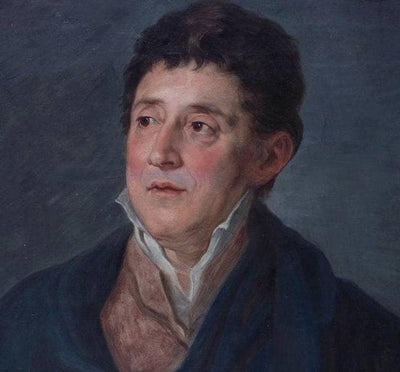
portrait of Pope Pius VII, where the colors enhance the subject's authority and presence.
Notable Works and Contributions to Art
In addition to the portrait of Pope Pius VII, Camuccini created several notable works, including historical and
religious paintings. His ability to capture the essence of his subjects made him a sought-after artist in his time. He contributed significantly to the neoclassical movement, influencing many artists who followed.
Camuccini's dedication to his craft and his innovative techniques solidified his place in art history. His works continue to be studied and admired for their beauty and emotional resonance.
In-Depth Analysis of the Portrait of Pope Pius VII
Composition and Color Palette: A Closer Look
The portrait of Pope Pius VII is a masterful composition that captures the essence of the pontiff. Camuccini arranged the elements thoughtfully, placing the pope in a dignified pose that conveys authority and wisdom. The background is subtly rendered, allowing the viewer's focus to remain on the pope.
The color palette is rich and harmonious, featuring deep reds and golds that symbolize the papal office. These colors not only enhance the visual appeal but also reflect the power and sanctity of the pope's role.
Symbolism in the Use of Colors and Textures
Camuccini's use of color and texture in this portrait is laden with
symbolism. The red of the papal robes signifies the blood of
martyrs, while the gold accents represent divine light and glory. The textures of the fabric are rendered with precision, adding a tactile quality that invites viewers to appreciate the craftsmanship.
The overall composition serves to elevate Pope Pius VII as a spiritual leader, embodying the ideals of the Catholic Church during a time of great change.
Facial Expressions and Their Significance
The facial expression of Pope Pius VII in this portrait is one of calm determination. His serene gaze reflects his deep faith and commitment to his duties. Camuccini captured the nuances of the pope's character, portraying him as both a spiritual guide and a political leader.
This expression resonates with viewers, inviting them to connect with the pope on a personal level. It emphasizes the importance of leadership in both religious and secular realms.
The Cultural Context of the Portrait
Art in the Early 19th Century: A Reflection of Society
The early 19th century was a period of significant change in Europe, marked by political upheaval and social transformation. Art during this time often reflected the tensions between tradition and modernity. Camuccini's portrait of Pope Pius VII embodies this struggle, showcasing the enduring power of the Church amidst a rapidly changing world.
Artists sought to capture the essence of their subjects while addressing contemporary issues. The portrait serves as a reminder of the Church's role in providing stability and guidance during uncertain times.
Religious and Political Themes in Art
Religious themes were prevalent in early 19th-century art, as artists explored the intersection of faith and politics. The portrait of Pope Pius VII is a prime example of this trend, highlighting the pope's dual role as a spiritual leader and a political figure.
Camuccini's work reflects the complexities of the era, where art became a medium for expressing both devotion and the challenges faced by the Church.
Public Reception of Portraits During the Papacy
When Camuccini's portrait of Pope Pius VII was unveiled, it received widespread acclaim. The public appreciated the artist's ability to capture the pope's dignity and grace. Portraits of popes were significant during this time, as they served to reinforce the authority of the papacy.
The positive reception of this portrait contributed to the ongoing dialogue about the role of the Church in society. It became a symbol of hope and stability for many during a time of uncertainty.
Comparative Study: Portraits of Other Popes
Contrasting Styles: Pius VII vs. His Predecessors
The portrait of Pope Pius VII stands out when compared to portraits of his predecessors. While earlier papal portraits often emphasized grandeur and opulence, Camuccini's work focuses on the pope's character and humanity. This shift reflects the changing attitudes towards leadership and authority in the early 19th century.
Camuccini's neoclassical style contrasts with the
baroque influences seen in earlier portraits, showcasing a more restrained and dignified approach.
Influence of Artistic Movements on Papal Portraits
Artistic movements significantly influenced the portrayal of popes throughout history. The neoclassical movement, which emphasized simplicity and clarity, is evident in Camuccini's portrait. This style allowed for a more personal connection between the viewer and the subject, moving away from the grandiosity of previous eras.
The evolution of artistic styles mirrors the changing perceptions of the papacy and its role in society.
Iconography in Papal Portraiture: A Historical Overview
Papal portraits have long been rich in iconography, with symbols representing the pope's authority and divine connection. In Camuccini's portrait, the use of traditional papal attire and the serene expression of Pope Pius VII convey his spiritual leadership.
This iconography serves to reinforce the pope's role as a mediator between God and the faithful, a theme that resonates throughout the history of papal portraiture.
Preservation and Restoration of the Original Painting
Challenges in Maintaining Historical Artworks
Preserving historical artworks like Camuccini's portrait of Pope Pius VII presents unique challenges. Factors such as environmental conditions, light exposure, and physical wear can threaten the integrity of the painting.
Conservators work diligently to protect these treasures, ensuring that future generations can appreciate their beauty and historical significance.
Techniques Used in Art Restoration
Art restoration involves a variety of techniques aimed at preserving the original work while maintaining its integrity. Conservators may use specialized cleaning methods, careful retouching, and protective coatings to safeguard the painting.
These techniques require a deep understanding of the materials and methods used by the original artist, ensuring that the restoration process honors the artwork's history.
Importance of Conservation for Future Generations
Conservation is vital for preserving the
cultural heritage embodied in artworks like the portrait of Pope Pius VII. By maintaining these pieces, we ensure that future generations can connect with their history and appreciate the artistry of the past.
The ongoing efforts to conserve and restore historical paintings reflect our commitment to preserving the legacy of artists like Vincenzo Camuccini.
Frequently Asked Questions (FAQs)
Common Queries About the Portrait of Pope Pius VII
What is the historical context of the Portrait of Pope Pius VII?
The portrait of Pope Pius VII was created during a time of significant political and religious upheaval in Europe. It reflects the pope's efforts to restore the Catholic Church's influence after the French Revolution and his role in navigating complex political landscapes.
What artistic techniques did Vincenzo Camuccini use in this painting?
Camuccini employed techniques such as chiaroscuro to create depth and dimension. His attention to detail and use of a rich color palette enhance the lifelike quality of the portrait, making it a standout example of neoclassical art.
How does this portrait reflect the personality of Pope Pius VII?
The portrait captures Pope Pius VII's calm determination and deep faith. His serene expression and dignified pose convey his commitment to his spiritual and political responsibilities, inviting viewers to connect with his character.
What are the notable features of the painting's composition?
The composition features a thoughtful arrangement that emphasizes the pope's authority. The rich colors and textures enhance the visual appeal, while the background remains subtle, allowing the viewer's focus to remain on Pope Pius VII.
How was the portrait received by the public at the time of its unveiling?
Upon its unveiling, the portrait received widespread acclaim for its ability to capture the dignity and grace of Pope Pius VII. It became a symbol of hope and stability during a time of uncertainty, reinforcing the authority of the papacy.
Questions About the Painting Reproduction
What should I consider when purchasing a reproduction of this painting?
When purchasing a reproduction of the portrait of Pope Pius VII, consider the quality of materials used, the level of detail, and the artist's technique. A high-quality painting reproduction will capture the essence of the original artwork far better than a simple print.
How can I ensure the quality of a reproduction of Pope Pius VII's portrait?
To ensure the quality of a reproduction, look for reputable artists or galleries that specialize in art reproductions. Check for reviews and examples of their work to confirm that they can deliver a faithful representation of Camuccini's masterpiece.
 4.9/5
4.9/5