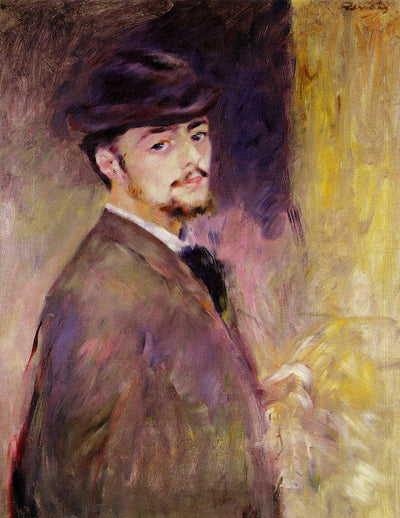
Exploring the Essence of Self-Portrait at the Age of Thirty-Five by Pierre-Auguste Renoir
Artistic Journey: Renoir's Life and Influences
Renoir's Early Years: The Formative Influences on His Art
Pierre-Auguste Renoir was born on February 25, 1841, in Limoges, France. Growing up in a working-class family, he developed a passion for art early on. His early exposure to the vibrant colors of porcelain painting and the lively atmosphere of Parisian life shaped his artistic vision. Renoir's experiences in the bustling streets of Paris and his interactions with fellow artists laid the groundwork for his future masterpieces.
The Impressionist Movement: A Catalyst for Renoir's Style
Renoir became a key figure in the
Impressionist movement, which revolutionized the art world in the late 19th century. This movement emphasized capturing light and everyday moments, breaking away from traditional techniques. Renoir's
self-portrait reflects this shift, showcasing his unique ability to blend
realism with impressionistic flair. His work often celebrated the beauty of life, focusing on themes of joy and human connection.
Personal Struggles: The Context Behind the Self-Portrait
At thirty-five, Renoir faced both personal and professional challenges. He grappled with the pressures of being a leading artist while navigating the complexities of his relationships. This self-portrait serves as a window into his soul, revealing the introspection and vulnerability he experienced during this pivotal time in his life. The painting captures not just his likeness but also the emotional weight of his journey.
Visual Analysis: Unpacking the Composition of Self-Portrait at the Age of Thirty-Five
Color Palette: The Vibrant Hues and Their Emotional Impact
Renoir's self-portrait bursts with a rich color palette, featuring warm reds, soft blues, and earthy tones. These vibrant hues evoke feelings of warmth and intimacy, inviting viewers to connect with the artist on a personal level. The colors reflect Renoir's optimistic outlook on life, showcasing his ability to find beauty in the everyday.
Brushwork Techniques: Capturing Light and Texture
Renoir's signature brushwork is evident in this self-portrait. He employed loose, fluid strokes to create a sense of movement and light. This technique allows the viewer to feel the texture of his skin and the fabric of his clothing. The interplay of light and shadow adds depth, making the painting come alive with energy.
Facial Expression: The Story Behind Renoir's Gaze
Renoir's gaze in this self-portrait is both contemplative and inviting. His expression reflects a blend of confidence and introspection, drawing viewers into his world. This emotional depth invites us to ponder the thoughts and feelings that lie beneath the surface, making the painting a powerful exploration of identity.
Symbolism and Themes: What the Self-Portrait Reveals
Identity and Self-Reflection: A Glimpse into Renoir's Soul
This self-portrait is more than just a representation of Renoir's physical appearance; it is a profound exploration of his identity. The act of painting oneself is an intimate journey of self-discovery. Renoir's choice to depict himself at this age signifies a moment of reflection, capturing the essence of who he was as an artist and individual.
Age and Experience: The Significance of Thirty-Five
At thirty-five, Renoir was at a crucial juncture in his career. This age symbolizes a blend of youthful ambition and mature wisdom. The self-portrait encapsulates the experiences that shaped him, highlighting the importance of age in the artistic process. It serves as a reminder that every year brings new insights and perspectives.
Art as a Mirror: The Role of Self-Portraits in Artistic Expression
Self-
portraits have long served as a mirror for artists, reflecting their inner thoughts and emotions. Renoir's self-portrait is no exception. It invites viewers to consider the relationship between the artist and their work, emphasizing the personal
nature of artistic expression. Through this painting, Renoir communicates his journey, struggles, and triumphs.
Historical Context: The Art World in the Late 19th Century
Renoir's Peers: Influences from Other Renowned Artists
During Renoir's time, he interacted with other influential artists such as
Claude Monet,
Edgar Degas, and
Camille Pissarro. These relationships fostered a collaborative spirit that enriched his work. The exchange of ideas among these Impressionists pushed the boundaries of traditional art, allowing Renoir to develop his distinctive style.
Public Reception: How the Painting Was Initially Viewed
When Renoir unveiled this self-portrait, it received mixed reviews. Some critics praised its emotional depth and innovative style, while others struggled to understand the Impressionist approach. Over time, however, the painting gained recognition as a significant work, solidifying Renoir's place in art history.
Legacy: The Impact of Renoir's Self-Portrait on Future Generations
Renoir's self-portrait has left a lasting legacy, influencing countless artists who followed. Its exploration of identity and emotion paved the way for future self-portraits in
modern art. The painting continues to inspire discussions about the role of the artist and the significance of self-representation in art.
Comparative Analysis: Renoir's Self-Portrait vs. Other Notable Self-Portraits
Contrasting Styles: Renoir vs. Van Gogh
While both Renoir and
Vincent van Gogh are celebrated for their unique styles, their approaches to self-portraiture differ significantly. Renoir's work is characterized by soft, flowing lines and a focus on light, while Van Gogh's self-portraits are marked by bold colors and expressive brushwork. This contrast highlights the diverse ways artists convey their identities.
Emotional Depth: How Renoir's Approach Differs from Rembrandt's
Rembrandt's self-portraits often delve into themes of mortality and introspection, showcasing a darker emotional landscape. In contrast, Renoir's self-portrait radiates warmth and optimism. This difference in emotional tone reflects the artists' unique perspectives and the eras in which they created.
Self-Portraits Through Time: Evolution of Artistic Self-Representation
The tradition of self-portraiture has evolved over centuries. From the detailed realism of the
Renaissance to the expressive styles of the Impressionists, artists have used self-portraits to explore their identities. Renoir's self-portrait stands as a pivotal moment in this evolution, bridging the gap between traditional and modern artistic expression.
Artistic Techniques: Renoir's Signature Style in Self-Portrait
Impressionism vs. Realism: The Balance in Renoir's Work
Renoir masterfully balances
Impressionism and realism in his self-portrait. While he captures the essence of his likeness, he also embraces the spontaneity of Impressionism. This blend creates a dynamic representation that feels both authentic and alive, showcasing Renoir's technical prowess.
Use of Light: Techniques That Define Renoir's Art
Light plays a crucial role in Renoir's self-portrait. He skillfully uses natural light to illuminate his features, creating a sense of depth and dimension. This technique enhances the emotional impact of the painting, drawing viewers into the intimate moment captured on canvas.
Texture and Detail: The Craftsmanship Behind the Painting
Renoir's attention to detail is evident in the texture of his self-portrait. The careful rendering of fabric and skin showcases his dedication to craftsmanship. This meticulous approach elevates the painting, making it a stunning example of Renoir's artistic skill.
Personal Insights: The Artist's Perspective on His Work
Renoir's Reflections: What This Self-Portrait Means to Him
For Renoir, this self-portrait was a means of self-exploration. He viewed it as a way to communicate his thoughts and feelings to the world. The painting encapsulates his journey as an artist, reflecting his aspirations and the challenges he faced.
Behind the Canvas: The Process of Creating the Self-Portrait
Creating this self-portrait was a deeply personal process for Renoir. He often painted from life, using a mirror to capture his likeness. This method allowed him to engage with his subject intimately, resulting in a work that feels genuine and heartfelt.
Emotional Resonance: How Renoir Connected with His Audience
Renoir's self-portrait resonates with viewers on an emotional level. His ability to convey vulnerability and strength invites audiences to connect with him as both an artist and a person. This emotional connection is a hallmark of Renoir's work, making it timeless and relatable.
FAQs About Self-Portrait at the Age of Thirty-Five
What inspired Renoir to create his self-portrait at thirty-five?
Renoir was inspired by his desire to reflect on his identity and experiences as an artist. This self-portrait allowed him to explore his inner thoughts and emotions during a pivotal time in his life.
How does Renoir's self-portrait reflect his artistic style?
Renoir's self-portrait showcases his Impressionist style through vibrant colors, dynamic brushwork, and a focus on light. It captures the essence of his artistic vision while revealing his personal journey.
What emotions are conveyed through Renoir's expression in the painting?
Renoir's expression conveys a mix of confidence and introspection. His gaze invites viewers to connect with his emotional depth, reflecting the complexities of his life as an artist.
How was the painting received by critics at the time of its unveiling?
Initially, the painting received mixed reviews. Some critics appreciated its emotional depth, while others struggled to understand its Impressionist style. Over time, it gained recognition as a significant work in art history.
What techniques did Renoir use to achieve the painting's vibrant colors?
Renoir used a combination of layered brushstrokes and a rich color palette to achieve the painting's vibrant hues. His mastery of light and shadow enhances the emotional impact of the work.
How does this self-portrait compare to Renoir's other works?
This self-portrait stands out among Renoir's works for its introspective nature and emotional depth. It reflects his unique perspective as an artist and his ability to convey personal experiences through art.
What should I know about reproducing Renoir's self-portrait for my collection?
When reproducing Renoir's self-portrait, consider investing in high-quality oil painting reproductions. These reproductions capture the texture and vibrancy of the original artwork, offering a superior alternative to standard prints.
Are there any notable exhibitions featuring Renoir's self-portrait?
Renoir's self-portrait has been featured in various prestigious exhibitions worldwide. Its inclusion in major art museums highlights its significance and enduring appeal in the art community.
 4.9/5
4.9/5