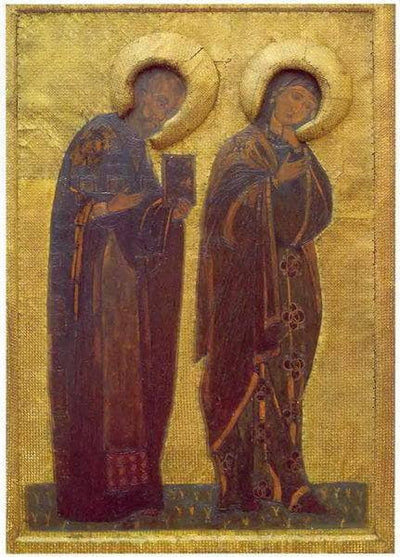
The King's Gate: An Exploration of Nicholas Roerich's Masterpiece
Unveiling the Mystique of The King's Gate
Historical Context and Artistic Significance
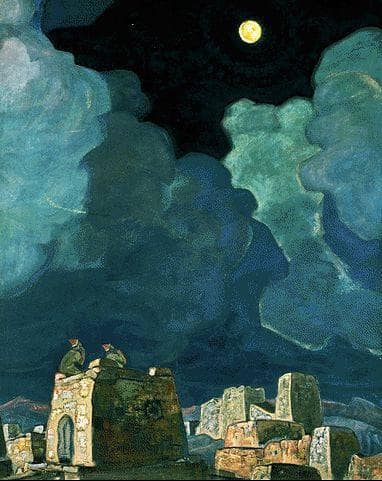
Nicholas Roerich painted The King's Gate in 1931, during a time of great political and social upheaval. This artwork reflects the artist's deep interest in Eastern spirituality and ancient cultures. Roerich traveled extensively through Asia, gathering inspiration from the landscapes and philosophies he encountered. The King's Gate serves as a visual representation of his quest for harmony and understanding in a chaotic world.
Roerich's work often embodies a sense of mysticism, drawing from his studies of Tibetan Buddhism and Russian folklore. The painting captures a moment of transition, symbolizing the passage between the material and spiritual realms. This duality resonates with viewers, inviting them to explore their own journeys of self-discovery.
Roerich's Unique Style: A Blend of Symbolism and Realism
Roerich's artistic style is a captivating fusion of
symbolism and
realism. He skillfully combines detailed landscapes with symbolic elements that convey deeper meanings. In The King's Gate, the majestic
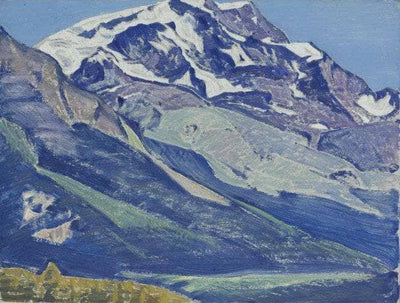
mountains and intricate architecture reflect his fascination with
nature and human achievement. This blend creates a rich tapestry that engages the viewer's imagination.
The artist's use of light and shadow enhances the painting's depth, drawing attention to the gate as a focal point. This technique not only highlights the
architectural details but also evokes a sense of mystery and wonder. Roerich's ability to merge these styles sets him apart from his contemporaries, making his work timeless and relevant.
Visual Elements of The King's Gate
Color Palette: The Harmony of Earthy Tones and Vibrant Hues
The color palette of The King's Gate is a striking combination of earthy tones and vibrant hues. Roerich employs rich reds, deep blues, and warm golds to create a sense of warmth and vitality. These colors not only enhance the visual appeal but also evoke emotional responses, inviting viewers to connect with the painting on a personal level.
The earthy tones ground the composition, while the vibrant hues add a sense of life and energy. This harmonious blend reflects Roerich's belief in the interconnectedness of nature and humanity. Each color choice serves a purpose, contributing to the overall narrative of the painting.
Composition: The Intricate Balance of Foreground and Background
The composition of The King's Gate showcases Roerich's mastery of balance. The foreground features the grand gate, adorned with intricate details, while the background reveals a breathtaking landscape of mountains and
skies. This careful arrangement creates a sense of depth and perspective, drawing the viewer's eye into the scene.
Roerich's use of leading lines guides the viewer's gaze toward the gate, symbolizing a journey or passage. The interplay between the foreground and background invites contemplation, encouraging viewers to reflect on their own paths in life. This dynamic composition is a hallmark of Roerich's artistic approach.
Symbolism in The King's Gate: A Journey Through Meaning
The King's Gate is rich in symbolism, inviting viewers to explore its deeper meanings. The gate itself represents a threshold, a point of transition between different states of being. It symbolizes the journey from the known to the unknown, from the material to the spiritual.
Additionally, the mountains in the background symbolize stability and permanence, contrasting with the ephemeral nature of human life. Roerich's choice of elements reflects his belief in the importance of spiritual growth and exploration. Each aspect of the painting contributes to a larger narrative about the human experience.
Thematic Depth: Exploring the Narrative Behind the Painting
Mythical Inspirations: The Influence of Eastern Philosophy
Roerich drew inspiration from Eastern philosophies, particularly the teachings of Buddhism and Hinduism. The King's Gate embodies themes of enlightenment and spiritual awakening. The gate serves as a metaphor for the journey toward higher consciousness, encouraging viewers to seek their own paths to understanding.
The mythical elements in the painting resonate with ancient stories and legends, adding layers of meaning. Roerich's fascination with mythology enriches the narrative, inviting viewers to explore the connections between art, culture, and spirituality.
Nature and Spirituality: Roerich's Connection to the Natural World
Roerich had a profound connection to nature, which is evident in The King's Gate. He believed that nature held spiritual significance and that it could inspire personal growth. The painting captures the beauty of the natural world, emphasizing its role in the human experience.
The majestic mountains and serene skies reflect Roerich's reverence for the environment. He often sought to convey the idea that nature is a source of wisdom and inspiration. This connection to the natural world is a recurring theme in his work, making it resonate with audiences who share a similar appreciation.
Roerich's Artistic Journey: From Russia to the World
Biographical Insights: The Life of Nicholas Roerich
Nicholas Roerich was born in 1874 in
Saint Petersburg, Russia. He was not only a painter but also an archaeologist, writer, and philosopher. His diverse interests shaped his artistic vision and led him to explore various cultures and traditions. Roerich's travels through Asia profoundly influenced his work, as he sought to capture the essence of the landscapes and spiritual practices he encountered.
Throughout his life, Roerich advocated for peace and cultural exchange. He believed in the power of art to unite people and promote understanding. His legacy extends beyond painting, as he played a significant role in the establishment of the Roerich Pact, which aimed to protect
cultural heritage during times of conflict.
Artistic Evolution: Key Milestones in Roerich's Career
Roerich's artistic journey is marked by several key milestones. He began his career as a traditional painter, but his experiences in Asia led him to develop a unique style that blended realism with symbolism. His participation in exhibitions across Europe and America helped establish his reputation as a leading artist of his time.
The King's Gate represents a culmination of Roerich's artistic evolution. It showcases his mastery of color, composition, and symbolism, reflecting his deep understanding of the human experience. This painting stands as a testament to his dedication to exploring the spiritual dimensions of art.
Comparative Analysis: The King's Gate and Other Works by Roerich
Contrasting Themes: Similarities and Differences with Other Paintings
When comparing The King's Gate to other works by Roerich, themes of spirituality and nature emerge prominently. However, each painting offers a unique perspective. For instance, while The King's Gate focuses on the journey of enlightenment, other works may emphasize the beauty of specific landscapes or cultural elements.
Roerich's ability to convey complex themes through visual storytelling sets him apart. Each painting invites viewers to engage with different aspects of the human experience, making his body of work diverse and rich.
Influence on Contemporary Art: Roerich's Legacy in Modern Art
Roerich's influence extends into
contemporary art, where his themes of spirituality and nature continue to resonate. Many modern artists draw inspiration from his unique blend of symbolism and realism. His commitment to cultural preservation and peace remains relevant in today's global landscape.
The King's Gate, with its rich narrative and emotional depth, serves as a source of inspiration for artists seeking to explore similar themes. Roerich's legacy endures, reminding us of the power of art to transcend boundaries and connect us to our shared humanity.
Experiencing The King's Gate: A Personal Reflection
Emotional Resonance: What the Painting Evokes in Viewers
The King's Gate evokes a range of emotions in viewers. Many feel a sense of wonder and curiosity when gazing at the majestic gate and the surrounding landscape. The painting invites introspection, encouraging viewers to reflect on their own journeys and aspirations.
The emotional resonance of The King's Gate lies in its ability to connect with the viewer's personal experiences. Each individual may interpret the painting differently, finding meaning that speaks to their own life and beliefs.
Visiting Exhibitions: Where to See The King's Gate in Person
Art enthusiasts can experience The King's Gate in various exhibitions around the world. Major museums and galleries often feature Roerich's work, allowing visitors to appreciate the painting's intricate details and vibrant colors up close. Checking local art calendars and museum websites can provide information on upcoming exhibitions.
Seeing The King's Gate in person offers a unique opportunity to connect with Roerich's vision and artistry. The experience can deepen one's appreciation for the painting and its significance in the art world.
FAQs About The King's Gate
What is the story behind The King's Gate painting?
The King's Gate tells a story of transition and spiritual exploration. It symbolizes the journey from the material world to a higher state of consciousness, reflecting Roerich's fascination with Eastern philosophies.
What techniques did Nicholas Roerich use in The King's Gate?
Roerich employed oil painting techniques, utilizing rich colors and detailed brushwork to create depth and texture. His mastery of light and shadow enhances the painting's emotional impact.
How does The King's Gate reflect Roerich's philosophy?
The King's Gate embodies Roerich's belief in the interconnectedness of nature and spirituality. It encourages viewers to seek their own paths to enlightenment and understanding.
What are the main themes depicted in The King's Gate?
The main themes include spiritual awakening, the journey of self-discovery, and the harmony between nature and humanity. The painting invites viewers to explore these concepts in their own lives.
How has The King's Gate been received by art critics?
Art critics have praised The King's Gate for its emotional depth and symbolic richness. Many recognize it as a significant work in Roerich's oeuvre, highlighting its relevance in both historical and contemporary contexts.
FAQs About The King's Gate Reproduction
What should I consider when purchasing a reproduction of The King's Gate?
When purchasing a reproduction, consider the quality of materials used, the level of detail, and the artist's techniques. Look for reproductions that capture the essence of the original painting.
How can I ensure the quality of a reproduction of The King's Gate?
To ensure quality, choose reputable art reproduction companies that specialize in oil painting reproductions. Check customer reviews and request samples if possible to assess the craftsmanship.
 4.7/5
4.7/5