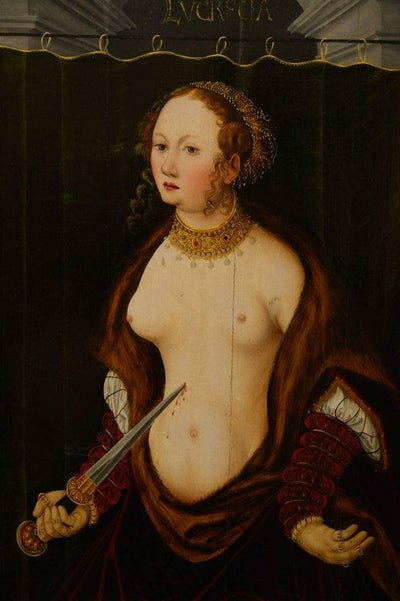
Exploring the Spiritual Essence of Nativity (Holy Night, Christmas) by Lucas Cranach the Elder
Historical Context of the Nativity Scene in Renaissance Art
The Significance of Nativity in Christian Iconography
The Nativity scene holds a profound place in Christian iconography, symbolizing the birth of
Jesus Christ. This moment represents hope, joy, and divine love, making it a central theme in Christian art. Artists throughout history have depicted this sacred event, each adding their unique interpretation and style. The Nativity not only reflects
religious beliefs but also cultural values of the time, showcasing the importance of family and community during the Christmas season.
Lucas Cranach the Elder: A Pioneer of Northern Renaissance
Lucas Cranach the Elder emerged as a leading figure in the
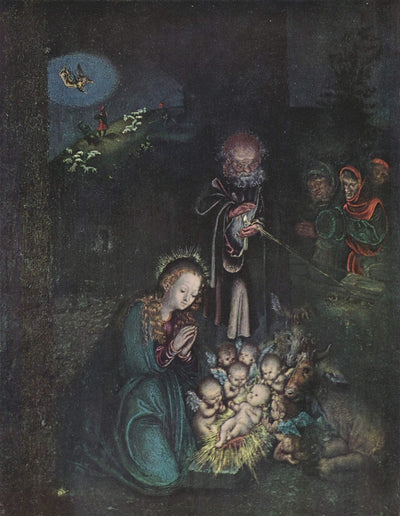
Northern Renaissance, known for his innovative approach to painting. Born in 1472 in Kronach, Germany, he became a court painter for the Electors of Saxony. Cranach's work is characterized by vibrant colors, intricate details, and a deep understanding of human emotion. His Nativity painting exemplifies his mastery and reflects the spiritual fervor of the Reformation period, making him a pivotal artist in the evolution of
religious art.
Influence of Reformation on Cranach's Artistic Themes
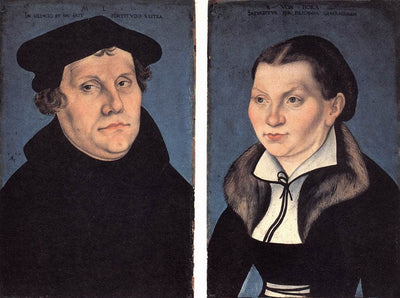
The Protestant Reformation significantly influenced Cranach's artistic themes. As a close friend of Martin Luther, he embraced the Reformation's ideals, which emphasized personal faith and direct access to God. This shift is evident in his Nativity painting, where he focuses on the intimate relationship between Mary, Joseph, and the Christ Child. Cranach's work often includes subtle critiques of Catholic traditions, showcasing his commitment to the new Protestant values.
Visual Elements of Nativity: A Closer Look at Composition and Color
Symbolism of Colors in Cranach's Nativity
Cranach's use of color in the Nativity painting is rich with
symbolism. The deep blues and vibrant reds evoke a sense of serenity and warmth, while the golden hues represent divine light. Each color choice enhances the emotional impact of the scene, inviting viewers to reflect on the significance of Christ's birth. The harmonious palette creates a visual balance that draws the eye to the central figures.
Composition Techniques: Balance and Harmony in the Scene
The composition of Cranach's Nativity is masterfully balanced. The arrangement of figures creates a sense of harmony, guiding the viewer's gaze through the painting. The triangular formation of Mary, Joseph, and the Christ Child establishes a focal point, while the surrounding
angels and shepherds add depth and context. This careful composition reflects Cranach's understanding of visual storytelling, making the scene both engaging and spiritually uplifting.
Figures and Gestures: Expressing Emotion through Body Language
Cranach skillfully captures emotion through the gestures and expressions of the figures in the Nativity. Mary's gentle embrace of the Christ Child conveys maternal love, while Joseph's protective stance reflects his role as a guardian. The angels, with their outstretched arms, symbolize the announcement of joy and peace. Each figure's body language enhances the narrative, inviting viewers to connect with the sacred moment.
Iconography and Symbolism in Nativity (Holy Night)
Key Figures: Mary, Joseph, and the Christ Child
In Cranach's Nativity, Mary, Joseph, and the Christ Child are central figures, embodying the essence of the Christmas story. Mary is often depicted with a serene expression, symbolizing purity and grace. Joseph, portrayed as a humble carpenter, represents strength and devotion. The Christ Child, cradled in Mary's arms, signifies hope and salvation, making this trio the heart of the Nativity scene.
Angels and Shepherds: Representations of Divine Presence
The presence of angels and shepherds in Cranach's Nativity adds layers of meaning. Angels, often depicted with flowing robes and radiant wings, symbolize divine intervention and the heavenly announcement of Christ's birth. Shepherds, representing the common people, highlight the accessibility of Jesus' message. Together, they create a sense of community and shared joy, emphasizing the universal significance of the Nativity.
Animals in the Nativity: Symbolic Meanings and Cultural Significance
Animals play a vital role in the Nativity scene, each carrying symbolic meanings. The
donkey and ox, often depicted in the background, represent humility and service. Their presence reminds viewers of the simple, earthly origins of Christ's birth. Additionally, animals in the Nativity reflect the cultural significance of pastoral life during the
Renaissance, connecting the divine with the everyday experiences of people.
Artistic Techniques: Oil Painting Mastery of Lucas Cranach the Elder
Layering and Texture: The Craft of Oil Painting
Cranach's mastery of oil painting is evident in the layering and texture of his Nativity. He skillfully builds up layers of paint to create depth and richness. This technique allows for a vibrant interplay of colors, enhancing the overall visual impact. The texture adds a tactile quality, inviting viewers to appreciate the craftsmanship behind the artwork.
Use of Light and Shadow: Creating Depth and Dimension
Light and shadow play a crucial role in Cranach's Nativity, creating a sense of depth and dimension. The soft illumination highlights the figures, drawing attention to their expressions and gestures. This careful manipulation of light enhances the spiritual atmosphere, making the scene feel alive and dynamic. Cranach's understanding of chiaroscuro adds a dramatic flair, elevating the emotional resonance of the painting.
Brushwork and Detail: The Fine Art of Cranach's Technique
Cranach's brushwork is meticulous, showcasing his attention to detail. Each stroke contributes to the overall composition, from the delicate folds of clothing to the intricate facial features. This precision reflects his dedication to
realism and his desire to convey the sacredness of the Nativity. The fine details invite viewers to explore the painting closely, revealing new insights with each glance.
Comparative Analysis: Cranach's Nativity vs. Other Renaissance Nativity Paintings
Contrasting Styles: Cranach and His Contemporaries
Cranach's Nativity stands out among other Renaissance Nativity paintings due to its unique style. While artists like
Raphael and
Michelangelo focused on idealized forms and grand compositions, Cranach emphasized emotional connection and narrative clarity. His figures are more relatable, reflecting the everyday experiences of his audience. This approach makes his Nativity a poignant representation of the Christmas story.
Unique Features of Cranach's Nativity Compared to Botticelli's Works
When comparing Cranach's Nativity to Botticelli's works, distinct differences emerge. Botticelli often employed flowing lines and ethereal beauty, while Cranach favored a more grounded and intimate portrayal. Cranach's figures exude warmth and humanity, inviting viewers to engage with the scene on a personal level. This contrast highlights Cranach's innovative approach to religious themes during the Renaissance.
Regional Influences: How German Art Differs from Italian Nativity Scenes
German art during the Renaissance, as exemplified by Cranach, often diverged from Italian styles. While Italian artists focused on classical themes and idealized beauty, German artists like Cranach emphasized narrative and emotional depth. This regional influence is evident in the Nativity, where Cranach's attention to detail and relatable figures reflect the cultural values of Northern Europe. His work captures the spirit of the time, making it a significant contribution to the art world.
The Legacy of Nativity: Impact on Later Art and Culture
Influence on Baroque Nativity Representations
Cranach's Nativity left a lasting impact on
Baroque artists, who drew inspiration from his emotional depth and narrative clarity. The Baroque period embraced dramatic expressions and dynamic compositions, often echoing Cranach's focus on the human experience. His influence can be seen in the works of artists like
Caravaggio, who also sought to convey the sacredness of everyday life through their art.
Modern Interpretations of Cranach's Nativity Theme
Today, Cranach's Nativity continues to inspire modern artists and creators. Contemporary interpretations often explore themes of family, love, and community, reflecting the timeless relevance of the Nativity story. Artists use various mediums, from painting to digital art, to reinterpret Cranach's vision, ensuring that the essence of the Nativity remains alive in modern culture.
Nativity in Popular Culture: From Art to Film and Literature
The Nativity story has transcended art, finding its way into film, literature, and music. Adaptations often draw on the emotional and spiritual themes present in Cranach's work. From classic Christmas films to modern retellings, the Nativity continues to resonate with audiences, reminding us of the joy and hope that the season brings. Cranach's Nativity serves as a visual foundation for these interpretations, enriching our understanding of this beloved story.
FAQs about Nativity (Holy Night, Christmas) by Lucas Cranach the Elder
What is the historical significance of the Nativity scene in art?
The Nativity scene is historically significant as it represents the birth of Jesus Christ, a pivotal event in Christianity. Artists have depicted this scene for centuries, reflecting cultural and religious values.
How does Lucas Cranach's style differ from other Renaissance artists?
Cranach's style differs in its emotional depth and relatable figures. While contemporaries like Raphael focused on idealized beauty, Cranach emphasized narrative clarity and human connection.
What symbols are present in Cranach's Nativity painting?
Cranach's Nativity features symbols such as the donkey and ox, representing humility, and the angels, symbolizing divine presence. Each element adds layers of meaning to the scene.
What techniques did Cranach use to create depth in his paintings?
Cranach used layering, light and shadow, and meticulous brushwork to create depth. These techniques enhance the emotional impact and visual richness of his Nativity.
How has the Nativity theme evolved in art over the centuries?
The Nativity theme has evolved from traditional religious depictions to modern interpretations that explore family and community. Artists continue to draw inspiration from the Nativity story.
What are the key features of the oil painting reproduction of Cranach's Nativity?
Oil painting reproductions of Cranach's Nativity capture the vibrant colors, intricate details, and emotional depth of the original work. They offer a superior alternative to prints, providing a more authentic experience.
How can I display a reproduction of Nativity in my home decor?
Displaying a reproduction of Cranach's Nativity can enhance your home decor. Consider placing it in a living room or entryway, where it can serve as a focal point and conversation starter. Framing it elegantly will further highlight its beauty and significance.