Exploring the Artistic Vision of Kazimir Malevich in "Worker"
Understanding Suprematism: The Movement Behind "Worker"
The Origins of Suprematism and Malevich's Influence
Kazimir Malevich, a pioneering figure in
modern art, founded the Suprematism movement in the early 20th century. This revolutionary style emphasized basic
geometric forms and a limited color palette. Malevich sought to express pure artistic feeling, free from the constraints of representational art. His work, including "Worker," reflects a radical departure from traditional artistic norms, aiming to convey the essence of objects through abstraction.
Key Characteristics of Suprematist Art
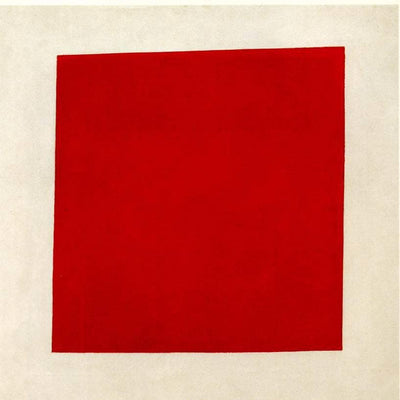
Suprematist art is characterized by its use of simple shapes, such as squares, circles, and rectangles. These forms often float in a vast, undefined space, creating a sense of freedom and movement. The color schemes are typically bold yet minimal, focusing on primary colors and their emotional impact. Malevich's "Worker" exemplifies these traits, showcasing a dynamic interplay of form and color that invites viewers to engage with the artwork on a deeper level.
How "Worker" Embodies Suprematist Principles
In "Worker," Malevich distills the essence of labor into
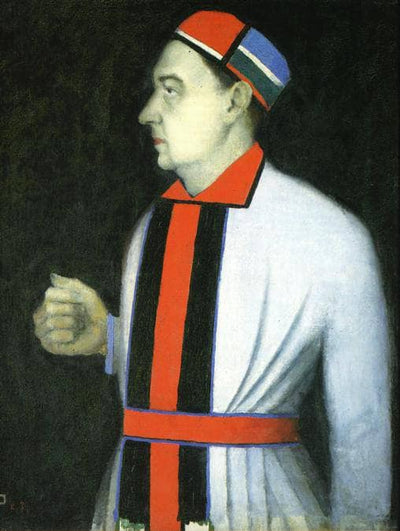
geometric abstraction. The figure of the worker is rendered in a simplified, almost iconic manner, emphasizing the importance of labor in society. This painting serves as a visual manifesto of the Suprematist ideology, celebrating the dignity of work while challenging conventional artistic representation. The bold use of color and form in "Worker" encapsulates the spirit of the time, making it a quintessential example of Suprematism.
The Symbolism of Labor in "Worker"
Interpreting the Figure: The Worker as a Cultural Icon
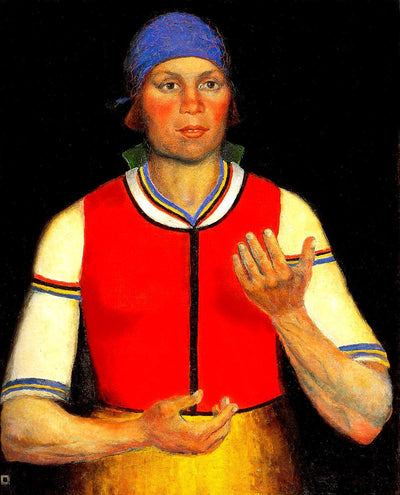
The figure in "Worker" stands as a powerful symbol of the working class. Malevich elevates the worker to an iconic status, representing the collective strength and resilience of the proletariat. This portrayal resonates deeply with the socio-political climate of early 20th century Russia, where labor was celebrated as a cornerstone of society. The worker's stance and form convey a sense of purpose and determination, inviting viewers to reflect on the value of labor.
Labor and Identity: The Role of the Worker in Early 20th Century Russia
In the wake of the Russian Revolution, the worker became a central figure in the cultural narrative. Malevich's "Worker" captures this shift, highlighting the importance of labor in shaping identity and society. The painting reflects the optimism and hope of a new era, where the working class was seen as the driving force behind progress. This context adds layers of meaning to the artwork, making it a poignant commentary on the human experience.
Visual Elements: Color, Form, and Composition in "Worker"
The visual elements in "Worker" play a crucial role in conveying its message. The bold colors evoke strong emotions, while the geometric forms create a sense of stability and strength. The composition guides the viewer's eye, emphasizing the figure's significance within the broader context of the painting. Malevich's deliberate choices in color and form enhance the artwork's impact, making it a striking representation of labor and identity.
The Historical Context of "Worker" and Its Creation
Russia in the 1920s: A Time of Change and Revolution
The 1920s in Russia were marked by profound social and political upheaval. Following the Bolshevik Revolution, the country underwent significant transformations, impacting all aspects of life, including art. Malevich's "Worker" emerged during this tumultuous period, reflecting the aspirations and struggles of a society in flux. The painting captures the spirit of revolution, embodying the hope for a brighter future through the lens of labor.
Malevich's Artistic Journey Leading to "Worker"
Kazimir Malevich's artistic journey was one of constant evolution. He moved from figurative painting to abstraction, ultimately developing his unique style. "Worker" represents a culmination of his exploration of form and color, showcasing his commitment to Suprematism. This painting not only reflects Malevich's personal growth as an artist but also his response to the changing world around him.
The Impact of Political Ideologies on Malevich's Work
Political ideologies significantly influenced Malevich's art. The rise of communism in Russia inspired him to create works that celebrated the working class. "Worker" serves as a visual representation of these ideals, merging art with social commentary. Malevich's ability to intertwine his artistic vision with the political landscape of his time makes "Worker" a powerful statement on the role of art in society.
Analyzing the Composition of "Worker"
Geometric Shapes and Their Significance in the Painting
The geometric shapes in "Worker" are not merely decorative; they hold deep significance. The use of rectangles and squares conveys a sense of order and stability, reflecting the strength of the working class. These shapes also symbolize the industrial landscape of early 20th century Russia, where
factories and machinery played a vital role in shaping society.
The Use of Color: Emotional and Psychological Effects
Color in "Worker" serves as a powerful tool for emotional expression. The bold reds and blacks evoke feelings of passion and intensity, while the contrasting colors create a dynamic visual experience. Malevich's strategic use of color enhances the painting's message, inviting viewers to engage with the emotional weight of labor and identity.
Spatial Dynamics: How Composition Guides the Viewer's Eye
The composition of "Worker" is carefully crafted to guide the viewer's eye. The placement of the figure within the geometric framework creates a sense of movement and energy. This spatial dynamic draws the viewer into the painting, encouraging a deeper exploration of its themes. Malevich's mastery of composition elevates "Worker" beyond a mere representation of labor, transforming it into a compelling visual narrative.
The Legacy of "Worker" in Modern Art
Influence on Contemporary Artists and Movements
"Worker" has left a lasting impact on modern art, influencing countless artists and movements. Its bold abstraction and focus on labor resonate with contemporary themes of social justice and identity. Many artists draw inspiration from Malevich's approach, using geometric forms to explore complex societal issues. The legacy of "Worker" continues to shape the dialogue around art and its role in reflecting the human experience.
How "Worker" Continues to Inspire Discussions on Labor and Society
The themes presented in "Worker" remain relevant today. Discussions about labor, identity, and social justice are as vital now as they were in the 1920s. Malevich's painting serves as a catalyst for these conversations, prompting viewers to reflect on the significance of work in their own lives. "Worker" stands as a timeless reminder of the power of art to provoke thought and inspire change.
Exhibitions and Collections Featuring "Worker"
"Worker" is featured in various prestigious exhibitions and collections worldwide. Art enthusiasts can view this iconic piece in museums that celebrate modern art and Russian history. Each exhibition offers a unique opportunity to engage with the painting, allowing viewers to appreciate its depth and significance in person. The presence of "Worker" in these collections underscores its importance in the art world.
First-Hand Experience: Viewing "Worker" in Person
What to Expect When Visiting Exhibitions Featuring "Worker"
When visiting exhibitions featuring "Worker," expect to be captivated by its bold colors and striking forms. The painting's size and presence create an immersive experience, drawing viewers into its world. Each viewing offers a chance to discover new details and interpretations, enhancing your appreciation for Malevich's artistry.
Emotional Reactions: Personal Reflections on the Painting
Many viewers report strong emotional reactions when encountering "Worker." The painting evokes feelings of empowerment and reflection on the
nature of labor. Personal connections to the themes of work and identity can lead to profound insights, making each viewing a unique experience. Engaging with "Worker" allows for a deeper understanding of both the artwork and oneself.
Comparative Analysis: Viewing "Worker" Alongside Other Malevich Works
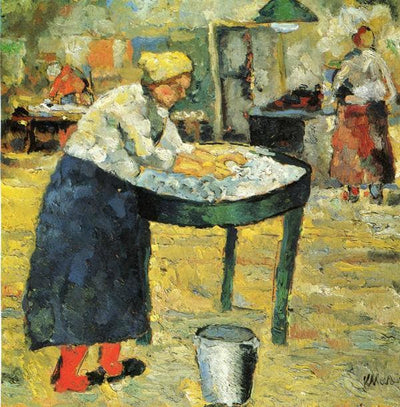
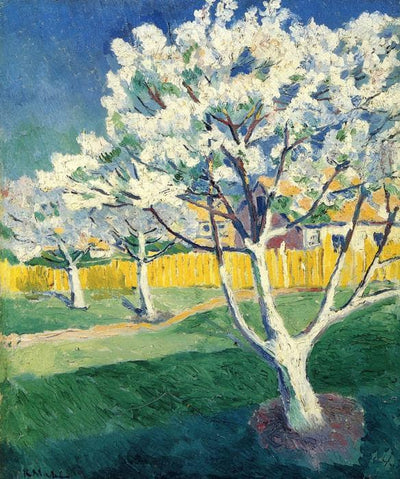
Viewing "Worker" alongside other Malevich works provides valuable context. Comparing it to pieces like "Black Square" or "Suprematist Composition" reveals the evolution of his style and ideas. Each painting offers a different perspective on Malevich's artistic journey, enriching the viewer's understanding of his contributions to modern art.
FAQs About "Worker" by Kazimir Malevich
Common Questions About the Painting
What is the main theme of "Worker" by Kazimir Malevich?
The main theme of "Worker" revolves around the dignity of labor and the cultural significance of the working class in early 20th century Russia. Malevich elevates the worker to an iconic status, celebrating their role in society.
How does "Worker" reflect the socio-political climate of its time?
"Worker" reflects the socio-political climate of post-revolutionary Russia, where labor was celebrated as a cornerstone of the new society. The painting embodies the hope and aspirations of the working class during a time of significant change.
What techniques did Malevich use in creating "Worker"?
Malevich employed oil painting techniques, utilizing bold colors and geometric forms to create a striking visual impact. His mastery of composition and color theory enhances the emotional resonance of the painting.
In what ways does "Worker" differ from Malevich's other works?
"Worker" differs from Malevich's other works by its focus on the human figure and labor, rather than pure abstraction. While many of his pieces emphasize geometric forms, "Worker" combines abstraction with a strong social message.
What is the significance of the colors used in "Worker"?
The colors in "Worker" are significant for their emotional and psychological effects. Bold reds symbolize passion and strength, while blacks convey depth and seriousness, enhancing the painting's themes of labor and identity.
Questions About the Painting Reproduction
How can I ensure the reproduction of "Worker" captures the original's essence?
To ensure a reproduction of "Worker" captures the original's essence, look for high-quality materials and techniques that replicate the texture and color vibrancy of the oil painting. A skilled artist should create the reproduction, paying close attention to detail.
What should I look for in a high-quality reproduction of "Worker"?
In a high-quality reproduction of "Worker," look for accurate color representation, fine details, and a faithful rendering of the original's composition. The reproduction should evoke the same emotional response as the original painting, making it a worthy addition to your collection.
 4.9/5
4.9/5