 4.9/5
4.9/5






SAMPLES OF QUALITY
Recent Hand-Painted Reproductions
Discover some of our latest oil paintings, each one carefully hand-painted on canvas.

AS SEEN IN





Handmade Oil Painting on Canvas Art Reproduction, Museum-quality

The six dominant colors measured from the painting, with the share of canvas each one covers. Click a swatch to copy its hex code.
Processing & Shipping Time
Your delivery time includes two parts:
Shipping Methods
We ship with trusted couriers like FedEx, UPS, and DHL. Every shipment includes a tracking code.
Our goal is to deliver your order safely and quickly.
Shipment Safety Measures
We handle your products with care so they arrive in perfect condition:
Every product is insured and delivered right to your door, so you can feel confident buying from us.
Every Art & See painting is created by artists with 15+ years of experience using professional-grade oil paints and premium linen canvas with UV-resistant protective coating, the same museum-grade materials used in galleries worldwide. Each piece goes through quality review before your approval photos are taken. If after delivery you have any concerns about your painting, contact us at [email protected] and our team will work with you on the best path forward.
Full Warranty
Every painting is protected against physical damage during shipping. If your painting arrives damaged, we repair or replace it, free of charge.
Coverage Details
Transit damage (crushed, torn, water damage): we repair or replace at no cost. Please note that damages resulting from accidents or inappropriate use are not covered under this warranty.
Repair or Replace
Depending on the extent of damage, the affected painting will either be repaired or replaced at no additional cost to you.
Free Service
All warranty services are provided absolutely free of charge.
We want you to absolutely love your handmade artwork. Here's how it works:
In the rare case you approve the photos and the artwork has been shipped and delivered to you, and you still want additional modification requests, we can handle it as a courtesy at our discretion. If accepted, you cover the return shipping cost.
| Type | Hand-Painted Oil Painting Reproduction |
| Original Artist | Juan de Valdes Leal |
| Price Range | $360 to $1,150 |
| Shipping | Free Worldwide |
| Quality | Preview & Approve Before Shipping |
| Medium | Oil on Canvas |
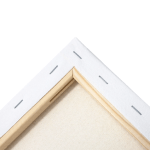
| Canvas | Museum-Grade Linen Canvas |
| Technique | Hand-painted brushstroke-by-brushstroke |
| Art Style | Baroque |
| Period | 17th Century |
| Artist Nationality | Spanish |
| Orientation | Vertical |
| Subject | Cultural heritage religious, Portraits group, Religion |
| Available Sizes | 7 (15'' W × 23'' H to 48'' W × 72'' H, including the original size), plus custom sizes |
| Framing Options | Unframed, Stretched Canvas, Classic & Modern Frames |
| Delivery | 14–28 business days |
| Size | 109 × 165.5 cm (43 × 65 in) |
| Year | 1673 |
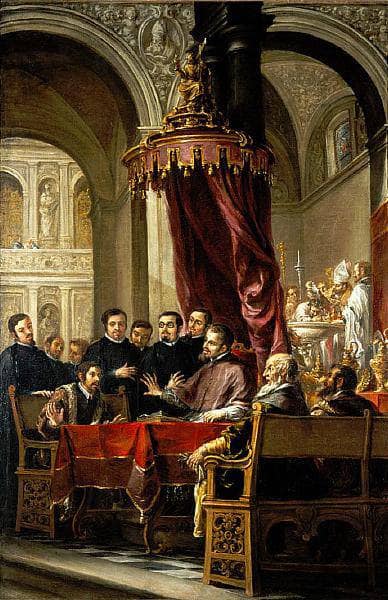
St. Augustine, born in 354 AD in Tagaste, North Africa, is one of the most influential figures in Christian theology. His early life was marked by indulgence and a search for truth, leading him through various philosophies, including Manichaeism. Augustine's profound transformation began in Milan, where he encountered the teachings of St. Ambrose, which ultimately guided him toward Christianity. His journey from a life of sin to becoming a revered saint is a powerful narrative of redemption.
Baptism held immense significance in early Christianity, symbolizing purification and the initiation into the faith. For Augustine, his baptism in 387 AD by St. Ambrose marked a pivotal moment, representing not just a personal transformation but also a communal acceptance into the Christian community. This sacrament was seen as a rebirth, washing away sins and granting the grace of God, which Augustine later articulated in his writings.
St. Ambrose, the Bishop of Milan, played a crucial role in Augustine's conversion. His eloquent sermons and deep understanding of scripture captivated Augustine, leading him to reconsider his beliefs. Ambrose's teachings emphasized the importance of faith and the power of divine grace, which resonated deeply with Augustine. This mentorship was instrumental in Augustine's eventual decision to embrace Christianity and pursue a life dedicated to God.
Juan de Valdes Leal's painting exemplifies the Baroque style, characterized by its dramatic use of light and shadow, known as chiaroscuro. This technique creates a sense of depth and emotion, drawing viewers into the spiritual intensity of the moment. The figures are illuminated in a way that highlights their expressions, enhancing the painting's emotional impact and inviting contemplation.
The color palette in "The Conversion and Baptism of St. Augustine" is rich and vibrant, with deep reds and golds symbolizing divine love and grace. The contrasting colors not only create visual interest but also convey the spiritual themes of the painting. The use of warm tones evokes a sense of hope and redemption, while cooler shades suggest the weight of sin and the darkness from which Augustine emerges.
Valdes Leal's composition is masterfully arranged, with Augustine at the center, surrounded by significant figures like St. Ambrose and other witnesses. This arrangement emphasizes the importance of the baptismal moment. The spatial dynamics guide the viewer's eye, creating a narrative flow that enhances the storytelling aspect of the artwork. Each figure's placement contributes to the overall theme of transformation and divine intervention.
The central theme of "The Conversion and Baptism of St. Augustine" is faith and redemption. Augustine's transformation from a life of sin to one of grace is powerfully depicted. The painting serves as a visual testament to the belief that no one is beyond redemption, a message that resonates deeply within Christian teachings. This theme encourages viewers to reflect on their own spiritual journeys.
Valdes Leal employs the contrast of light and darkness to symbolize Augustine's spiritual awakening. The light represents divine grace and enlightenment, while the darkness signifies sin and ignorance. This duality is a common motif in religious art, illustrating the struggle between good and evil. The interplay of light and shadow in the painting invites viewers to contemplate their own paths toward enlightenment.
The painting features key figures, including St. Augustine, St. Ambrose, and other saints and witnesses. Each character plays a vital role in the narrative. St. Augustine, depicted with a look of awe and humility, embodies the transformative power of faith. St. Ambrose, with his authoritative presence, symbolizes guidance and mentorship. The surrounding figures represent the Christian community's support in Augustine's journey.
Juan de Valdes Leal, born in 1622 in Seville, Spain, was a prominent Baroque painter known for his religious works. His artistic career flourished in the 17th century, a time when Spain was a center of artistic innovation. Valdes Leal's unique style combined realism with dramatic expression, making his works stand out in the Baroque tradition. His dedication to religious themes reflects his deep faith and commitment to conveying spiritual truths through art.
Valdes Leal was heavily influenced by the Spanish Baroque movement, which emphasized emotional depth and dramatic storytelling. Artists like Diego Velázquez and Francisco de Zurbarán inspired his use of light and shadow. Valdes Leal's ability to capture the human experience within a spiritual context set him apart from his contemporaries. His works often explore themes of mortality, redemption, and divine grace.
Juan de Valdes Leal left a lasting legacy in the realm of religious art. His ability to convey complex spiritual themes through vivid imagery has influenced generations of artists. Valdes Leal's works continue to be celebrated for their emotional resonance and technical mastery. His contributions to the Baroque style have solidified his place in art history as a master of religious narrative.
Valdes Leal's "The Conversion and Baptism of St. Augustine" shares similarities with other Baroque paintings, particularly in its dramatic use of light and emotional intensity. Like works by Caravaggio and Rubens, this painting captures pivotal moments of spiritual significance. The emphasis on human emotion and divine intervention is a hallmark of the Baroque style, making this piece a quintessential example of the era.
While many religious artworks focus on martyrdom or divine glory, Valdes Leal's painting uniquely emphasizes personal transformation. This focus on individual faith journeys contrasts with the more communal themes often found in religious art. By highlighting Augustine's personal struggle and redemption, Valdes Leal invites viewers to reflect on their own spiritual paths.
Valdes Leal's approach to religious narratives is characterized by his ability to blend realism with spiritual symbolism. He captures the human experience in a way that resonates with viewers, making the divine accessible. His works often challenge viewers to engage with the themes of faith, redemption, and grace on a personal level, setting him apart from his contemporaries.
In contemporary art circles, "The Conversion and Baptism of St. Augustine" is celebrated for its emotional depth and technical brilliance. Art historians and enthusiasts appreciate Valdes Leal's ability to convey complex spiritual themes through visual storytelling. The painting continues to inspire discussions about faith and redemption, making it relevant in today's cultural landscape.
This masterpiece has significantly influenced modern interpretations of St. Augustine's life and teachings. Scholars and theologians often reference the painting when discussing Augustine's journey from sin to salvation. Its visual representation of his conversion serves as a powerful reminder of the transformative power of faith, resonating with audiences across generations.
The painting serves as an educational tool, teaching history through the lens of art. It provides insights into early Christianity, the significance of baptism, and the life of St. Augustine. Educators use this artwork to engage students in discussions about faith, morality, and personal transformation, making history accessible and relatable.
The painting depicts the moment of St. Augustine's baptism by St. Ambrose, symbolizing his transformation from a life of sin to one of faith. It captures the emotional intensity of this pivotal moment in Augustine's spiritual journey.
This painting reflects the Baroque style through its dramatic use of light and shadow, emotional expressions, and dynamic composition. These elements create a sense of movement and depth, characteristic of Baroque art.
Key symbols include the water of baptism, representing purification, and the light illuminating Augustine, symbolizing divine grace. The figures surrounding Augustine also represent the Christian community's support in his journey.
The main figures include St. Augustine, St. Ambrose, and other saints and witnesses. Each figure plays a significant role in the narrative of Augustine's conversion and baptism.
St. Ambrose was a mentor to Augustine, guiding him toward Christianity through his teachings and sermons. His influence was crucial in Augustine's decision to embrace the faith and seek baptism.
To appreciate the artistic techniques, observe the use of chiaroscuro, the color palette, and the composition. Notice how these elements work together to convey emotion and enhance the narrative of the painting.
Reproductions of "The Conversion and Baptism of St. Augustine" offer a superior alternative to prints. They capture the intricate details and textures of the original painting, allowing art lovers to appreciate Valdes Leal's masterful techniques in their own homes. Investing in a high-quality reproduction brings the beauty and spiritual significance of this masterpiece into your space.

Discover some of our latest oil paintings, each one carefully hand-painted on canvas.
At Art & See, we're committed to delivering the highest quality art reproductions. Our team of expert artists and state-of-the-art processes ensure that each piece is a masterpiece in its own right.

Experience your masterpiece's creation through daily photos from our expert artists, each with 15+ years of experience.

Your artwork travels first class via UPS, FedEx, or DHL, protected by museum-grade packaging for safe delivery.

Review unedited photos of your finished painting and request unlimited free revisions before it ships. We only ship when you say it's perfect.

Every piece is crafted with archival materials, UV-resistant finishes, and premium British paints to last generations.
Yes, 100% hand-painted with oil on canvas by artists with 15+ years of experience. No prints, no digital shortcuts. You'll see and feel real brushstrokes, just like the original Juan de Valdes Leal masterpiece.
Your The Conversion and Baptism of St. Augustine by St. Ambrose reproduction takes 2–5 weeks to hand-paint depending on size and detail. Once approved, shipping takes 5–8 days via FedEx, UPS, or DHL with full tracking. Free worldwide shipping included.
Absolutely. Once your The Conversion and Baptism of St. Augustine by St. Ambrose is complete, we send you unedited photos, a full view and close-up details. Request unlimited free revisions until you're 100% satisfied. We don't ship until you say "yes."
Every painting goes through our Preview & Approve process: you receive unedited photos of your finished Juan de Valdes Leal reproduction and can request unlimited free revisions before it ships. We only ship when you say it's perfect. If after delivery you have any concerns, contact us at [email protected] and our team will work with you on the best path forward.
Professional-grade oil paints (Windsor & Newton) on premium linen canvas with UV-resistant protective coating. Museum-grade materials built to last generations, the same quality used in galleries worldwide.
Our artists specialize in Juan de Valdes Leal's technique: color accuracy, brushwork, and composition are matched to the original. Every reproduction goes through quality review before your approval photos are taken.
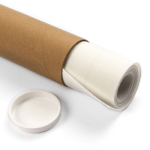
Every painting is insured and delivered door-to-door. Unframed paintings ship in protective hard tubes. Framed paintings are bubble-wrapped in sturdy boxes. If anything arrives damaged, we repair or replace it free.
Dive into the vibrant world of Historic Art. Discover your next painting today.
