4.9/5
4.9/5







SAMPLES OF QUALITY
Recent Hand-Painted Reproductions
Discover some of our latest oil paintings, each one carefully hand-painted on canvas.

AS SEEN IN





Handmade Oil Painting on Canvas Art Reproduction, Museum-quality

The six dominant colors measured from the painting, with the share of canvas each one covers. Click a swatch to copy its hex code.
Processing & Shipping Time
Your delivery time includes two parts:
Shipping Methods
We ship with trusted couriers like FedEx, UPS, and DHL. Every shipment includes a tracking code.
Our goal is to deliver your order safely and quickly.
Shipment Safety Measures
We handle your products with care so they arrive in perfect condition:
Every product is insured and delivered right to your door, so you can feel confident buying from us.
Every Art & See painting is created by artists with 15+ years of experience using professional-grade oil paints and premium linen canvas with UV-resistant protective coating, the same museum-grade materials used in galleries worldwide. Each piece goes through quality review before your approval photos are taken. If after delivery you have any concerns about your painting, contact us at [email protected] and our team will work with you on the best path forward.
Full Warranty
Every painting is protected against physical damage during shipping. If your painting arrives damaged, we repair or replace it, free of charge.
Coverage Details
Transit damage (crushed, torn, water damage): we repair or replace at no cost. Please note that damages resulting from accidents or inappropriate use are not covered under this warranty.
Repair or Replace
Depending on the extent of damage, the affected painting will either be repaired or replaced at no additional cost to you.
Free Service
All warranty services are provided absolutely free of charge.
We want you to absolutely love your handmade artwork. Here's how it works:
In the rare case you approve the photos and the artwork has been shipped and delivered to you, and you still want additional modification requests, we can handle it as a courtesy at our discretion. If accepted, you cover the return shipping cost.
| Type | Hand-Painted Oil Painting Reproduction |
| Original Artist | John Singleton Copley |
| Price Range | $299.95 to $1,299.95 |
| Shipping | Free Worldwide |
| Returns | 90-Day Returns |
| Medium | Oil on Canvas |
| Canvas | Museum-Grade Linen Canvas |
| Technique | Hand-painted brushstroke-by-brushstroke |
| Art Style | Neoclassicism |
| Period | 18th Century |
| Artist Nationality | American |
| Orientation | Vertical |
| Subject | Portraits, Portraits female, Portraits male |
| Available Sizes | 7 (16'' W × 20'' H to 48'' W × 72'' H) |
| Framing Options | Unframed, Stretched Canvas, Classic & Modern Frames |
| Delivery | 14–28 business days |
The 18th century marked a significant evolution in American portraiture. As the colonies began to establish their identity, artists sought to capture the essence of American life. Portraits became a means of showcasing wealth, status, and personal achievements. This period saw a shift from European influences to a more distinct American style, reflecting the values and aspirations of a burgeoning nation.
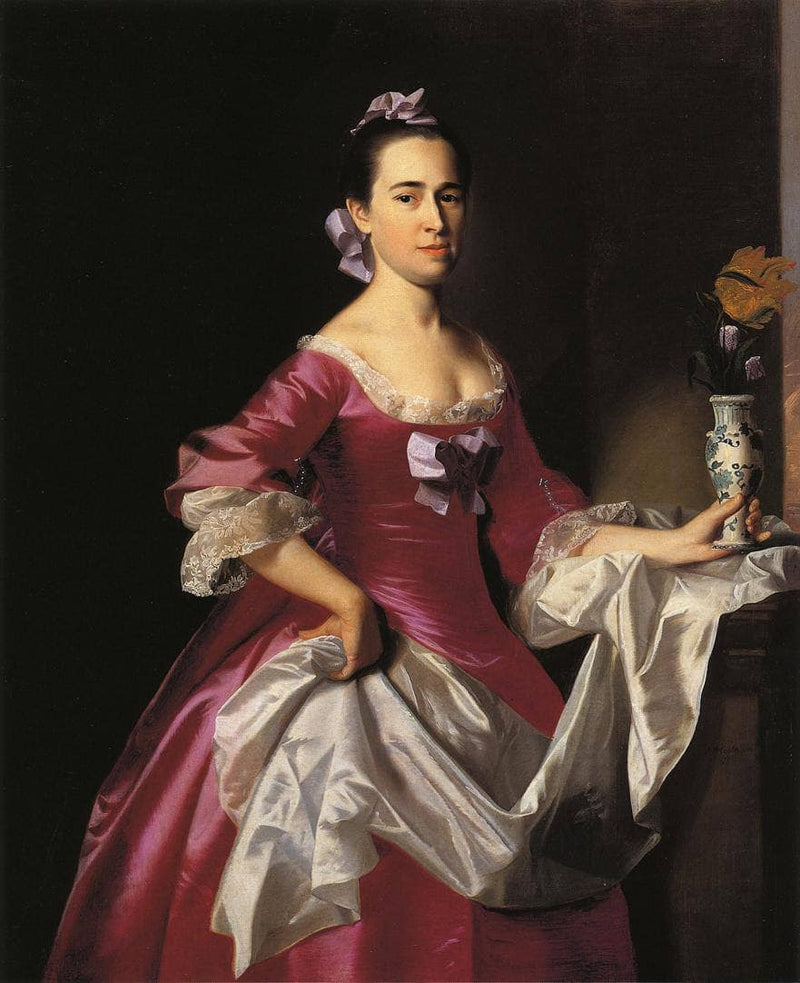
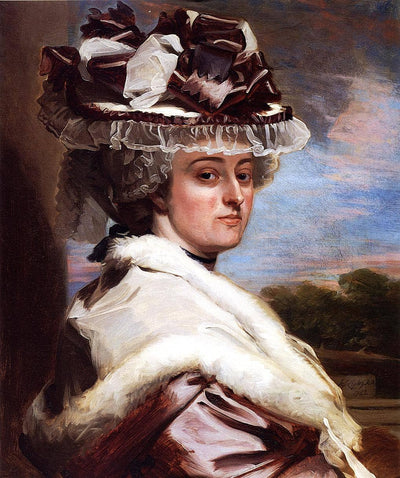
John Singleton Copley emerged as a leading figure in American art during this transformative era. Born in Boston in 1738, Copley developed his skills in a colonial environment rich with artistic potential. His portraits, including Mrs. George Watson, exemplify his mastery of realism and detail. Copley's work laid the groundwork for future American artists, establishing a unique voice that resonated with both local and international audiences.
Copley drew inspiration from European art movements, particularly the Baroque and Rococo styles. He incorporated dramatic lighting and rich color palettes, which were hallmarks of these movements. His ability to blend these influences with American themes created a distinctive style that set him apart from his contemporaries. This fusion of European techniques with American subjects is evident in the exquisite details of Mrs. George Watson.
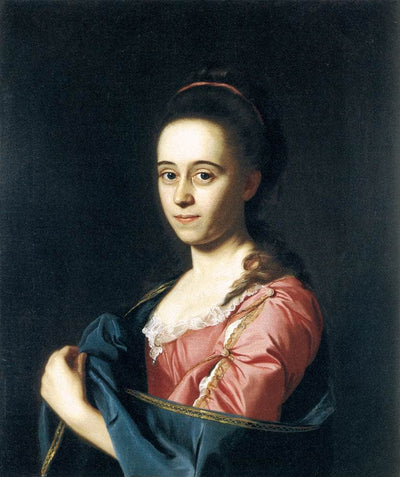
The color palette of Mrs. George Watson is a striking combination of rich tones and subtle hues. Copley expertly uses deep blues, warm browns, and soft creams to create a sense of depth and realism. The colors not only enhance Mrs. Watson's features but also reflect her social status and the fashion of the time. This careful selection of colors invites viewers to appreciate the elegance and sophistication of the subject.
Copley's brushwork in Mrs. George Watson is meticulous and precise. He employs layering techniques to build texture, particularly in the fabric of her gown and the intricate details of her accessories. This attention to detail brings the painting to life, allowing viewers to feel the softness of the silk and the weight of the jewelry. Copley's skillful brushwork showcases his dedication to realism and his ability to capture the essence of his subjects.
The attire and accessories worn by Mrs. George Watson are rich with symbolism. Her elegant gown signifies her high social standing, while the delicate lace and pearls reflect the fashion of the elite in 18th century America. Each element of her attire tells a story about her identity and the societal norms of the time. Copley's portrayal of these details invites viewers to explore the deeper meanings behind the painting.
Elizabeth Oliver Watson, the subject of Copley's portrait, was a prominent figure in colonial society. Born into a well-to-do family, she married George Watson, a successful merchant. Her life was intertwined with the social and economic developments of her time. Through Copley's lens, we gain insight into her character and the role she played in her community.
In the 18th century, women like Mrs. Watson navigated a complex social landscape. Their roles were often defined by their husbands' status and wealth. Portraits like Copley's served to elevate their public image, showcasing their grace and refinement. This painting not only reflects Mrs. Watson's personal identity but also highlights the broader societal expectations placed on women during this period.
Portraits held immense significance in 18th century America. They were not just artistic expressions but also tools for personal branding. Copley's portrait of Mrs. Watson contributed to her legacy, allowing her to be remembered as a figure of elegance and sophistication. This practice of commissioning portraits was a way for individuals to assert their place in society and preserve their memory for future generations.
Copley's mastery of oil painting techniques is evident in Mrs. George Watson. He utilized layering and glazing to create depth and luminosity. By applying thin layers of paint, he achieved a richness that adds to the painting's overall impact. This technique allows light to interact with the surface, giving the artwork a dynamic quality that captivates viewers.
Light and shadow play a crucial role in Copley's portraits. He skillfully manipulates light to highlight Mrs. Watson's features while creating a sense of three-dimensionality. This innovative approach enhances the realism of the painting, drawing the viewer's eye to the subject. Copley's understanding of chiaroscuro sets his work apart and showcases his artistic genius.
When comparing Mrs. George Watson to other notable portraits by Copley, such as those of Paul Revere and Samuel Adams, similarities in technique and style emerge. Each portrait reflects Copley's commitment to realism and detail. However, Mrs. Watson's composition stands out due to its intimate portrayal of femininity and grace, showcasing Copley's versatility as an artist.
During his lifetime, Copley received acclaim for his portraits, including Mrs. George Watson. Critics praised his ability to capture the essence of his subjects. His work was celebrated not only in America but also in Europe, where he gained recognition among the artistic elite. This positive reception solidified his place in art history as a pioneer of American portraiture.
Copley's innovative techniques and dedication to realism influenced countless American artists who followed. His approach to portraiture set a standard for future generations, encouraging them to explore their identities through art. Artists like Gilbert Stuart and Thomas Eakins drew inspiration from Copley's work, further shaping the landscape of American art.
Today, Mrs. George Watson is a treasured piece in American art collections. It is housed in the Museum of Fine Arts in Boston, where it continues to inspire visitors. The painting's historical significance and artistic brilliance make it a focal point for discussions about American identity and the evolution of portraiture.
The original painting of Mrs. George Watson can be viewed at the Museum of Fine Arts in Boston. This prestigious institution houses a vast collection of American art, making it a must-visit for art enthusiasts. The museum often features exhibitions that highlight Copley's contributions to American art, providing context for his work.
For those unable to visit in person, the Museum of Fine Arts offers virtual tours and online resources. These digital experiences allow art lovers to explore Copley's masterpieces from the comfort of their homes. Engaging with these resources enhances understanding and appreciation of Mrs. George Watson and Copley's artistic legacy.
Mrs. George Watson is significant as a representation of 18th century American portraiture. It reflects the social dynamics and artistic innovations of the time, showcasing Copley's skill in capturing identity and status.
Copley influenced American art by establishing a unique style that blended European techniques with American subjects. His focus on realism and detail set a standard for future artists, shaping the trajectory of American portraiture.
Copley used oil painting techniques such as layering and glazing to create depth and texture. His innovative use of light and shadow enhances the realism of the portrait, making it a standout piece in his oeuvre.
The attire of Mrs. Watson symbolizes her social status and the fashion of the 18th century elite. The elegance of her gown and accessories reflects her wealth and the societal expectations of women during that time.
Mrs. George Watson has been well-received in art history, celebrated for its artistic brilliance and historical significance. It remains a key work in discussions about American identity and the evolution of portraiture.
When purchasing a reproduction of Mrs. George Watson, consider the quality of materials used. Look for reproductions that capture the detail and color of the original painting, ensuring a vibrant and lifelike representation.
To ensure the quality of a painting reproduction, choose a reputable artist or company known for their craftsmanship. Look for reproductions that use high-quality canvas and paints, as these factors contribute to the overall appearance and longevity of the artwork.
Yes, there are different styles of reproductions available for Mrs. George Watson. You can find traditional oil painting reproductions that closely mimic the original, as well as modern interpretations that may incorporate contemporary elements. Opting for a painting reproduction offers a superior alternative to prints, providing a richer and more authentic experience.

Discover some of our latest oil paintings, each one carefully hand-painted on canvas.
At Art & See, we're committed to delivering the highest quality art reproductions. Our team of expert artists and state-of-the-art processes ensure that each piece is a masterpiece in its own right.

Experience your masterpiece's creation through daily photos from our expert artists, each with 15+ years of experience.

Your artwork travels first class via UPS, FedEx, or DHL, protected by museum-grade packaging for safe delivery.

Review unedited photos of your finished painting and request unlimited free revisions before it ships. We only ship when you say it's perfect.

Every piece is crafted with archival materials, UV-resistant finishes, and premium British paints to last generations.


Yes, 100% hand-painted with oil on canvas by artists with 15+ years of experience. No prints, no digital shortcuts. You'll see and feel real brushstrokes, just like the original John Singleton Copley masterpiece.
Your Mrs.George Watson (Elizabeth Oliver) reproduction takes 2–5 weeks to hand-paint depending on size and detail. Once approved, shipping takes 5–8 days via FedEx, UPS, or DHL with full tracking. Free worldwide shipping included.
Absolutely. Once your Mrs.George Watson (Elizabeth Oliver) is complete, we send you unedited photos, a full view and close-up details. Request unlimited free revisions until you're 100% satisfied. We don't ship until you say "yes."
Every painting goes through our Preview & Approve process: you receive unedited photos of your finished John Singleton Copley reproduction and can request unlimited free revisions before it ships. We only ship when you say it's perfect. If after delivery you have any concerns, contact us at [email protected] and our team will work with you on the best path forward.
Professional-grade oil paints (Windsor & Newton) on premium linen canvas with UV-resistant protective coating. Museum-grade materials built to last generations, the same quality used in galleries worldwide.
Our artists specialize in John Singleton Copley's technique: color accuracy, brushwork, and composition are matched to the original. Every reproduction goes through quality review before your approval photos are taken.
Every painting is insured and delivered door-to-door. Unframed paintings ship in protective hard tubes. Framed paintings are bubble-wrapped in sturdy boxes. If anything arrives damaged, we repair or replace it free.
Dive into the vibrant world of Historic Art. Discover your next painting today.