4.9/5
4.9/5







SAMPLES OF QUALITY
Recent Hand-Painted Reproductions
Discover some of our latest oil paintings, each one carefully hand-painted on canvas.

AS SEEN IN






by John Simpson
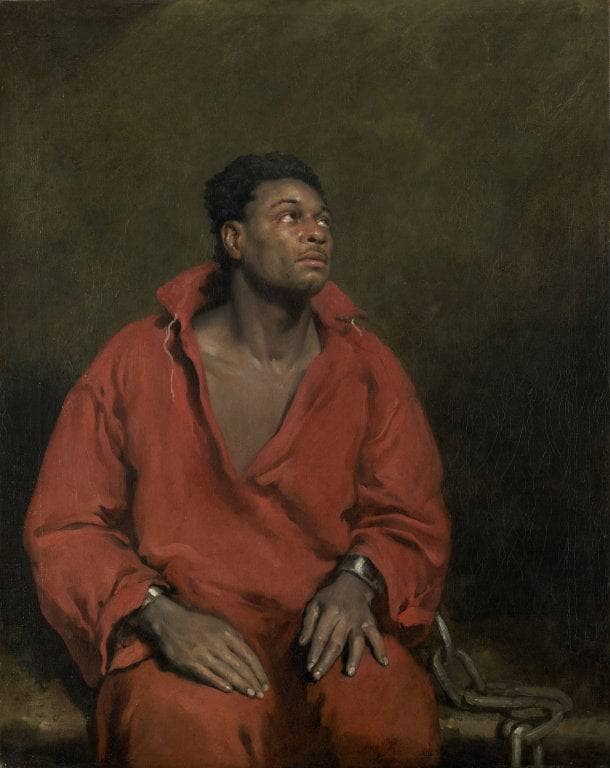
Handmade Oil Painting on Canvas Art Reproduction, Museum-quality

The six dominant colors measured from the painting, with the share of canvas each one covers. Click a swatch to copy its hex code.
Processing & Shipping Time
Your delivery time includes two parts:
Shipping Methods
We ship with trusted couriers like FedEx, UPS, and DHL. Every shipment includes a tracking code.
Our goal is to deliver your order safely and quickly.
Shipment Safety Measures
We handle your products with care so they arrive in perfect condition:
Every product is insured and delivered right to your door, so you can feel confident buying from us.
Every Art & See painting is created by artists with 15+ years of experience using professional-grade oil paints and premium linen canvas with UV-resistant protective coating, the same museum-grade materials used in galleries worldwide. Each piece goes through quality review before your approval photos are taken. If after delivery you have any concerns about your painting, contact us at [email protected] and our team will work with you on the best path forward.
Full Warranty
Every painting is protected against physical damage during shipping. If your painting arrives damaged, we repair or replace it, free of charge.
Coverage Details
Transit damage (crushed, torn, water damage): we repair or replace at no cost. Please note that damages resulting from accidents or inappropriate use are not covered under this warranty.
Repair or Replace
Depending on the extent of damage, the affected painting will either be repaired or replaced at no additional cost to you.
Free Service
All warranty services are provided absolutely free of charge.
We want you to absolutely love your handmade artwork. Here's how it works:
In the rare case you approve the photos and the artwork has been shipped and delivered to you, and you still want additional modification requests, we can handle it as a courtesy at our discretion. If accepted, you cover the return shipping cost.
| Type | Hand-Painted Oil Painting Reproduction |
| Original Artist | John Simpson |
| Price Range | $350 to $1,150 |
| Shipping | Free Worldwide |
| Returns | 90-Day Returns |
| Medium | Oil on Canvas |
| Canvas | Museum-Grade Linen Canvas |
| Technique | Hand-painted brushstroke-by-brushstroke |
| Art Style | Romanticism |
| Period | 19th Century |
| Artist Nationality | British |
| Orientation | Vertical |
| Subject | Portraits male |
| Available Sizes | 7 (16'' W × 20'' H to 52'' W × 65'' H, including the original size), plus custom sizes |
| Framing Options | Unframed, Stretched Canvas, Classic & Modern Frames |
| Delivery | 14–28 business days |
| Size | 102 × 128.2 cm (40 × 50.5 in) |
| Medium | Oil on canvas |
| Year | 1827 |
| Collection | Art Institute of Chicago, Chicago |
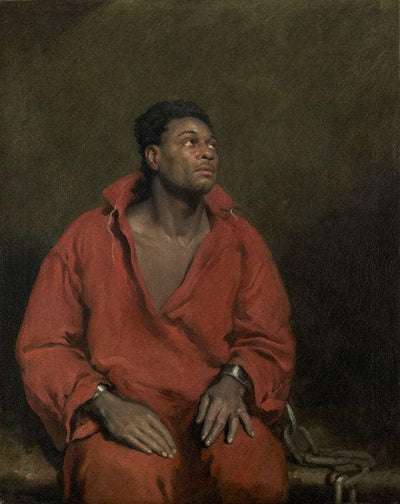
The Captive Slave, painted during the tumultuous 19th century, reflects the harsh realities of colonialism. This era saw the exploitation of countless individuals, and artists like John Simpson used their work to comment on these injustices. The painting serves as a poignant reminder of the human cost of imperialism, capturing the emotional weight of captivity and suffering.
John Simpson, a lesser-known yet impactful artist, created The Captive Slave in 1820. His background as a British painter allowed him to explore themes of social justice and human rights. Simpson's dedication to portraying the plight of the oppressed makes his work resonate deeply with audiences today.
The Captive Slave is influenced by Romanticism, which emphasized emotion and individual experience. This movement sought to evoke feelings of empathy and compassion, aligning perfectly with Simpson's intent. The painting also reflects elements of Realism, showcasing the stark truth of human suffering without romantic embellishment.
Simpson's use of color in The Captive Slave is striking. The deep, somber tones evoke feelings of despair, while splashes of brighter colors symbolize hope and resilience. The contrast between dark and light hues enhances the emotional impact, drawing viewers into the narrative of the painting.
The composition of The Captive Slave is masterfully balanced. Simpson places the central figure in a way that commands attention, while the surrounding elements create a sense of depth. This technique invites viewers to explore the entire scene, enhancing their emotional connection to the subject.
The expressions on the figures' faces in The Captive Slave are hauntingly powerful. Simpson captures a range of emotions, from despair to defiance. The body language of the central figure conveys a profound sense of suffering, making the viewer acutely aware of the pain of captivity.
Slavery is a central theme in The Captive Slave. Simpson's portrayal of the enslaved individual serves as a powerful critique of the institution. The painting invites viewers to reflect on the historical context of slavery and its lasting impact on society.
Despite its somber subject matter, The Captive Slave conveys a message of resilience. The central figure's posture suggests strength in the face of adversity. This theme of hope amidst suffering resonates with audiences, reminding them of the enduring human spirit.
The interplay of light and shadow in The Captive Slave serves as a metaphor for the struggle between freedom and oppression. The stark contrasts highlight the harsh realities of captivity while also illuminating the possibility of liberation. This duality adds depth to the painting's narrative.
Simpson's brushwork in The Captive Slave is both expressive and deliberate. He employs a technique that combines fine detail with broader strokes, creating a dynamic visual experience. This approach enhances the emotional intensity of the painting, drawing viewers into its narrative.
The texture in The Captive Slave adds a lifelike quality to the artwork. Simpson's use of oil paint allows for rich layering, giving the figures a three-dimensional appearance. This depth invites viewers to engage with the painting on a more personal level.
Simpson's mastery of oil painting techniques significantly enhances the impact of The Captive Slave. The medium allows for vibrant colors and intricate details, making the emotional themes more palpable. This choice of medium elevates the artwork beyond mere representation, transforming it into a powerful statement on human rights.
The Captive Slave remains relevant today, echoing contemporary discussions about human rights and social justice. Its themes of captivity and resilience resonate with current movements advocating for equality and freedom. The painting serves as a historical touchstone, reminding us of the ongoing struggle against oppression.
Art has the power to inspire change, and The Captive Slave exemplifies this potential. By highlighting the injustices of slavery, Simpson's work encourages viewers to reflect on their own roles in promoting social justice. The painting's legacy continues to influence artists and activists alike.
Since its creation, The Captive Slave has been featured in various exhibitions, garnering attention for its poignant message. Public reception has evolved, with contemporary audiences increasingly recognizing its significance in the discourse on human rights. The painting's journey through time underscores its enduring relevance.
The Captive Slave is a vital piece for any art enthusiast's collection. Its historical significance and emotional depth make it a conversation starter. Owning a reproduction of this masterpiece allows collectors to appreciate its beauty and message in their own space.
Investing in art, particularly pieces like The Captive Slave, can be financially rewarding. As awareness of the painting's importance grows, so does its value. Collectors can find satisfaction in both the aesthetic and economic aspects of owning such a significant work.
Art reproductions, especially of masterpieces like The Captive Slave, play a crucial role in preservation. Unlike prints, high-quality reproductions capture the essence of the original artwork. They allow art lovers to enjoy and share the beauty of significant pieces while ensuring their legacy endures.
The Captive Slave tells the story of an enslaved individual, highlighting the emotional and physical toll of captivity. It serves as a powerful commentary on the injustices of slavery during the 19th century.
John Simpson employed oil painting techniques, utilizing expressive brushwork and rich textures to create depth and emotion in The Captive Slave. His unique style enhances the painting's impact.
The Captive Slave reflects the social issues of its time by addressing the brutal realities of slavery and colonialism. It serves as a visual protest against the injustices faced by enslaved individuals.
The main themes in The Captive Slave include captivity, suffering, resilience, and the struggle for freedom. These themes resonate deeply with viewers, encouraging reflection on human rights.
The Captive Slave is part of various exhibitions and collections. Art enthusiasts can often find it displayed in museums that focus on historical art and social justice themes.
When purchasing a reproduction of The Captive Slave, consider the quality of materials used, the accuracy of colors, and the level of detail. A high-quality reproduction will capture the essence of the original painting.
To ensure the quality of a reproduction, look for reputable art reproduction companies that specialize in oil paintings. Check for customer reviews and request samples if possible to assess the craftsmanship.

Discover some of our latest oil paintings, each one carefully hand-painted on canvas.
At Art & See, we're committed to delivering the highest quality art reproductions. Our team of expert artists and state-of-the-art processes ensure that each piece is a masterpiece in its own right.

Experience your masterpiece's creation through daily photos from our expert artists, each with 15+ years of experience.

Your artwork travels first class via UPS, FedEx, or DHL, protected by museum-grade packaging for safe delivery.

Review unedited photos of your finished painting and request unlimited free revisions before it ships. We only ship when you say it's perfect.

Every piece is crafted with archival materials, UV-resistant finishes, and premium British paints to last generations.
Yes, 100% hand-painted with oil on canvas by artists with 15+ years of experience. No prints, no digital shortcuts. You'll see and feel real brushstrokes, just like the original John Simpson masterpiece.
Your The Captive Slave reproduction takes 2–5 weeks to hand-paint depending on size and detail. Once approved, shipping takes 5–8 days via FedEx, UPS, or DHL with full tracking. Free worldwide shipping included.
Absolutely. Once your The Captive Slave is complete, we send you unedited photos, a full view and close-up details. Request unlimited free revisions until you're 100% satisfied. We don't ship until you say "yes."
Every painting goes through our Preview & Approve process: you receive unedited photos of your finished John Simpson reproduction and can request unlimited free revisions before it ships. We only ship when you say it's perfect. If after delivery you have any concerns, contact us at [email protected] and our team will work with you on the best path forward.
Professional-grade oil paints (Windsor & Newton) on premium linen canvas with UV-resistant protective coating. Museum-grade materials built to last generations, the same quality used in galleries worldwide.
Our artists specialize in John Simpson's technique: color accuracy, brushwork, and composition are matched to the original. Every reproduction goes through quality review before your approval photos are taken.
Every painting is insured and delivered door-to-door. Unframed paintings ship in protective hard tubes. Framed paintings are bubble-wrapped in sturdy boxes. If anything arrives damaged, we repair or replace it free.
Dive into the vibrant world of Historic Art. Discover your next painting today.